Few dashboard warnings are as alarming as the Toyota Charging System Malfunction message. One moment your vehicle is operating normally, and the next you are faced with concerns about a failing battery, a faulty alternator, or even the possibility of being stranded on the roadside. Because modern Toyota vehicles depend heavily on electronic systems, any issue affecting the charging system should be taken seriously.
The charging system plays a critical role in your vehicle’s operation. It ensures that the battery remains charged while supplying power to essential components such as the engine control unit, headlights, infotainment system, and safety features. When the system fails to maintain the proper voltage, the warning message may appear, indicating that one or more components are no longer functioning as intended.
Many Toyota owners find it difficult to determine the exact cause of the problem. Is the battery reaching the end of its lifespan? Has the alternator stopped charging properly? Could a loose belt or damaged wiring be responsible? Without proper diagnosis, repairs can become both costly and frustrating.
In this guide, you will learn the most common causes of a Toyota Charging System Malfunction, the warning signs to watch for, practical diagnostic steps, potential repair costs, and proven solutions to help restore your vehicle’s reliability and performance.
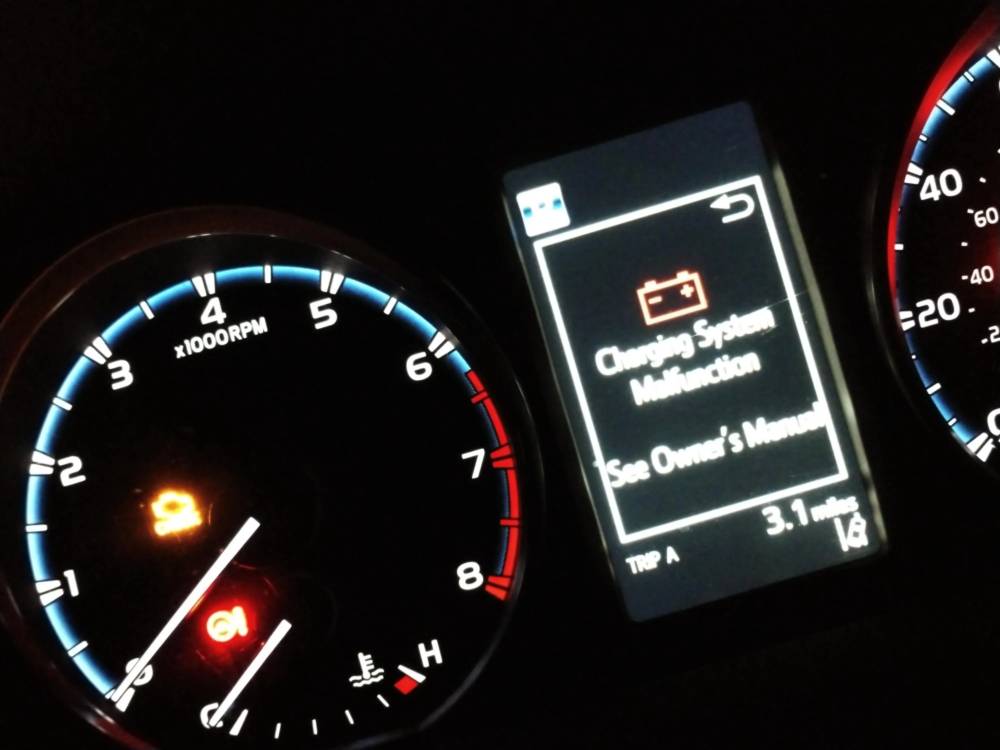
What Does Toyota Charging System Malfunction Mean?
When a Toyota displays the Charging System Malfunction warning, it indicates that the vehicle’s electrical charging system is not operating within the expected voltage range. The charging system is responsible for generating electricity and maintaining battery power while the engine is running. If this system fails, the battery may gradually lose charge until the vehicle can no longer support essential electrical functions.
Several components work together to keep the charging system functioning properly. The battery provides power for starting the engine and supporting electrical systems when necessary. The alternator generates electricity while the engine is running and replenishes the battery. The voltage regulator ensures that the correct amount of voltage is delivered throughout the vehicle, while wiring and connectors allow power to flow efficiently between components.
When the onboard computer detects abnormal charging voltage, communication issues, or electrical irregularities, it triggers the warning message. In some cases, the problem may be minor, such as a loose battery connection. In other situations, it may indicate a failing alternator or a more serious electrical fault that requires immediate attention.
Ignoring the warning can lead to a completely discharged battery, reduced vehicle performance, and unexpected breakdowns. Understanding the meaning of this alert is the first step toward identifying and resolving the underlying issue.
Common Causes of Toyota Charging System Malfunction
Failing Alternator
A faulty alternator is one of the most common reasons for a charging system malfunction warning. The alternator generates electrical power while the engine is running and keeps the battery charged. Over time, internal components such as bearings, brushes, and diodes can wear out, reducing the alternator’s ability to produce sufficient voltage.
As the alternator begins to fail, drivers may notice dim headlights, flickering dashboard lights, weak electrical performance, or difficulty starting the vehicle. If the alternator stops working entirely, the battery becomes the sole source of electrical power and will eventually discharge completely.
Most alternators can last between 80,000 and 150,000 miles, although driving conditions, climate, and maintenance habits can affect their lifespan. Replacing a failing alternator early can prevent more expensive repairs and reduce the risk of being stranded.
Weak or Failing Battery
An aging or damaged battery can also trigger the Toyota Charging System Malfunction warning. Vehicle batteries naturally degrade over time due to repeated charging and discharging cycles. Extreme temperatures, infrequent driving, and poor maintenance can accelerate this process.
A weak battery may struggle to hold a charge, causing the vehicle’s monitoring system to detect abnormal voltage levels. Common symptoms include slow engine cranking, intermittent electrical issues, and the need for frequent jump starts.
Most automotive batteries last between three and five years. If your battery is approaching the end of its expected lifespan, testing or replacing it may resolve the warning without requiring additional repairs.
Loose or Damaged Serpentine Belt
The serpentine belt drives several engine accessories, including the alternator. If the belt becomes loose, cracked, stretched, or damaged, the alternator may not spin at the proper speed to generate adequate electrical power.
A worn belt often produces squealing noises during startup or acceleration. Drivers may also experience fluctuating charging voltage and reduced electrical performance. In severe cases, a broken serpentine belt can immediately disable the alternator and other critical components.
Regular belt inspections can help identify wear before it causes charging system problems. Replacing a worn belt is typically much less expensive than repairing damage caused by complete belt failure.
Symptoms of a Toyota Charging System Problem
One of the earliest signs of a charging system issue is the appearance of a battery warning light or charging system alert on the dashboard. While this warning may seem minor at first, it often indicates that the electrical system is no longer receiving consistent voltage.
Drivers may also notice dim or flickering headlights, especially at night. Because the charging system cannot maintain stable power output, lighting performance may vary depending on engine speed and electrical demand.
Electrical accessories can also begin malfunctioning. Power windows may operate slowly, infotainment systems may restart unexpectedly, and climate control functions may become inconsistent. These symptoms often worsen as battery charge decreases.
Difficulty starting the engine is another common warning sign. A weakened battery may not have enough power to turn the starter motor effectively, leading to slow cranking or complete starting failure.
In more serious situations, drivers may notice a burning smell coming from the engine compartment. This can occur when a slipping belt generates excessive heat or when an alternator begins overheating internally.
The most dangerous symptom is engine stalling while driving. Once the battery becomes depleted, critical systems may lose power, causing the engine to shut down unexpectedly. This situation can create serious safety risks and should be addressed immediately.
How to Diagnose Toyota Charging System Malfunction
Diagnosing a charging system problem does not always require advanced equipment. In many cases, a few basic inspections can help identify the source of the warning before visiting a repair shop.
Check the Battery Condition
Start by inspecting the battery for visible signs of damage, corrosion, or leaking fluid. Corrosion around the battery terminals can interfere with electrical flow and cause inaccurate voltage readings. Ensure that the battery connections are clean and securely tightened.
If possible, use a multimeter to measure battery voltage with the engine turned off. A healthy battery typically reads around 12.6 volts. A significantly lower reading may indicate a weak or discharged battery.
Measure Charging Voltage
After checking the battery, start the engine and measure the voltage again. In most Toyota vehicles, the charging system should produce between 13.5 and 14.8 volts while the engine is running.
A reading below this range may indicate a failing alternator, a slipping serpentine belt, or wiring problems. A reading above the normal range may suggest a defective voltage regulator that is overcharging the battery.
Inspect the Serpentine Belt
Carefully examine the serpentine belt for cracks, fraying, glazing, or signs of excessive wear. Even if the belt has not completely failed, a worn belt can slip under load and reduce alternator performance.
Listen for squealing noises when starting the engine or turning on high electrical loads such as air conditioning and headlights. These sounds often indicate belt-related problems.
Scan for Diagnostic Trouble Codes
Modern Toyota vehicles store fault codes whenever the onboard computer detects abnormalities. Using an OBD-II scanner can reveal charging system faults and help narrow down the diagnosis.
Although the warning message itself may not identify the exact cause, stored codes often provide valuable clues about alternator performance, voltage irregularities, or communication issues within the electrical system.
Inspect Wiring and Electrical Connections
Loose, damaged, or corroded wiring can disrupt charging system performance. Inspect battery cables, ground connections, alternator wiring, and connectors for signs of wear or damage.
In some cases, rodents may chew through wiring harnesses, creating intermittent electrical problems that are difficult to identify without a careful inspection.
DIY Fixes You Can Try Before Visiting a Mechanic
Not every charging system malfunction requires immediate replacement of expensive components. Some problems can be resolved through simple maintenance procedures that many vehicle owners can perform themselves.
Clean Corroded Battery Terminals
Corrosion creates resistance that restricts electrical flow between the battery and the vehicle’s electrical system. Disconnect the battery terminals and clean them using a battery terminal cleaner or a mixture of baking soda and water. After cleaning, reconnect the terminals securely.
This simple procedure can sometimes restore proper charging performance and eliminate warning messages caused by poor electrical contact.
Tighten Loose Connections
Vibration from everyday driving can gradually loosen battery terminals, alternator connections, and grounding points. Inspect all accessible connections and tighten any that appear loose.
A secure connection ensures that electrical current flows properly throughout the charging system.
Replace a Worn Serpentine Belt
If the serpentine belt shows obvious signs of wear, replacing it may solve the problem before additional damage occurs. A new belt allows the alternator to operate at full efficiency and helps maintain stable charging voltage.
Although some vehicle owners choose to replace belts themselves, others may prefer professional installation depending on the engine layout and belt tensioning system.
Recharge or Replace the Battery
A discharged battery may simply need recharging. However, if the battery repeatedly loses charge or fails a load test, replacement is often the most practical solution.
Installing a new battery can restore reliable starting performance and prevent future charging system warnings caused by battery deterioration.
Reset the Warning System
After addressing the underlying problem, some Toyota models may automatically clear the warning message after several successful drive cycles. In other cases, a diagnostic scanner may be required to clear stored fault codes and reset the system.
Toyota Charging System Repair Costs
Repair costs can vary significantly depending on the specific cause of the malfunction, the Toyota model involved, and local labor rates. Understanding typical repair expenses can help drivers prepare for potential maintenance costs.
Battery replacement is often the least expensive repair. Depending on battery type and vehicle requirements, costs generally range from $100 to $350.
Alternator replacement is typically more expensive because it involves both parts and labor. Most Toyota owners can expect costs between $400 and $1,200, particularly for newer models with complex engine compartments.
Serpentine belt replacement is usually relatively affordable. Costs commonly range from $80 to $300 depending on the vehicle and labor requirements.
If the voltage regulator is integrated into the alternator, replacement may require installing an entirely new alternator assembly. Repair costs generally range from $150 to $600 depending on the design.
Wiring repairs vary considerably. A simple connector repair may cost less than $100, while extensive wiring harness repairs can exceed $1,000 if significant damage is present.
Although repair costs may seem substantial, addressing charging system issues promptly is usually far less expensive than dealing with a complete breakdown, towing fees, or secondary damage caused by electrical failure.
Can You Drive With a Toyota Charging System Malfunction Warning?
The short answer is yes, but only for a limited period and only when absolutely necessary.
When the charging system warning appears, the vehicle may continue running because the battery still contains stored electrical energy. However, once that energy is depleted, critical systems will begin shutting down. Depending on the severity of the problem and the condition of the battery, this process may take anywhere from a few minutes to several hours.
Many drivers make the mistake of assuming that because the vehicle is still running, the problem is not urgent. In reality, a charging system malfunction can quickly escalate into a complete breakdown. As battery voltage drops, electrical components such as headlights, power steering assistance, infotainment systems, sensors, and engine management systems may stop functioning properly.
Driving with a charging system problem also increases the risk of becoming stranded in an unsafe location. If the battery loses power completely, the engine may stall unexpectedly and refuse to restart.
If you see the warning message, reduce unnecessary electrical loads immediately. Turn off accessories such as heated seats, unnecessary lighting, and high-power charging devices. If possible, drive directly to a repair facility or a safe location where the vehicle can be inspected.
Continuing to drive for extended periods is not recommended because doing so may increase repair costs and create additional safety concerns.
How to Prevent Future Charging System Problems
Preventive maintenance is the most effective way to avoid unexpected charging system failures. Many charging system issues develop gradually and provide warning signs long before a complete failure occurs.
One of the simplest maintenance practices is performing annual battery inspections. Testing battery health regularly can identify weakening batteries before they begin causing electrical problems. This is especially important in regions with extremely hot or cold temperatures, as weather conditions can significantly reduce battery lifespan.
Battery terminals should also be inspected periodically. Even minor corrosion can create resistance that interferes with charging performance. Keeping terminals clean and properly tightened helps maintain efficient electrical flow.
Routine inspection of the serpentine belt is equally important. Cracks, glazing, fraying, or excessive wear indicate that replacement may be necessary. Replacing a worn belt before it fails can prevent alternator performance issues and reduce the likelihood of a charging system warning.
Drivers should also pay attention to unusual symptoms such as dim headlights, flickering interior lights, slow engine cranking, or intermittent electrical malfunctions. These signs often appear before a major charging system failure occurs.
Most importantly, never ignore dashboard warning lights. Addressing a charging system warning early can save significant repair costs and prevent inconvenient roadside breakdowns.
Frequently Asked Questions
What causes a Toyota Charging System Malfunction?
The most common causes include a failing alternator, weak battery, damaged serpentine belt, faulty voltage regulator, corroded battery terminals, or damaged electrical wiring.
Can a bad battery trigger the warning?
Yes. A battery that can no longer hold a proper charge may cause abnormal voltage readings that trigger the charging system warning message.
How much does it cost to fix a Toyota Charging System Malfunction?
Repair costs vary depending on the cause. Battery replacement may cost between $100 and $350, while alternator replacement can range from $400 to $1,200 or more depending on the vehicle model.
Can I reset the warning myself?
In some cases, the warning will disappear automatically after the underlying problem has been fixed. Other situations may require an OBD-II scanner to clear stored diagnostic codes.
How long does a Toyota alternator typically last?
Most alternators last between 80,000 and 150,000 miles, although actual lifespan depends on driving conditions, maintenance habits, and environmental factors.
Will the vehicle still run after the warning appears?
Usually yes, but only temporarily. The vehicle will continue operating until the battery’s stored energy is exhausted. Once battery power is depleted, the engine may stall and fail to restart.
Conclusion
A Toyota Charging System Malfunction warning should never be ignored. Although the vehicle may continue running for a short period, the warning indicates that the charging system is no longer maintaining proper electrical performance. Without timely diagnosis and repair, a relatively small issue can quickly develop into a complete breakdown.
The most common causes include a failing alternator, an aging battery, a worn serpentine belt, damaged wiring, or a faulty voltage regulator. Fortunately, many of these problems provide warning signs before total failure occurs. Symptoms such as dim headlights, slow engine cranking, electrical malfunctions, and battery warning lights often indicate that the charging system requires attention.
By understanding how the charging system works and performing basic inspections, vehicle owners can identify problems early and make informed repair decisions. Simple maintenance practices such as testing the battery, inspecting the belt, and cleaning battery terminals can significantly reduce the risk of future failures.
If your Toyota displays a Charging System Malfunction warning, do not wait for the problem to worsen. Prompt diagnosis and repair can help protect your vehicle, reduce repair expenses, and ensure dependable performance for years to come.