A Toyota extended warranty can cost from several hundred dollars to several thousand dollars for the full contract, with the final price determined by the vehicle, coverage level, contract term, mileage limit, and deductible. Toyota does not use one universal extended warranty price for every vehicle and contract, so two owners can receive different quotes even when buying protection for vehicles from the same manufacturer.
The price also needs to be evaluated against what the contract actually covers. A lower-cost plan that protects only major powertrain components does not provide the same financial protection as broader coverage that includes additional mechanical and electrical systems. Contract length and deductible further change the comparison: extending protection for more years or miles increases the period during which the provider assumes repair risk, while the deductible determines how much the owner pays when an eligible repair occurs.
This guide explains Toyota extended warranty costs, the factors that determine the price, coverage and plan differences, negotiation opportunities, and the relationship between warranty prices and Toyota repair costs. It also provides a framework for deciding whether paying for additional protection makes financial sense for your Toyota.
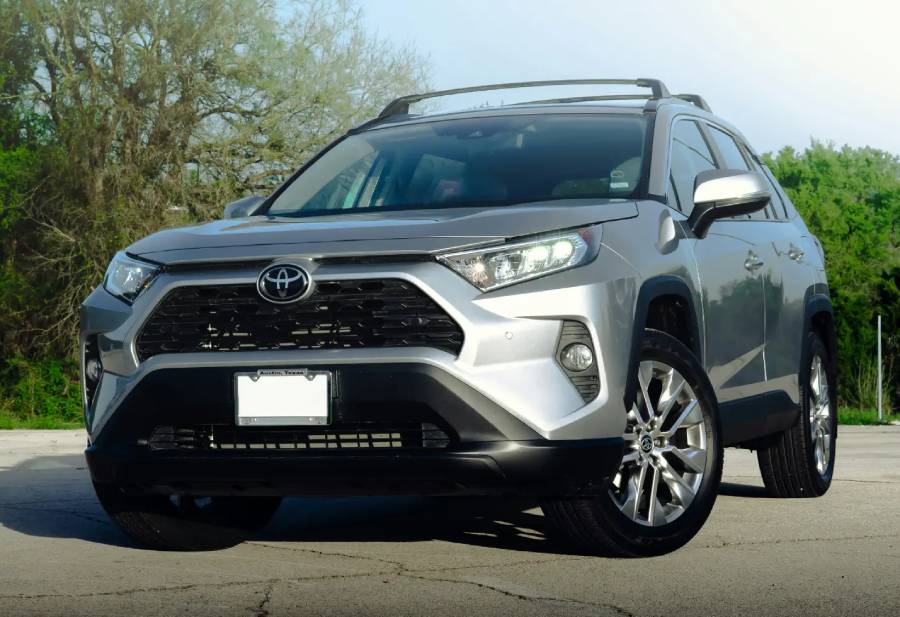
How Much Does a Toyota Extended Warranty Cost?
A Toyota extended warranty does not have one fixed price because the total cost varies by vehicle, coverage level, contract term, mileage limit, deductible, and dealer quote. The most useful number is therefore the total contract price for a specific vehicle rather than a generic Toyota-wide average. A quote should identify the exact protection being purchased so the owner can compare the price with another contract on equivalent terms.
Toyota extended warranty cost should also be separated from the way the contract is paid. A dealer may allow the cost to be included in vehicle financing, but a smaller monthly payment does not make the warranty itself cheaper. For example, a $2,000 service contract still costs $2,000 before applicable financing costs whether it is paid upfront or distributed across monthly vehicle payments. Comparing total contract prices prevents financing terms from obscuring the actual cost of protection.
The annual equivalent provides another useful comparison. A $2,000 contract providing five years of relevant coverage has a simple annualized cost of $400 per year. This calculation does not represent the actual payment schedule or account for overlapping factory coverage, but it helps owners compare the cost of protection with expected repair expenses over the same period.
A price quote becomes meaningful only when its coverage terms are included. Two contracts priced at $1,500 and $2,000 cannot be compared on price alone if the first has a shorter term, higher deductible, lower mileage limit, or substantially fewer covered components. The appropriate comparison is therefore price for equivalent coverage, not simply the lowest quoted price.
What Factors Affect Toyota Extended Warranty Cost?
There are 6 main factors that affect Toyota extended warranty cost: vehicle model, vehicle age, mileage, coverage level, contract term, and deductible. These factors change either the amount of protection purchased or the repair risk associated with the contract. Evaluating all six makes it easier to understand why one Toyota owner may receive a different quote from another.
Vehicle model affects the underlying repair exposure. Toyota vehicles do not use identical powertrains, electronics, climate-control systems, and other components. A warranty provider must account for the components included under a specific contract and the potential cost of covered repairs. This means a quote for one Toyota model should not automatically be treated as the expected price for another model.
Vehicle age affects how much remaining protection and mechanical risk the vehicle has. A newer Toyota may still have substantial factory warranty coverage, while an older vehicle is further into its ownership and repair cycle. Age therefore matters when determining both eligibility and the practical value of additional coverage. Owners should compare the effective period of extended protection rather than assuming every year listed in a contract represents an additional year beyond existing factory coverage.
Mileage affects both vehicle condition and the usable length of a mileage-limited contract. A Toyota with 20,000 miles and one with 70,000 miles have already experienced different amounts of use, even if they are the same model year. Mileage also determines how quickly a contract limit may be reached. A driver covering 20,000 miles annually will consume a 100,000-mile limit considerably faster than a driver covering 8,000 miles annually.
Coverage level determines how broadly the contract transfers repair risk from the owner to the warranty provider. Narrow coverage may focus on major powertrain components, while broader protection can include additional mechanical, electrical, and convenience systems when specified by the contract. Broader coverage can justify a higher price because more eligible components create more circumstances in which the contract may pay for a covered repair.
Contract term determines how long the protection remains available. Longer terms or higher mileage limits extend the period in which covered mechanical problems can occur. A six-year contract and a ten-year contract therefore should not be compared solely by their upfront prices. The comparison should include the effective coverage period, mileage ceiling, covered systems, and any factory warranty overlap.
Deductible determines how repair costs are divided when an eligible claim occurs. A contract with a $0 deductible places more of each covered repair cost on the provider than an otherwise equivalent contract with a $100 deductible. The owner should therefore compare both the upfront contract price and potential out-of-pocket claim costs. A cheaper warranty with a higher deductible is not necessarily the lower-cost option over the complete ownership period.
What Does a Toyota Extended Warranty Cover?
A Toyota extended warranty can cover the cost of repairing or replacing specified mechanical and electrical components after eligible breakdowns, but the exact protection depends on the vehicle service agreement purchased. Coverage should therefore be evaluated from the actual contract rather than from the phrase “extended warranty” alone. Two contracts can have different prices because one transfers substantially more repair risk from the vehicle owner to the provider.
Major vehicle systems are the most important components to examine when comparing coverage. These can include the engine, transmission, drivetrain, steering, suspension, braking components, air conditioning, electrical equipment, and onboard technology when the selected agreement specifically lists them as covered. Broader protection matters financially because modern vehicles combine mechanical components with electronic modules, sensors, switches, motors, and control systems. A contract covering more of these components creates more situations in which an eligible repair may be paid under the agreement.
An extended warranty does not mean every vehicle expense is covered. The contract defines covered components, exclusions, claim requirements, and the owner’s financial responsibilities. Routine ownership expenses such as scheduled maintenance should not automatically be treated as covered repairs unless the specific agreement states otherwise. The same principle applies to wear-related items and damage resulting from circumstances excluded by the contract. Owners should read the exclusions alongside the covered-component list because broad-sounding protection can still contain important limitations.
Coverage also determines how Toyota extended warranty cost should be compared. For example, paying $1,500 for narrower protection is not automatically a better deal than paying $2,000 for broader protection. The additional $500 has to be evaluated against the extra systems covered, the deductible, coverage duration, mileage limit, and exclusions. The relevant question is how much repair risk the contract transfers for its total price.
How Do Toyota Extended Warranty Plans Affect the Cost?
Toyota extended warranty plans affect cost by changing the number and types of vehicle components protected under the service agreement. A broader plan transfers more categories of eligible repair expenses to the warranty provider, while a narrower plan leaves more repair costs with the vehicle owner. Coverage level is therefore one of the primary variables that must remain consistent when comparing warranty quotes.
Toyota Vehicle Service Agreements have been offered with different coverage levels, including plan names such as Platinum, Gold, and Powertrain in Toyota materials and markets. However, plan availability, eligibility, terms, and pricing can vary by vehicle and contract. A plan name alone should not be used to estimate the final warranty cost. The current agreement and quote for the specific vehicle determine the applicable protection and price.
How Much Does Toyota Platinum Coverage Cost?
Toyota Platinum coverage does not have one universal price that applies to every eligible Toyota. Its cost must be determined from a quote for the specific vehicle and contract terms. The primary reason to evaluate Platinum coverage separately is its broader component protection rather than assuming a fixed nationwide price.
The financial comparison should start with the additional components protected by Platinum coverage. If a broader agreement covers eligible electrical, climate-control, steering, suspension, and other components that a narrower contract excludes, the higher contract price purchases a larger transfer of repair risk. For example, a $500 difference between two quotes is meaningful only after determining what additional repairs the extra $500 makes eligible for coverage.
How Much Does Toyota Gold Coverage Cost?
Toyota Gold coverage also requires a vehicle-specific quote rather than a single price estimate that applies to every Toyota. Its value should be assessed by comparing its covered components, exclusions, deductible, term, and mileage limit with both broader and narrower alternatives.
The comparison is particularly important when two plans have a noticeable price difference but substantial overlap in the systems they protect. An owner should identify which components are excluded from the lower-priced option and determine whether the additional protection is relevant to the vehicle and intended ownership period. This produces a more useful decision than selecting a plan solely because its upfront price is lower.
How Much Does Toyota Powertrain Coverage Cost?
Toyota Powertrain coverage does not have a single universal cost for every vehicle and contract. Powertrain-oriented protection concentrates coverage on major systems responsible for producing and transmitting power rather than attempting to protect the wider range of components associated with more comprehensive plans.
This narrower scope changes the financial trade-off. The contract may protect the owner from certain high-cost mechanical failures while leaving electrical, convenience, climate-control, and other excluded repairs as out-of-pocket expenses. For example, two plans with a $700 price difference should be compared by identifying exactly which additional component groups the more expensive plan protects. The cheaper plan provides better value only when the savings justify the repair risks the owner retains.
Can You Negotiate the Cost of a Toyota Extended Warranty?
The price of a Toyota extended warranty may be negotiable when the selling dealer has discretion over the final contract price. Buyers should not assume the first warranty quote is the only available price. The practical approach is to compare equivalent quotes and negotiate the total contract cost rather than focusing only on how much the warranty adds to a monthly vehicle payment.
A valid price comparison requires the contract terms to remain the same. Compare the same coverage level, term, mileage limit, deductible, and vehicle. For example, a $1,700 quote is not necessarily cheaper than a $2,000 quote if the first contract ends earlier or carries a higher deductible. Changing several variables at once prevents the buyer from determining whether the price itself is lower or whether the dealer is simply offering less protection.
Request the total warranty price before discussing monthly payments. Compare equivalent coverage from eligible sellers, identify differences in contract terms, and negotiate based on the complete price. This sequence separates warranty pricing from vehicle financing. If a $2,000 service agreement is incorporated into a five-year auto loan, the monthly increase may appear relatively small, but the buyer is still financing the underlying $2,000 purchase and may also incur financing costs.
Price should not be the only negotiation variable. A lower deductible, longer coverage period, higher mileage limit, or broader component protection can change the economic value of a contract. For example, paying $200 more for otherwise equivalent coverage could be preferable if it materially reduces the deductible the owner must pay on future eligible repairs. The final comparison should therefore measure total price against total protection, not discount percentage alone.
Is a Toyota Extended Warranty Worth the Cost?
A Toyota extended warranty is worth the cost when the financial protection and predictability it provides are more valuable to the owner than retaining the risk of paying for eligible repairs directly. The decision depends on four primary variables: contract cost, expected repair exposure, existing warranty coverage, and planned ownership period. Risk tolerance is an additional personal factor because two owners facing the same expected repair expenses may value predictable costs differently.
The basic financial comparison is between the amount paid for protection and the repair risk transferred to the warranty provider. Suppose an owner pays $2,000 for additional coverage. If the vehicle requires $3,500 in repairs during the effective coverage period, the contract can produce financial value only when those specific repairs are covered and the benefit remains favorable after deductibles and other contractual costs. If the vehicle requires only $500 of covered repairs, paying those expenses directly would have been cheaper in hindsight. A warranty therefore reduces uncertainty; it does not guarantee that every buyer will receive more in claims than the contract costs.
Existing protection changes this calculation. A Toyota that remains under applicable factory coverage may already have protection against specified defects or repairs. Owners should identify when existing coverage ends and when the additional service agreement provides meaningful protection. A long contract can look attractive based on its stated duration, but overlapping coverage can reduce the number of years or miles during which the agreement adds protection beyond what the vehicle already has.
Ownership period matters for the same reason. An owner planning to keep a Toyota well beyond the original warranty period has a longer period in which additional protection may be relevant. An owner expecting to sell or replace the vehicle much sooner has less time to use that protection. Transfer and cancellation provisions can affect this calculation and should be checked in the actual contract.
When Is a Toyota Extended Warranty Worth It?
A Toyota extended warranty is more likely to be worth considering when the owner plans to keep the vehicle beyond its existing warranty, wants protection against eligible high-cost repairs, and prefers predictable ownership expenses. These conditions increase either the period in which the contract can provide protection or the value the owner places on transferring repair risk.
Long-term ownership is particularly relevant because mechanical and electrical components continue accumulating age and mileage after factory coverage expires. An owner intending to keep a vehicle for eight or ten years faces a different risk period from someone planning to trade it after three years. The extended contract should therefore be matched to the expected ownership period rather than purchased solely because a longer term is available.
Budget predictability provides a second reason to consider coverage. A driver who prefers a known contract price and deductible may value protection from an unexpected eligible repair even if self-funding repairs could ultimately cost less. For example, absorbing a four-figure repair at short notice can have a different financial impact from budgeting for protection when purchasing the vehicle. This is a risk-management benefit rather than evidence that the warranty will always generate a positive financial return.
When Is a Toyota Extended Warranty Not Worth It?
A Toyota extended warranty is less likely to be worth the cost when substantial coverage overlaps with an existing warranty, the owner expects to sell the vehicle before additional protection becomes useful, or the contract price is high relative to the repair risk it transfers. These situations reduce the amount of practical protection received for each dollar spent.
Short ownership periods are a clear example. Paying for years of additional protection provides limited value if the vehicle will probably leave the owner’s possession before most of that period is reached. The cancellation or transfer terms may reduce the loss in some contracts, but those provisions must be confirmed before they are included in the value calculation.
The warranty can also provide poor value when important potential repairs are excluded. A low contract price does not compensate for exclusions that remove the systems an owner expects to protect. Before purchasing, compare the total cost, deductible, covered components, exclusions, effective coverage period, and mileage limit. The decision should be based on the repair risk actually transferred by the contract, not the “extended warranty” label itself.
How Does Toyota Extended Warranty Cost Compare With Toyota Repair Costs?
Toyota extended warranty cost should be compared with the repair expenses the owner could realistically face after existing warranty coverage ends. The correct comparison is not simply warranty price versus one expensive repair. It is the total contract cost, deductibles, covered components, exclusions, and effective coverage period compared with the repair risk the owner would otherwise retain.
Repair expenses also differ substantially by component. An engine, transmission, electrical module, air-conditioning component, or suspension part does not carry the same labor requirement or replacement cost. A warranty that covers major mechanical and electrical systems therefore transfers a different amount of financial risk from a contract that protects only a limited group of powertrain components. The vehicle’s model, age, mileage, and condition further influence which repair expenses are relevant during the planned ownership period.
For example, consider an owner comparing a $2,000 warranty with self-funding future repairs. Spending $2,500 on repairs during the contract period does not automatically mean the warranty would save $500. The owner first needs to determine whether those repairs are covered, how many deductibles apply, and whether any contract limits affect reimbursement. If $1,000 of the $2,500 consists of excluded maintenance or wear-related work, that portion remains an ownership expense regardless of the warranty.
The same principle applies when the vehicle requires no major covered repairs. A driver who buys a $2,000 contract and incurs only $400 in eligible repairs would have spent less by paying directly in hindsight. However, the contract still provided protection against the possibility of a larger covered expense during its effective term. An extended warranty should therefore be evaluated as a transfer of repair risk rather than a guaranteed method of reducing total vehicle expenses.
How Does Toyota Extended Warranty Cost Compare With Third-Party Warranties?
Toyota-backed coverage and third-party vehicle service contracts should be compared using equivalent terms rather than price alone. The comparison should include total contract cost, covered components, exclusions, deductible, coverage term, mileage limit, eligible repair facilities, claims procedures, and cancellation or transfer provisions. A cheaper contract is not financially equivalent when it transfers less repair risk or imposes different conditions on covered repairs.
The provider and repair network are particularly important comparison points. A manufacturer-backed agreement and an independent service contract may use different procedures for authorizing repairs, selecting eligible facilities, paying claims, and documenting maintenance. These differences can affect how easily the owner can use the coverage even when two contracts appear similar based on price and term.
Coverage definitions require the same attention. For example, one contract may list specific components that are protected, while another may structure coverage and exclusions differently. Comparing only labels such as “comprehensive,” “premium,” or “powertrain” can therefore produce an inaccurate conclusion. Owners should compare the actual contract language for the same systems, such as the engine, transmission, electrical equipment, steering, suspension, and climate-control components.
Price comparisons should also use the same deductible and effective coverage period. A $1,600 third-party contract with a $200 deductible is not directly equivalent to a $1,900 Toyota-related contract with a lower deductible and different coverage terms. The lower-priced option is cheaper upfront, but determining which contract offers better value requires comparing how much eligible repair risk each one transfers for the total amount paid.
Do You Need an Extended Warranty If Your Toyota Is Still Under Factory Warranty?
You do not automatically need additional coverage simply because a Toyota extended warranty is available while the vehicle is still protected by its factory warranty. The first step is to identify which factory protections remain active, when they expire, and which additional risks the extended agreement would cover beyond them.
Coverage overlap matters because the advertised contract duration does not necessarily represent an equal amount of additional protection beyond the factory warranty. For example, an agreement associated with a long vehicle-age or mileage limit must be evaluated according to when its relevant coverage becomes useful, not only according to the largest year or mileage number shown in the offer. Contract definitions determine the actual relationship between existing and additional protection.
The planned ownership period should then be compared with both coverage periods. An owner who expects to sell the Toyota before factory protection expires has a different need from an owner planning to keep the vehicle for several years after that coverage ends. In the second scenario, the period after factory coverage expires is more important because the owner would otherwise retain more of the repair risk.
Buying earlier can still involve considerations beyond immediate coverage, including eligibility and the contract terms available for a particular vehicle. However, an owner should not assume that purchasing an extended warranty earlier automatically creates more financial value. The relevant calculation is the total price paid for the effective additional protection the owner expects to use during the actual ownership period.
Read more: Which Toyota Models Commonly Get C0278?
What Should You Check Before Buying a Toyota Extended Warranty?
Check 8 contract details before buying a Toyota extended warranty: total price, coverage, exclusions, deductible, term, mileage limit, cancellation and transfer provisions, and claim requirements. These details determine how much protection the contract actually provides for its cost. Comparing only the quoted price can make a cheaper but narrower agreement appear more valuable than it is.
Check the total contract price first. Use the full price rather than the amount added to a monthly vehicle payment. For example, financing a $2,000 service agreement makes the immediate monthly expense look smaller, but the underlying contract still costs $2,000 before any applicable financing costs. The total price provides a consistent baseline for comparing competing offers.
Check the covered components and exclusions together. Coverage identifies which repair risks are transferred to the provider, while exclusions identify expenses that remain the owner’s responsibility. Engine, transmission, electrical, steering, suspension, climate-control, and technology components are examples of systems that should be checked against the specific agreement. Do not assume a component is protected because the contract is described using terms such as “extended” or “comprehensive.”
Check the deductible and how it applies to claims. A contract with a lower upfront price can become less attractive when it requires a larger out-of-pocket payment for eligible repairs. For example, the financial result of a $100 deductible differs from a $0 deductible when several covered repair events occur during the ownership period. The contract should explain when the deductible applies and how it is calculated.
Check both the time limit and mileage limit. A warranty can end when one contractual limit is reached even when the other remains. This distinction matters for high-mileage drivers. An owner driving 20,000 miles per year can reach a mileage ceiling much earlier than an owner driving 8,000 miles per year, reducing the effective duration of the same mileage-limited protection.
Check how the extended coverage interacts with existing factory protection. The relevant value is the period during which the service agreement provides useful additional protection, not simply the largest year or mileage figure displayed in the offer. Compare the contract with the Toyota coverage already applicable to the vehicle and with the length of time you expect to own it.
Check cancellation and transfer provisions before treating the contract as a long-term asset. These terms become relevant when the vehicle is sold, traded, or otherwise leaves your ownership before the agreement reaches its stated limit. The actual contract should determine whether cancellation or transfer is permitted, what conditions apply, and whether fees or other restrictions affect the financial result.
Check the claim requirements before calculating potential savings. A repair expense produces warranty value only when the failure is eligible under the agreement and the required claim process is followed. Repair authorization, documentation, maintenance obligations, eligible repair facilities, and other contract requirements can affect whether a claim qualifies for payment.
Finally, compare the quote using one consistent equation:
Total contract cost + expected deductibles versus the repair risk transferred during the effective coverage period.
A lower price is preferable when two agreements provide equivalent protection. A higher-priced agreement can provide better value when the additional cost buys materially broader coverage, a lower deductible, or a useful extension of the protection period. The best Toyota extended warranty is therefore not automatically the cheapest or the longest contract; it is the agreement whose cost, coverage, and effective term best match the owner’s expected ownership period and repair-risk tolerance.