Have you ever started your Toyota on a hot summer afternoon only to discover that the air conditioning is blowing warm air, the climate control buttons are unresponsive, or the cabin temperature seems to have a mind of its own? While Toyota vehicles are widely recognized for their reliability and longevity, their climate control systems are not immune to occasional problems.
Modern Toyota models such as the Camry, Corolla, RAV4, Highlander, Tacoma, and Prius rely on sophisticated HVAC technology to maintain a comfortable cabin environment. These systems combine sensors, electronic control modules, actuators, and air conditioning components to automatically regulate temperature and airflow. When even one component fails or becomes miscalibrated, drivers may experience a variety of frustrating issues that affect comfort and convenience.
Many vehicle owners assume that climate control problems automatically require expensive repairs or complete system replacements. In reality, some of the most common issues can be resolved through simple troubleshooting steps, system recalibration, or a basic Toyota climate control reset. Understanding the root cause of the problem is often the key to avoiding unnecessary repair costs.
In this guide, we will explore the most common Toyota climate control problems, explain why they occur, and provide practical solutions to help restore your vehicle’s HVAC system to proper working condition. Whether you are dealing with inconsistent temperatures, weak airflow, strange dashboard noises, or an unresponsive control panel, this article will help you identify the issue and determine the best course of action.
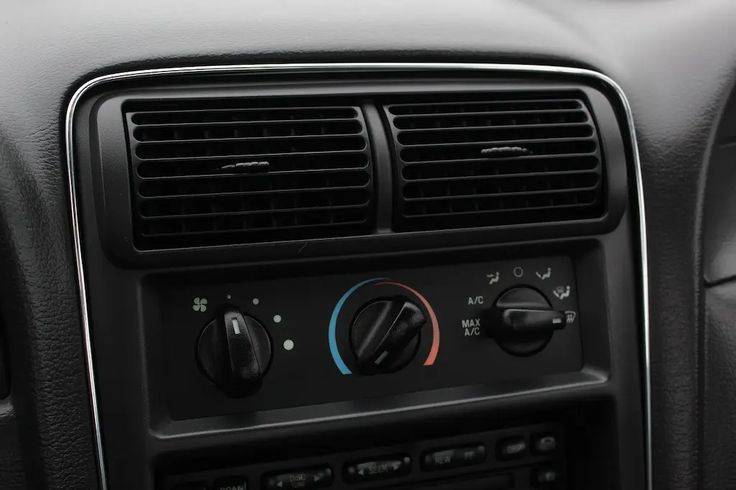
How Toyota Climate Control Systems Work
Before diagnosing any climate control issue, it is important to understand how Toyota’s HVAC system operates. HVAC stands for Heating, Ventilation, and Air Conditioning, and it is responsible for maintaining a comfortable cabin temperature regardless of outside weather conditions.
In modern Toyota vehicles, the climate control system consists of several key components working together. The climate control module acts as the system’s brain, processing information from various sensors and adjusting temperature settings automatically. Temperature sensors continuously monitor cabin and ambient air temperatures, while blend door actuators regulate the mix of hot and cold air entering the cabin. The blower motor controls airflow strength, and the air conditioning compressor helps cool the air when needed.
Vehicles equipped with automatic climate control add another layer of convenience by automatically adjusting fan speed, airflow direction, and temperature settings based on driver preferences. This technology improves comfort but also introduces additional electronic components that can occasionally malfunction.
When one part of the system fails, symptoms may appear throughout the HVAC system. A faulty actuator can cause inconsistent temperatures, a malfunctioning sensor can result in incorrect temperature readings, and software glitches may prevent the control panel from responding properly. Understanding these relationships makes troubleshooting significantly easier.
Climate Control System Not Responding
One of the most common Toyota climate control problems occurs when the control panel becomes unresponsive. Drivers may notice that buttons no longer work, the display freezes, or temperature adjustments have no effect on airflow.
Several factors can trigger this issue. Software glitches within the climate control module are often responsible, especially after a battery replacement or a temporary power interruption. A blown fuse can also disable the system entirely, while weak battery voltage may cause electronic components to behave unpredictably. In some cases, damaged wiring or a failing control module may be the underlying cause.
The first troubleshooting step is to perform a Toyota climate control reset. Turn off the vehicle, disconnect the negative battery terminal for approximately ten to fifteen minutes, reconnect it, and restart the vehicle. This procedure allows the control module to reboot and clear temporary software errors.
If the issue persists, inspect HVAC-related fuses using the owner’s manual as a reference. Replacing a blown fuse is often an inexpensive fix that restores normal operation immediately. Drivers should also check for loose electrical connections behind the control panel if accessible.
Interestingly, many climate control failures occur shortly after battery replacement. When power is interrupted, the HVAC system may lose calibration settings and require a reset before functioning normally again.
Toyota AC Blowing Warm Air Instead of Cold Air
Few climate control issues are more frustrating than turning on the air conditioning during hot weather and receiving nothing but warm air. This problem can significantly impact driving comfort and often causes owners to worry about costly repairs.
One of the most common causes is low refrigerant levels. Over time, small leaks can develop within the air conditioning system, reducing cooling performance. A failing compressor may also prevent proper refrigerant circulation, resulting in warm airflow despite normal fan operation.
Temperature sensors can contribute to this issue as well. If a sensor sends inaccurate information to the climate control module, the system may incorrectly regulate cabin temperature. Similarly, calibration errors within the HVAC system can cause improper air mixing between heating and cooling functions.
Drivers can begin troubleshooting by verifying whether the compressor engages when the air conditioning is activated. Unusual noises, intermittent cooling, or a compressor that fails to engage may indicate a mechanical problem. A climate control reset may resolve software-related issues, particularly if the problem appeared suddenly after battery service or electrical work.
However, if refrigerant levels are low or the compressor has failed, professional diagnosis is usually necessary. Continuing to operate the system without addressing these issues can lead to additional damage and higher repair costs over time.
Understanding the difference between a simple calibration problem and a mechanical failure can save Toyota owners both time and money while helping them restore comfortable cabin temperatures more quickly.
Inconsistent Cabin Temperature
Another frequently reported Toyota climate control problem involves inconsistent cabin temperatures. Drivers may set a specific temperature only to find the cabin becoming too hot, too cold, or constantly fluctuating during the drive. In dual-zone climate control systems, the driver and passenger sides may even produce noticeably different temperatures despite identical settings.
One of the primary causes of this issue is a malfunctioning blend door actuator. This small electric motor controls the doors that regulate the mixture of heated and cooled air entering the cabin. When the actuator becomes worn, stuck, or loses calibration, it may fail to position the blend doors correctly, resulting in uneven temperature distribution.
Faulty temperature sensors can also contribute to inconsistent climate control performance. If a sensor provides inaccurate readings, the HVAC control module may continuously adjust temperatures based on incorrect information. Software calibration errors can create similar symptoms, particularly after battery disconnection or electrical repairs.
A good starting point is performing a climate control recalibration procedure. Many Toyota models automatically recalibrate HVAC components after a reset. If recalibration does not resolve the issue, diagnostic testing may be required to identify a defective actuator or sensor.
Many vehicle owners initially assume the entire air conditioning system has failed when, in reality, a relatively inexpensive actuator replacement may be all that is needed. Identifying the source of the problem early can prevent unnecessary repairs and reduce overall maintenance costs.
Climate Control Fan Speed Problems
The blower fan plays a critical role in maintaining cabin comfort by pushing conditioned air through the vehicle’s vents. When fan speed problems occur, even a properly functioning air conditioning system may struggle to cool or heat the cabin effectively.
Common symptoms include fan speeds that change unexpectedly, airflow that remains weak regardless of settings, or a blower that operates only at specific speed levels. In some cases, the fan may stop working altogether.
One of the most common causes is a failing blower motor resistor. This component controls fan speed by regulating electrical current to the blower motor. As the resistor deteriorates, certain speed settings may stop functioning while others continue to work normally.
A worn blower motor can produce similar symptoms. Over time, motor bearings may wear out, causing reduced airflow, unusual noises, or complete motor failure. Electrical issues such as damaged wiring, corroded connectors, or weak voltage supply can also interfere with fan performance.
Drivers should begin by checking whether airflow changes across all speed settings. If only certain speeds are affected, the blower motor resistor is often the likely culprit. If airflow remains weak at every setting, inspecting the blower motor itself may be necessary.
Addressing fan speed issues promptly is important because restricted airflow can place additional strain on other HVAC components and reduce overall system efficiency. Fortunately, blower motor resistors are often relatively affordable to replace compared to larger climate control components.
Clicking Noise Behind the Dashboard
A repetitive clicking sound coming from behind the dashboard is one of the most recognizable signs of a Toyota climate control system problem. Many owners first notice the noise when starting the vehicle, changing temperature settings, or switching airflow modes.
In most cases, the sound originates from a faulty blend door actuator. Inside the actuator are small plastic gears responsible for moving HVAC doors into specific positions. As these gears wear out or break, the actuator may repeatedly attempt to reach its commanded position, creating a rhythmic clicking sound.
Another possible cause involves HVAC door alignment issues. If a door becomes obstructed or fails to move freely, the actuator may continue trying to adjust it, resulting in repeated clicking noises.
Although the sound may initially seem harmless, ignoring it can lead to further wear on HVAC components and eventually affect temperature control performance. Drivers may begin experiencing uneven temperatures, incorrect airflow direction, or complete actuator failure if the problem remains unresolved.
The first troubleshooting step is to determine when the clicking occurs. Noise that appears during temperature adjustments often points to a temperature blend door actuator, while sounds that occur when changing vent modes may indicate a mode door actuator issue. Performing a climate control recalibration may occasionally resolve minor positioning errors, but damaged actuator gears typically require replacement.
Interestingly, blend door actuator failures are among the most common HVAC-related complaints reported across multiple Toyota models. Fortunately, once properly diagnosed, the repair is often straightforward and significantly less expensive than replacing major air conditioning components.
Climate Control Works After Restarting the Vehicle
Some Toyota owners encounter a strange situation where the climate control system suddenly stops working but begins functioning normally again after the vehicle is restarted. While this may seem like a temporary inconvenience, it often indicates an underlying issue that should not be ignored.
This behavior is commonly associated with software glitches within the HVAC control module. Modern climate control systems rely heavily on electronic communication between sensors, actuators, and control units. If the module encounters an unexpected error, it may temporarily freeze or stop responding until the system is rebooted through a vehicle restart.
Intermittent electrical faults can also trigger this symptom. Loose connectors, corroded terminals, or unstable battery voltage may interrupt communication between HVAC components. In some cases, a failing control module may work sporadically before eventually becoming completely inoperative.
Drivers should pay attention to how frequently the issue occurs. If the climate control system only malfunctions once, a temporary software error may be responsible. However, recurring failures usually indicate a deeper problem that requires diagnosis.
Checking battery health is an important first step. Weak batteries can create voltage fluctuations that negatively affect electronic systems throughout the vehicle. If the battery is in good condition, scanning the HVAC system for stored diagnostic trouble codes may reveal communication errors or component failures that are not immediately visible.
Addressing intermittent climate control problems early can help prevent more serious electrical issues and reduce the likelihood of unexpected system failure in the future.
Toyota Climate Control Reset Procedure
Many Toyota climate control problems can be resolved through a simple reset procedure. Resetting the system allows the HVAC control module to clear temporary faults, restore communication between components, and recalibrate important settings.
The most common method is a battery disconnect reset. Begin by turning off the vehicle completely. Disconnect the negative battery terminal and leave it disconnected for approximately ten to fifteen minutes. This allows residual electrical power to drain from the system. Reconnect the battery, start the vehicle, and test the climate control functions.
After reconnecting the battery, some Toyota models may automatically perform an HVAC calibration sequence. During this process, blend door actuators move through their full range of motion to relearn correct operating positions. Drivers may hear slight mechanical noises while this occurs, which is generally normal.
Another option involves HVAC recalibration procedures specific to certain Toyota models. Depending on the vehicle, recalibration may occur automatically or require a sequence of button presses and ignition cycles. Consulting the owner’s manual can provide model-specific instructions.
For more advanced troubleshooting, an OBD diagnostic scanner can be used to clear stored HVAC fault codes. This approach is particularly useful when warning messages or electronic communication errors are present. After clearing the codes, the system should be tested to determine whether the problem returns.
While a reset can resolve software-related issues and calibration errors, it is important to remember that it cannot repair damaged mechanical components. If symptoms persist after multiple reset attempts, further diagnosis will be necessary.
When a Reset Won’t Fix the Problem
Although climate control resets are effective in many situations, some HVAC problems result from physical component failures that require repair or replacement. Understanding when a reset is unlikely to help can save both time and frustration.
One example is compressor failure. The air conditioning compressor is responsible for circulating refrigerant throughout the cooling system. If the compressor is damaged internally or fails to engage, no amount of resetting will restore proper cooling performance.
Refrigerant leaks are another common issue. Even a perfectly functioning climate control module cannot produce cold air if the system lacks sufficient refrigerant. Leaks often develop around seals, hoses, condensers, or compressor connections and typically require professional inspection.
Failed control modules can also create persistent problems. Unlike temporary software glitches, hardware failures inside the module may prevent communication with sensors and actuators regardless of how many resets are performed.
Electrical harness damage represents another potential cause. Wiring can become damaged through age, vibration, rodent activity, or previous repair work. Broken wires and poor connections often lead to intermittent or complete HVAC system failure.
Sensor malfunctions may also prevent accurate climate control operation. Temperature sensors, pressure sensors, and sunlight sensors all play important roles in system performance. When these components fail, the control module may receive incorrect information and make improper adjustments.
Repair costs vary depending on the affected component. Replacing a blend door actuator is generally one of the more affordable repairs, while compressor replacement tends to be among the most expensive. Accurate diagnosis is essential because replacing the wrong part can quickly become costly.
If climate control issues persist after basic troubleshooting and reset procedures, a professional inspection is usually the most efficient path to identifying the root cause and restoring reliable operation.
Preventing Future Toyota Climate Control Problems
While some climate control issues are unavoidable due to normal wear and tear, many problems can be prevented through regular maintenance and early intervention. Taking a proactive approach to HVAC care can help Toyota owners avoid costly repairs and ensure consistent comfort throughout the year.
One of the simplest maintenance tasks is replacing the cabin air filter at the recommended service interval. A clogged filter restricts airflow, forces the blower motor to work harder, and reduces overall heating and cooling efficiency. Replacing the filter regularly improves airflow quality and helps maintain optimal system performance.
Running the air conditioning system throughout the year is another effective preventive measure. Even during colder months, operating the AC periodically helps lubricate compressor seals and prevents components from deteriorating due to inactivity. This simple habit can extend the lifespan of key air conditioning components.
Drivers should also pay attention to unusual noises, inconsistent temperatures, or changes in airflow performance. Minor issues often develop gradually before becoming major failures. Addressing symptoms early can prevent small problems from turning into expensive repairs.
Maintaining battery health is equally important. Modern Toyota climate control systems rely heavily on stable electrical voltage. Weak batteries and charging system issues can trigger software glitches, calibration errors, and communication problems between HVAC components.
Routine vehicle inspections provide another opportunity to identify potential concerns before they worsen. Technicians can check refrigerant levels, inspect electrical connections, verify sensor operation, and evaluate overall HVAC performance as part of regular maintenance visits.
By following these preventive measures, Toyota owners can significantly reduce the likelihood of climate control failures and enjoy reliable heating and cooling performance for years to come.
Conclusion
Toyota vehicles are known for their durability and dependability, but even the most reliable models can experience climate control issues over time. Problems such as unresponsive control panels, inconsistent cabin temperatures, warm air from the air conditioning system, fan speed malfunctions, and clicking noises behind the dashboard are among the most common HVAC complaints reported by owners.
The good news is that many Toyota climate control problems can be diagnosed and resolved without immediately resorting to expensive repairs. Simple troubleshooting steps such as checking fuses, performing a Toyota climate control reset, recalibrating HVAC components, or inspecting airflow restrictions can often restore normal operation. Understanding the symptoms and their likely causes is the first step toward identifying an effective solution.
At the same time, it is important to recognize when a problem extends beyond a software glitch or calibration error. Compressor failures, refrigerant leaks, damaged wiring, faulty sensors, and failed control modules typically require professional diagnosis and repair. Attempting to ignore these issues can lead to reduced comfort, higher repair costs, and additional component damage over time.
Regular maintenance remains the most effective way to prevent future HVAC problems. Replacing cabin air filters, monitoring battery health, addressing unusual symptoms promptly, and scheduling routine inspections can help keep your Toyota’s climate control system operating efficiently.
By understanding how the system works and responding quickly when problems arise, Toyota owners can maintain a comfortable driving experience while avoiding unnecessary expenses. Whether your issue requires a simple reset or a more advanced repair, an informed approach will help you make the right decision and restore your vehicle’s climate control system to peak performance.