Have you recently changed the oil in your Subaru, only to discover that the yellow oil warning light is still illuminated on the dashboard? If so, you are not alone. Many Subaru owners experience this situation and immediately wonder whether it is a simple maintenance reminder or a sign of a more serious engine problem.
In most cases, the yellow oil light on a Subaru serves as a maintenance notification, reminding drivers that it is time for an oil change or scheduled service. However, after the oil has been replaced, the system may require a manual reset to clear the warning. If the reset procedure is not completed correctly, the light can remain on and create unnecessary concern.
The good news is that resetting the yellow oil light is often a straightforward process that can be completed in just a few minutes without specialized tools. Understanding how the system works can save you both time and money, eliminating the need for an unnecessary trip to the dealership for a simple reset procedure.
In this comprehensive guide, you will learn how to perform a Subaru Yellow Oil Light Reset across different Subaru models, discover the common reasons why the warning light may remain illuminated, and understand when it is safe to continue driving and when professional inspection is necessary. Whether you own a Forester, Outback, Crosstrek, Legacy, or Ascent, this guide will help you confidently manage your vehicle’s maintenance reminders and keep your Subaru running smoothly.
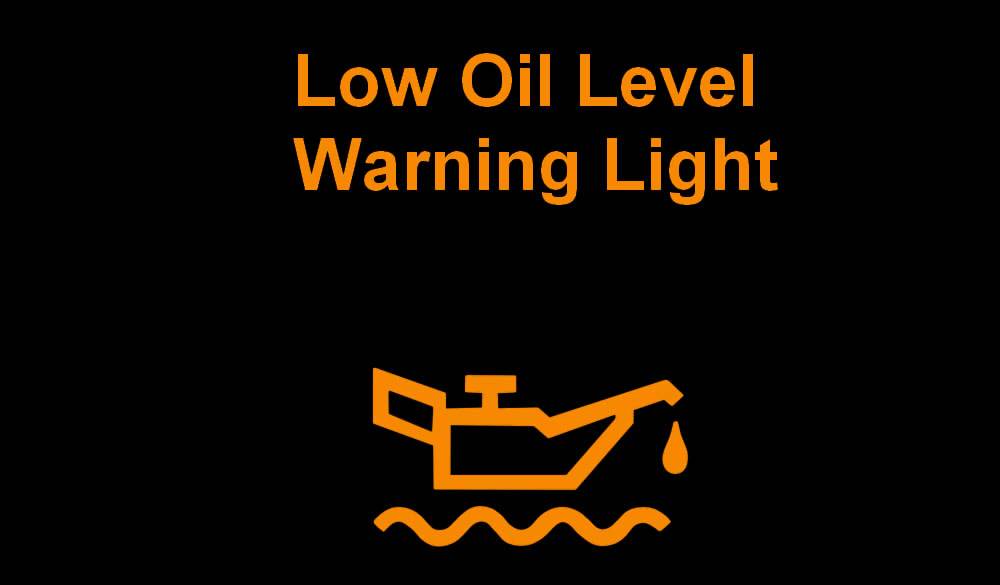
What Does the Yellow Oil Light Mean on a Subaru?
Seeing a yellow oil light on your Subaru dashboard can be unsettling, especially if you are unsure whether it signals a routine maintenance reminder or a potentially serious engine issue. Understanding the meaning behind this warning is the first step toward protecting your vehicle and avoiding unnecessary stress.
In most Subaru models, the yellow oil light functions as a maintenance indicator rather than an emergency warning. It is designed to remind drivers that the vehicle is approaching or has reached its recommended oil service interval. Depending on the model year and trim level, this reminder may be triggered by mileage, elapsed time, or the settings programmed into the maintenance system.
It is important to distinguish the yellow oil light from a red oil warning light. A yellow indicator generally suggests that service is due soon, allowing you time to schedule maintenance. A red oil warning light, on the other hand, often points to dangerously low oil pressure and requires immediate attention. Continuing to drive with a red oil warning could result in severe engine damage.
Many Subaru owners assume that the yellow warning light automatically turns off after an oil change. However, on certain models, the maintenance reminder must be reset manually. If this step is overlooked, the light may remain illuminated even though the oil has already been replaced.
Ignoring maintenance reminders can lead to delayed service intervals, increased engine wear, and reduced performance over time. By understanding what the yellow oil light represents, you can make informed decisions and ensure that your Subaru continues to operate reliably for years to come.
Did you know that some Subaru vehicles do not actively monitor oil quality? Instead, the reminder system follows preset maintenance schedules based on time and mileage, making regular service records especially important.
Things to Check Before Resetting the Subaru Yellow Oil Light
Before performing a Subaru Yellow Oil Light Reset, it is essential to verify that the warning is not related to an unresolved maintenance issue. Resetting the indicator without addressing the underlying cause may provide a false sense of security and could potentially allow more serious problems to go unnoticed.
Begin by confirming that the engine oil has actually been changed according to Subaru’s recommended maintenance schedule. If you recently purchased a used Subaru or are uncertain about the vehicle’s service history, reviewing maintenance records can help determine whether an oil change is overdue.
Next, inspect the engine oil level using the dipstick. Park the vehicle on a level surface and allow the engine to cool for several minutes before checking the oil. The oil level should fall within the designated range marked on the dipstick. Oil that is significantly below the recommended level may indicate consumption issues or leaks, while overfilling can also affect engine performance.
You should also verify that the correct oil type and viscosity have been used. Subaru engines are engineered to operate with specific oil specifications, and using an unsuitable product could compromise efficiency and protection. Refer to your owner’s manual to identify the manufacturer’s recommendations for your particular model.
Another important step involves checking for signs of oil leakage. Look underneath the vehicle for fresh oil spots and inspect the area around the oil filter and drain plug. Leaks that are left unresolved can eventually lead to low oil levels and trigger additional warning indicators.
If the vehicle exhibits unusual symptoms such as knocking noises, burning odors, decreased performance, or recurring warning lights, it is advisable to seek professional assistance rather than simply resetting the maintenance reminder.
Taking a few minutes to perform these checks ensures that the reset procedure reflects completed maintenance rather than masking a problem that requires attention.
Subaru Yellow Oil Light Reset for Models Equipped With a Touchscreen Display
Many newer Subaru vehicles feature an infotainment system that allows drivers to access maintenance settings directly through the touchscreen interface. If your Subaru is equipped with this technology, resetting the yellow oil light is often a simple process that requires only a few steps.
Start by parking the vehicle in a safe location and engaging the parking brake. Insert the key into the ignition or press the start button without pressing the brake pedal so that the electrical systems activate while the engine remains off.
Once the display screen powers on, navigate to the main menu and select the “Settings” option. Depending on your Subaru model and software version, you may need to choose “Vehicle,” “Car,” or “Maintenance” from the available menu categories.
Locate the section labeled “Engine Oil,” “Maintenance Schedule,” or a similar description related to service reminders. Within this menu, you should find an option that allows you to reset the oil maintenance notification.
Select the reset function and confirm your choice when prompted by the system. The display may ask you to verify that the required maintenance has been completed before proceeding. After confirmation, the maintenance interval will return to its default setting, and the yellow oil reminder should disappear.
Turn the ignition off and wait for several seconds before restarting the vehicle. Observe the instrument cluster to ensure that the warning indicator no longer appears. If the light remains illuminated, repeat the process carefully or consult the owner’s manual for model specific instructions.
This method commonly applies to newer versions of the Subaru Outback, Legacy, Ascent, and certain Forester trims equipped with advanced touchscreen systems. Since menu layouts may differ slightly between production years, always refer to the instructions relevant to your particular vehicle.
Completing the reset correctly allows the maintenance system to track future service intervals accurately, helping you maintain your Subaru according to the manufacturer’s recommendations.
How to Reset the Yellow Oil Light on a Subaru Forester
The procedure for performing a Subaru Yellow Oil Light Reset on a Forester depends largely on the model year and the type of dashboard interface installed in the vehicle. Fortunately, most Forester owners can complete the process without special diagnostic equipment.
For Subaru Forester models equipped with a touchscreen infotainment system, begin by turning the ignition to the ON position without starting the engine. Access the Settings menu on the center display and navigate to the Maintenance section. Select Engine Oil from the list of service items and choose the reset option. Confirm your selection when prompted. Once the reset is complete, turn the ignition off, restart the vehicle, and verify that the warning light has disappeared.
Owners of older Forester models may need to perform the reset through the multi information display located within the instrument cluster. Use the steering wheel controls to navigate through the menu until you reach the maintenance section. Locate the oil maintenance reminder, select the reset function, and confirm the action. The exact wording and menu structure can vary depending on the production year.
If the yellow oil light remains illuminated after completing the procedure, double check that the oil change interval was reset successfully. It is also worth reviewing the vehicle owner’s manual to ensure that the correct method was followed for your specific Forester model.
One common mistake among Subaru owners is attempting to reset the warning before confirming that routine maintenance has actually been completed. The reminder system is designed to support regular vehicle care, not replace it. By pairing timely oil changes with proper reset procedures, Forester owners can help extend engine life and maintain optimal performance.
How to Reset the Yellow Oil Light on a Subaru Outback
The Subaru Outback has evolved significantly over the years, and the oil light reset process differs between earlier and newer generations. Understanding which procedure applies to your vehicle can save time and eliminate unnecessary frustration.
For many Outback models manufactured before the introduction of larger touchscreen systems, the reset process typically involves accessing the maintenance settings through the instrument cluster display. With the ignition switched to the ON position, use the steering wheel buttons to navigate to the maintenance menu. Locate the oil change reminder and follow the prompts to reset the service interval.
Newer Subaru Outback models equipped with advanced infotainment systems offer a more user friendly approach. Turn on the vehicle’s electrical system without starting the engine, then open the Settings menu on the touchscreen display. Select the Maintenance category, choose Engine Oil, and proceed with the reset function. Confirm the action when requested by the system.
After completing the reset, cycle the ignition off and back on again. Observe the dashboard to confirm that the yellow oil light no longer appears. If the warning persists, revisit the maintenance settings to ensure that the reset was properly saved.
Some drivers become concerned when the warning returns shortly after the reset procedure. In these situations, it is important to determine whether the reminder was configured correctly or if an underlying issue such as an incorrect oil level or sensor malfunction requires attention.
The Subaru Outback is frequently used for long distance travel, outdoor adventures, and daily commuting. Staying proactive with maintenance reminders ensures that the vehicle remains dependable regardless of driving conditions or mileage demands.
How to Reset the Yellow Oil Light on a Subaru Crosstrek
As one of Subaru’s most popular compact crossover models, the Crosstrek incorporates maintenance reminder systems that help drivers keep track of essential services. Performing a Subaru Yellow Oil Light Reset on the Crosstrek is generally straightforward, although the exact steps may vary depending on the model year.
Begin by placing the vehicle in a safe, stationary position and turning the ignition to the ON setting without starting the engine. If your Crosstrek features a touchscreen interface, navigate to the Settings menu and access the Maintenance section. Select the engine oil reminder and choose the option to reset the service interval. Confirm the reset and allow the system to update the maintenance schedule.
For Crosstrek models equipped with a smaller multi function display, use the steering wheel controls to access the vehicle information menu. Scroll through the available settings until you locate the maintenance reminder screen. Highlight the oil service item and follow the on screen instructions to reset the notification.
Once the procedure is complete, restart the vehicle and check the instrument panel carefully. The yellow oil warning should no longer be present. If the light continues to appear, repeat the process to ensure that each step was performed correctly.
Drivers should remember that resetting the warning light does not improve oil condition or address mechanical concerns. The reset simply informs the vehicle’s maintenance tracking system that the required service has been completed.
The Crosstrek is often chosen for its versatility, fuel efficiency, and capability in varying road conditions. Maintaining accurate service records and responding promptly to maintenance reminders can help owners preserve these qualities while minimizing the risk of preventable engine wear.
Why Does the Yellow Oil Light Stay On After a Reset?
Completing a Subaru Yellow Oil Light Reset should normally clear the maintenance reminder from the dashboard. However, some drivers discover that the warning remains illuminated or reappears shortly after the reset process. When this happens, it is important to identify the root cause rather than repeatedly resetting the system.
One of the most common explanations is that the reset procedure was not completed correctly. Subaru maintenance menus can vary significantly between models and production years. Missing a confirmation step or selecting the wrong maintenance item may prevent the system from updating successfully.
Another possibility is that the engine oil level falls outside the recommended range. Oil that is too low can trigger warning indicators and increase the risk of engine wear. Conversely, excessive oil can also create operational concerns that should be addressed promptly. Checking the oil level with the dipstick remains one of the simplest and most effective troubleshooting steps.
Using an incorrect oil specification may also contribute to ongoing warning messages. Subaru engineers design their engines to operate with specific oil grades and formulations. Choosing products that do not meet the manufacturer’s recommendations can negatively affect performance and may lead to maintenance concerns over time.
In some situations, the issue may involve a malfunctioning sensor or an electrical fault within the vehicle’s monitoring system. Damaged wiring, faulty connectors, or aging components can interfere with the communication between the engine and the dashboard warning system.
If the yellow oil light continues to appear despite proper maintenance and repeated reset attempts, professional diagnostic testing may be necessary. Modern Subaru vehicles rely on complex electronic systems that sometimes require specialized equipment to identify hidden faults accurately.
Repeatedly dismissing the warning without understanding its cause can lead to missed maintenance intervals or delayed repairs. Taking the time to investigate persistent alerts helps ensure that your Subaru remains safe, reliable, and ready for everyday driving.
When Should You Take Your Subaru to a Service Center?
Although many Subaru owners can successfully perform a yellow oil light reset at home, there are circumstances in which professional evaluation becomes essential. Knowing when to seek expert assistance can help prevent minor concerns from developing into major mechanical failures.
If the warning light changes from yellow to red, immediate action is required. A red oil warning light often indicates low oil pressure, which can compromise lubrication within the engine. Continuing to drive under these conditions may result in severe engine damage and expensive repairs.
Unusual engine noises should never be ignored. Knocking, ticking, or grinding sounds may suggest that internal components are not receiving adequate lubrication. These symptoms deserve prompt inspection by a qualified technician.
Drivers should also pay attention to changes in vehicle performance. Difficulty accelerating, unexpected power loss, rough engine operation, or excessive exhaust smoke can all point to issues that extend beyond a routine maintenance reminder.
Visible oil leaks represent another important warning sign. Fresh oil spots beneath the vehicle or evidence of leakage around the oil filter and drain plug should be addressed as soon as possible. Ignoring leaks can eventually lead to critically low oil levels.
If the yellow oil light repeatedly returns within a short period after successful resets and recent maintenance, further diagnostic testing is advisable. Persistent alerts may indicate sensor malfunctions or other underlying problems that require specialized attention.
Seeking professional assistance does not necessarily mean that a major repair is inevitable. In many cases, technicians can quickly identify simple causes and restore normal operation. Acting early often reduces repair costs and minimizes inconvenience.
Routine maintenance and timely inspections remain two of the most effective ways to maximize the lifespan of your Subaru. By responding appropriately to warning indicators, you can enjoy greater confidence every time you get behind the wheel.
Frequently Asked Questions About Subaru Yellow Oil Light Reset
Is it safe to drive with the yellow oil light on?
In many Subaru models, the yellow oil light serves as a maintenance reminder rather than an emergency warning. While short term driving may be acceptable, you should verify the oil level and confirm whether scheduled service is due. If you notice unusual symptoms such as engine noise or reduced performance, arrange for an inspection promptly.
Can I reset the yellow oil light myself?
Yes. Most Subaru owners can perform the reset procedure using either the touchscreen display or the instrument cluster controls. The process typically requires only a few minutes and does not involve specialized tools.
Will resetting the oil light fix engine problems?
No. Resetting the maintenance reminder only clears the service notification from the dashboard. It does not resolve mechanical issues, repair faulty sensors, or correct low oil pressure conditions. Any underlying problems must be diagnosed and repaired separately.
How often should I change the oil in my Subaru?
The recommended interval varies according to the model, engine type, and driving conditions. Always consult your owner’s manual for manufacturer guidelines. Drivers who frequently encounter heavy traffic, extreme temperatures, or demanding road conditions may benefit from more frequent oil changes.
Why did the yellow oil light return after an oil change?
Several factors could contribute to this situation. The maintenance reminder may not have been reset correctly, the oil level may be outside the recommended range, or the vehicle could be experiencing a sensor related issue. Persistent warnings should be evaluated by a qualified technician.
Does resetting the oil reminder erase diagnostic trouble codes?
No. The maintenance reminder system operates independently from the engine diagnostic system. Resetting the oil light will not clear check engine codes or other fault information stored within the vehicle’s computer.
Can I ignore the yellow oil light if my Subaru seems to run normally?
Ignoring maintenance reminders is not recommended. Even if the vehicle appears to operate without issues, delayed oil changes can contribute to increased engine wear and reduced long term reliability. Addressing service notifications promptly helps maintain your Subaru’s performance and efficiency.
Conclusion
Performing a Subaru Yellow Oil Light Reset is often a quick and simple task that many owners can complete at home. Whether you drive a Subaru Forester, Outback, Crosstrek, Legacy, or Ascent, understanding how the maintenance reminder system works can save valuable time and eliminate unnecessary trips to the dealership.
However, resetting the warning light should never replace proper vehicle maintenance. Before clearing the notification, always confirm that the oil has been changed according to Subaru’s recommended service intervals and that the engine oil level falls within the appropriate range. Taking these precautions helps ensure that the reset accurately reflects completed maintenance rather than masking a problem that requires attention.
It is equally important to recognize the difference between a yellow maintenance reminder and a red oil warning light. While the yellow indicator generally signals that scheduled service is due, a red warning light may point to a more serious condition involving oil pressure and demands immediate action. Paying attention to these distinctions can help protect your engine from avoidable damage.
Regular oil changes remain one of the most effective ways to preserve engine performance, improve reliability, and extend the lifespan of your Subaru. By staying informed about dashboard warnings and responding to them appropriately, you can enjoy greater peace of mind and confidence every time you drive.
If you have experienced issues with a Subaru oil warning light that would not reset, consider consulting your owner’s manual or seeking advice from a certified technician. Addressing concerns early often prevents larger and more expensive repairs in the future.
Understanding your vehicle’s maintenance system is not just about turning off a dashboard light. It is about taking an active role in protecting your investment and ensuring that your Subaru continues to deliver the dependable performance for which it is known.