There is never a convenient time for your Subaru’s air conditioning system to stop working. Whether you are commuting to work, taking a family road trip, or simply running errands on a hot summer day, discovering that your AC is blowing warm air can quickly turn a comfortable drive into a frustrating experience.
Although Subaru vehicles have earned a reputation for durability and all weather capability, they are not immune to air conditioning issues. Over time, components such as the compressor, condenser, cooling fans, and refrigerant lines can wear out or develop faults that compromise the system’s performance. Unfortunately, many drivers ignore the early warning signs until a minor issue becomes a costly repair.
The good news is that many Subaru air conditioning problems can be identified before they escalate. Understanding the most common symptoms, their underlying causes, and the available repair options can help you make informed decisions and potentially save hundreds of dollars in unnecessary expenses.
In this guide, we will explore the most common Subaru air conditioning problems, explain how to diagnose them, and provide practical solutions to restore your vehicle’s cooling performance and keep you comfortable behind the wheel.
How Subaru Air Conditioning Systems Work
Before diving into specific problems, it helps to understand how Subaru’s air conditioning system operates. Knowing the basic function of each component makes it easier to recognize symptoms and communicate effectively with a mechanic if repairs become necessary.
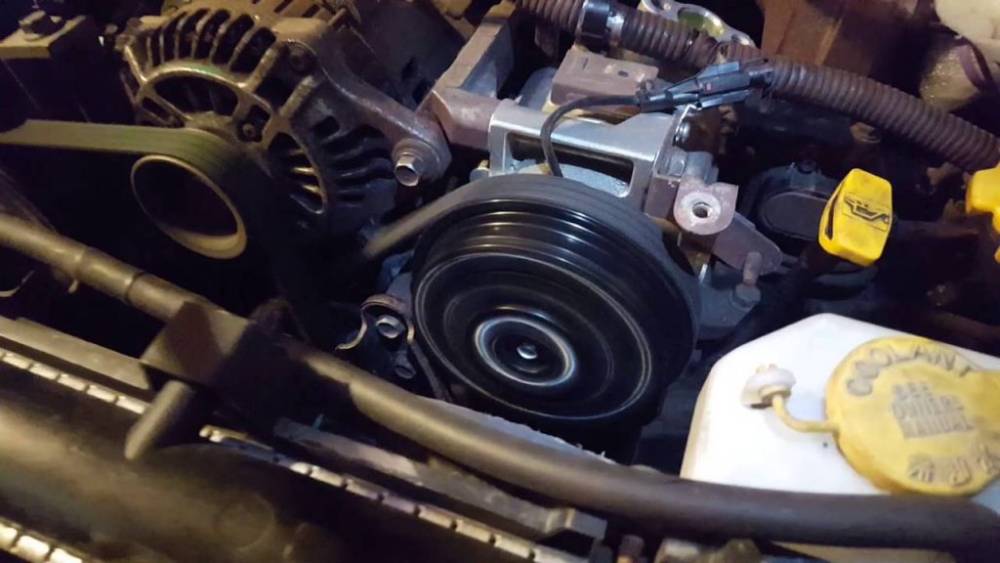
The process begins with the AC compressor, often referred to as the heart of the system. The compressor pressurizes the refrigerant and circulates it throughout the air conditioning system. From there, the refrigerant travels to the condenser, which is typically located near the front of the vehicle. The condenser releases heat absorbed from the cabin and converts the refrigerant into a high pressure liquid.
Next, the refrigerant passes through the expansion valve, where its pressure drops significantly. This process allows the refrigerant to cool rapidly before entering the evaporator. As warm cabin air moves across the evaporator, heat is absorbed, producing the cool air that flows through the dashboard vents.
Several supporting components also contribute to proper operation. Cooling fans help regulate temperatures within the system, while sensors monitor pressure levels to ensure safe performance. Even the cabin air filter plays an important role by maintaining adequate airflow.
When one of these components begins to fail, the entire system can suffer. Understanding how these parts work together provides valuable insight when diagnosing common Subaru air conditioning problems.
1. AC Blowing Warm Air
One of the most common Subaru air conditioning problems is an AC system that blows warm or mildly cool air instead of delivering the refreshing temperatures drivers expect. In many cases, this issue develops gradually, with the cooling performance becoming weaker over time. In other situations, the change happens suddenly, leaving owners wondering what went wrong.
Low refrigerant levels are among the leading causes of this problem. Refrigerant naturally circulates within a sealed system, so if levels drop significantly, a leak is often present. Damaged hoses, worn seals, and punctured condensers are all potential sources of refrigerant loss. A failing compressor may also prevent the system from properly pressurizing and distributing refrigerant.
Drivers may notice that the airflow remains strong, yet the air itself never reaches a comfortable temperature. Others report that the AC works intermittently or only provides cool air under certain driving conditions.
The appropriate solution depends on the underlying cause. If refrigerant levels are low due to a small leak, repairing the affected component and recharging the system may restore normal operation. However, if the compressor has failed internally, replacement may be required to prevent further contamination throughout the system.
Ignoring warm air symptoms can lead to more extensive repairs. Addressing the issue early not only improves driving comfort but may also reduce long term repair costs.
2. AC Compressor Failure
The AC compressor is responsible for circulating refrigerant throughout the air conditioning system. Because of its critical role, compressor failure is often associated with some of the most expensive Subaru air conditioning repairs.
Several warning signs may indicate a failing compressor. Drivers frequently report unusual clicking, grinding, or squealing noises when the air conditioning system is activated. Others notice that the compressor clutch no longer engages, resulting in a complete loss of cooling performance. In severe cases, the AC system may stop functioning altogether.
Compressor failure can occur for a variety of reasons. Internal wear becomes more likely as vehicles accumulate mileage. Refrigerant leaks may reduce lubrication within the system, accelerating component deterioration. Contamination caused by metal debris can also damage internal compressor parts and spread throughout the AC system.
Repair options depend largely on the extent of the damage. Minor electrical issues affecting clutch operation may be resolved without replacing the entire compressor assembly. However, compressors that have suffered internal failure typically require full replacement. Technicians may also recommend flushing the refrigerant lines and replacing additional components to ensure that contaminants do not compromise the new unit.
Although compressor replacement can be costly, postponing necessary repairs may lead to even greater expenses. Early diagnosis remains one of the most effective ways to protect both the air conditioning system and your wallet.
3. Refrigerant Leaks
Refrigerant leaks are among the most frequently reported Subaru air conditioning problems, and they can significantly reduce the effectiveness of the entire cooling system. Because the refrigerant circulates within a sealed environment, any noticeable decrease in cooling performance often indicates that the system is no longer holding pressure as intended.
One of the earliest signs of a refrigerant leak is that the air conditioning system gradually loses its ability to produce cold air. Drivers may initially notice that the cabin takes longer to cool down, especially during extremely hot weather. Over time, the air from the vents may become only slightly cool or completely warm. Some vehicle owners also discover oily residue around hoses, fittings, or AC components, which can point to escaping refrigerant mixed with compressor oil.
Leaks can develop in several areas, including rubber hoses, O rings, the condenser, and the evaporator core. Exposure to road debris, age related wear, and corrosion can all contribute to damage that allows refrigerant to escape.
Proper diagnosis is essential because simply adding more refrigerant without addressing the source of the leak will only provide temporary relief. Professional technicians often use ultraviolet dye, electronic leak detectors, or pressure testing equipment to identify the exact location of the problem. Once the damaged component has been repaired or replaced, the system can be evacuated and recharged according to manufacturer specifications.
Addressing refrigerant leaks promptly helps maintain cooling efficiency, protects the compressor from unnecessary strain, and reduces the likelihood of more expensive repairs in the future.
4. Clogged or Dirty Cabin Air Filter
Sometimes, what appears to be a major air conditioning malfunction can actually be traced back to a simple maintenance issue. A clogged cabin air filter is one of the easiest Subaru air conditioning problems to overlook, yet it can have a noticeable impact on comfort and airflow inside the vehicle.
The cabin air filter is designed to trap dust, pollen, leaves, and other airborne contaminants before they enter the passenger compartment. Over time, these particles accumulate within the filter material, restricting airflow through the ventilation system. As a result, drivers may experience weaker airflow from the vents even when the fan is operating at higher settings.
A dirty cabin air filter may also contribute to unpleasant odors circulating through the interior. In some cases, excess moisture trapped within the filter can encourage mold or mildew growth, creating an unpleasant smell whenever the air conditioning system is activated.
Fortunately, replacing the cabin air filter is typically straightforward and relatively inexpensive. Many Subaru owners choose to perform this maintenance task themselves by following the instructions outlined in their owner’s manual. Regular replacement intervals vary depending on driving conditions, but vehicles frequently operated in dusty environments may require more frequent attention.
Although replacing a cabin air filter will not solve every cooling issue, it is often one of the first and simplest steps to take when diagnosing reduced AC performance. Maintaining a clean filter helps improve airflow, enhances passenger comfort, and supports the overall efficiency of the climate control system.
5. Condenser Damage
The condenser plays a crucial role in the air conditioning process by releasing heat absorbed from inside the vehicle. Positioned near the front of the Subaru, it is exposed to road conditions that can sometimes lead to damage. As a result, condenser related issues represent another common source of Subaru air conditioning problems.
Drivers experiencing condenser problems may notice that their AC system struggles to maintain cool temperatures, particularly when idling in traffic. Some individuals observe a steady decline in cooling performance, while others experience a sudden loss of cold air if the condenser develops a significant refrigerant leak.
Physical damage caused by rocks, gravel, or other road debris is one of the most common reasons condensers fail. Corrosion can also weaken the metal over time, particularly in regions where road salt is used extensively during winter months. Because the condenser is connected directly to the refrigerant system, even a small puncture can compromise its ability to function properly.
A visual inspection may reveal bent fins, signs of impact damage, or oily residue associated with refrigerant leakage. However, confirming the extent of the problem often requires professional evaluation and specialized equipment.
When a condenser has sustained substantial damage, replacement is generally the most effective solution. Although repair costs can vary depending on the Subaru model and labor requirements, restoring the condenser’s functionality is essential for maintaining reliable cooling performance.
Routine inspections and keeping the front grille area free from debris may help minimize the risk of future condenser related problems and extend the lifespan of the air conditioning system.
6. Faulty Cooling Fans
Cooling fans are essential to the performance of your Subaru’s air conditioning system. Their primary function is to move air across the condenser, helping dissipate heat and ensuring the refrigerant can effectively cool the cabin. When these fans fail to operate properly, drivers may notice a significant decline in AC performance, particularly during low speed driving or while sitting in traffic.
One of the most common symptoms of faulty cooling fans is an air conditioning system that works well at highway speeds but struggles to deliver cold air when the vehicle is stationary. Because natural airflow increases as the vehicle moves, the condenser may still function adequately on the open road. However, without assistance from the cooling fans, heat can build up quickly during stop and go conditions.
Several factors can contribute to cooling fan failure. Worn fan motors, defective relays, blown fuses, damaged wiring, or malfunctioning temperature sensors may all interfere with normal operation. In some cases, the fans may run intermittently, making diagnosis more challenging.
Drivers should also pay attention to rising engine temperatures, as cooling fan issues can affect both the air conditioning system and engine cooling performance. Ignoring these warning signs may increase the risk of overheating and additional mechanical complications.
Repair procedures vary depending on the root cause of the problem. Electrical testing can help identify faulty relays or wiring concerns, while damaged fan assemblies often require replacement. Addressing cooling fan issues promptly can restore AC efficiency and prevent more serious problems from developing.
7. Electrical and Sensor Problems
Modern Subaru vehicles rely on a network of electrical components and sensors to regulate air conditioning performance. While these systems improve efficiency and comfort, they can also introduce additional points of failure. Electrical and sensor related issues are therefore among the more difficult Subaru air conditioning problems to diagnose without specialized equipment.
Unlike refrigerant leaks or clogged filters, electrical faults often produce inconsistent symptoms. Drivers may notice that the air conditioning system works perfectly one day and fails the next. Climate control buttons may become unresponsive, cooling performance may fluctuate unexpectedly, or the compressor may shut down without warning.
Several components can contribute to these issues. Blown fuses may interrupt power to essential AC functions. Faulty pressure switches can send incorrect information to the vehicle’s control module, preventing normal compressor operation. Damaged wiring harnesses, corroded electrical connections, and malfunctioning temperature sensors can also interfere with system performance.
Because multiple components communicate with one another, accurate diagnosis is critical. Technicians often rely on scan tools, multimeters, and manufacturer specific procedures to isolate the source of the problem. Attempting to replace parts based solely on guesswork can lead to unnecessary expenses without resolving the issue.
Although electrical repairs can vary widely in complexity and cost, identifying the problem early improves the chances of a straightforward repair. Addressing intermittent symptoms promptly may help prevent complete system failure and reduce long term maintenance costs.
Warning Signs You Should Never Ignore
Air conditioning systems rarely fail without providing some form of advance warning. Recognizing these early symptoms can help Subaru owners address minor concerns before they evolve into expensive repairs.
One of the most obvious warning signs is a gradual reduction in cooling performance. If your Subaru no longer cools the cabin as quickly as it once did, the issue should not be dismissed as a normal consequence of aging. Declining performance often points to refrigerant leaks, compressor wear, or airflow restrictions.
Unusual noises deserve immediate attention as well. Clicking, squealing, grinding, or rattling sounds when the air conditioning system is activated may indicate compressor problems or failing components that require inspection. Continuing to operate the system under these conditions can worsen existing damage.
Strange odors coming from the vents should also be investigated. Musty smells frequently suggest mold growth within the ventilation system or a heavily contaminated cabin air filter. Addressing these concerns improves both passenger comfort and cabin air quality.
Drivers should additionally monitor whether cooling performance changes based on vehicle speed. Air that remains cold while driving but becomes warm at idle may signal cooling fan problems or condenser inefficiencies.
Finally, any signs of moisture accumulation inside the cabin should not be ignored. Water leaks near the passenger side floor area may indicate blocked drain lines that require cleaning to prevent further complications.
Paying attention to these warning signs allows Subaru owners to take proactive action, minimize repair expenses, and maintain reliable comfort throughout the year.
DIY Checks Before Visiting a Mechanic
Experiencing air conditioning problems does not always mean an immediate trip to the repair shop is necessary. While certain issues require professional diagnosis, Subaru owners can perform several basic inspections that may help identify the source of the problem and potentially save time and money.
Start by checking the cabin air filter. A heavily clogged filter can restrict airflow and reduce cooling efficiency. Replacing the filter is often simple and inexpensive, making it one of the first maintenance items worth addressing.
Next, inspect the relevant fuses associated with the air conditioning system. A blown fuse may interrupt power to important components, including cooling fans and climate control circuits. Your owner’s manual can help locate the appropriate fuse box and identify the correct fuse positions.
With the engine running and the air conditioning turned on, observe whether the compressor clutch engages. If the clutch fails to activate, the issue could involve electrical faults, low refrigerant pressure, or compressor related problems. However, further testing should be left to qualified technicians.
Drivers can also pay attention to how the system behaves under different operating conditions. For example, if the AC performs better at highway speeds than in traffic, cooling fan problems may be present. Identifying these patterns can provide valuable information during professional diagnosis.
Although these preliminary checks may uncover simple issues, refrigerant handling and advanced electrical testing should always be performed by trained professionals equipped with the appropriate tools and safety procedures.
Subaru AC Repair Cost Overview
Understanding potential repair costs can help Subaru owners prepare financially and make informed decisions when air conditioning problems arise. The final expense depends on the specific component involved, labor rates in your area, and the model and age of the vehicle.
Replacing a cabin air filter represents one of the least expensive maintenance tasks associated with the AC system. Refrigerant recharging services generally fall within a moderate price range, although additional costs may apply if leaks must be diagnosed and repaired beforehand.
Leak detection procedures often require specialized equipment, including ultraviolet dye systems and electronic detection devices. Because technicians must identify the precise location of refrigerant loss, labor expenses can vary depending on the complexity of the repair.
Cooling fan replacement costs typically reflect the price of the fan assembly and the labor required for installation. Condenser replacement may involve higher expenses, particularly if refrigerant evacuation and system recharging are necessary as part of the process.
Among the most costly repairs is compressor replacement. Since compressor failure can contaminate other parts of the air conditioning system, technicians may recommend replacing additional components or flushing refrigerant lines to ensure long term reliability.
Electrical diagnostics present another variable expense. Simple issues such as blown fuses may be resolved quickly, while locating intermittent wiring faults can require extensive testing.
Although repair costs differ from one situation to another, addressing problems promptly often reduces the likelihood of more extensive damage and larger repair bills in the future.
How to Prevent Subaru Air Conditioning Problems
Preventive maintenance remains one of the most effective ways to avoid unexpected air conditioning failures. While no system lasts forever, adopting a few simple habits can significantly improve reliability and extend the lifespan of key components.
Running the air conditioning system regularly is an important practice, even during cooler seasons. Periodic operation helps maintain proper lubrication within the compressor and keeps seals from drying out prematurely. Allowing the system to sit unused for extended periods may contribute to deterioration over time.
Replacing the cabin air filter according to Subaru’s recommended maintenance schedule supports healthy airflow and reduces strain on the ventilation system. Drivers who frequently travel on dusty roads may benefit from more frequent inspections and replacements.
Prompt attention to minor symptoms can also prevent major repairs. Weak cooling performance, unusual noises, and intermittent operation should never be ignored. Addressing these concerns early often limits damage and lowers repair costs.
Keeping the area around the front grille free from leaves, dirt, and debris may help protect the condenser and promote efficient heat dissipation. Routine vehicle inspections provide opportunities to identify potential issues before they become serious.
Following the maintenance recommendations outlined in your Subaru owner’s manual remains one of the best strategies for preserving overall system performance. Consistent care not only improves comfort during hot weather but also contributes to long term ownership satisfaction.
Frequently Asked Questions
Why is my Subaru AC blowing hot air?
Warm air can result from several issues, including low refrigerant levels, refrigerant leaks, compressor failure, condenser damage, or electrical malfunctions. Accurate diagnosis is necessary to determine the exact cause.
How often should a Subaru air conditioning system be serviced?
There is no universal interval for complete AC servicing. However, regular vehicle maintenance visits provide an excellent opportunity to inspect system performance and address minor concerns before they escalate.
Can I recharge my Subaru’s refrigerant myself?
While refrigerant recharge kits are available, improper handling may lead to inaccurate refrigerant levels or missed leak diagnoses. Professional service is generally recommended to ensure the system operates safely and efficiently.
How long does a Subaru AC compressor typically last?
Compressor lifespan varies depending on driving habits, maintenance practices, and environmental conditions. Many compressors provide years of reliable service, although wear becomes more common as mileage increases.
Is repairing Subaru air conditioning problems expensive?
Costs depend on the nature of the repair. Simple maintenance items may involve minimal expense, whereas compressor replacement and extensive leak repairs can be significantly more costly. Early diagnosis often helps minimize overall expenses.
Conclusion
Subaru air conditioning problems can range from relatively minor maintenance concerns to more complex mechanical failures. Understanding the symptoms associated with common issues such as refrigerant leaks, compressor failure, condenser damage, clogged cabin air filters, and electrical faults allows vehicle owners to respond quickly and confidently.
Ignoring early warning signs often leads to more extensive repairs and higher costs. By paying attention to changes in cooling performance, unusual noises, inconsistent operation, and other indicators of trouble, Subaru drivers can take proactive steps to protect both their comfort and their investment.
Routine maintenance plays an equally important role in preserving air conditioning performance. Simple practices such as replacing cabin air filters, operating the AC system regularly, and scheduling timely inspections can contribute to long term reliability.
Whether you prefer handling basic maintenance tasks yourself or rely on professional technicians for advanced repairs, staying informed about common Subaru air conditioning problems empowers you to make better decisions. With proper care and prompt attention to emerging issues, your Subaru can continue delivering the cool and comfortable driving experience you expect throughout every season.