Few dashboard warnings are as frustrating as the Tire Pressure Monitoring System (TPMS) light that refuses to turn off. You check your tire pressure, inflate all four tires to the recommended level, and yet the warning light remains illuminated. If you own a Subaru, there’s a good chance that a failing TPMS sensor is the real cause of the problem.
TPMS sensors are designed to continuously monitor tire pressure and alert drivers when a tire becomes underinflated. This safety feature helps improve vehicle handling, fuel efficiency, and tire longevity. However, like any electronic component, TPMS sensors have a limited lifespan. Most Subaru TPMS sensors rely on sealed batteries that eventually wear out, requiring the entire sensor to be replaced.
Many Subaru owners assume that TPMS sensor replacement requires an expensive trip to the dealership. Fortunately, with the right tools, a basic understanding of tire service procedures, and a little patience, replacing a Subaru TPMS sensor can be a manageable DIY project.
In this comprehensive guide, you’ll learn how to identify a faulty TPMS sensor, gather the necessary tools and replacement parts, perform a Subaru TPMS sensor replacement step by step, and complete the relearn process required for many Subaru models. Whether you drive a Forester, Outback, Crosstrek, WRX, Impreza, Legacy, or Ascent, this guide will help you restore your TPMS system and keep your Subaru operating safely.
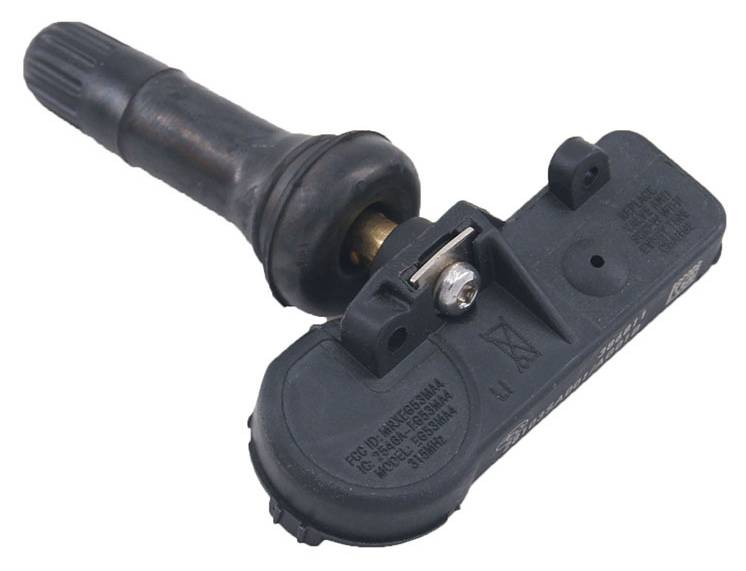
Understanding Subaru TPMS Sensors
What Is a TPMS Sensor?
The Tire Pressure Monitoring System (TPMS) is an important safety feature found in modern Subaru vehicles. Its primary purpose is to monitor the air pressure inside each tire and alert the driver when pressure drops below the manufacturer’s recommended level. Proper tire pressure contributes to better vehicle handling, improved fuel economy, reduced tire wear, and enhanced overall safety.
Most Subaru models use a direct TPMS system. Unlike indirect systems that estimate tire pressure through wheel speed sensors, direct TPMS systems use individual sensors mounted inside each wheel. These sensors measure tire pressure in real time and transmit the data wirelessly to the vehicle’s control module. When the system detects abnormal pressure levels or loses communication with a sensor, it triggers a warning light on the dashboard.
Because the sensors are constantly transmitting data, they rely on built in batteries that operate throughout the life of the sensor. Once the battery reaches the end of its service life, the sensor can no longer communicate effectively with the vehicle, leading to warning lights and inaccurate readings.
Why TPMS Sensors Fail
Several factors can contribute to TPMS sensor failure. The most common cause is battery depletion. Since the batteries inside most OEM TPMS sensors are sealed and not designed for replacement, the entire sensor must be replaced once the battery dies.
Physical damage is another common issue. TPMS sensors can be accidentally damaged during tire mounting, tire rotation, or wheel repair procedures. Improper handling of tire changing equipment can crack sensor housings or damage valve stems.
Corrosion also plays a role, particularly in regions where roads are treated with salt during winter. Moisture and road chemicals can corrode metal valve stems and internal components, reducing sensor reliability. In some cases, worn seals and valve stem components may allow air leaks to develop around the sensor assembly.
Extreme temperatures, harsh driving conditions, and impacts from potholes can further shorten sensor lifespan. Understanding these potential failure causes can help Subaru owners identify issues before they lead to larger problems.
Typical Lifespan of Subaru TPMS Sensors
Most Subaru TPMS sensors last between five and ten years under normal driving conditions. Battery life is the primary factor that determines sensor longevity. Vehicles driven frequently may experience slightly faster battery depletion because the sensors transmit data more often.
Several factors can influence sensor lifespan, including climate, mileage, road conditions, and maintenance practices. Drivers who regularly encounter rough roads, extreme temperatures, or frequent tire service procedures may experience earlier sensor failures.
As sensors age, warning signs often begin to appear. These may include intermittent TPMS warning lights, delayed pressure updates, inaccurate readings, or communication errors during diagnostic scans. If your Subaru is approaching the ten year mark and still has its original sensors, replacement may soon become necessary even if no warning light is currently present.
Understanding how TPMS sensors work and why they fail provides a strong foundation before beginning a Subaru TPMS sensor replacement project.
Signs Your Subaru TPMS Sensor Needs Replacement
TPMS Warning Light Remains On
One of the clearest indicators of a failing TPMS sensor is a warning light that remains illuminated even after all tires have been inflated to the correct pressure. In many cases, drivers initially assume they have a puncture or slow leak. However, when tire pressures are verified and the warning persists, a defective sensor becomes a likely suspect.
Some Subaru models display a flashing TPMS light before the light remains steadily illuminated. This flashing pattern often indicates a communication problem within the TPMS system rather than an actual tire pressure issue.
Inaccurate Tire Pressure Readings
Faulty sensors may provide incorrect pressure information to the vehicle. You may notice one tire consistently showing lower or higher pressure than the actual measured value. In some situations, pressure readings may fluctuate unexpectedly while driving.
Inaccurate readings can reduce the effectiveness of the TPMS system and make it difficult to identify genuine tire pressure problems. Replacing a malfunctioning sensor restores accurate monitoring and improves overall driving safety.
Sensor Communication Errors
During diagnostic testing, technicians may discover that one or more sensors fail to communicate with the TPMS control module. This commonly occurs when internal batteries become weak or when electronic components inside the sensor begin to fail.
A diagnostic scan tool can often identify which specific wheel contains the faulty sensor. This information simplifies troubleshooting and prevents unnecessary replacement of functioning components.
Sensor Battery Failure
Battery failure is the most common reason Subaru TPMS sensors require replacement. Because the battery is integrated into the sensor housing, replacing the battery alone is typically not possible. Once the battery reaches the end of its lifespan, installing a new TPMS sensor becomes the only practical solution.
If your Subaru is more than six or seven years old and the TPMS warning light has appeared unexpectedly, battery failure should be considered one of the first potential causes.
Tools and Parts Needed for Subaru TPMS Sensor Replacement
Essential Tools
Before beginning the replacement process, gather all necessary tools to ensure the job proceeds safely and efficiently. At minimum, you will need a vehicle jack, jack stands, a lug wrench, a valve core removal tool, a tire pressure gauge, and a torque wrench.
Because the TPMS sensor is mounted inside the wheel, access requires partial tire dismounting. Depending on your setup, you may need professional tire changing equipment or specialized tire service tools capable of safely breaking the tire bead without damaging the wheel.
A TPMS scan tool can also be extremely valuable. These devices help verify sensor operation, read sensor IDs, and assist with relearn procedures after installation.
Choosing the Right Replacement Sensor
Selecting the correct replacement sensor is critical for proper system operation. Subaru vehicles may use different sensor frequencies and communication protocols depending on model year and market region.
OEM sensors offer factory level compatibility and often arrive preconfigured for specific Subaru applications. They provide reliable performance and minimize the risk of programming issues.
High quality aftermarket sensors can also be an excellent choice. Many aftermarket options are programmable and support multiple Subaru models, often at a lower cost than OEM components. However, it is important to verify compatibility before purchase.
Additional Replacement Components
Whenever a TPMS sensor is replaced, it is generally recommended to install a new service kit. These kits typically include valve cores, sealing washers, nuts, grommets, and valve caps. Replacing these wear items helps prevent future air leaks and ensures proper sealing.
Investing in fresh seals and hardware is inexpensive compared to the labor involved in accessing the sensor again later. This small additional cost can significantly improve long term reliability and reduce the risk of repeat tire service.
Subaru TPMS Sensor Replacement Step by Step
Replacing a Subaru TPMS sensor requires careful attention to detail because the sensor is mounted inside the wheel assembly. While the procedure is straightforward for experienced DIY enthusiasts, proper preparation is essential to avoid damaging the tire, wheel, or new sensor.
Step 1: Prepare the Vehicle
Park your Subaru on a flat, stable surface and engage the parking brake. Turn off the ignition and place wheel chocks behind the tires that will remain on the ground. Before lifting the vehicle, slightly loosen the lug nuts on the wheel where the TPMS sensor will be replaced.
Consult your owner’s manual to locate the correct lifting points for your specific Subaru model. Raise the vehicle using a suitable floor jack and secure it with jack stands before removing the wheel completely.
Step 2: Remove the Wheel and Deflate the Tire
After removing the wheel assembly, remove the valve cap and use a valve core removal tool to release all air from the tire. Complete deflation is necessary before breaking the tire bead. Attempting to separate the tire from the wheel while pressure remains inside can be dangerous and may damage components.
Once the tire is fully deflated, position the wheel on a clean work surface to prevent scratches or contamination.
Step 3: Break the Tire Bead
Using a tire changer or bead-breaking tool, carefully separate the tire bead from the wheel. Focus on the area opposite the TPMS sensor location first to reduce the risk of accidental damage.
The goal is not to completely remove the tire from the wheel. In most cases, creating enough space to access the sensor is sufficient. Work slowly and avoid excessive force that could damage the tire sidewall or wheel finish.
Step 4: Remove the Old TPMS Sensor
Locate the TPMS sensor attached to the valve stem inside the wheel. Depending on the design, the sensor may be secured with a retaining nut on the exterior of the wheel.
Remove the retaining nut and carefully withdraw the sensor assembly from the wheel. Inspect the mounting area for corrosion, dirt, or damage that could affect the installation of the new sensor.
Take note of the original sensor orientation before removal. Installing the replacement sensor in the correct position helps ensure accurate pressure readings and proper clearance within the wheel.
Step 5: Install the New TPMS Sensor
Insert the new TPMS sensor through the valve stem opening and position it according to the manufacturer’s specifications. Install any supplied seals, washers, and grommets exactly as directed by the sensor manufacturer.
Tighten the retaining nut using a torque wrench and follow the recommended torque specification. Over tightening can damage the sensor housing or sealing components, while under tightening may result in air leaks.
Double check that the sensor sits securely against the wheel and does not interfere with the tire bead.
Step 6: Reinstall the Tire and Inflate
Reposition the tire bead onto the wheel and use tire service equipment to reseat the bead. Inflate the tire gradually until it reaches the recommended pressure listed on the driver’s door jamb sticker.
Apply a leak detection solution around the valve stem and bead area to verify that no air leaks are present. Even a small leak can trigger future TPMS warnings and reduce tire performance.
Step 7: Reinstall the Wheel
Mount the wheel back onto the vehicle and hand tighten the lug nuts. Lower the vehicle carefully and use a torque wrench to tighten the lug nuts to Subaru’s specified torque values.
Once the wheel is secure, verify tire pressure one final time before proceeding to the relearn process.
Subaru TPMS Relearn Procedure After Replacement
Installing a new TPMS sensor is only part of the job. Many Subaru models require a relearn procedure so the vehicle can recognize the new sensor ID and communicate correctly with the replacement component.
Why Relearning Is Important
Each TPMS sensor contains a unique identification code. When a new sensor is installed, the vehicle’s TPMS control module must learn this new ID before it can display accurate pressure information.
If the relearn process is not completed successfully, the TPMS warning light may remain illuminated even though the new sensor is functioning properly.
Automatic Relearn Systems
Some newer Subaru models feature automatic relearn capabilities. In these vehicles, the TPMS system can detect new sensors after a period of driving.
The process typically involves driving at normal road speeds for several minutes while maintaining proper tire pressure. During this drive cycle, the system collects sensor information and updates its records automatically.
Although convenient, automatic relearn procedures may require multiple drive cycles before the warning light disappears completely.
Manual Relearn Systems
Certain Subaru models require a TPMS programming tool or scan tool to register new sensor IDs. In these cases, the technician must activate each sensor and transfer the identification information to the vehicle’s control module.
Some advanced TPMS tools can perform this procedure directly through the vehicle’s OBD-II port. The exact steps vary depending on model year, sensor type, and programming equipment.
Following the programming instructions provided by the tool manufacturer is critical for successful sensor registration.
Common Relearn Mistakes
One of the most common mistakes involves installing sensors with incompatible frequencies. Even if the sensor physically fits the wheel, communication may fail if the frequency does not match Subaru specifications.
Another common issue occurs when wheel positions are assigned incorrectly during programming. This can cause tire pressure readings to appear under the wrong wheel location within the vehicle’s information display.
Incomplete drive cycles and low tire pressure can also interfere with the relearn process. Always verify tire pressures before attempting system registration.
Model Specific Subaru TPMS Replacement Notes
Subaru Forester
The Subaru Forester is one of the most popular Subaru vehicles equipped with direct TPMS technology. Depending on model year, Forester owners may encounter different sensor frequencies and programming requirements.
Many late model Foresters support simplified relearn procedures, but replacement sensors should always be verified for compatibility before installation.
Subaru Outback
Outback models often use TPMS systems that require proper sensor registration after replacement. Because Outbacks are frequently used for long distance travel and outdoor adventures, maintaining an accurate TPMS system is especially important for tire safety and fuel efficiency.
Owners should verify tire pressures carefully after sensor replacement to ensure accurate monitoring during highway driving.
Subaru Crosstrek
The Crosstrek shares many TPMS components with other Subaru platforms. Replacement procedures are generally straightforward, though wheel designs may vary depending on trim level and package options.
When purchasing aftermarket sensors, Crosstrek owners should confirm compatibility with both model year and wheel configuration.
Subaru WRX
Performance oriented WRX models often feature aftermarket wheels and custom tire setups. This can introduce additional considerations during TPMS replacement.
Drivers who switch between summer and winter wheel sets should ensure that each wheel assembly contains compatible sensors that are properly programmed to the vehicle.
Subaru Impreza and Legacy
The Impreza and Legacy generally follow standard Subaru TPMS replacement procedures. Sensor access, installation, and relearn requirements are similar across many model years.
Routine inspection during tire service can help identify aging sensors before battery failure occurs.
Subaru Ascent
As Subaru’s largest SUV, the Ascent often carries heavier loads and is frequently used for family transportation. Accurate tire pressure monitoring is especially valuable for maintaining stability, braking performance, and tire life.
Because replacement costs can increase when multiple sensors fail simultaneously, some owners choose to replace all four sensors once the original set approaches the end of its expected lifespan.
Subaru TPMS Sensor Replacement Cost
One of the most common questions Subaru owners ask is whether replacing a TPMS sensor is worth doing themselves. The answer largely depends on your access to tire service equipment and whether you are comfortable performing basic tire maintenance. In many cases, a DIY replacement can save a significant amount of money compared to dealership pricing.
DIY Replacement Cost
The cost of a replacement TPMS sensor varies depending on whether you choose an OEM or aftermarket unit. OEM sensors typically cost more but offer guaranteed compatibility with your Subaru’s TPMS system. Aftermarket sensors are often more affordable and may support multiple vehicle applications.
A typical DIY replacement may include the following expenses:
| Item | Estimated Cost |
|---|---|
| OEM TPMS Sensor | $50 to $90 |
| Aftermarket TPMS Sensor | $25 to $60 |
| TPMS Service Kit | $5 to $15 |
| Valve Core Tool | $5 to $10 |
| TPMS Scan Tool (Optional) | $50 to $250 |
For most DIY projects, the total cost per wheel ranges from approximately $30 to $105, depending on the parts selected and whether specialized tools are already available.
Professional Installation Cost
Drivers who prefer professional installation should expect higher costs due to labor charges and programming fees. Tire shops and independent repair facilities typically charge less than dealerships while still providing quality service.
Average professional replacement costs include:
| Service | Estimated Cost |
|---|---|
| TPMS Sensor Replacement | $80 to $250 per wheel |
| Sensor Programming | $20 to $80 |
| Tire Mounting and Balancing | $20 to $60 |
The final bill can vary based on vehicle model, local labor rates, and sensor type.
Dealership vs Independent Repair Shop
Dealerships offer factory trained technicians and OEM parts, making them a reliable option for complex TPMS issues. However, dealership pricing is often significantly higher than that of independent shops.
Independent repair facilities frequently provide competitive pricing while using high quality aftermarket sensors that perform similarly to OEM units. Before authorizing repairs, it is wise to compare estimates from multiple service providers.
For older Subaru vehicles, choosing a reputable independent shop can often deliver excellent value without sacrificing reliability.
Troubleshooting After TPMS Sensor Replacement
Even after installing a new sensor, certain issues may prevent the TPMS system from operating correctly. Understanding these common problems can help you quickly identify and resolve any remaining faults.
TPMS Warning Light Remains On
If the TPMS warning light stays illuminated after replacement, the most likely cause is an incomplete relearn procedure. The vehicle may not yet recognize the new sensor’s identification code.
Begin by verifying that all tires are inflated to the correct pressure. Next, perform the recommended relearn procedure for your specific Subaru model. If the warning persists, use a TPMS scan tool to confirm communication between the vehicle and sensor.
Sensor Not Detected
A newly installed sensor that cannot be detected may indicate a compatibility issue. The sensor frequency must match the requirements of the vehicle.
Programming errors can also prevent successful communication. In some cases, the sensor may require manual registration through a TPMS programming tool before it becomes visible to the vehicle’s control module.
Incorrect Tire Pressure Display
If the vehicle displays inaccurate tire pressure readings, verify the pressure manually using a high quality tire gauge. Incorrect readings may result from a defective sensor, improper programming, or a partially completed relearn process.
Allowing the vehicle to complete a full drive cycle may resolve temporary discrepancies.
Incorrect Tire Position Display
Sometimes the TPMS system identifies the correct pressure values but assigns them to the wrong wheel locations. This usually occurs when sensor IDs are programmed in an incorrect sequence.
Reprogramming the wheel positions using a TPMS scan tool typically resolves the issue and restores accurate tire location information.
Repeated TPMS Failures
If multiple TPMS sensors fail within a short period, the issue may extend beyond individual sensors. Damaged wiring, control module faults, or electrical interference can affect system performance.
Professional diagnosis may be necessary when repeated sensor replacements fail to eliminate TPMS warnings.
Frequently Asked Questions
Can I Replace a Subaru TPMS Sensor Myself?
Yes. Many Subaru owners successfully replace TPMS sensors at home. The process requires basic tire service knowledge, appropriate tools, and careful attention to installation procedures. If you are unfamiliar with tire mounting equipment, professional assistance may be the safer option.
Do Subaru TPMS Sensors Need Programming?
Many Subaru models require either sensor registration or a relearn procedure after replacement. Some newer vehicles perform this process automatically, while others require specialized TPMS programming tools.
How Long Does TPMS Sensor Replacement Take?
An experienced technician can often replace a TPMS sensor in 30 to 60 minutes. DIY projects may take longer, especially for first time installers.
Can I Drive with a Bad TPMS Sensor?
Although a failed TPMS sensor does not usually affect the vehicle’s ability to drive, it eliminates an important safety feature. Without accurate tire pressure monitoring, drivers may overlook underinflated tires that can negatively impact handling, fuel economy, and tire life.
Should I Replace All Four Sensors at Once?
If the original sensors are approaching the end of their expected lifespan, replacing all four simultaneously can be a practical decision. Since TPMS sensor batteries typically age at a similar rate, replacing the entire set may reduce future labor costs and prevent repeated service visits.
How Long Do Subaru TPMS Sensors Last?
Most Subaru TPMS sensors last between five and ten years. Battery life, driving conditions, climate, and mileage all influence longevity. Sensors that have been exposed to harsh weather conditions or frequent tire service may fail sooner.
Conclusion
A Subaru TPMS sensor replacement may seem intimidating at first, but it is a project that many vehicle owners can successfully complete with the right preparation and tools. Understanding how the Tire Pressure Monitoring System works, recognizing the warning signs of sensor failure, and following the correct replacement procedure can save both time and money while helping maintain safe driving conditions.
The most important aspect of the process is ensuring that the replacement sensor is compatible with your Subaru model and that the relearn procedure is completed correctly. Even a perfectly installed sensor may continue triggering warning lights if the vehicle does not recognize its identification code.
Regular tire maintenance, routine pressure checks, and periodic TPMS inspections can help extend tire life, improve fuel efficiency, and reduce the risk of unexpected tire related problems. Whether you drive a Forester, Outback, Crosstrek, WRX, Impreza, Legacy, or Ascent, keeping your TPMS system functioning properly is an investment in both safety and performance.
If your TPMS warning light has recently appeared and tire pressures are normal, now is the ideal time to inspect your sensors and address the issue before it develops into a more costly repair. A properly functioning TPMS system provides peace of mind every time you get behind the wheel.