Have you ever gotten into your Subaru, inserted the key into the ignition, and discovered that the steering wheel would not move? Even worse, the key refuses to turn, leaving you stranded and wondering whether you are dealing with an expensive repair. If this sounds familiar, you are not alone. Many Subaru owners experience this issue at least once, and it often happens at the most inconvenient times.
The good news is that a locked steering wheel does not always indicate a serious mechanical problem. In many cases, it is simply the result of Subaru’s built-in anti-theft steering lock system working exactly as intended. However, there are situations where worn ignition components, key issues, or electrical problems may be responsible for the malfunction.
Understanding why your Subaru steering wheel locked is the first step toward resolving the issue quickly and avoiding unnecessary stress. In this guide, we will explore the most common causes behind a locked steering wheel, walk you through several quick fixes you can safely try at home, and explain when it is time to seek professional assistance. By the end of this article, you will know exactly what to do to get back on the road with confidence.
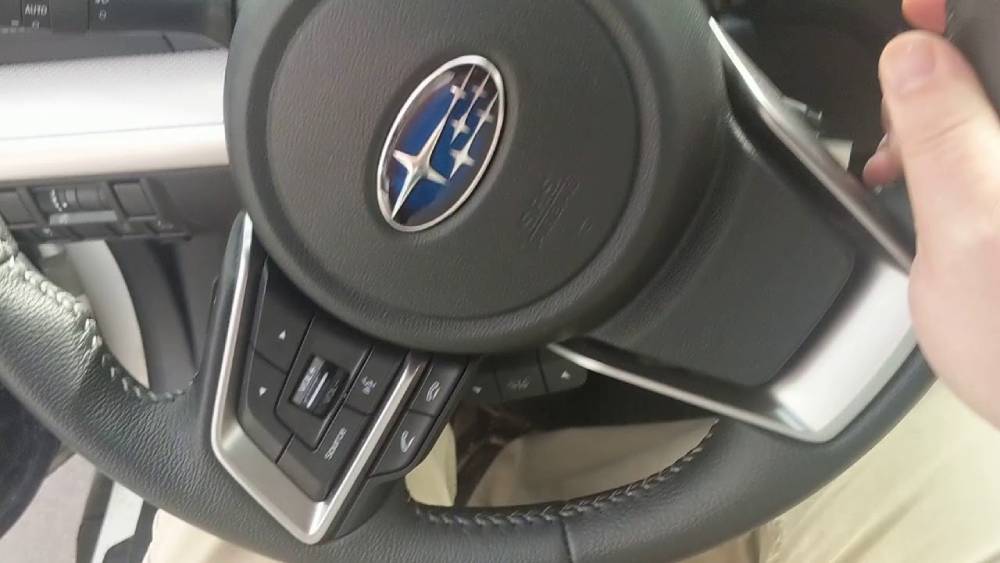
What Does It Mean When a Subaru Steering Wheel Is Locked?
If your Subaru steering wheel is locked, it does not necessarily mean that something is broken. In many cases, the steering wheel lock is simply a built in safety feature designed to help prevent vehicle theft. When the ignition is turned off and the steering wheel is moved slightly after the key is removed, the locking mechanism can engage automatically.
Once activated, the steering wheel becomes difficult or impossible to turn until the correct key is inserted and the lock is released. This system is commonly found in both older Subaru models with traditional keys and some newer vehicles equipped with electronic steering lock functions.
The problem arises when drivers are unaware that the feature exists. A locked steering wheel combined with a key that refuses to turn can quickly create panic, leading many people to assume that their vehicle requires expensive repairs. Fortunately, understanding how the system works can help you identify whether you are dealing with a normal security function or a more serious issue.
In most situations, a steering wheel lock that occurs occasionally after parking is considered normal. However, if the steering wheel repeatedly locks under unusual circumstances or becomes increasingly difficult to release, it may indicate wear within the ignition system or another mechanical concern that deserves further inspection.
Common Causes of a Subaru Steering Wheel Locked Situation
Several factors can cause a Subaru steering wheel to become locked. Identifying the underlying reason is essential because the appropriate solution often depends on the source of the problem.
The most common cause is the normal activation of the steering lock mechanism. This typically occurs when the steering wheel is turned after the engine has been switched off. Even a slight movement can trigger the locking system, especially if the front wheels are not perfectly aligned.
Another possible cause is pressure against the steering components. If you park on a steep incline and the weight of the vehicle shifts against the curb or front wheels, additional tension may build within the steering system. This pressure can make it more difficult to release the lock when you attempt to restart the vehicle.
A worn or damaged ignition key may also contribute to the problem. Over time, the grooves on the key can become worn down, reducing their ability to align properly with the ignition cylinder. As a result, the key may fail to turn smoothly or unlock the steering mechanism.
Ignition cylinder wear is another issue to consider, particularly in older Subaru models with higher mileage. Internal components inside the ignition assembly can deteriorate with age and repeated use. Early warning signs often include intermittent difficulty turning the key or a steering lock that becomes progressively harder to disengage.
For Subaru vehicles equipped with push button start systems, a weak or failing battery can occasionally interfere with electronic steering lock functions. Drivers may notice additional symptoms such as dim dashboard lights, delayed startup responses, or inconsistent electrical performance.
Understanding these common causes can help narrow down the issue and determine whether a simple adjustment is all that is required or if professional diagnosis may be necessary.
Quick Fixes You Can Try at Home
Before contacting roadside assistance or scheduling an appointment with a repair shop, there are several simple solutions you can safely attempt on your own.
The first and most effective method involves gently turning the steering wheel while simultaneously rotating the ignition key. Insert the key into the ignition and apply light pressure as though you are starting the vehicle. At the same time, slowly move the steering wheel to the left and then to the right until you feel the locking mechanism release. Avoid forcing either the key or the steering wheel, as excessive pressure could damage the ignition components.
If your vehicle is parked on a hill, pressure from the vehicle’s weight may be contributing to the issue. If conditions allow and it is safe to do so, relieving some of that tension can help release the steering lock more easily. Ensuring that the wheels are properly positioned before turning off the engine in the future may also reduce the likelihood of recurrence.
Trying a spare key is another worthwhile step. If your primary key has become worn, a backup key with sharper grooves may engage the ignition cylinder more effectively. This simple test can quickly determine whether the problem lies with the key itself.
Owners of newer Subaru models with push button ignition systems should also consider checking the condition of the vehicle battery. A weak battery can affect electronic systems and may interfere with steering lock operation. If you notice other signs of battery deterioration, such as slow engine cranking or flickering interior lights, battery testing may be appropriate.
These quick fixes resolve the majority of steering wheel lock situations and can often save drivers both time and money. However, if the problem persists despite multiple attempts, professional assistance should be considered to prevent further damage and ensure the continued reliability of the vehicle.
What NOT to Do When Your Subaru Steering Wheel Is Locked
When faced with a locked steering wheel, frustration often leads drivers to take actions that can make the situation much worse. Knowing what to avoid is just as important as understanding the correct troubleshooting steps.
One of the biggest mistakes is applying excessive force to the steering wheel. While it is normal to use gentle pressure when attempting to release the lock, aggressively jerking the wheel back and forth can damage steering components or place unnecessary stress on the locking mechanism.
Another common error is forcing the ignition key to turn. If the key refuses to rotate, twisting it with excessive strength may bend the key, damage the ignition cylinder, or even cause the key to break inside the ignition. Repairing a broken ignition assembly is significantly more expensive than addressing a simple steering lock issue.
Drivers should also avoid inserting metal tools, screwdrivers, or other objects into the ignition in an attempt to manipulate the locking system. These methods can permanently damage delicate internal components and may compromise the vehicle’s security system.
Using inappropriate lubricants inside the ignition cylinder is another risky practice. Certain products attract dirt and debris, which can worsen the problem over time. Unless specifically recommended by a qualified technician, it is best to avoid applying chemicals to the ignition system.
Remaining calm and following the appropriate troubleshooting procedures can help prevent a minor inconvenience from turning into a costly repair.
When Should You Call a Mechanic?
Although many steering wheel lock situations can be resolved at home, there are times when professional assistance becomes necessary. Recognizing the warning signs early can help prevent further complications and ensure your Subaru remains safe to drive.
If you have attempted the recommended unlocking methods multiple times without success, it may indicate a deeper issue within the ignition or steering lock system. Persistent problems should not be ignored, particularly if they become more frequent over time.
You should also contact a mechanic if your key consistently sticks in the ignition or fails to turn smoothly. These symptoms may point to a worn ignition cylinder that requires repair or replacement. Continuing to use a failing ignition system can increase the likelihood of complete lockout.
Another reason to seek professional help is if your spare key produces the same results as the original key. This suggests that the issue extends beyond key wear and may involve internal mechanical components.
Owners of newer Subaru models equipped with electronic steering lock systems should pay attention to dashboard warning lights or unusual electrical behavior. In some cases, diagnostic equipment is required to identify faults within the electronic control systems.
Finally, if unusual noises occur when attempting to unlock the steering wheel or if the steering mechanism feels abnormal even after the vehicle starts, a comprehensive inspection should be scheduled promptly. Addressing these concerns early may reduce repair costs and minimize the risk of unexpected breakdowns.
Can You Prevent Your Subaru Steering Wheel from Locking Again?
While the steering wheel lock feature is designed to enhance vehicle security, there are several preventive measures that may reduce the chances of encountering unexpected difficulties in the future.
One helpful habit is keeping the front wheels as straight as possible before turning off the engine. This practice minimizes tension within the steering system and may make the lock easier to disengage during your next drive.
Avoid placing unnecessary pressure on the steering wheel after removing the key from the ignition. Even slight movement can activate the locking mechanism, especially in vehicles parked on uneven surfaces.
Regularly inspecting your ignition key is another important preventive step. If you notice excessive wear, bending, or damage, replacing the key before it fails completely can help you avoid inconvenient situations.
Routine vehicle maintenance should also include monitoring the condition of the battery, particularly in Subaru models equipped with push button start technology. A healthy battery supports the proper operation of electronic systems, including electronic steering lock functions.
Most importantly, do not ignore recurring symptoms. If your steering wheel repeatedly locks under normal driving conditions or the ignition becomes increasingly difficult to operate, scheduling a professional inspection may prevent a more serious failure later.
By combining good parking habits, routine maintenance, and early attention to warning signs, Subaru owners can significantly reduce the likelihood of experiencing steering wheel lock issues and enjoy greater peace of mind every time they get behind the wheel.
Frequently Asked Questions
Why is my Subaru steering wheel locked and the key will not turn?
The most common reason is that the steering lock mechanism has been activated. This usually happens when the steering wheel moves slightly after the engine is turned off. The locking system is designed to prevent unauthorized use of the vehicle. In many cases, gently turning the steering wheel while applying light pressure to the key can release the lock.
Can a dead battery cause a Subaru steering wheel to lock?
In Subaru models equipped with electronic steering lock systems and push button start technology, a weak or depleted battery may interfere with the normal operation of the locking mechanism. If you notice additional symptoms such as dim lights, slow engine cranking, or electronic warning messages, the battery should be inspected.
Is a locked steering wheel a sign of a serious problem?
Not necessarily. A locked steering wheel is often the result of the vehicle’s anti theft feature functioning as intended. However, if the problem occurs frequently, the key becomes difficult to turn, or the steering wheel remains locked despite multiple attempts to release it, professional diagnosis may be required.
Can I damage my Subaru by forcing the steering wheel or key?
Yes. Excessive force can damage the ignition cylinder, bend or break the key, and potentially affect steering components. If the steering wheel does not unlock using gentle pressure and the recommended techniques, it is best to stop and seek assistance rather than risk additional repairs.
How much does it cost to fix a Subaru steering wheel lock problem?
The cost depends on the underlying cause. If the issue is related to the normal steering lock mechanism, there may be no repair cost at all. Replacing a worn key is generally inexpensive, while repairs involving the ignition cylinder or electronic steering lock components can be significantly more costly.
Conclusion
Experiencing a situation where your Subaru steering wheel locked unexpectedly can be frustrating, especially when you are unsure whether the issue is minor or a sign of a larger mechanical problem. Fortunately, in many cases, the cause is simply the activation of Subaru’s built in anti theft steering lock system, which can often be resolved within minutes using the correct approach.
Understanding the most common causes, from steering lock engagement and wheel pressure to worn keys and ignition issues, allows you to respond confidently rather than react out of panic. By following the recommended troubleshooting steps and avoiding actions that could damage the ignition system, you may be able to get back on the road quickly without unnecessary expenses.
At the same time, recurring symptoms should never be ignored. If your steering wheel repeatedly locks, the key consistently refuses to turn, or other warning signs begin to appear, seeking professional assistance is the safest course of action.
With proper maintenance, good parking habits, and a basic understanding of how the steering lock system works, you can minimize future disruptions and keep your Subaru operating reliably for years to come.
Have you experienced a locked steering wheel in your Subaru? Share your experience and the solution that worked for you. Your insight could help other drivers facing the same frustrating situation.