Have you noticed your Subaru idling roughly, consuming more fuel than usual, or struggling to accelerate smoothly? These symptoms may seem minor at first, but they are often early warning signs that your spark plugs are nearing the end of their service life. As one of the most important components in your engine’s ignition system, spark plugs play a critical role in delivering reliable performance, fuel efficiency, and smooth engine operation.
For many Subaru owners, a spark plug replacement can appear intimidating. Unlike many vehicles with conventional engine layouts, Subaru models use a unique Boxer engine design that places the cylinders horizontally. While this design offers excellent balance and handling characteristics, it also creates tighter working spaces around the spark plugs, making replacement more challenging for beginners.
The good news is that replacing spark plugs on a Subaru is entirely possible as a DIY project with the right tools, preparation, and patience. By performing this maintenance yourself, you can save hundreds of dollars in labor costs while gaining valuable hands-on experience with your vehicle.
In this complete beginner’s guide, you’ll learn how to identify worn spark plugs, understand replacement intervals, gather the necessary tools, and follow a step-by-step process to complete a successful Subaru spark plug replacement safely and confidently.
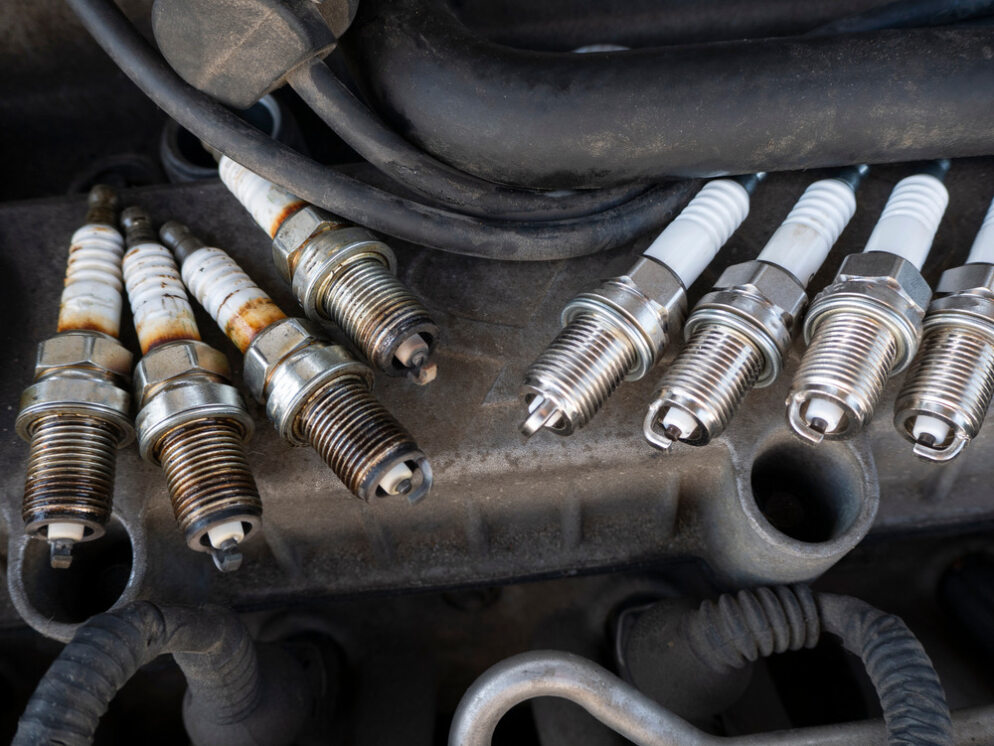
Understanding Subaru Spark Plugs and Why They Matter
Spark plugs are small components with a big responsibility. Their primary function is to ignite the air and fuel mixture inside the combustion chamber, creating the controlled explosion that powers your engine. Without properly functioning spark plugs, your Subaru cannot deliver the performance, fuel efficiency, or reliability that drivers expect.
Every time you start your vehicle, the spark plugs generate thousands of electrical sparks per minute. Over time, the electrodes wear down, reducing their ability to ignite the air fuel mixture efficiently. As a result, the engine may experience misfires, reduced power, poor fuel economy, and increased emissions.
Subaru vehicles are unique because they use a Boxer engine configuration. Unlike traditional inline or V shaped engines, the cylinders are positioned horizontally on opposite sides of the engine block. This design lowers the vehicle’s center of gravity and improves handling, but it also limits access to the spark plugs. As a result, replacing spark plugs on a Subaru often requires more time and patience than on many other vehicles.
Replacing spark plugs at the recommended interval offers several important benefits. Fresh spark plugs promote smoother engine operation, improve fuel efficiency, enhance throttle response, and reduce the likelihood of ignition related problems. Regular maintenance also helps prevent costly repairs that can result from prolonged misfires or incomplete combustion.
Understanding the role of spark plugs is the first step toward maintaining a healthy engine and ensuring your Subaru continues to perform at its best for years to come.
Signs Your Subaru Needs Spark Plug Replacement
Recognizing the symptoms of worn spark plugs can help you address potential problems before they develop into expensive repairs. Although spark plugs gradually deteriorate over time, your vehicle often provides clear warning signs when replacement becomes necessary.
One of the most common symptoms is engine misfiring. A misfire occurs when one or more cylinders fail to ignite the air fuel mixture correctly. Drivers may notice hesitation during acceleration, jerking movements, or inconsistent power delivery while driving.
Another common sign is rough idling. If your Subaru vibrates excessively while stopped at a traffic light or the engine speed fluctuates unexpectedly, worn spark plugs could be affecting combustion quality. Many drivers initially mistake these symptoms for normal aging, but they often indicate that maintenance is overdue.
Poor fuel economy is another warning sign. As spark plugs wear, combustion becomes less efficient, forcing the engine to consume more fuel to maintain performance. If you find yourself filling the tank more frequently than usual, spark plug wear may be contributing to the problem.
Difficulty starting the engine can also indicate failing spark plugs. The engine may require multiple attempts to start, especially during cold weather conditions when efficient ignition is even more critical.
In some cases, the Check Engine Light may illuminate. Diagnostic trouble codes such as P0300, P0301, P0302, P0303, and P0304 are commonly associated with engine misfires that can result from worn or damaged spark plugs.
Addressing these symptoms early can help maintain performance, improve fuel efficiency, and prevent further damage to ignition system components.
When Should You Replace Subaru Spark Plugs?
One of the most common questions among Subaru owners is how often spark plugs should be replaced. The answer depends on your vehicle model, engine type, driving habits, and the type of spark plugs installed from the factory.
Most modern Subaru vehicles equipped with iridium spark plugs typically require replacement between 60,000 and 100,000 miles. Models such as the Forester, Outback, Crosstrek, Legacy, and Impreza generally fall within this range under normal driving conditions. Turbocharged models, including certain WRX variants, may require more frequent inspections and replacements due to higher operating temperatures and increased engine stress.
While mileage recommendations provide a useful guideline, they should not be the only factor considered. Drivers who frequently encounter stop and go traffic, tow heavy loads, or drive in extreme weather conditions may experience accelerated spark plug wear. Fuel quality and engine maintenance habits can also influence service life.
Consulting your owner’s manual remains the most reliable way to determine the recommended replacement interval for your specific Subaru model. Following the manufacturer’s maintenance schedule helps ensure optimal engine performance and reduces the risk of unexpected ignition problems.
Even if your vehicle has not yet reached the recommended mileage interval, it is wise to inspect the spark plugs whenever symptoms such as rough idling, misfires, or poor fuel economy appear. Early inspection can reveal wear patterns and allow for proactive maintenance before more serious issues develop.
Replacing spark plugs on schedule is a relatively small investment that can deliver significant benefits in reliability, fuel efficiency, and long term engine health.
Tools and Parts Needed for Subaru Spark Plug Replacement
Before beginning your Subaru spark plug replacement project, it is important to gather all necessary tools and parts. Having everything ready before you start can save time, reduce frustration, and help ensure a smooth repair process.
The most essential tool is a quality ratchet wrench paired with a spark plug socket. Because Subaru Boxer engines offer limited access to the spark plug wells, you will also need several socket extensions and a universal joint adapter. These tools allow you to reach spark plugs located deep within the engine bay and approach them from different angles.
A torque wrench is highly recommended for installation. Proper torque ensures that the spark plugs are secure without damaging the aluminum cylinder head threads. Many costly repairs result from either under tightening or over tightening spark plugs.
In addition to tools, you will need a set of replacement spark plugs that match your Subaru’s specifications. Subaru commonly uses NGK or Denso spark plugs, and many owners prefer to stay with the original equipment manufacturer recommendation for maximum reliability and performance.
Other useful supplies include dielectric grease for ignition coil boots, clean shop towels, protective gloves, and a spark plug gap gauge. Even if the new spark plugs are advertised as pre gapped, verifying the gap before installation is always a good practice.
Taking a few minutes to confirm part numbers, gather the correct tools, and prepare a clean workspace can make the entire replacement process significantly easier, especially for first time DIY mechanics.
Subaru Spark Plug Replacement Step by Step Guide
The first step is allowing the engine to cool completely. Working on a hot engine can lead to burns and may increase the risk of damaging threads during spark plug removal. Once the engine has cooled, disconnect the negative battery terminal to eliminate the possibility of accidental electrical issues while working.
Next, create access to the spark plugs. Depending on your Subaru model, this may involve removing portions of the air intake system, repositioning the battery, or temporarily moving the windshield washer reservoir. This stage often takes longer than the actual spark plug replacement itself because of the compact layout of the Boxer engine.
Once access is available, disconnect the ignition coil electrical connectors and remove the retaining bolts. Carefully pull each ignition coil from its spark plug well and place it in a clean area. Inspect the coil boots for cracks, excessive wear, or signs of oil contamination.
Using a spark plug socket, extension, and ratchet, slowly loosen and remove each old spark plug. Take your time and avoid forcing stubborn plugs. After removal, inspect the old plugs for abnormal wear patterns, oil deposits, carbon buildup, or damaged electrodes. These conditions can provide valuable insight into the health of the engine.
Before installing the new spark plugs, verify the electrode gap according to Subaru specifications. Carefully thread each spark plug into the cylinder head by hand to prevent cross threading. Once finger tight, use a torque wrench to tighten each plug to the manufacturer’s recommended specification.
Reinstall the ignition coils, reconnect all electrical connectors, and reassemble any components removed for access. Reconnect the battery and start the engine. A successful installation should result in smooth idling, responsive acceleration, and the absence of warning lights.
Take a short test drive and monitor engine performance. If everything feels normal, your Subaru spark plug replacement is complete.
Common Mistakes Beginners Should Avoid
Many first time DIY mechanics successfully replace spark plugs, but several common mistakes can turn a simple maintenance task into an expensive repair. Understanding these risks before starting the job can help you avoid unnecessary complications.
One of the most frequent errors is installing the wrong spark plugs. Different Subaru engines require specific spark plug designs, heat ranges, and electrode materials. Using incorrect plugs may result in poor performance, misfires, reduced fuel economy, and even long term engine damage.
Another serious mistake is cross threading. This occurs when a spark plug is installed at an improper angle and damages the threads inside the cylinder head. Because Subaru engines use aluminum cylinder heads, repairing damaged threads can be costly and time consuming. Always begin threading new spark plugs by hand and ensure they turn smoothly before using any tools.
Over tightening is equally problematic. Excessive force can damage the spark plug, strip threads, or crack the cylinder head. A torque wrench is one of the best investments a DIY mechanic can make because it removes guesswork from the installation process.
Some beginners also skip checking the spark plug gap. Although many modern spark plugs arrive pre gapped, shipping and handling can occasionally alter the setting. An incorrect gap can affect combustion efficiency, resulting in rough operation and reduced performance.
Another common oversight involves failing to inspect ignition coils during the replacement process. Damaged coil boots, oil contamination, or worn ignition components can cause symptoms that mimic spark plug problems. Taking the time to inspect these components can prevent future troubleshooting headaches.
By avoiding these common mistakes and following manufacturer recommendations, beginners can complete a Subaru spark plug replacement safely, confidently, and successfully.
DIY vs Professional Subaru Spark Plug Replacement
One of the biggest decisions Subaru owners face is whether to replace spark plugs themselves or pay a professional mechanic to perform the service. Both options have advantages, and the right choice depends on your experience level, available tools, and comfort working on vehicles.
A DIY spark plug replacement can offer substantial savings. For most Subaru models, a set of quality iridium spark plugs typically costs between $40 and $100. If you already own the necessary tools, your total expense may be limited to the cost of parts. Even if you need to purchase a torque wrench, spark plug socket, and extensions, the investment can still be less than the labor charges associated with professional service.
In addition to saving money, completing the repair yourself provides valuable experience and a better understanding of your vehicle. Many Subaru owners find satisfaction in performing routine maintenance and knowing the work has been completed according to their standards.
However, DIY repairs are not without challenges. The Boxer engine layout can make spark plug access difficult, particularly for first time mechanics. Limited workspace, awkward angles, and the risk of damaging cylinder head threads can make the job intimidating. A mistake during installation could lead to additional repair costs that outweigh the initial savings.
Professional service offers convenience and peace of mind. Experienced technicians have specialized tools and extensive knowledge of Subaru engines. Most repair shops also provide warranties on labor and parts, which can be beneficial if issues arise after the service is completed.
For beginners with patience and a willingness to learn, a Subaru spark plug replacement can be a rewarding DIY project. Those who prefer convenience or lack confidence in performing the work may find professional service to be the safer option.
Frequently Asked Questions
Can I replace Subaru spark plugs myself?
Yes. Many Subaru owners successfully replace their own spark plugs. While the Boxer engine design makes access more challenging than some vehicles, the job is entirely manageable with proper tools, patience, and attention to detail.
Why is Subaru spark plug replacement more expensive than other vehicles?
The primary reason is labor time. The horizontal cylinder arrangement of the Boxer engine limits access to the spark plugs, requiring technicians to spend more time reaching and removing them compared to conventional engine designs.
How long does a Subaru spark plug replacement take?
For an experienced DIY mechanic, the job may take one to three hours. Beginners should expect to spend three to six hours, especially if it is their first time working on a Boxer engine.
What happens if I delay spark plug replacement?
Ignoring worn spark plugs can lead to engine misfires, reduced fuel economy, poor acceleration, difficult starting, and increased emissions. Continued operation with failing spark plugs may also damage ignition coils and catalytic converters, resulting in significantly higher repair costs.
Which spark plugs are best for Subaru vehicles?
NGK and Denso are widely regarded as the best choices because they are commonly specified by Subaru for original equipment applications. Always consult your owner’s manual or parts catalog to verify compatibility with your specific model and engine.
Should I replace ignition coils at the same time?
Not necessarily. Ignition coils do not require routine replacement unless they show signs of failure, damage, or excessive wear. However, inspecting them during a spark plug replacement is highly recommended.
Conclusion
Performing a Subaru spark plug replacement may seem intimidating at first, especially when faced with the unique challenges of the Boxer engine layout. However, with the right preparation, tools, and attention to detail, this maintenance task is well within reach for most beginners.
Replacing spark plugs at the recommended intervals helps maintain smooth engine performance, improves fuel efficiency, reduces emissions, and minimizes the risk of costly ignition related repairs. Learning to recognize early warning signs such as rough idling, engine misfires, hard starting, and decreased fuel economy can help you address spark plug wear before it leads to more serious problems.
Whether you choose to tackle the job yourself or hire a professional technician, staying proactive about spark plug maintenance is one of the best ways to protect your Subaru’s long term reliability. A relatively small investment of time and money today can prevent major repair expenses in the future.
By following the steps outlined in this guide, even first time DIY mechanics can approach a Subaru spark plug replacement with confidence. Take your time, follow manufacturer specifications carefully, and prioritize safety throughout the process. Your reward will be a smoother running engine, improved driving performance, and the satisfaction of knowing your Subaru is ready for many more miles on the road.