Few things are more frustrating for Subaru owners than seeing the Check Engine Light suddenly illuminate on the dashboard. After connecting an OBD-II scanner, many drivers discover the P2441 trouble code and immediately wonder whether the issue is minor or the beginning of an expensive repair. Unfortunately, this diagnostic code is commonly associated with problems in the Secondary Air Injection System, an emissions control system designed to reduce harmful exhaust gases during cold engine starts.
While a Subaru P2441 code may not cause an immediate breakdown, ignoring it can lead to failed emissions inspections, persistent warning lights, and potentially more costly repairs if the underlying problem worsens. In many cases, the issue stems from a stuck air switching valve, but faulty air pumps, damaged wiring, moisture intrusion, and sensor failures can also trigger the code.
This comprehensive guide explains everything you need to know about the Subaru P2441 code, including its meaning, common causes, warning symptoms, diagnostic procedures, repair options, and estimated repair costs. Whether you own a Forester, Outback, Legacy, Impreza, or WRX, understanding this fault code can help you make informed repair decisions, avoid unnecessary expenses, and restore your vehicle’s emissions system to proper working condition.
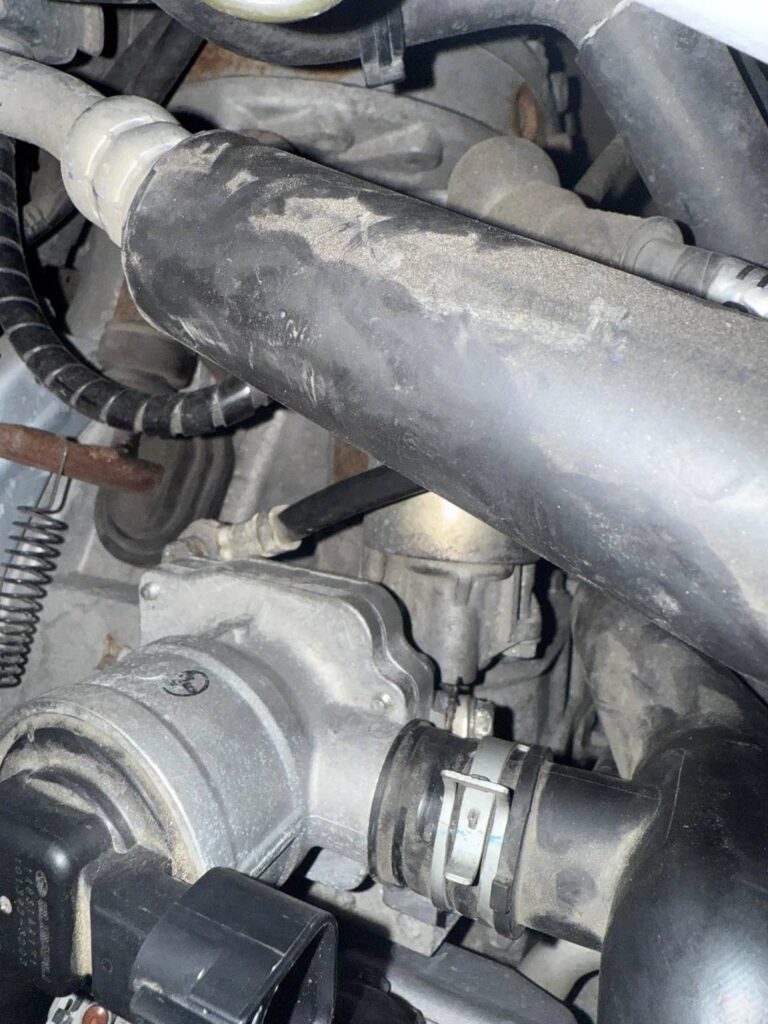
What Does the Subaru P2441 Code Mean?
The P2441 diagnostic trouble code indicates that the Engine Control Module (ECM) has detected a problem within the Secondary Air Injection System. Specifically, the code is defined as “Secondary Air Injection System Switching Valve Stuck Closed Bank 1.” This means the ECM expected the air switching valve to open and allow fresh air into the exhaust system, but the valve remained closed or failed to operate as intended.
The Secondary Air Injection System plays an important role in reducing vehicle emissions during cold starts. When the engine is first started, it produces a higher concentration of unburned fuel and pollutants because the catalytic converter has not yet reached its optimal operating temperature. To address this issue, the system injects fresh air into the exhaust stream, helping accelerate catalytic converter warm-up and reducing harmful emissions.
Several components work together to make this process possible. The secondary air pump supplies fresh air, the switching valves direct airflow to the exhaust passages, pressure sensors monitor system performance, and the ECM controls the entire operation. If the ECM detects that the valve on Bank 1 is not opening when commanded, it records the P2441 code and illuminates the Check Engine Light.
Although the code is primarily related to emissions performance, it should not be ignored. A malfunctioning secondary air injection system can prevent a vehicle from passing emissions testing and may indicate underlying component failures that could worsen over time.
How the Subaru Secondary Air Injection System Works
To understand why the P2441 code occurs, it is helpful to understand how Subaru’s Secondary Air Injection System operates. This emissions control system is designed to reduce harmful exhaust emissions during the first few moments after the engine starts.
When the engine is cold, the ECM activates the secondary air pump. The pump draws fresh outside air and sends it through a series of hoses and air passages. The air switching valves then open, allowing this fresh air to enter the exhaust manifold. By introducing additional oxygen into the exhaust stream, the catalytic converter heats up more quickly and becomes effective sooner at converting harmful pollutants into less harmful gases.
Once the engine reaches a predetermined operating temperature, the ECM shuts down the system because it is no longer needed. Under normal conditions, this process happens automatically and is usually unnoticed by the driver.
The system consists of several critical components, including the secondary air pump, air switching valves, pressure sensors, electrical wiring, vacuum lines in some models, and the ECM itself. If any of these components fail, airflow may become restricted or stop entirely.
One reason Subaru vehicles commonly experience P2441-related issues is moisture intrusion. Water can enter the air pump or valve assemblies, causing internal corrosion and mechanical sticking. Over time, carbon deposits, rust, and environmental exposure can prevent the switching valves from opening properly, eventually triggering the fault code.
Common Causes of Subaru P2441 Code
Several different issues can trigger the Subaru P2441 code, although some causes are far more common than others. Identifying the exact source of the problem is essential before replacing any components.
The most common cause is a failed air switching valve. These valves are exposed to heat, moisture, and exhaust contaminants, making them vulnerable to corrosion and internal mechanical failure. When the valve becomes stuck in the closed position, the ECM detects insufficient airflow and stores the P2441 code.
Another frequent cause is water intrusion within the secondary air injection system. Moisture entering the air pump or valve housing can lead to rust formation and electrical damage. In colder climates, freezing moisture may further damage internal components and accelerate system failure.
A faulty secondary air pump can also trigger the code. If the pump fails to generate sufficient airflow, the system will not operate as intended. Drivers may notice unusual whining, buzzing, or grinding noises during engine startup before complete failure occurs.
Electrical issues should not be overlooked. Damaged wiring, corroded connectors, loose terminals, or short circuits can interrupt communication between the ECM and system components. Even if the valve itself is functioning properly, an electrical fault may prevent it from opening.
Pressure sensor failures are another possibility. The ECM relies on accurate sensor data to verify airflow within the system. A defective sensor may send incorrect readings that falsely indicate a valve malfunction.
In rare situations, software issues or ECM malfunctions can contribute to the problem. However, these causes are significantly less common than valve, pump, or wiring failures and should generally be investigated only after other possibilities have been ruled out.
Symptoms of Subaru P2441
The symptoms associated with the Subaru P2441 code can vary depending on the severity of the underlying issue. In many cases, drivers first become aware of the problem when the Check Engine Light appears on the dashboard. Since the secondary air injection system primarily affects emissions rather than core engine operation, some vehicles may continue to drive normally despite the fault.
The most common symptom is an illuminated Check Engine Light. Once the Engine Control Module detects that the air switching valve is not operating correctly, it stores the diagnostic trouble code and activates the warning light. This is often the first and only noticeable sign during the early stages of failure.
Many owners discover the issue when their vehicle fails an emissions inspection. Because the secondary air injection system is designed to reduce emissions during cold starts, a malfunction can prevent the vehicle from meeting regulatory requirements.
Some drivers may experience rough cold starts or unstable idle conditions. When the system is unable to supply fresh air as intended, engine startup performance may be affected, particularly in colder weather conditions.
Unusual noises during startup can also indicate a developing problem. A failing air pump may produce whining, buzzing, rattling, or grinding sounds shortly after the engine starts. These noises often become more noticeable as internal damage progresses.
In certain situations, additional diagnostic trouble codes may accompany P2441. Related codes such as P2440, P2442, P2431, or P0410 can provide valuable clues regarding the specific component that has failed. When multiple air injection system codes appear simultaneously, a comprehensive diagnosis is recommended to identify all affected parts.
How to Diagnose Subaru P2441
Proper diagnosis is essential before replacing any components. Since multiple parts within the secondary air injection system can trigger the P2441 code, a systematic inspection can save both time and money.
Begin by connecting an OBD-II scanner and confirming the presence of the P2441 code. If additional diagnostic codes are stored, record them as they may help narrow down the root cause. Reviewing freeze frame data is also important because it reveals the operating conditions that existed when the fault was detected.
Next, inspect the secondary air pump. Listen for abnormal noises during a cold start and check for signs of water intrusion, corrosion, or physical damage. Many Subaru air pump failures occur after moisture enters the housing and damages internal components.
The air switching valve should then be tested. Using a diagnostic scan tool or manufacturer-approved testing procedures, verify that the valve opens and closes correctly when commanded by the Engine Control Module. A valve that remains closed or responds inconsistently is a likely source of the problem.
Carefully inspect all wiring and electrical connectors associated with the system. Corroded terminals, broken wires, loose connections, and damaged insulation can interrupt communication between components and trigger false fault codes.
Pressure sensor performance should also be evaluated. Compare sensor readings against manufacturer specifications to determine whether the sensor is accurately reporting airflow and pressure values.
Finally, verify that the Engine Control Module is sending proper commands to the system. While ECM failures are uncommon, they should be considered if all other components test within specification.
A thorough diagnosis helps prevent unnecessary replacement of expensive parts and ensures the actual cause of the P2441 code is addressed.
How to Fix Subaru P2441 Code
The appropriate repair for a Subaru P2441 code depends entirely on the component responsible for the fault. Once a proper diagnosis has been completed, the necessary repair can be performed with confidence.
If the air switching valve is stuck closed, replacement is usually the most effective solution. Because internal corrosion and mechanical wear are common causes of valve failure, cleaning often provides only temporary results. Installing a new valve typically restores normal airflow and resolves the code.
When the secondary air pump has failed, replacement may be required. This is particularly common when water intrusion has damaged internal bearings, motors, or electrical circuits. A noisy air pump that struggles to generate airflow should be inspected immediately to prevent further system damage.
Electrical repairs may be necessary if damaged wiring or corroded connectors are discovered. Restoring proper electrical continuity can often eliminate the fault without replacing major components.
If diagnostic testing reveals inaccurate pressure sensor readings, replacing the sensor may correct the issue. Since the Engine Control Module relies heavily on sensor feedback, even a small measurement error can trigger trouble codes.
In some cases, carbon buildup within air passages can restrict airflow. Cleaning affected passages may help restore proper operation when contamination is the primary issue.
After repairs are completed, the diagnostic trouble codes should be cleared using a scan tool. The vehicle should then undergo a complete drive cycle to allow the Engine Control Module to retest the system. If no faults are detected and the Check Engine Light remains off, the repair can be considered successful.
Addressing the issue promptly not only restores emissions compliance but also helps prevent additional damage to related components within the secondary air injection system.
Subaru P2441 Repair Cost
The cost of repairing a Subaru P2441 code can vary significantly depending on the root cause of the problem, the vehicle model, labor rates in your area, and whether original equipment manufacturer (OEM) or aftermarket parts are used. While some repairs are relatively inexpensive, others can become costly if multiple components within the secondary air injection system have failed.
One of the most common repairs involves replacing the air switching valve. Depending on the Subaru model and parts selected, the total repair cost typically ranges from $150 to $500. Vehicles that require additional labor for component access may fall toward the higher end of that range.
Wiring repairs are generally less expensive. Fixing damaged connectors, repairing broken wires, or cleaning corroded terminals may cost anywhere from $50 to $300, depending on the extent of the electrical damage.
If the pressure sensor is faulty, replacement costs often range between $100 and $250, including parts and labor. Although sensors are usually less expensive than major system components, accurate diagnosis is important to avoid unnecessary replacement.
The most expensive repair is often a failed secondary air pump. Replacing the pump can cost between $500 and $1,500 or more, especially if moisture damage has affected additional components. In severe cases involving multiple failed parts, a complete secondary air injection system repair may exceed $2,000.
Investing in proper diagnosis before replacing components is one of the best ways to control repair costs. Many owners spend unnecessary money replacing parts that are not actually responsible for triggering the P2441 code.
Subaru Models Commonly Affected by P2441
Although the P2441 code can appear in various Subaru vehicles, certain models and production years are known to experience secondary air injection system issues more frequently than others. These vehicles often share similar engine designs and emissions system components, making them susceptible to the same failure patterns.
The Subaru Forester is one of the models most commonly associated with P2441-related complaints. Many owners of Forester models produced between 2007 and 2014 have reported failures involving air pumps, switching valves, and moisture-related damage within the secondary air injection system.
The Subaru Outback also experiences similar issues, particularly in models equipped with engines that utilize the same emissions control design. Owners may encounter Check Engine Light warnings and air injection system codes after years of normal operation.
Subaru Legacy models from similar production periods have also been affected. In many cases, aging components, environmental exposure, and accumulated moisture contribute to valve and pump failures.
The Subaru Impreza, including certain naturally aspirated and turbocharged variants, has a documented history of secondary air injection system faults. Drivers often discover the problem during routine diagnostic scans or emissions inspections.
Certain Subaru WRX models can also trigger the P2441 code. Because performance-oriented vehicles may experience additional heat and environmental stress, components within the emissions system can deteriorate over time.
While these models are among the most frequently affected, the exact likelihood of experiencing a P2441 code depends on factors such as vehicle age, mileage, climate conditions, maintenance history, and driving habits.
Can You Drive with a Subaru P2441 Code?
In most cases, you can continue driving a Subaru that displays the P2441 code. The secondary air injection system primarily affects emissions performance rather than the engine’s ability to run. As a result, many drivers notice little to no difference in daily driving behavior when the code first appears.
However, continuing to drive without addressing the problem is generally not recommended. Although the vehicle may remain operational, the underlying issue can worsen over time. A stuck air switching valve, failing air pump, or moisture-damaged component may eventually lead to additional system failures and more expensive repairs.
One of the most immediate consequences is the likelihood of failing an emissions inspection. In regions where emissions compliance is required for vehicle registration or annual inspections, the Check Engine Light alone may be enough to cause a failed test.
Another concern is the inability to identify new engine-related issues. Since the Check Engine Light is already illuminated due to the P2441 code, other problems may go unnoticed until they become more serious.
Drivers should seek repair as soon as possible if they notice loud air pump noises, rough cold starts, reduced engine performance, or multiple related diagnostic trouble codes. These symptoms may indicate that the problem is expanding beyond a simple valve malfunction.
While the P2441 code is rarely an emergency that requires immediate roadside assistance, prompt diagnosis and repair remain the best approach for maintaining reliability, reducing long-term costs, and ensuring the vehicle remains compliant with emissions regulations.
How to Prevent Subaru P2441 from Returning
Although not every failure can be prevented, proactive maintenance can significantly reduce the risk of encountering the Subaru P2441 code again. Since moisture intrusion and component corrosion are among the leading causes of secondary air injection system failures, regular inspections can help identify potential problems before they become expensive repairs.
One of the most effective preventive measures is checking the secondary air injection system for signs of water contamination. Moisture that enters the air pump or switching valves can cause internal rust, electrical damage, and mechanical sticking. Addressing water leaks early can extend the life of critical system components.
Routine inspections of wiring harnesses and electrical connectors are also important. Corrosion, loose connections, and damaged wiring can interfere with communication between the Engine Control Module and the secondary air injection system. Repairing minor electrical issues before they escalate can prevent diagnostic trouble codes from appearing.
Using high-quality replacement parts whenever repairs are necessary can improve long-term reliability. While lower-cost aftermarket components may be tempting, they do not always provide the same durability and performance as quality replacements.
Periodic diagnostic scans can help identify pending trouble codes before they trigger the Check Engine Light. Detecting small issues early often leads to simpler and less expensive repairs.
Maintaining your Subaru according to the manufacturer’s recommended service schedule and addressing warning signs promptly can greatly reduce the likelihood of recurring secondary air injection system problems. A proactive approach not only minimizes repair expenses but also helps maintain emissions compliance and overall vehicle reliability.
Conclusion
The Subaru P2441 code indicates that the Secondary Air Injection System Switching Valve on Bank 1 is stuck closed or not functioning as expected. While the vehicle may continue to operate normally in many situations, ignoring the problem can lead to failed emissions tests, persistent Check Engine Light warnings, and potentially higher repair costs in the future.
In most cases, the root cause is a faulty air switching valve, but other components such as the secondary air pump, pressure sensor, electrical wiring, or even moisture-related corrosion can also trigger the code. Understanding how the system works and following a structured diagnostic process are essential for identifying the true source of the problem and avoiding unnecessary parts replacement.
Fortunately, most Subaru P2441 issues can be resolved successfully once the failed component has been identified. Whether the repair involves replacing a stuck valve, repairing damaged wiring, installing a new air pump, or correcting sensor-related faults, timely action can restore proper system operation and prevent additional complications.
If your Subaru has recently displayed the P2441 code, do not assume the most expensive component is at fault. A thorough diagnosis is often the key to saving both time and money. By understanding the causes, symptoms, repair options, and preventive measures discussed in this guide, you can make informed decisions and keep your Subaru running efficiently for years to come.
Have you dealt with a Subaru P2441 code before? Share your experience and repair solution to help other Subaru owners facing the same challenge.
Frequently Asked Questions
What does Subaru code P2441 mean?
The P2441 code indicates that the Secondary Air Injection System Switching Valve on Bank 1 is stuck closed or not responding correctly when commanded by the Engine Control Module.
Is it safe to drive with a P2441 code?
In most cases, yes. However, prolonged driving without repairs can lead to failed emissions inspections and potentially more expensive repairs if additional components become damaged.
How much does it cost to fix Subaru P2441?
Repair costs typically range from $150 to $2,000 depending on whether the issue involves a valve, wiring, sensor, air pump, or multiple components.
What causes a Subaru air switching valve to fail?
Common causes include moisture intrusion, internal corrosion, carbon buildup, age-related wear, and exposure to extreme environmental conditions.
Will P2441 clear itself?
No. The code usually remains stored until the underlying problem is repaired and the diagnostic code is cleared using a scan tool or after sufficient drive cycles following a successful repair.
Which Subaru models commonly experience P2441?
The Forester, Outback, Legacy, Impreza, and certain WRX models produced between approximately 2007 and 2014 are among the most frequently reported vehicles for secondary air injection system issues.