Whether you’re planning a cross-country road trip, a weekend camping adventure, or simply need extra cargo space, the Subaru Outback is one of the most versatile vehicles on the road. Its rugged design, standard roof rails, and outdoor-focused capabilities make it a popular choice for carrying kayaks, bikes, cargo boxes, and even rooftop tents. However, before loading gear onto the roof, understanding the Subaru Outback roof rack weight limit is essential.
One of the most common mistakes owners make is assuming that every Outback model has the same roof load capacity. In reality, roof rack weight limits can vary significantly depending on the model year, trim level, roof rail design, and whether the vehicle is equipped with factory or aftermarket crossbars. Many drivers are also unaware of the difference between dynamic load capacity, which applies while driving, and static load capacity, which applies when the vehicle is parked.
Exceeding the recommended roof load limit can negatively affect vehicle handling, braking performance, fuel efficiency, and overall safety. In this complete guide, we will break down Subaru Outback roof rack weight limits by model year, explain dynamic and static load ratings, discuss rooftop tent compatibility, and share practical safety tips to help you maximize your vehicle’s cargo-carrying potential with confidence.
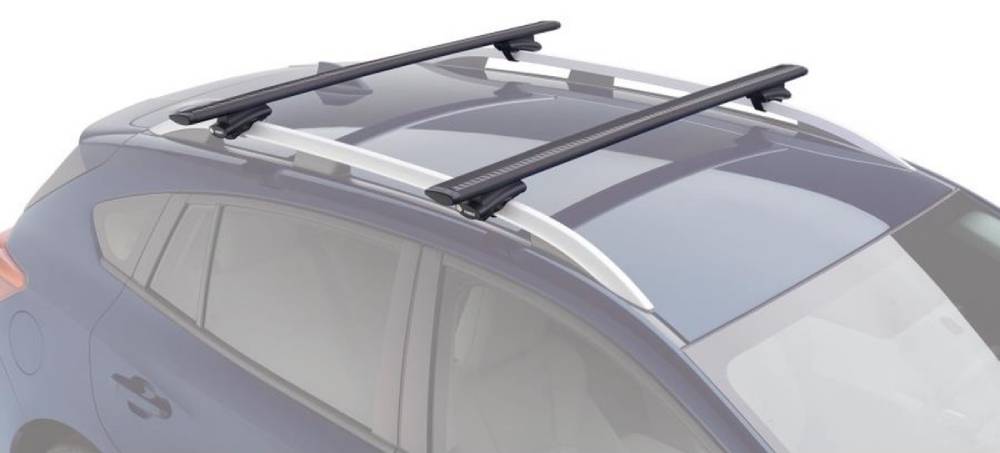
Understanding Subaru Outback Roof Rack Weight Limits
Before examining specific model years, it is important to understand what a roof rack weight limit actually means. The roof rack weight limit refers to the maximum amount of weight that can be safely supported by the vehicle’s roof system, including the roof rails, crossbars, mounting hardware, accessories, and cargo. This figure is determined by Subaru engineers to ensure safe driving conditions and maintain the structural integrity of the vehicle.
Many Subaru Outback owners focus solely on the weight of their cargo while overlooking the weight of accessories such as cargo boxes, bike racks, kayak carriers, or rooftop tents. Every component attached to the roof contributes to the total load and must be included in the calculation. Exceeding the manufacturer’s recommended limit can lead to reduced vehicle stability, increased rollover risk, premature wear on roof components, and potential safety hazards during sudden maneuvers.
Understanding these limits is especially important for outdoor enthusiasts who frequently transport large amounts of gear. Whether you are carrying bicycles, camping equipment, skis, or water sports equipment, knowing your vehicle’s capacity helps ensure a safer and more enjoyable travel experience.
Dynamic Load vs. Static Load: Understanding the Difference
One of the most misunderstood aspects of roof rack capacity is the difference between dynamic load and static load ratings. Although both measurements relate to weight, they apply under completely different conditions.
Dynamic load refers to the amount of weight the roof system can safely support while the vehicle is moving. This rating takes into account acceleration, braking, cornering forces, wind resistance, road vibrations, and sudden impacts from uneven terrain. Because of these constantly changing forces, dynamic load limits are generally lower than static load limits.
Static load refers to the amount of weight the roof can support when the vehicle is parked and stationary. Since there are no driving forces acting on the vehicle, the roof structure can typically support significantly more weight. This rating is particularly important for rooftop tent users because it determines whether the roof can safely support the tent and its occupants while camping.
For example, a Subaru Outback may have a dynamic roof load rating suitable for transporting a rooftop tent during travel while supporting a much higher combined weight once parked at a campsite. Understanding this distinction can prevent costly mistakes and improve overall safety.
Subaru Outback Roof Rack Weight Limit by Model Year
Subaru has continuously refined the Outback’s roof system throughout its various generations. Changes in vehicle design, roof rail construction, and intended use have resulted in different roof load capacities over the years. As a result, owners should always verify specifications for their specific model year rather than relying on information from newer or older vehicles.
Earlier Outback models were primarily designed to support lightweight recreational gear such as bicycles, skis, and cargo carriers. As outdoor lifestyles became more popular, Subaru introduced stronger roof systems and improved crossbar designs to accommodate heavier loads and more demanding accessories.
The most significant advancement came with the introduction of the Subaru Outback Wilderness, which features a reinforced roof structure specifically engineered to support higher roof loads and rooftop tent applications. This model has become particularly popular among overlanding enthusiasts seeking greater cargo flexibility and off road capability.
In the following sections, we will examine roof rack weight limits for each Subaru Outback generation, highlighting key differences, common applications, and important considerations for owners looking to maximize their roof carrying capacity.
Subaru Outback 2000–2004 Roof Rack Weight Limit
The second-generation Subaru Outback established itself as a practical wagon for families and outdoor enthusiasts. During this period, the factory roof rack system was designed primarily for carrying light recreational equipment and additional travel gear. Most models featured raised roof rails combined with optional crossbars that provided flexibility for a variety of cargo solutions.
For these early Outback models, roof rack capacities were generally intended for lighter loads such as bicycles, skis, snowboards, and small cargo carriers. Owners transporting heavier equipment needed to pay close attention to the combined weight of the cargo and accessories because the roof systems were not engineered for modern overlanding equipment such as rooftop tents.
A common use case for the 2000–2004 Outback involved family road trips where a rooftop cargo box provided additional storage space for luggage and camping supplies. When properly loaded, these vehicles offered excellent practicality without compromising driving stability. However, uneven weight distribution or overloaded roof racks could negatively affect handling, especially during highway travel and emergency maneuvers.
Owners of these models should carefully inspect roof rails, mounting points, and crossbars before carrying heavy loads. Age-related wear, corrosion, and prolonged exposure to weather conditions can reduce the strength of roof rack components over time. Replacing worn hardware and ensuring proper installation remain essential safety practices.
Subaru Outback 2005–2009 Roof Rack Weight Limit
The third-generation Subaru Outback introduced several improvements that enhanced both comfort and cargo-carrying capability. Subaru refined the roof rail system and improved overall vehicle rigidity, allowing owners to transport a broader range of outdoor equipment with greater confidence.
During these model years, the Outback became increasingly popular among adventure travelers who frequently carried kayaks, bicycles, and rooftop cargo boxes. The improved roof design helped distribute weight more effectively across the vehicle’s structure, resulting in better stability and load management.
Many owners used these vehicles for weekend camping trips, often combining multiple accessories on the roof. For example, a pair of kayaks and a small cargo carrier could often be accommodated when weight limits were carefully observed. Nevertheless, exceeding recommended capacities could still place excessive stress on the roof rails and negatively affect vehicle performance.
Another important consideration for this generation is the growing aftermarket support available at the time. Many manufacturers introduced upgraded crossbars and roof rack systems specifically designed for the Outback platform. While aftermarket solutions can offer increased functionality, owners must remember that the vehicle’s roof structure itself still imposes an overall weight limitation that cannot be exceeded safely.
Routine inspections became even more important as these vehicles aged. Loose mounting hardware, damaged crossbars, and worn roof rail components can all compromise the safety of a loaded roof rack system.
Subaru Outback 2010–2014 Roof Rack Weight Limit
The fourth-generation Subaru Outback marked a significant shift toward greater utility and versatility. With increased interior space and a more robust overall design, these models attracted a growing number of outdoor enthusiasts seeking a vehicle capable of supporting active lifestyles.
The roof rack system on 2010–2014 models was designed to accommodate a wider variety of cargo solutions, including larger cargo boxes, multiple bicycles, kayak carriers, and winter sports equipment. Improved roof rail construction provided enhanced durability while maintaining the vehicle’s comfortable ride quality.
This generation became particularly popular among families who needed extra storage capacity for long-distance travel. Roof-mounted cargo boxes allowed owners to free up valuable interior space while maintaining passenger comfort. Properly loaded roof systems also helped distribute cargo more efficiently compared to packing all equipment inside the vehicle.
Despite these improvements, owners should continue paying close attention to total roof load calculations. It is easy to underestimate the combined weight of crossbars, mounting hardware, cargo boxes, and the items stored inside them. Even when individual accessories appear lightweight, their cumulative weight can approach the vehicle’s roof load limit more quickly than expected.
For buyers considering used 2010–2014 Outback models, verifying the condition of the roof rack system is highly recommended. Inspecting roof rails for cracks, checking crossbar integrity, and ensuring all mounting points remain secure can help prevent future safety issues while transporting cargo.
Subaru Outback 2015–2019 Roof Rack Weight Limit
The 2015–2019 Subaru Outback introduced one of the most innovative roof rack designs in the model’s history. Many trims featured Subaru’s integrated crossbar system, allowing owners to deploy built-in crossbars directly from the roof rails without the need for additional equipment. This design improved convenience while maintaining the versatility that Outback owners had come to expect.
The integrated system made it easier to transport a variety of outdoor gear, including bicycles, kayaks, paddleboards, ski carriers, and cargo boxes. For many drivers, this eliminated the need to purchase separate crossbars and reduced installation time before trips. However, convenience should never replace careful attention to weight limits.
One advantage of this generation is its ability to accommodate a wide range of recreational activities. Families often used rooftop cargo carriers for vacations, while outdoor enthusiasts relied on roof-mounted equipment for camping and adventure travel. The Outback’s balanced design helped maintain stable handling characteristics even when carrying roof-mounted cargo, provided recommended load capacities were followed.
Owners should remember that integrated crossbars are designed with specific load ratings in mind. Adding heavy accessories or combining multiple cargo systems can quickly consume available capacity. Before loading equipment onto the roof, it is important to calculate the total weight of crossbars, mounting hardware, accessories, and cargo.
For those considering aftermarket upgrades, several manufacturers offer heavy-duty crossbar systems compatible with this generation. While these products may provide additional flexibility and attachment options, the vehicle’s overall roof load limitations still apply and should always be respected.
Subaru Outback 2020–2025 Roof Rack Weight Limit
The sixth-generation Subaru Outback continued the brand’s focus on adventure-oriented capability while introducing updated engineering, enhanced safety features, and improved roof rack functionality. These models remain among the most popular choices for drivers seeking a versatile vehicle capable of supporting active outdoor lifestyles.
Factory roof rails and integrated crossbars were engineered to accommodate a variety of equipment, including cargo boxes, bike racks, kayak carriers, fishing gear, and winter sports accessories. Improved aerodynamics and structural refinements helped maintain vehicle stability while carrying roof-mounted loads.
One of the most common uses for these models involves road-trip cargo management. Families frequently install rooftop cargo boxes to create additional storage space for luggage, camping equipment, and sports gear. This allows passengers to enjoy a more comfortable cabin experience while maximizing overall cargo capacity.
Outdoor enthusiasts also appreciate the Outback’s ability to transport multiple types of equipment simultaneously. A properly configured roof system can support bicycles, kayaks, or other recreational gear while maintaining predictable handling and ride comfort. However, careful planning remains essential. Weight calculations should always include the rack system itself, accessory attachments, and the cargo being transported.
Another factor to consider is fuel efficiency. Roof-mounted cargo increases aerodynamic drag, particularly at highway speeds. Keeping loads within recommended limits and securing equipment properly can help minimize fuel consumption and reduce wind noise during travel.
Subaru Outback Wilderness Roof Rack Weight Limit
The Subaru Outback Wilderness represents the most capable roof-carrying platform ever offered in the Outback lineup. Designed specifically for off-road adventures, overlanding, and outdoor exploration, the Wilderness model incorporates a reinforced roof structure that supports significantly higher loads compared to standard Outback trims.
One of the primary reasons buyers choose the Wilderness is its enhanced suitability for rooftop tents. Traditional roof systems often require careful consideration of both dynamic and static load ratings, but the Wilderness was engineered with rooftop camping in mind. This makes it particularly attractive to overlanders and adventure travelers seeking a reliable platform for extended outdoor trips.
In addition to its upgraded roof capacity, the Wilderness includes suspension enhancements, increased ground clearance, all-terrain tires, and protective exterior components designed to withstand challenging environments. These features work together to create a vehicle that is better prepared for remote travel and demanding conditions.
Despite its increased capability, proper weight management remains critical. Overloading any roof system can negatively affect vehicle handling, braking performance, and overall safety. Owners should distribute cargo evenly, secure equipment properly, and account for the weight of all accessories before beginning a journey.
For drivers interested in rooftop tents, recovery gear, extra storage solutions, and long-distance overlanding setups, the Outback Wilderness often represents the most practical choice within the Outback family. Its reinforced roof system provides greater flexibility while maintaining the reliability and versatility that have made the Subaru Outback a favorite among outdoor enthusiasts worldwide.
Subaru Outback Roof Rack Capacity Comparison Table
While exact roof load specifications may vary depending on trim level, equipment configuration, and regional market, the following comparison provides a general overview of how roof rack capabilities have evolved across Subaru Outback generations.
| Model Years | Typical Dynamic Load Capacity | Typical Static Load Capacity | Key Notes |
|---|---|---|---|
| 2000–2004 | Lower capacity designs | Limited rooftop tent suitability | Best for light recreational gear |
| 2005–2009 | Improved load support | Moderate static capability | Better roof rail construction |
| 2010–2014 | Enhanced structural rigidity | Improved cargo flexibility | Popular for cargo boxes and kayaks |
| 2015–2019 | Integrated crossbar system | Increased convenience | Excellent versatility for outdoor gear |
| 2020–2025 | Modern roof architecture | Stronger overall performance | Suitable for a wide range of accessories |
| Outback Wilderness | Highest factory rating | Superior rooftop tent support | Designed for overlanding and adventure travel |
Because specifications can differ between trim levels and model years, owners should always consult their vehicle’s owner’s manual before loading the roof. Manufacturer recommendations remain the most reliable source for determining safe operating limits.
Can You Put a Rooftop Tent on a Subaru Outback?
One of the most frequently asked questions among Subaru owners is whether an Outback can safely support a rooftop tent. The answer depends on several factors, including the model year, roof rack system, crossbar design, tent weight, and the number of occupants who will use the tent.
Rooftop tents have become increasingly popular among campers because they provide a convenient sleeping platform elevated above the ground. They eliminate the need to search for perfectly flat campsites and often offer improved comfort and protection from weather conditions. However, rooftop tents place unique demands on a vehicle’s roof structure.
The first consideration is dynamic load capacity. While driving, the roof must support the combined weight of the tent, mounting hardware, and roof rack components. Exceeding this limit can compromise handling and increase stress on the roof structure.
The second consideration is static load capacity. Once the vehicle is parked, the roof must support the weight of the tent plus its occupants. In many cases, static load ratings are substantially higher than dynamic ratings, allowing the roof to safely support sleeping arrangements that would not be acceptable while driving.
The Subaru Outback Wilderness is particularly well suited for rooftop tent applications because its reinforced roof structure was designed with this use case in mind. Nevertheless, owners should always verify compatibility between the tent manufacturer, roof rack system, and vehicle specifications before making a purchase.
Common Roof Rack Setups and Their Weight Impact
Different roof rack accessories affect total roof load in different ways. Understanding how each setup contributes to overall weight can help owners make safer decisions and avoid exceeding recommended limits.
Cargo boxes are among the most popular roof-mounted accessories for Subaru Outback owners. They provide weather-resistant storage for luggage, camping equipment, and seasonal gear. Although many cargo boxes appear lightweight when empty, their contents can quickly add significant weight. Careful packing and regular weight checks are recommended before long trips.
Kayak carriers are another common choice for outdoor enthusiasts. Depending on the size and material of the kayak, individual boats can contribute substantial weight to the roof system. When transporting multiple kayaks, owners should calculate the combined weight of the carriers, tie-down equipment, and watercraft to ensure compliance with roof load limitations.
Bike racks are often perceived as lightweight accessories, but multiple bicycles can add considerable weight. Mountain bikes, electric bikes, and premium road bikes may weigh significantly more than expected. The rack itself must also be included in total load calculations.
Roof baskets provide excellent flexibility for carrying irregularly shaped cargo that may not fit inside a cargo box. However, baskets can encourage overloading because they offer a large open storage area. Owners should pay close attention to weight distribution and secure all cargo properly to prevent shifting during travel.
Regardless of the accessory being used, the safest approach is to calculate the total roof load before departure and ensure all equipment is evenly distributed across the roof rack system.
Common Mistakes Subaru Outback Owners Make
Even experienced Subaru Outback owners occasionally make mistakes when loading roof racks. These errors may seem minor at first, but they can significantly affect vehicle safety, handling, and long-term durability.
One of the most common mistakes is focusing only on the weight of the cargo while ignoring the weight of the roof rack accessories themselves. Crossbars, cargo boxes, bike racks, kayak carriers, and mounting hardware all contribute to the total roof load. Failing to include these components can result in unintentionally exceeding the vehicle’s recommended capacity.
Another frequent issue is uneven weight distribution. Concentrating too much weight on one side of the roof can create instability during cornering, braking, and lane changes. Properly distributing cargo across the roof rack system helps maintain vehicle balance and reduces stress on mounting points.
Many owners also overlook the condition of their roof rack components. Loose bolts, worn mounting hardware, damaged crossbars, and aging roof rails can compromise the entire system. Routine inspections should be performed before every major trip.
Overloading the roof for long-distance travel is another common problem. While the vehicle may appear capable of carrying additional cargo, exceeding the manufacturer’s specifications can negatively affect steering response, braking performance, fuel economy, and overall safety.
Finally, some drivers fail to consider the impact of speed. Roof-mounted cargo creates additional wind resistance, and heavy loads become more susceptible to aerodynamic forces at highway speeds. Following manufacturer recommendations and reducing speed when necessary can improve both safety and fuel efficiency.
Roof Rack Safety Tips
Proper loading techniques are just as important as understanding roof rack weight limits. Following a few simple guidelines can help protect your vehicle, your cargo, and everyone on the road.
Before every trip, verify the total weight of all roof-mounted equipment. This includes crossbars, mounting hardware, carriers, cargo boxes, tents, bicycles, kayaks, and any gear stored inside accessories. Accurate calculations help prevent accidental overloading.
Inspect all mounting points and hardware thoroughly. Check for loose fasteners, damaged brackets, corrosion, or signs of excessive wear. Replacing questionable components before departure can prevent costly failures during travel.
Position heavier items as low and as centrally as possible. Keeping weight close to the center of the roof improves stability and reduces the impact on vehicle handling. Properly balanced loads also place less stress on roof rails and crossbars.
Secure all cargo according to manufacturer guidelines. Loose equipment can shift unexpectedly during acceleration, braking, or cornering. High-quality straps, locking systems, and tie-down points help keep cargo stable throughout the journey.
Drivers should also adapt their driving style when carrying roof-mounted loads. Increased stopping distances, reduced cornering performance, and greater sensitivity to crosswinds are common characteristics of heavily loaded roof systems. Maintaining safe speeds and allowing additional braking distance can significantly improve safety.
Regular maintenance remains essential throughout the life of the vehicle. Cleaning roof rack components, inspecting seals, and addressing wear early can extend the lifespan of the entire system.
Frequently Asked Questions
What is the roof rack weight limit on a Subaru Outback?
The roof rack weight limit depends on the model year, trim level, roof rail design, and equipment configuration. Owners should always consult the owner’s manual for the most accurate specifications applicable to their vehicle.
Can a Subaru Outback support a rooftop tent?
Yes. Many Subaru Outback models can support rooftop tents when equipped with compatible roof rack systems. However, owners must verify both dynamic and static load ratings before installation.
Does the Outback Wilderness have a higher roof load rating?
Yes. The Subaru Outback Wilderness was specifically engineered with a reinforced roof structure that provides greater load-carrying capability than most standard Outback models, making it particularly attractive for rooftop tent users.
Are aftermarket crossbars stronger than factory crossbars?
Some aftermarket crossbars are designed to handle heavier loads and offer greater versatility. However, stronger crossbars do not increase the maximum load capacity of the vehicle’s roof structure itself. Vehicle limitations must still be respected.
What happens if you exceed the roof weight limit?
Exceeding the roof weight limit can reduce vehicle stability, increase rollover risk, place excessive stress on roof components, damage mounting hardware, and negatively affect braking and handling performance.
Can I carry bikes, kayaks, and a cargo box at the same time?
In some cases, yes. The determining factor is the combined weight of all accessories and cargo. Owners must ensure the total load remains within the vehicle’s specified roof capacity.
Conclusion
Understanding the Subaru Outback roof rack weight limit is essential for anyone who regularly transports outdoor equipment, travel gear, or rooftop camping systems. While the Outback has earned a reputation as one of the most capable adventure vehicles in its class, roof load capacities vary significantly across model years and trim levels.
The most important takeaway is that dynamic and static load ratings are not the same. Dynamic capacity determines how much weight the roof can safely support while driving, while static capacity becomes relevant when the vehicle is parked. This distinction is particularly important for rooftop tent owners and overlanding enthusiasts.
Throughout the years, Subaru has continuously improved the Outback’s roof rack system, culminating in the highly capable Outback Wilderness, which offers enhanced roof load capabilities for demanding outdoor adventures. Nevertheless, every owner should verify vehicle-specific specifications before adding cargo to the roof.
By calculating total load accurately, distributing weight evenly, maintaining roof rack components, and following manufacturer recommendations, Subaru Outback owners can safely maximize their vehicle’s cargo-carrying potential. Whether you are transporting bicycles, kayaks, cargo boxes, or a rooftop tent, understanding your Subaru Outback roof rack weight limit will help ensure safer travels and more enjoyable adventures for years to come.