If you’re planning to tow a small camper, utility trailer, fishing boat, or a pair of jet skis with your Subaru Forester, you’re probably wondering whether a tow package is really necessary. Many drivers assume that installing a trailer hitch is all it takes to start towing safely. In reality, towing involves much more than simply attaching a trailer to the back of your vehicle.
The Subaru Forester has built a strong reputation as a versatile compact SUV, combining standard all wheel drive capability, impressive practicality, and excellent reliability. While it may not be a full size truck, the Forester is capable of handling a variety of light towing tasks when properly equipped. However, choosing the wrong towing setup can lead to reduced vehicle performance, excessive strain on critical components, and even dangerous situations on the road.
One of the biggest challenges for Forester owners is understanding what a Subaru Forester Tow Package actually includes. Is a trailer hitch enough? Do you need a wiring harness? What towing accessories are essential, and which ones are optional? More importantly, how do you ensure that your trailer weight stays within Subaru’s recommended limits?
In this complete guide, you’ll learn everything you need to know about the Subaru Forester Tow Package, including towing capacity, package components, OEM versus aftermarket options, installation costs, safety considerations, and the best types of trailers you can tow. By the end of this article, you’ll have the knowledge needed to tow confidently while protecting your vehicle and maximizing safety on every trip.
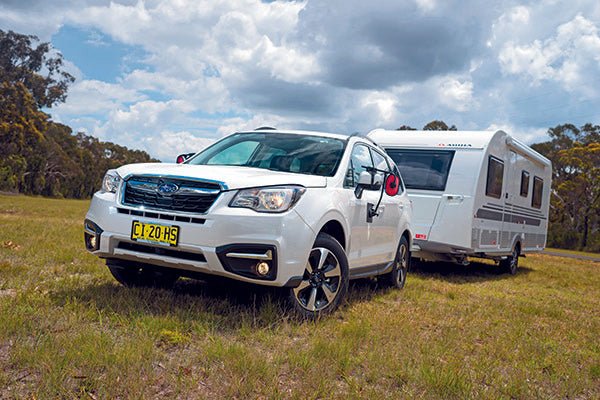
What Is the Subaru Forester Tow Package?
A Subaru Forester Tow Package is a collection of towing related components designed to help the vehicle safely pull a trailer or carry hitch mounted accessories. While many people use the terms “tow package” and “trailer hitch” interchangeably, they are not the same thing. A trailer hitch is only one part of a complete towing setup.
A typical Subaru Forester Tow Package includes a hitch receiver, trailer wiring harness, hitch ball mount, hitch pin, and other towing accessories required for safe operation. These components work together to create a secure connection between the vehicle and the trailer while ensuring that the trailer’s lights and signals function properly.
The primary purpose of a tow package is to improve safety and towing efficiency. Without the proper equipment, drivers may experience poor trailer control, electrical issues, or excessive stress on the vehicle’s drivetrain. Even if the trailer falls within the Forester’s towing capacity, an incomplete towing setup can increase the risk of accidents and costly repairs.
Many Subaru owners purchase a tow package for recreational activities such as camping, boating, motorcycle transport, or moving equipment. Others install one simply to use bike racks or cargo carriers. Regardless of the intended use, understanding the components of a tow package is the first step toward safe and confident towing.
Subaru Forester Towing Capacity Explained
Before selecting a tow package, it is essential to understand the towing limitations of your Subaru Forester. Towing capacity refers to the maximum weight the vehicle can safely pull without compromising performance, handling, or safety.
Most modern Subaru Forester models offer a towing capacity of up to 1,500 pounds when properly equipped. This is sufficient for lightweight utility trailers, small watercraft, and cargo trailers. However, the Subaru Forester Wilderness is specifically engineered for enhanced outdoor adventures and can tow up to 3,000 pounds when equipped correctly.
Several factors influence real world towing performance. Passenger weight, cargo load, road conditions, elevation changes, and weather can all affect how much weight the vehicle can safely handle. For example, towing a trailer through mountainous terrain places significantly more strain on the engine and transmission than driving on flat highways.
Another important factor is tongue weight, which refers to the downward force exerted by the trailer on the hitch. Excessive tongue weight can negatively impact steering, braking, and suspension performance. Drivers should always consult the owner’s manual to verify the recommended towing and tongue weight limits for their specific model year.
Understanding these limitations helps prevent common towing mistakes. Exceeding the manufacturer’s ratings can result in poor fuel economy, increased wear on drivetrain components, and potential safety hazards. By staying within Subaru’s recommended limits, owners can enjoy a safer and more reliable towing experience.
What Comes in a Subaru Forester Tow Package?
The exact contents of a Subaru Forester Tow Package may vary depending on whether you choose an OEM or aftermarket solution. However, several core components are considered essential for most towing applications.
The trailer hitch receiver serves as the foundation of the entire system. Mounted directly to the vehicle’s frame, the hitch receiver provides the connection point for ball mounts, cargo carriers, bike racks, and trailers. Most Subaru Forester owners choose a Class II or Class III hitch depending on their towing needs.
The wiring harness is equally important. This component connects the vehicle’s electrical system to the trailer, allowing brake lights, turn signals, and running lights to operate correctly. Without a wiring harness, the trailer may not meet road safety requirements, potentially leading to fines or accidents.
A ball mount and hitch ball create the physical connection between the hitch receiver and the trailer coupler. Selecting the correct ball size is critical because an improper fit can lead to trailer detachment while driving. Common hitch ball sizes include 1⅞ inch, 2 inch, and 2 5⁄16 inch options.
Safety chains provide an additional layer of protection in the event of coupler failure. If the primary connection becomes disconnected, properly attached safety chains can help keep the trailer attached to the vehicle long enough for the driver to stop safely.
Many towing enthusiasts also add optional accessories such as trailer brake controllers, anti sway devices, extended towing mirrors, and cargo carriers. These upgrades can improve stability, visibility, and overall towing comfort, especially during long trips.
When all of these components work together, they form a complete towing system that allows the Subaru Forester to perform safely and efficiently under a variety of towing conditions.
OEM vs Aftermarket Subaru Forester Tow Package
One of the most common decisions Subaru Forester owners face is whether to purchase an Original Equipment Manufacturer tow package or choose an aftermarket alternative. Both options can provide a safe and effective towing solution, but each comes with distinct advantages and disadvantages that should be carefully considered before making a purchase.
An OEM tow package is designed and approved by Subaru specifically for the Forester. Because these components are engineered to match factory specifications, fitment is typically seamless. Installation tends to be straightforward, and owners can feel confident that the equipment has been tested to work with the vehicle’s design and towing capabilities. Another advantage is peace of mind regarding warranty concerns, as OEM accessories are generally less likely to create disputes related to vehicle coverage.
The primary drawback of an OEM tow package is cost. Factory approved towing components often carry a higher price tag than comparable aftermarket products. In some cases, the performance difference between OEM and premium aftermarket equipment may be minimal despite the higher investment.
Aftermarket tow packages offer significantly more variety. Owners can choose from numerous hitch manufacturers, wiring solutions, and towing accessories that fit different budgets and towing requirements. Many aftermarket brands produce high quality equipment capable of meeting or exceeding OEM standards. This flexibility allows drivers to customize their towing setup according to their specific needs.
However, not all aftermarket products deliver the same level of quality. Lower priced options may use inferior materials, offer less precise fitment, or require additional modifications during installation. Choosing a reputable manufacturer is essential to ensure safety and long term durability.
For most Forester owners, the best choice depends on priorities. Drivers who value factory integration and convenience may prefer OEM equipment, while those seeking greater flexibility and lower costs often find aftermarket solutions more attractive.
How to Choose the Right Tow Package for Your Subaru Forester
Selecting the right tow package begins with understanding exactly what you plan to tow. Different towing activities place different demands on the vehicle, making it important to match the equipment to the intended use.
Owners who only plan to carry bicycles or a small cargo carrier may require nothing more than a basic hitch receiver. On the other hand, those planning to tow campers, boats, or utility trailers should invest in a complete towing setup that includes a wiring harness and properly rated towing accessories.
The next step is calculating trailer weight. Many first time trailer owners focus only on the empty weight of the trailer, but this can be misleading. The total towing weight should include cargo, equipment, fuel, water, and any additional items loaded into the trailer. Exceeding the vehicle’s towing capacity can negatively affect handling, braking, and mechanical reliability.
Tongue weight is another critical measurement that should never be overlooked. This refers to the amount of weight pressing down on the hitch. Too little tongue weight can cause trailer sway at highway speeds, while too much can overload the rear suspension and reduce steering control.
Drivers should also choose a hitch class that matches their towing requirements. A properly rated hitch provides an additional margin of safety and ensures compatibility with the intended trailer. Investing in quality components from trusted manufacturers can prevent costly problems later.
Many towing issues occur because owners underestimate the importance of planning. Taking time to evaluate trailer weight, towing frequency, terrain, and driving conditions helps ensure that the selected tow package meets both current and future needs.
How Much Does a Subaru Forester Tow Package Cost?
The cost of a Subaru Forester Tow Package varies depending on the type of equipment selected, installation requirements, and whether OEM or aftermarket components are used. Understanding these costs in advance can help owners budget more effectively and avoid unexpected expenses.
For drivers choosing OEM equipment, the hitch receiver itself typically represents the largest portion of the investment. Additional components such as wiring harnesses, mounting hardware, and installation labor can further increase the total cost. Dealership installation often provides professional expertise and factory compatibility but usually comes at a premium price.
Aftermarket solutions generally offer a wider range of pricing options. Budget friendly hitch receivers are available for owners with basic towing needs, while premium towing systems include enhanced corrosion protection, higher quality finishes, and advanced design features. Wiring kits and accessories can also vary significantly in price depending on complexity and functionality.
Installation costs depend on several factors. Some experienced vehicle owners choose to install a hitch themselves, reducing labor expenses. However, wiring harness installation can be more challenging and may require professional assistance to ensure proper operation. Hiring a qualified installer can help avoid electrical issues and ensure that all towing equipment functions correctly.
Additional accessories may also affect the overall budget. Trailer brake controllers, anti sway systems, cargo carriers, locking hitch pins, and upgraded towing mirrors can improve safety and convenience but add to the total investment. While these items may not be necessary for every towing setup, they can provide significant benefits for frequent travelers.
Although it may be tempting to choose the least expensive option available, quality should remain a top priority. Investing in durable, properly rated towing equipment can help prevent premature wear, improve towing stability, and reduce the risk of costly repairs in the future. For many Subaru Forester owners, spending slightly more on reliable equipment ultimately delivers better long term value and greater confidence on the road.
Best Things You Can Tow with a Subaru Forester
The Subaru Forester may not be a heavy duty towing vehicle, but it is more than capable of handling a variety of recreational and utility towing tasks when properly equipped. Understanding what types of trailers and equipment fall within the Forester’s towing limits can help owners maximize versatility while maintaining safety.
One of the most common towing applications is a lightweight utility trailer. These trailers are ideal for transporting landscaping supplies, home improvement materials, camping gear, and household items. Because they are relatively light and easy to maneuver, utility trailers are a practical choice for most Forester owners.
Small campers are another popular option. Many compact teardrop trailers and lightweight travel campers are specifically designed for crossover SUVs like the Forester. These trailers provide a comfortable way to enjoy outdoor adventures without requiring a large pickup truck or full size SUV. Before purchasing a camper, owners should carefully review the trailer’s loaded weight to ensure it remains within Subaru’s recommended towing limits.
The Forester is also well suited for towing personal watercraft. A trailer carrying one or two jet skis typically falls within the vehicle’s towing capacity, making it a convenient option for weekend trips to lakes and coastal destinations. Similarly, small fishing boats and lightweight aluminum boats can often be transported safely when the appropriate tow package is installed.
Motorcycle enthusiasts frequently use the Forester to tow small motorcycle trailers. Whether transporting a single bike to a track event or carrying multiple motorcycles for a road trip, a properly equipped Forester can handle these tasks efficiently.
While the Forester is versatile, there are limits to what it should tow. Large travel trailers, heavy equipment trailers, and oversized boats often exceed the vehicle’s towing capacity and can create dangerous driving conditions. Attempting to tow loads beyond Subaru’s recommendations may lead to reduced braking performance, drivetrain strain, and increased accident risk.
Choosing the right trailer not only improves safety but also enhances driving comfort, fuel efficiency, and vehicle longevity.
Essential Safety Tips When Towing with a Subaru Forester
Safe towing begins long before the vehicle leaves the driveway. Proper preparation and responsible driving habits play a major role in ensuring a successful towing experience.
Before every trip, drivers should inspect the hitch receiver, coupler connection, safety chains, and electrical wiring. Verifying that all components are securely attached helps prevent unexpected issues while traveling. Trailer lights should also be tested to ensure that brake lights, turn signals, and running lights function correctly.
Tire condition is another critical factor. Both the vehicle and trailer tires should be inflated according to manufacturer recommendations. Underinflated tires generate excessive heat and can increase the likelihood of blowouts, especially during long highway journeys.
Weight distribution should be carefully evaluated before departure. Cargo should be loaded evenly throughout the trailer to minimize sway and maintain stable handling. Heavy items should generally be positioned near the trailer axle to improve balance and reduce stress on the hitch.
When driving, extra caution is necessary. Towing increases stopping distances, meaning drivers should allow more space between vehicles and begin braking earlier than usual. Accelerating gradually and avoiding sudden steering inputs can help maintain trailer stability.
Descending steep hills requires additional attention. Instead of relying exclusively on the brakes, drivers should use lower gears when possible to help control speed. This approach reduces brake wear and minimizes the risk of overheating.
Weather conditions can significantly impact towing performance. Strong crosswinds, heavy rain, and icy roads can make trailer control more difficult. Reducing speed and increasing following distance during adverse conditions helps improve safety and driver confidence.
Regular maintenance is equally important. Frequent towing places additional demands on the engine, transmission, brakes, suspension, and tires. Following Subaru’s recommended maintenance schedule can help keep the vehicle operating reliably for years to come.
Frequently Asked Questions
Does the Subaru Forester come with a tow package from the factory?
Most Subaru Forester models do not include a complete tow package as standard equipment. Buyers typically need to purchase towing accessories separately or add an available towing package through the dealership or aftermarket suppliers.
Can a Subaru Forester tow a camper?
Yes. Many lightweight campers and teardrop trailers fall within the Forester’s towing capacity. However, owners should always verify the trailer’s fully loaded weight before towing.
Is the Subaru Forester Wilderness better for towing?
Yes. The Forester Wilderness is specifically engineered for enhanced outdoor capability and offers a higher towing capacity than standard Forester trims. This makes it a better choice for owners who frequently tow heavier recreational equipment.
Do I need a wiring harness to tow a trailer?
Yes. A wiring harness allows the trailer’s brake lights, turn signals, and running lights to operate correctly. In most regions, functioning trailer lights are legally required for road use.
Can I install a Subaru Forester tow package myself?
Many hitch receivers can be installed by experienced DIY enthusiasts with the proper tools. However, wiring harness installation may be more complex and often benefits from professional assistance.
Will towing affect fuel economy?
Yes. Towing increases aerodynamic drag and places additional load on the engine, which typically results in reduced fuel efficiency. The heavier the trailer, the greater the impact on fuel consumption.
How often should towing equipment be inspected?
Towing components should be inspected before every trip and periodically throughout the year. Regular inspections help identify wear, corrosion, loose hardware, or damaged wiring before they become serious problems.
Conclusion
A Subaru Forester Tow Package is much more than a simple trailer hitch. It is a complete towing system that helps ensure safety, stability, and reliable performance whenever a trailer or hitch mounted accessory is attached to the vehicle. Understanding the components included in a tow package, the vehicle’s towing limitations, and the available equipment options allows owners to make informed decisions that protect both their investment and their passengers.
Whether you plan to tow a lightweight utility trailer, a compact camper, a fishing boat, or recreational equipment, choosing the right towing setup is essential. A properly selected tow package can improve handling, reduce mechanical stress, and provide greater confidence during every journey. Taking shortcuts or ignoring towing specifications may save money in the short term, but it can lead to costly repairs and unnecessary safety risks down the road.
By carefully evaluating your towing needs, selecting quality components, and following recommended safety practices, you can unlock the full versatility of your Subaru Forester. With the right preparation and equipment, your Forester can become a dependable companion for work, travel, outdoor adventures, and everything in between.