A RAM 1500 coolant leak is a common cooling system problem that can lead to serious engine damage if it is ignored. The cooling system plays an essential role in maintaining proper engine temperature by circulating coolant through components such as the radiator, water pump, thermostat housing, hoses, and engine passages. When coolant escapes from any part of this system, the engine may begin to overheat and lose its ability to operate efficiently.
Many RAM 1500 owners notice a coolant leak through visible puddles under the truck, a sweet coolant smell, low coolant levels, or an overheating engine. However, the exact cause of the leak is not always easy to identify because coolant can travel away from the original failure point before reaching the ground. A small leak from a hose or gasket can gradually become a major repair issue if it affects critical cooling components.
The most common causes of a RAM 1500 coolant leak include damaged radiator hoses, failing water pumps, cracked radiators, faulty thermostat housings, and worn coolant reservoirs. In some cases, internal engine problems such as a damaged head gasket can also cause coolant loss without an obvious external leak.
Understanding the causes, symptoms, diagnosis process, and repair options can help RAM 1500 owners prevent overheating problems and avoid expensive engine repairs. This guide explains how to identify a coolant leak, locate the source, and choose the right solution to keep the RAM 1500 cooling system working properly.
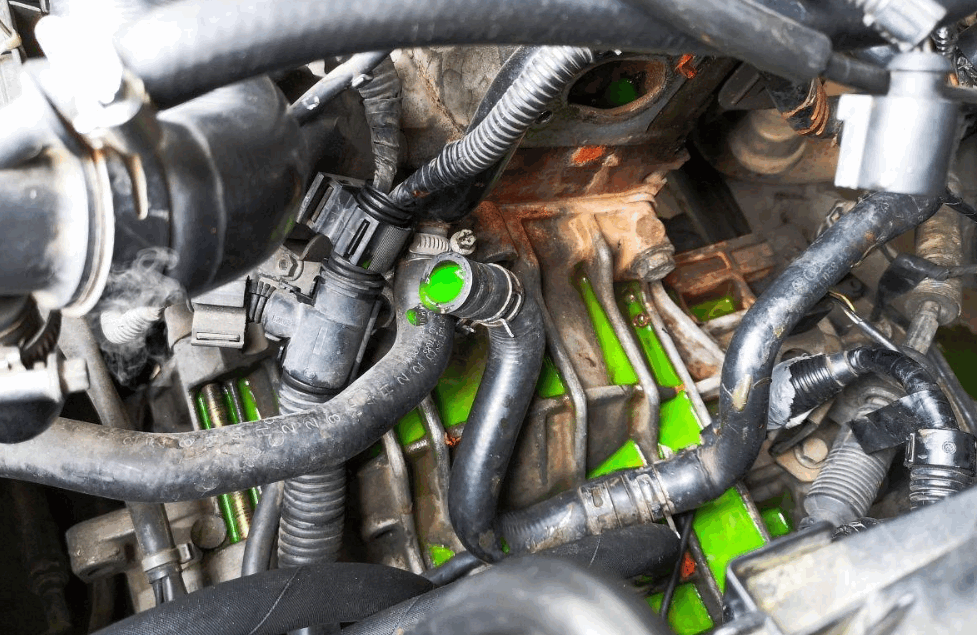
What Causes a Coolant Leak on a RAM 1500?
A RAM 1500 coolant leak can happen because of several cooling system components that become damaged, worn, or unable to maintain proper pressure. The cooling system depends on a combination of parts working together, including the radiator, water pump, hoses, thermostat housing, coolant reservoir, and engine seals. When one of these components fails, coolant can escape and reduce the system’s ability to regulate engine temperature.
One of the most common causes is damaged radiator hoses. Over time, heat cycles and engine vibrations can make the rubber hoses brittle, cracked, or weak around the connection points. A leaking hose clamp or deteriorated hose can allow coolant to drip from the front or side of the engine compartment.
A failing water pump is another frequent source of coolant leaks in RAM 1500 trucks. The water pump circulates coolant throughout the engine, and when its internal seal wears out, coolant may leak from the pump’s weep hole. This type of leak often indicates that the water pump needs replacement before it causes overheating or further cooling system damage.
The radiator can also develop leaks due to cracked plastic tanks, damaged seals, corrosion, or impact damage. Since the radiator handles constant temperature changes and coolant pressure, aging components may eventually lose their ability to contain coolant properly.
Other possible causes include a leaking thermostat housing, damaged coolant reservoir, faulty heater hoses, or failed gaskets. In more serious cases, a head gasket problem can allow coolant to enter the combustion chamber or mix with engine oil. Identifying the exact source of a RAM 1500 coolant leak is important because each failure requires a different repair approach.
Regular inspections of the cooling system, coolant level checks, and early attention to warning signs can help prevent minor leaks from developing into expensive engine problems.
Common Symptoms of a RAM 1500 Coolant Leak
Identifying the symptoms of a RAM 1500 coolant leak early can prevent overheating and expensive engine damage. A coolant leak may start as a small issue. However, it can quickly affect the cooling system and engine performance.
A visible coolant puddle under the truck is one of the most common signs. The coolant color can vary based on the formula used. It may appear green, orange, pink, or purple. The location of the puddle can also help identify the leak source. A leak near the front may point to a radiator issue. A leak near the engine may indicate a hose, water pump, or gasket problem.
A sweet smell from the engine bay is another warning sign. Coolant contains chemicals that create a noticeable sweet odor. This smell often becomes stronger after driving. It may also appear when coolant touches hot engine components.
Low coolant levels are another important symptom. A healthy cooling system should maintain a consistent coolant level. If the reservoir needs frequent refilling, there may be an active leak. Low coolant can reduce cooling efficiency and increase the risk of overheating.
Engine overheating is the most serious symptom of a RAM 1500 coolant leak. The temperature gauge may rise above the normal range. Steam may also appear from under the hood. Continuing to drive with an overheating engine can damage internal components.
Other signs include weak heater performance, coolant warning lights, and dried coolant residue around connections. Early detection allows you to repair the leak before it becomes a major cooling system failure. A proper diagnosis can help protect the engine and maintain reliable RAM 1500 performance.
How to Diagnose a RAM 1500 Coolant Leak
Finding the source of a RAM 1500 coolant leak requires a careful inspection of the cooling system. Coolant does not always drip directly below the failed component. It can move across engine parts before reaching the ground. This makes accurate diagnosis important.
Start with a visual inspection when the engine is completely cold. Check the coolant reservoir, radiator, hoses, clamps, and visible engine areas. Look for wet spots, coolant stains, or dried residue. Dried coolant often leaves a white, green, orange, or pink crust around the leaking area.
The next step is checking the cooling system pressure. A pressure test helps find leaks that are difficult to see during normal operation. A technician uses a pressure tester on the coolant reservoir or radiator opening. If the pressure drops, there is likely a leak somewhere in the system.
The water pump should also be inspected carefully. A failing water pump may leak through the weep hole. Coolant around the pump area can indicate a damaged internal seal. Replacing a faulty water pump early can prevent overheating problems.
The radiator and thermostat housing are also common inspection points. Check the radiator seams, plastic tanks, and thermostat connections for signs of leakage. Cracks and worn seals can allow coolant to escape slowly.
For difficult cases, UV dye testing can help locate hidden leaks. A special dye is added to the coolant system. A UV light can then reveal the exact leak location.
Internal engine problems require additional checks. Signs such as white exhaust smoke, coolant mixed with engine oil, or repeated coolant loss may indicate a head gasket issue. Proper diagnosis helps avoid unnecessary repairs and ensures the correct solution for the RAM 1500 coolant leak.
How to Fix a RAM 1500 Coolant Leak
Repairing a RAM 1500 coolant leak depends on the location and severity of the problem. The correct repair method requires identifying the failed component first. A small leak from a hose needs a different solution than a damaged radiator or failing water pump.
Replacing damaged radiator hoses is one of the most common repairs. Hoses can become cracked, soft, or brittle after years of heat exposure. A new hose and properly secured clamps can restore the cooling system seal and prevent further coolant loss.
A leaking radiator may require repair or replacement. Radiator damage often occurs from cracked plastic tanks, worn seals, corrosion, or physical impact. If the radiator cannot maintain coolant pressure, replacing the unit is usually the most reliable solution.
A failed water pump must also be replaced when it causes coolant leakage. The water pump is responsible for circulating coolant through the engine. A damaged seal can allow coolant to escape and reduce cooling performance. Ignoring a leaking water pump can lead to engine overheating.
Thermostat housing leaks are another common repair area on RAM 1500 models. A cracked housing or damaged gasket can allow coolant to leak slowly. Replacing the faulty housing or gasket can restore proper coolant flow and system pressure.
After completing repairs, the cooling system should be refilled with the correct coolant and properly bled. Air trapped inside the system can reduce cooling efficiency and create additional problems. A final inspection should confirm that the coolant level remains stable and no leaks are present.
Addressing a RAM 1500 coolant leak quickly can prevent major engine damage. Early repairs are usually less expensive and help maintain reliable cooling system performance.
Can You Drive a RAM 1500 with a Coolant Leak?
Driving a RAM 1500 with a coolant leak depends on the size and location of the leak. A minor leak may allow short-distance driving, but it still requires attention. Ignoring the problem can turn a simple repair into major engine damage.
A small coolant leak from a loose clamp or minor hose issue may not cause immediate overheating. However, the coolant level can continue to drop during operation. This reduces the cooling system’s ability to control engine temperature.
A major coolant leak is much more dangerous. A damaged radiator, failed water pump, or large hose failure can cause rapid coolant loss. In this situation, the engine may overheat within a short time. Driving with an overheated engine can damage the cylinder head, head gasket, and other internal components.
Before driving, check the coolant level when the engine is completely cold. If the coolant reservoir is empty or below the recommended level, avoid long trips. Monitor the temperature gauge while driving. If the temperature rises above normal, stop the vehicle immediately.
Steam from the engine bay, a strong coolant smell, or warning lights are signs that the truck should not continue operating. These symptoms indicate that the cooling system may no longer protect the engine properly.
The safest approach is to diagnose the RAM 1500 coolant leak as soon as possible. A quick inspection can prevent expensive repairs and reduce the risk of serious engine failure. If the leak is severe or the engine is overheating, towing the vehicle is the better option.
How Much Does It Cost to Repair a RAM 1500 Coolant Leak?
The cost to repair a RAM 1500 coolant leak depends on the failed component, labor time, and the severity of the damage. Some repairs are simple and affordable. Others require extensive work and can become expensive if the leak causes engine damage.
A damaged radiator hose is usually one of the least expensive repairs. The total cost depends on the hose type and labor required. Replacing a worn hose early can prevent coolant loss and protect other cooling system components.
Radiator replacement is more expensive because the part itself requires more labor to remove and install. The final price can vary based on the RAM 1500 model year, radiator design, and repair shop rates. A damaged radiator should be repaired quickly because it can cause coolant loss and overheating.
A failing water pump is another common repair with higher costs. The water pump is a critical cooling system component. Replacement may require additional labor because of its location and connection to other engine parts.
Thermostat housing repairs are usually less expensive than major cooling system repairs. However, delaying the repair can allow the leak to worsen. A small coolant leak can eventually affect engine temperature control.
In severe cases, a head gasket failure can create significant repair costs. This type of issue requires extensive engine work and should be diagnosed carefully before repair.
The best way to control repair costs is early detection. Regular coolant checks, cooling system inspections, and quick attention to warning signs can help prevent a minor RAM 1500 coolant leak from becoming a costly engine problem.
How to Prevent Future Coolant Leaks on a RAM 1500
Preventing future coolant leaks on a RAM 1500 requires regular maintenance and early inspection of the cooling system. The cooling system works under constant heat and pressure. Over time, its components can wear out and develop leaks.
Checking the coolant level regularly is one of the easiest ways to protect the engine. A sudden drop in coolant level may indicate a hidden leak. Early detection allows you to repair the problem before it affects engine temperature.
Routine inspection of hoses and connections can also prevent coolant loss. Radiator hoses can become weak due to heat, pressure, and age. Look for cracks, swelling, or soft areas during maintenance checks. Replacing worn hoses before failure can prevent unexpected breakdowns.
Using the correct coolant type is also important for long term cooling system performance. The wrong coolant mixture can affect corrosion protection and reduce component life. Always follow the recommended coolant specifications for your RAM 1500 model.
Regular coolant replacement helps maintain system efficiency. Old coolant can lose its protective properties and contribute to corrosion inside the radiator, water pump, and engine passages. A proper coolant service keeps the system clean and reliable.
It is also important to monitor engine temperature and warning signs. An overheating engine, coolant smell, or visible leaks should be inspected immediately. Small problems are usually easier and less expensive to repair.
A well maintained cooling system can extend the life of your RAM 1500 engine. Regular checks, proper coolant service, and timely repairs can reduce the risk of future coolant leaks and keep the truck operating reliably.
Conclusion
A RAM 1500 coolant leak can start as a small issue, but it may become a serious engine problem if it is ignored. The cooling system depends on many components working together, including the radiator, water pump, hoses, thermostat housing, and coolant reservoir. A failure in any of these parts can cause coolant loss and increase the risk of overheating.
Common signs of a coolant leak include low coolant levels, visible puddles, a sweet coolant smell, engine overheating, and reduced heater performance. Identifying these symptoms early can help prevent more expensive repairs and protect the engine from long term damage.
Proper diagnosis is the key to finding the correct repair solution. A visual inspection, pressure test, and detailed cooling system check can help locate the source of the leak. Depending on the cause, repairs may involve replacing hoses, repairing the radiator, replacing the water pump, or fixing damaged seals.
Regular maintenance is the best way to prevent future RAM 1500 coolant leaks. Checking coolant levels, inspecting cooling system components, and using the correct coolant can improve reliability and extend engine life.
Addressing a coolant leak quickly helps maintain proper engine temperature and prevents unnecessary repair costs. With proper care and timely repairs, the RAM 1500 cooling system can continue to provide reliable performance for many years.