When your Dodge RAM shows the lightning bolt symbol and will not start, the issue often involves the Electronic Throttle Control (ETC) system. This warning can appear suddenly and confuse many drivers.
The lightning bolt symbol monitors the vehicle’s electronic throttle system. Modern Dodge RAM models use sensors and electronic controls instead of a traditional throttle cable. When the system detects a fault, it may reduce engine power or stop normal operation.
Several problems can trigger the lightning bolt warning. A weak battery, faulty throttle body, damaged wiring, or sensor failure can all affect the Electronic Throttle Control system. Each issue requires a different repair approach.
Finding the correct cause is important before replacing any parts. A proper diagnosis can save time and prevent unnecessary expenses. Checking battery condition, scanning trouble codes, and inspecting throttle components can help identify the problem.
This guide explains what the Dodge RAM lightning bolt symbol means, why your truck may not start, and how to fix common Electronic Throttle Control problems.
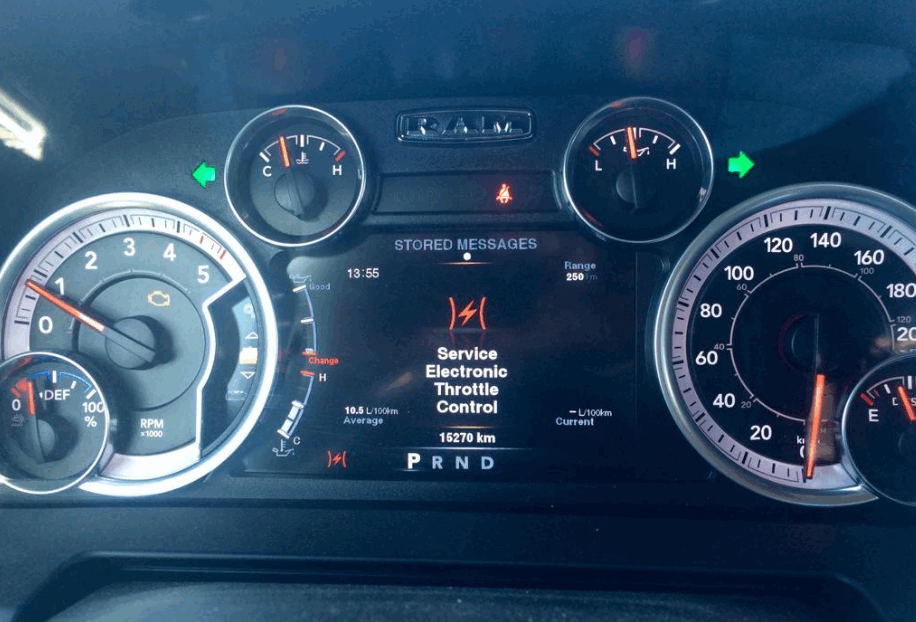
What Does the Lightning Bolt Symbol Mean on a Dodge RAM?
The lightning bolt symbol on a Dodge RAM represents a problem with the Electronic Throttle Control (ETC) system. This system controls how much air enters the engine through the throttle body. It replaces the traditional throttle cable with electronic sensors and computer controls.
The ETC system uses several important components to manage engine response. These include the throttle body, accelerator pedal position sensor, throttle position sensors, and the Powertrain Control Module (PCM). The PCM receives data from these components and adjusts the throttle opening based on driving conditions.
When the vehicle detects an unusual signal from the throttle system, it turns on the lightning bolt warning light. In some cases, the truck may enter limp mode to protect the engine from further damage. This safety feature can reduce engine power and affect normal driving performance.
A flashing or constant lightning bolt symbol should not be ignored. A minor electrical issue can sometimes trigger the warning, but the problem may also come from a failed throttle component. Proper diagnosis helps determine whether the issue requires a simple repair or a replacement part.
Understanding how the Electronic Throttle Control system works makes it easier to identify why your Dodge RAM will not start. The warning light provides an important clue that helps locate the source of the problem.
Why Won’t a Dodge RAM Start When the Lightning Bolt Symbol Appears?
A Dodge RAM may fail to start when the lightning bolt symbol appears because the Electronic Throttle Control system detects a fault. The vehicle computer may disable normal throttle operation to protect the engine. This safety response can prevent the truck from starting or cause reduced engine performance.
One of the most common causes is a weak or failing battery. The Electronic Throttle Control system needs stable voltage to communicate with sensors and the PCM. A battery with low power can create incorrect signals and trigger the lightning bolt warning.
A faulty throttle body can also cause starting problems. The throttle body controls airflow into the engine, and any internal failure can affect engine operation. Carbon buildup, electrical faults, or a damaged motor inside the throttle body may cause the system to fail.
Another possible cause is a problem with the accelerator pedal position sensor. This sensor sends information about pedal movement to the PCM. If the signal becomes inaccurate, the vehicle may not respond correctly or may refuse to start.
Electrical problems can also trigger the warning light. Loose connectors, damaged wiring, blown fuses, or poor electrical connections can interrupt communication between ETC components.
In some cases, the PCM may store error codes that identify the exact problem. Using an OBD II scanner can help locate the failure and prevent unnecessary part replacements. A proper diagnosis is the fastest way to restore your Dodge RAM to normal operation.
Symptoms That Often Accompany the Lightning Bolt Warning
The lightning bolt warning on a Dodge RAM often appears with other symptoms that help identify the source of the problem. These signs can range from minor performance changes to a complete no start condition.
One common symptom is reduced engine power. The truck may enter limp mode and limit throttle response to protect the engine. Drivers may notice slow acceleration, poor throttle response, or difficulty maintaining normal speed.
Some Dodge RAM owners experience a situation where the engine cranks but does not start. This can happen when the Electronic Throttle Control system cannot communicate correctly with the PCM. The engine may receive incorrect throttle information and fail to begin normal operation.
Another possible symptom is rough idling or unstable engine performance. A damaged throttle body or faulty sensor can affect the amount of air entering the engine. This can cause uneven idle speed, hesitation, or unexpected engine behavior.
The Check Engine Light may also appear with the lightning bolt symbol. The PCM stores diagnostic trouble codes when it detects problems within the throttle system. These codes provide useful information during troubleshooting.
In some cases, multiple dashboard warning lights may turn on at the same time. This often happens when the battery voltage drops or when an electrical connection fails. Paying attention to these warning signs can help prevent more serious issues.
Recognizing these symptoms early allows you to diagnose the Electronic Throttle Control problem before it affects your Dodge RAM’s reliability and drivability.
How to Diagnose the Problem Correctly
Diagnosing a Dodge RAM with a lightning bolt symbol requires a step by step inspection of the Electronic Throttle Control system. Finding the exact cause helps avoid replacing parts that still work correctly.
Start by checking the battery condition. The Electronic Throttle Control system depends on stable electrical power. Test the battery voltage and inspect the terminals for corrosion, loose connections, or signs of damage. A weak battery can create false warning signals.
The next step is scanning the vehicle with an OBD II scanner. The scanner reads trouble codes stored in the PCM and provides clues about the problem. Common Electronic Throttle Control codes include P2100, P2101, P2111, P2112, and P2135.
After checking the codes, inspect the throttle body and related wiring. Look for damaged connectors, broken wires, or poor connections that may interrupt communication between components. A dirty throttle body can also affect throttle operation and cause warning lights.
The accelerator pedal position sensor should also receive attention during diagnosis. This sensor sends pedal input data to the PCM. An incorrect signal can cause throttle response problems or prevent normal engine operation.
If all external components appear normal, the PCM may require further testing. A professional scan tool can check communication between control modules and confirm whether the computer system has a fault.
Following these diagnostic steps helps identify the real cause of the lightning bolt warning. Accurate testing saves repair costs and helps restore your Dodge RAM safely.
How to Fix a Dodge RAM That Won’t Start With the Lightning Bolt Symbol
Fixing a Dodge RAM with a lightning bolt warning depends on the cause of the Electronic Throttle Control problem. A correct diagnosis should come before any repair to avoid replacing unnecessary parts.
If the battery has low voltage, charging or replacing it may solve the issue. Check the battery terminals and clean any corrosion that affects electrical connections. A strong battery helps the throttle system communicate correctly with the PCM.
A dirty throttle body may need cleaning to restore proper airflow control. Carbon buildup can affect throttle movement and create incorrect signals. If the throttle body has an internal electrical failure, replacement may be necessary.
Faulty sensors can also prevent normal operation. A damaged accelerator pedal position sensor or throttle position sensor may require replacement. Installing a new sensor can restore accurate communication between the driver input and the engine control system.
Electrical problems require careful inspection. Repair damaged wires, replace faulty connectors, and check related fuses or relays. A poor connection can interrupt signals between the Electronic Throttle Control components.
Some Dodge RAM models may require a throttle relearn procedure after repairs. This process allows the PCM to recognize the throttle position and restore normal operation.
If the PCM has a software or hardware issue, professional testing may be required. A qualified technician can update the software or determine whether the control module needs replacement.
The best repair method depends on the specific failure. Proper testing ensures your Dodge RAM receives the correct fix and returns to reliable performance.
Can You Drive With the Lightning Bolt Warning Light On?
Driving with the lightning bolt warning light on depends on the condition of your Dodge RAM. In some cases, the truck may continue running, but the Electronic Throttle Control system may not work correctly.
If the vehicle enters limp mode, you may notice reduced power and slower acceleration. The truck may still move, but it may struggle during traffic, highway driving, or when climbing hills. This situation can create a safety risk if the vehicle cannot respond quickly.
A flashing lightning bolt symbol requires more attention than a steady warning light. A flashing light often indicates an active problem with the throttle system. Continuing to drive may increase the chance of further damage or sudden power loss.
If your Dodge RAM starts normally and shows no major performance issues, you may be able to drive a short distance for diagnosis. However, you should avoid long trips until you identify the cause. Checking the battery, scanning trouble codes, and inspecting the throttle system should be the next steps.
Do not continue driving if the engine stalls, the truck loses power suddenly, or multiple warning lights appear. These signs may indicate a serious electrical or throttle control problem.
The safest approach is to diagnose the lightning bolt warning as soon as possible. Early attention can prevent more expensive repairs and help maintain reliable Dodge RAM performance.
How to Prevent Future Electronic Throttle Control Problems
Preventing Electronic Throttle Control problems can help your Dodge RAM maintain reliable performance. Regular maintenance reduces the chance of sudden warning lights and starting issues.
Start with proper battery care. Check the battery condition regularly and clean the terminals when needed. A healthy battery provides stable voltage for the PCM, sensors, and electronic throttle components.
Regular throttle body maintenance can also prevent performance problems. Dirt and carbon buildup may affect throttle movement and create inaccurate signals. Cleaning the throttle body during scheduled service helps maintain smooth airflow control.
Inspect electrical connections as part of routine maintenance. Loose connectors, damaged wires, and corrosion can interrupt communication between Electronic Throttle Control components. Early inspection can prevent more serious electrical failures.
Following the recommended service schedule for your Dodge RAM is also important. Replace filters on time and address warning lights before they develop into larger problems. Small issues can become more expensive when ignored.
Using an OBD II scanner occasionally can help detect stored trouble codes before major symptoms appear. Early diagnosis allows you to fix problems before they affect vehicle operation.
Keeping your Dodge RAM software updated may also improve system reliability. In some cases, PCM updates can correct electronic control issues and improve communication between vehicle systems.
Good maintenance habits protect the Electronic Throttle Control system and reduce the risk of future lightning bolt warning problems. A proactive approach helps your truck deliver safer and more dependable performance.
Conclusion
The Dodge RAM lightning bolt symbol usually indicates a problem with the Electronic Throttle Control system. When this warning appears with a no start condition, the cause may involve the battery, throttle body, sensors, wiring, or PCM.
Finding the correct cause is the most important step before making repairs. A simple battery issue may trigger the warning, while a faulty throttle component may require replacement. Using an OBD II scanner and performing a proper inspection can help identify the exact failure.
Ignoring the lightning bolt warning can lead to reduced engine performance, limp mode, or unexpected starting problems. Regular maintenance, battery checks, and throttle system inspections can reduce the chance of future issues.
A Dodge RAM that shows the lightning bolt symbol and will not start needs careful diagnosis rather than guesswork. By understanding the common causes and solutions, you can restore reliable operation and keep your truck running safely.