The RAM 1500 air suspension system improves ride comfort and towing stability. It also adjusts the truck’s ride height automatically. This feature helps the vehicle perform better on highways, rough roads, and uneven terrain. Many owners choose higher trim levels because of these advantages.
However, the system becomes more vulnerable as the truck ages. Rubber air springs wear out over time. Air lines can develop leaks. The compressor also works harder after years of continuous use. Once one component fails, the entire suspension system may struggle to maintain the correct ride height.
Many owners first notice the truck sitting lower after being parked overnight. Others see a “Service Air Suspension System” warning on the dashboard. Some vehicles become stuck in Entry Mode or fail to raise to Normal Ride Height. These problems reduce ride comfort. They can also affect handling, towing performance, and overall driving safety.
Understanding the cause of the failure is the first step toward an effective repair. Some problems require only a minor replacement. Others involve several damaged components. This guide explains the most common RAM 1500 air suspension problems, their causes, warning signs, repair costs, and long-term solutions. It also helps you decide whether repairing the factory system or installing a coil spring conversion is the better investment.
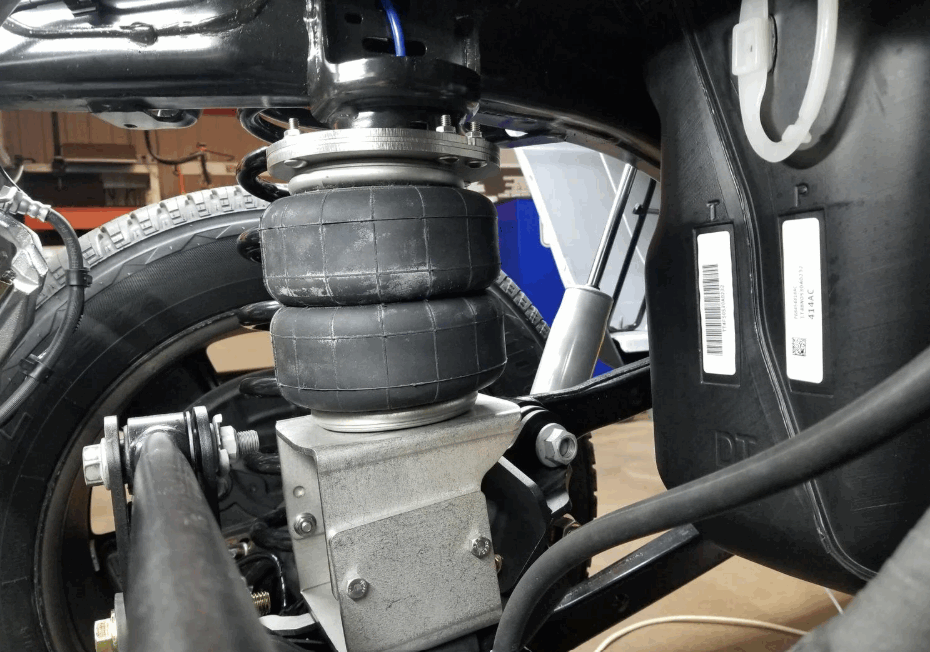
What Are the Most Common RAM 1500 Air Suspension Problems?
Several RAM 1500 air suspension problems appear more often than others. Most failures occur because the system depends on multiple mechanical and electronic components. If one part stops working correctly, the remaining components must work harder. This increases wear across the entire suspension system.
A truck that leans to one side is one of the most common warning signs. In many cases, an air spring or airline has developed a leak. Compressed air escapes slowly while the truck is parked. As a result, one corner or one axle sits lower than the others. The problem often becomes more noticeable after the vehicle has been parked overnight.
Another common issue is a suspension warning message on the dashboard. The system may display “Service Air Suspension System” or “Check Suspension System.” These alerts appear when the control module detects abnormal air pressure or incorrect ride height. A faulty height sensor or an electrical problem can also trigger the warning.
The air compressor may also run longer than normal. Under normal conditions, it operates only for a short time. However, a leaking system forces the compressor to cycle repeatedly. Continuous operation increases heat and accelerates internal wear. Eventually, the compressor may fail completely.
Cold weather creates additional challenges for many RAM 1500 owners. Low temperatures make rubber air springs less flexible. Moisture inside the air lines may also freeze. Both conditions reduce the system’s ability to maintain proper air pressure. Consequently, suspension failures become more common during winter, especially in colder climates.
What Causes RAM 1500 Air Suspension Problems?
Most RAM 1500 air suspension problems develop because system components wear out over time. The suspension relies on air pressure, electronic controls, and rubber parts. When one component begins to fail, the entire system loses efficiency. Small issues often become major repairs if they are ignored.
A leaking air spring is one of the most common causes of failure. The rubber bladder expands and contracts every time the truck changes height. Years of heat, moisture, and road debris gradually weaken the material. Small cracks eventually allow compressed air to escape. Even a minor leak forces the compressor to work harder than normal.
Air lines can also become damaged. Road salt, rocks, and vibration slowly wear down the plastic lines and their fittings. Loose connections reduce system pressure and prevent the suspension from maintaining the correct ride height. In some cases, the leak is so small that it appears only after the truck has been parked for several hours.
The air compressor is another common failure point. Its job is to restore air pressure whenever the suspension drops. However, it cannot run continuously without damage. A leaking system forces the compressor to cycle more often. Excessive heat builds inside the motor and eventually causes internal failure. Replacing the compressor without fixing the original leak usually results in the same problem returning.
Electronic components can also create suspension faults. Ride height sensors measure the position of each corner of the truck. The suspension control module uses this information to adjust air pressure automatically. A faulty sensor or damaged wiring sends incorrect data to the module. As a result, the truck may sit too high, too low, or display a suspension warning even when no air leak is present.
Cold weather increases the likelihood of failure. Low temperatures make rubber air springs less flexible. Moisture inside the system can also freeze and block airflow. These conditions prevent the suspension from adjusting normally. That is why many RAM 1500 owners experience air suspension problems during winter rather than summer.
The best way to prevent expensive repairs is to address small issues early. Repairing a minor air leak or replacing a worn sensor costs far less than replacing a failed compressor and multiple suspension components later.
How Can You Diagnose RAM 1500 Air Suspension Problems?
Diagnosing RAM 1500 air suspension problems begins with identifying the symptoms. A truck that sits unevenly is often the first warning sign. Some vehicles also display a suspension warning message or fail to adjust to the selected ride height. These symptoms indicate that one or more components are no longer working correctly.
Start with a visual inspection of the truck after it has been parked overnight. Check whether one corner sits lower than the others. A noticeable drop usually points to an air leak. If the vehicle remains level, the problem may involve the compressor, sensors, or the control module instead.
Next, listen to the air compressor during startup. Under normal conditions, it should run briefly before stopping. A compressor that runs for an extended period is trying to replace lost air pressure. Frequent cycling often indicates a leaking air spring, damaged airline, or loose fitting. Ignoring this symptom can shorten the compressor’s lifespan.
Inspect the air springs and air lines for visible damage. Look for cracked rubber, worn surfaces, or loose connections. Dirt around a fitting may also indicate escaping air. Applying a soap and water solution to suspected areas is another effective method. Bubbles usually appear where compressed air is leaking from the system.
Electronic diagnosis is equally important. A professional scan tool can read diagnostic trouble codes stored in the suspension control module. These codes help identify faulty ride height sensors, compressor relay faults, electrical failures, or communication errors. Reading the codes before replacing parts reduces unnecessary repair costs and prevents misdiagnosis.
Finally, determine whether the fault is mechanical or electrical. Mechanical failures usually involve leaking air springs, damaged air lines, or a worn compressor. Electrical problems often involve sensors, wiring, fuses, or the suspension control module. Identifying the correct type of failure allows technicians to repair the root cause instead of replacing parts that still function properly.
How Much Does It Cost to Repair RAM 1500 Air Suspension?
The cost to repair RAM 1500 air suspension problems depends on the failed component and the extent of the damage. A small air leak is usually inexpensive to repair. However, replacing multiple parts can become costly. Delaying repairs often increases the final bill because one failure can damage other components.
Air spring replacement is one of the most common repairs. A worn or cracked air spring can no longer hold pressure. Most owners replace the damaged unit instead of attempting a temporary repair. The total cost usually ranges from $400 to $900 per air spring, including parts and labor. Prices vary by model year and repair shop.
The air compressor is another expensive component. It works harder when the system develops an air leak. Continuous operation creates excessive heat and shortens its lifespan. Replacing a failed compressor typically costs $800 to $1,500. If the original leak remains, the new compressor may fail again within a short period.
Ride height sensors and air lines usually cost less to repair. A faulty sensor often costs between $200 and $500, depending on labor rates. Replacing a damaged airline or fitting is normally less expensive. However, technicians should inspect the entire system before completing the repair. Multiple leaks can appear at the same time on older vehicles.
Labor costs also affect the final repair bill. Air suspension repairs require specialized diagnostic equipment and calibration procedures. Most repair shops charge $100 to $180 per hour for labor. Dealerships often charge more than independent suspension specialists. Choosing an experienced technician can reduce the risk of repeated repairs.
Some owners consider repairing the system themselves. Simple inspections and minor airline replacements are possible with basic tools. However, replacing compressors, recalibrating ride height, or diagnosing electronic faults requires professional equipment. A proper diagnosis usually saves money because it identifies the root cause before additional parts fail.
Should You Repair the Air Suspension or Convert to Coil Springs?
Choosing between repairing the factory system and installing a coil spring conversion depends on your budget, driving needs, and long term ownership plans. Both options solve suspension issues. However, they offer different benefits. Understanding the tradeoffs helps you make a more practical decision.
Repairing the factory air suspension is the best option if you want to keep the original driving experience. The system provides excellent ride comfort and automatically adjusts the truck’s height. This feature improves towing stability and maintains consistent ground clearance under different loads. A properly repaired system can continue performing well for many years if it receives regular maintenance.
However, repairing the factory system usually costs more than replacing conventional suspension parts. Air springs, compressors, and electronic sensors eventually wear out. As the truck gets older, additional components may fail one after another. Owners who keep their vehicles for a long time should consider these future maintenance costs before investing in major repairs.
A coil spring conversion replaces the air suspension with traditional steel springs and shock absorbers. This setup removes the compressor, air springs, and electronic air management system. As a result, the suspension becomes mechanically simpler and easier to maintain. Many aftermarket conversion kits are also designed to eliminate suspension warning messages after installation.
A coil spring conversion is often the better choice for older RAM 1500 trucks with repeated suspension failures. Although ride quality may feel slightly firmer, the system is generally more reliable. Maintenance costs are also lower because there are fewer components that can fail. This makes the conversion attractive for daily drivers and high mileage vehicles.
The right choice depends on how you use your truck. Owners who value comfort, automatic leveling, and factory performance should repair the original system. Drivers who prioritize reliability, lower maintenance costs, and long term durability may benefit more from a quality coil spring conversion. Choosing the option that matches your ownership goals usually provides the best value over time.
How Can You Prevent Future Air Suspension Problems?
Preventing RAM 1500 air suspension problems starts with regular inspections and timely maintenance. Most suspension failures develop gradually rather than suddenly. Detecting small issues early helps protect expensive components and reduces the risk of unexpected breakdowns. A well maintained system also delivers better ride quality and longer service life.
Inspect the air springs at least twice a year. Look for cracks, dry rubber, or signs of abrasion. These parts expand and contract every time the suspension changes height. Constant movement eventually weakens the rubber material. Replacing a worn air spring before it leaks is far less expensive than replacing both the spring and the compressor.
Keeping the air compressor in good condition is equally important. The compressor should run only when the system needs additional air pressure. Frequent cycling often signals an air leak somewhere in the system. Addressing the leak immediately reduces stress on the compressor and prevents premature failure. Ignoring the problem allows excessive heat to build inside the motor.
Routine inspections should also include the air lines and electrical connections. Loose fittings, damaged wiring, or corroded connectors can affect system performance. Even a small electrical fault may cause incorrect ride height readings or trigger warning messages. Checking these components during scheduled maintenance helps prevent more complicated repairs later.
Driving habits also influence suspension lifespan. Avoid carrying loads that exceed the truck’s recommended payload capacity. Excess weight places additional stress on the air springs and compressor. Cleaning the underside of the truck after driving on salted winter roads also helps protect suspension components from corrosion and moisture damage.
Finally, never ignore a suspension warning light. Many owners continue driving because the truck still feels stable. However, minor faults often become expensive repairs when left unresolved. Diagnosing the issue early usually requires less time, fewer replacement parts, and a much lower repair cost. Regular maintenance remains the most effective way to extend the life of the RAM 1500 air suspension system.
Conclusion
RAM 1500 air suspension problems are not uncommon, especially as the vehicle accumulates mileage and its suspension components begin to age. Air springs, compressors, height sensors, and air lines all play critical roles in maintaining the correct ride height and overall driving comfort. When one component fails, it often places additional strain on the rest of the system. Addressing warning signs early, such as uneven ride height, frequent compressor operation, or suspension fault messages, can prevent more extensive damage and significantly reduce repair costs.
The best repair strategy depends on your priorities. Restoring the factory air suspension preserves the smooth ride, automatic load leveling, and adjustable ride height that make the RAM 1500 stand out among full-size pickup trucks. On the other hand, a coil spring conversion provides a simpler and more durable alternative for owners who prefer lower maintenance costs and long-term reliability. Neither solution is universally better, but choosing the one that aligns with your budget, driving habits, and ownership goals will deliver the greatest value.
Regular inspections, prompt repairs, and preventive maintenance remain the most effective ways to extend the life of the suspension system. By understanding the common causes, recognizing the early symptoms, and selecting the right repair approach, you can keep your RAM 1500 air suspension performing reliably while avoiding unexpected breakdowns and costly repairs in the future.