When choosing a heavy duty diesel engine, reliability often has a greater impact on ownership costs than horsepower or fuel economy. A dependable engine reduces downtime, lowers repair expenses, and allows trucks to stay on the road where they generate revenue. This is why Cummins and PACCAR have become two of the most discussed engine brands among owner operators, fleet managers, and commercial truck buyers. Both manufacturers power thousands of trucks across North America, yet they differ in engineering philosophy, maintenance requirements, and long term operating performance.
Cummins has built its reputation through decades of producing diesel engines for multiple truck manufacturers, while PACCAR develops engines primarily for Kenworth and Peterbilt vehicles with an emphasis on integrated vehicle performance. Although both brands deliver strong performance and comply with modern emissions regulations, their real world ownership experience can vary depending on hauling applications, maintenance practices, and operating environments.
This guide provides a detailed comparison of Cummins and PACCAR engines based on the factors that matter most to truck owners. You will learn how they compare in reliability, performance, fuel economy, maintenance costs, engine lifespan, and resale value. By the end of this article, you will have a clear understanding of which diesel engine offers the best value for your specific trucking operation.
What Are the Main Differences Between Cummins and PACCAR Engines?
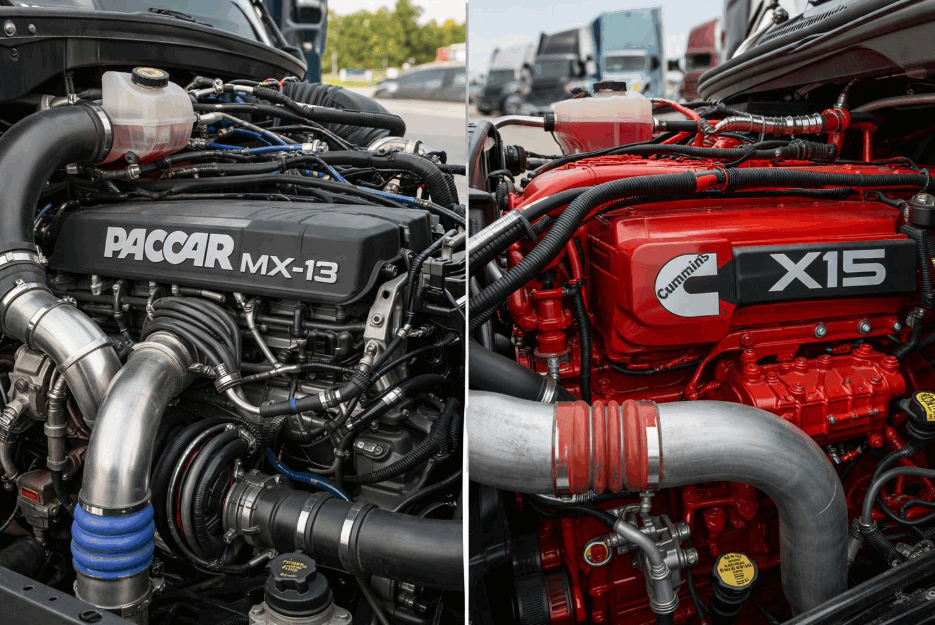
Cummins and PACCAR engines differ in their engineering goals, product strategy, and target customers. Cummins builds versatile diesel engines for many truck manufacturers, while PACCAR develops engines specifically for Kenworth and Peterbilt trucks. This difference affects reliability, maintenance, fuel economy, and long term ownership costs.
Cummins has produced diesel engines for more than 100 years. Today, its engines power trucks from several major manufacturers, including Freightliner, Kenworth, Peterbilt, and Western Star. Popular models such as the Cummins X15 and B6.7 support long haul transportation, vocational work, construction, and agriculture. Because many truck brands use Cummins engines, repair shops, replacement parts, and certified technicians are easy to find across North America. As a result, owners often spend less time searching for service and more time keeping their trucks on the road.
PACCAR follows a different strategy. The company designs the MX-11 and MX-13 engines to work specifically with Kenworth and Peterbilt trucks. Engineers develop the engine, transmission, cooling system, and electronic controls as one integrated package. This approach improves communication between major components and helps optimize overall vehicle efficiency. It also allows PACCAR to deliver smoother power delivery and competitive fuel economy in many commercial applications.
The two manufacturers also focus on different ownership priorities. Cummins emphasizes proven durability, simple maintenance, and broad service support. PACCAR prioritizes vehicle integration, operating efficiency, and lower fuel consumption. Neither approach is inherently better because each serves different business needs. Understanding these differences makes it easier to compare reliability, performance, maintenance costs, and long term value in the following sections.
Is Cummins More Reliable Than PACCAR?
Cummins has earned a stronger reputation for long term reliability than PACCAR in the heavy duty trucking industry. Many owner operators and fleet managers choose Cummins because the engines have a long service history, a broad support network, and consistent performance under demanding conditions. However, modern PACCAR engines have also improved significantly and deliver dependable performance when they receive proper maintenance.
Cummins engines often exceed one million miles before requiring a major overhaul. Models such as the Cummins X15 have demonstrated reliable operation in long haul applications with scheduled maintenance and quality replacement parts. The company also benefits from decades of engineering experience and one of the largest service networks in North America. As a result, owners can find experienced technicians and genuine replacement parts in most regions. This accessibility reduces repair delays and helps trucks return to service more quickly.
PACCAR engines also provide solid reliability, especially the latest MX-13 models. The company has improved engine components, cooling systems, and emissions technology over several generations. These updates have reduced many of the reliability concerns reported in earlier models. Nevertheless, some owners still report higher repair costs because certain components require specialized diagnostics or dealer support. This limitation may increase downtime in areas with fewer authorized service centers.
Maintenance plays an equally important role in engine reliability. Regular oil changes, quality fuel, proper cooling system care, and timely emissions maintenance help both engines achieve their expected lifespan. A neglected engine will develop problems regardless of the manufacturer. Overall, Cummins remains the preferred choice for buyers who prioritize proven durability and easier maintenance, while PACCAR offers competitive reliability for operators who maintain their trucks according to the recommended service schedule.
Which Engine Delivers Better Performance?
Cummins and PACCAR engines both deliver strong performance, but they excel in different operating conditions. Cummins generally provides higher torque and stronger pulling power, while PACCAR focuses on smooth power delivery and fuel efficient operation. The better choice depends on the type of freight, route, and daily workload.
Cummins engines are well known for producing high torque across a broad RPM range. Models such as the Cummins X15 offer up to 605 horsepower and 2,050 lb ft of torque. This output helps drivers maintain speed on steep grades and carry heavy loads with less effort. Many owner operators prefer Cummins for long haul routes because the engine responds quickly under demanding conditions and performs consistently over high mileage.
PACCAR engines also deliver competitive performance, especially in regional and highway applications. The MX 13 produces up to 510 horsepower and 1,850 lb ft of torque, which is sufficient for most commercial operations. Engineers tune the engine to work closely with the transmission and driveline. This integrated design creates smooth acceleration, stable cruising speeds, and efficient power transfer. Drivers often notice a refined driving experience during everyday highway operation.
Performance also depends on the truck configuration and maintenance schedule. Gear ratios, transmission settings, vehicle weight, and driving habits all influence how an engine performs in real world conditions. Even the most powerful engine cannot deliver its full potential without proper maintenance. Overall, Cummins remains the stronger option for maximum towing capability and demanding workloads, while PACCAR offers balanced performance for fleets that value efficiency, comfort, and consistent daily operation.
Which Engine Offers Better Fuel Economy?
Fuel economy depends on more than the engine alone, but PACCAR engines generally achieve slightly better fuel efficiency in comparable highway applications. Their integrated design helps reduce fuel consumption during steady driving, while Cummins focuses on delivering higher power and greater flexibility across different workloads.
PACCAR develops its engines as part of a complete powertrain system. The engine, transmission, rear axle, and electronic controls work together to keep the engine operating within its most efficient RPM range. This strategy reduces unnecessary fuel use during highway cruising and regional transportation. Many fleets choose PACCAR because even a small improvement in fuel economy can generate significant savings over hundreds of thousands of miles.
Cummins engines also deliver competitive fuel efficiency, especially the latest X15 Performance and Efficiency Series. Advanced fuel injection, variable geometry turbocharging, and intelligent engine controls help optimize combustion under changing road conditions. Drivers who maintain steady speeds and avoid excessive idling often report fuel economy that closely matches comparable PACCAR powered trucks. In many situations, driving habits have a greater impact on fuel consumption than the engine itself.
Vehicle weight, trailer aerodynamics, tire pressure, terrain, and maintenance all influence fuel economy. Dirty air filters, underinflated tires, or poor driving techniques can increase fuel consumption regardless of the engine brand. Regular maintenance and efficient driving practices remain the most effective ways to improve overall operating costs. Overall, PACCAR offers a slight advantage for fleets that prioritize maximum fuel efficiency, while Cummins provides an excellent balance between fuel economy, power, and versatility across a wider range of commercial applications.
Which Engine Costs Less to Maintain?
Maintenance costs vary by driving conditions, service intervals, and repair quality. Cummins generally costs less to maintain over the long term because replacement parts are widely available and more repair shops specialize in Cummins engines. PACCAR engines also offer predictable maintenance costs, but some repairs may require dealer specific equipment and trained technicians.
Cummins benefits from one of the largest service networks in the heavy duty trucking industry. Many independent repair facilities stock genuine and aftermarket Cummins parts, making routine maintenance more convenient. Components such as filters, sensors, belts, and water pumps are easy to source in most regions. Faster access to replacement parts often shortens repair times and helps reduce downtime. This advantage is especially valuable for owner operators who rely on every working day to generate income.
PACCAR engines also follow structured maintenance schedules that support long service life. Routine services such as oil changes, fuel filter replacement, coolant inspections, and valve adjustments remain straightforward when completed on time. However, some engine diagnostics and electronic calibrations require authorized PACCAR software or dealership support. As a result, repair costs may increase when specialized equipment or factory trained technicians are necessary.
Unexpected repairs usually create the largest maintenance expenses. Emissions components, turbochargers, fuel injectors, and cooling system parts become more expensive as engine mileage increases. Preventive maintenance reduces the likelihood of these failures and extends engine life. Owners who inspect their trucks regularly often avoid costly breakdowns that interrupt operations and increase operating expenses.
Overall, Cummins offers a maintenance advantage because of its extensive service network, broad parts availability, and strong aftermarket support. PACCAR remains a dependable option for operators who follow the recommended maintenance schedule and have convenient access to authorized service centers.
Which Engine Has a Longer Lifespan?
Engine lifespan depends on maintenance quality, operating conditions, and driving habits. Cummins engines often last longer than PACCAR engines because they have a long history of operating reliably under high mileage and demanding workloads. However, both manufacturers build engines that can deliver exceptional service life when owners follow the recommended maintenance schedule.
Many Cummins engines reach one million miles before requiring a major overhaul. Some well maintained engines continue operating beyond that point with only routine component replacements. Strong engine blocks, durable internal components, and continuous product improvements contribute to this reputation. In addition, the availability of experienced technicians makes it easier to identify and resolve minor issues before they develop into expensive mechanical failures.
PACCAR engines also offer impressive durability. Modern MX Series engines are designed for high mileage commercial applications and include stronger materials, improved cooling systems, and advanced electronic controls. These improvements have increased engine longevity compared with earlier generations. Fleet operators who perform preventive maintenance on schedule often report dependable performance throughout the engine’s expected service life.
Several external factors influence engine lifespan regardless of the manufacturer. Frequent overloading, excessive idling, poor fuel quality, and missed maintenance intervals accelerate component wear. Regular oil analysis, cooling system inspections, and timely filter replacement help prevent premature failures. Drivers who operate their trucks smoothly also reduce unnecessary stress on the engine and drivetrain.
Overall, Cummins maintains a slight advantage in long term durability because of its proven record across multiple industries and operating environments. PACCAR remains a strong competitor, especially for fleets that prioritize scheduled maintenance and operate within recommended performance limits.
What Common Problems Do Cummins and PACCAR Engines Have?
No diesel engine is completely free from mechanical problems. Cummins and PACCAR engines each have common issues, but most develop after high mileage, poor maintenance, or demanding operating conditions. Understanding these problems helps truck owners reduce repair costs and prevent unexpected downtime.
Cummins engines are generally reliable, but several components require attention as mileage increases. Turbochargers, EGR valves, fuel injectors, and DPF systems may experience wear after years of heavy use. Carbon buildup inside the emissions system can also reduce engine efficiency if routine cleaning and maintenance are delayed. Most of these issues develop gradually, giving owners time to identify warning signs before they become major repairs. Regular inspections and scheduled servicing often prevent costly failures.
PACCAR engines share many of the same emissions related challenges because they operate under strict environmental regulations. Components such as DEF systems, NOx sensors, and electronic control modules may require replacement during the engine’s service life. Some operators also report cooling system leaks or sensor failures after extended operation. While these problems do not affect every engine, they can increase repair costs when specialized diagnostic equipment is required.
Maintenance remains the most effective way to prevent engine problems. High quality engine oil, clean fuel, proper coolant levels, and timely filter replacement all reduce mechanical wear. Drivers should also address warning lights immediately instead of continuing to operate the truck. Early repairs usually cost less than replacing damaged components after a complete failure.
Overall, Cummins and PACCAR both produce dependable diesel engines with proven records in commercial trucking. Most reported problems relate to emissions equipment and normal component wear rather than major engine design flaws. Owners who follow the recommended maintenance schedule can expect reliable performance from either engine throughout its intended service life.
Which Diesel Engine Is Better for Different Trucking Applications?
The best diesel engine depends on how the truck operates each day. Cummins is the better choice for operators who prioritize durability, towing power, and service accessibility, while PACCAR is better suited for fleets that focus on fuel efficiency and integrated vehicle performance. Matching the engine to the application often produces better long term results than choosing the engine with the highest specifications.
Cummins performs exceptionally well in long haul transportation, heavy hauling, construction, and vocational applications. Its strong torque output helps maintain performance on steep grades and under heavy loads. The extensive service network also benefits owner operators who travel across different regions. If an unexpected repair becomes necessary, drivers can usually find qualified technicians and replacement parts without significant delays. This support reduces downtime and protects revenue during long distance operations.
PACCAR engines excel in regional distribution, dedicated freight routes, and fleet operations. Their integrated powertrain improves fuel efficiency during consistent highway driving and supports predictable operating costs. Fleet managers also benefit from standardized maintenance schedules and optimized vehicle systems. When trucks follow planned service intervals, PACCAR engines provide dependable performance and competitive operating efficiency throughout their service life.
Buying decisions should also consider maintenance resources, annual mileage, and ownership goals. An owner operator who performs basic maintenance may value the widespread availability of Cummins parts and repair facilities. A large fleet with dedicated service technicians may prefer PACCAR because its integrated design simplifies maintenance planning across similar vehicles. In both cases, proper maintenance remains the key factor behind long term reliability and operating costs.
Overall, Cummins stands out for buyers who value proven durability, stronger pulling power, and easier maintenance. PACCAR offers an excellent alternative for fleets that prioritize fuel efficiency, system integration, and consistent day to day performance. Choosing the engine that matches your operating requirements will deliver the greatest value over the life of the truck.
Conclusion
Cummins and PACCAR both build dependable diesel engines that meet the demands of modern commercial trucking. Neither engine is universally better because each offers distinct advantages for different operating needs. Cummins has established a reputation for exceptional durability, broad service support, and strong performance under heavy workloads. PACCAR distinguishes itself through efficient powertrain integration, competitive fuel economy, and refined highway performance.
The final decision should depend on how the truck will be used rather than brand preference alone. Owner operators who travel long distances or work in remote areas often benefit from Cummins because parts and qualified technicians are widely available. Fleet operators may find greater value in PACCAR when standardized maintenance, fuel savings, and integrated vehicle performance align with their business objectives.
Long term ownership success also depends on consistent maintenance. Regular servicing, quality replacement parts, proper driving habits, and timely repairs have a greater influence on reliability than the engine badge itself. Whether you choose Cummins or PACCAR, following the manufacturer’s maintenance recommendations will maximize engine lifespan, reduce downtime, and improve total operating costs. Selecting the engine that best matches your hauling requirements and maintenance capabilities will provide the strongest return on your investment.