Choosing the correct coolant for a 6.7 Cummins engine is one of the most important maintenance decisions you can make. The coolant does far more than prevent the engine from freezing during winter. It regulates operating temperature, protects internal metal components from corrosion, lubricates the water pump, and helps maintain efficient heat transfer throughout the cooling system. Using the wrong coolant or mixing incompatible formulas can reduce these protective properties and lead to overheating, clogged passages, damaged seals, or premature component failure.
Modern 6.7 Cummins engines are designed to work with coolant that meets specific Cummins performance standards rather than a particular color. Although many owners assume that green, orange, purple, or yellow coolant indicates compatibility, the chemical formulation and manufacturer specifications are what truly matter. Selecting a coolant that meets the required standards ensures long service life and reliable engine performance under daily driving, towing, and heavy-duty applications.
This guide explains the correct coolant type for every generation of the 6.7 Cummins engine. It also covers model year differences, OAT and HOAT coolant technologies, compatible replacement products, coolant capacity, service intervals, proper flushing procedures, and the risks of using an incorrect coolant. By the end of this article, you will know exactly which coolant your engine requires and how to maintain the cooling system for maximum reliability.
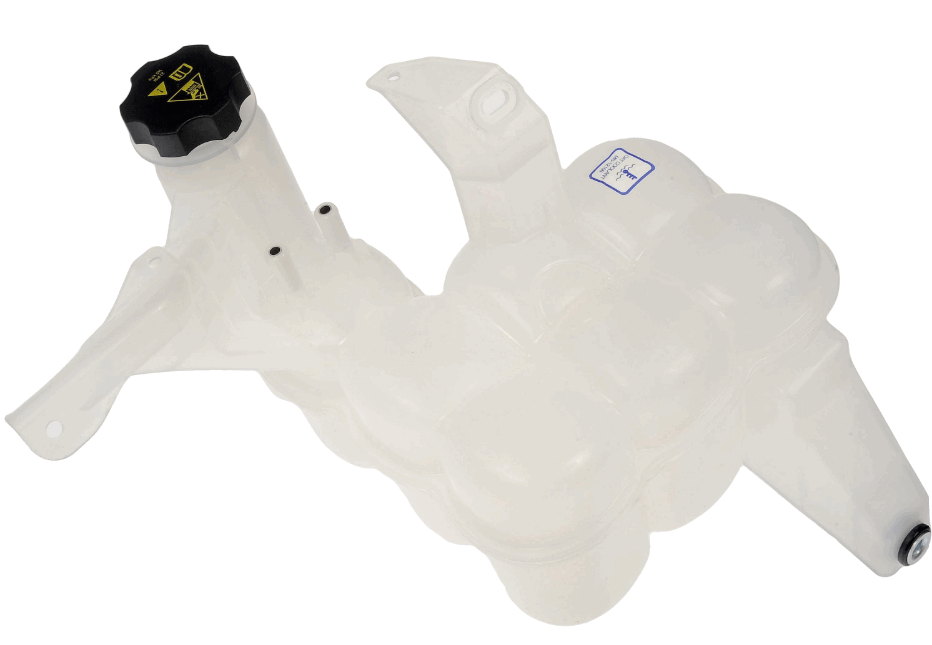
What Is the Correct 6.7 Cummins Coolant Type?
The correct 6.7 Cummins coolant type depends on the engine’s model year, but every engine should use a coolant that meets the specifications approved by Cummins. Newer 6.7 Cummins engines are factory-filled with Organic Acid Technology (OAT) coolant, while earlier models may use Hybrid Organic Acid Technology (HOAT) coolant. The most important requirement is following the manufacturer’s specification instead of choosing coolant based only on its color.
Cummins recommends extended-life coolant because it provides long-lasting protection against corrosion, scale buildup, cavitation, and freezing. Unlike conventional antifreeze, OAT coolant contains organic corrosion inhibitors that protect aluminum, cast iron, steel, and other metals found throughout the cooling system. This technology also extends service intervals, reducing maintenance costs while maintaining stable engine temperatures under heavy loads.
Using the correct coolant protects every major component in the cooling system. The radiator transfers heat more efficiently, the water pump receives proper lubrication, and the thermostat continues operating within its designed temperature range. At the same time, the coolant prevents rust from forming inside coolant passages that could eventually restrict coolant flow and reduce cooling performance.
Many owners believe coolant color determines compatibility. This is a common misconception. Manufacturers often use different dye colors for similar coolant technologies, while coolants with identical colors may contain completely different additive packages. For this reason, Cummins recommends selecting coolant based on its performance specification rather than its appearance. Verifying compatibility before topping off or replacing coolant is the safest way to protect the engine and maintain long-term reliability.
Does the Recommended Coolant Change by Model Year?
Yes, the recommended coolant for a 6.7 Cummins engine changes by model year. Cummins updated its coolant requirements as cooling system technology improved. Earlier engines commonly used HOAT coolant, while newer models left the factory with OAT coolant. Knowing your truck’s model year helps you choose the correct product and avoid compatibility problems.
The 2007.5 to 2012 6.7 Cummins models generally used Hybrid Organic Acid Technology (HOAT) coolant. This coolant combines organic corrosion inhibitors with inorganic additives. It protects cast iron, aluminum, brass, and copper components from corrosion and cavitation. HOAT also performs well under heavy towing and commercial driving conditions. However, owners should still confirm the required specification before adding coolant because previous services may have changed the original factory fill.
Ram gradually introduced Organic Acid Technology (OAT) coolant on later 6.7 Cummins models. OAT coolant uses a different additive package that provides longer-lasting corrosion protection. It also extends coolant service intervals and reduces routine maintenance. These benefits make OAT coolant the standard choice for most modern 6.7 Cummins engines.
The table below shows the general factory recommendations by model year.
| Model Year | Factory Coolant Technology | Recommendation |
|---|---|---|
| 2007.5–2012 | HOAT | Use HOAT or an approved equivalent that meets the required specification. |
| 2013–2018 | Transition Period | Check the owner’s manual or the coolant reservoir label before refilling. |
| 2019–Present | OAT | Use Mopar OAT or an equivalent coolant that meets Cummins specifications. |
The model year provides a useful starting point, but it should not be your only reference. Many used trucks no longer contain the original factory coolant. Some owners switch coolant types after a complete system flush. Others install aftermarket products during routine maintenance. For this reason, always verify the coolant already in the system before topping it off. Following the required Cummins specification is the safest way to maintain cooling performance and protect the engine over the long term.
What Is the Difference Between OAT and HOAT Coolant?
The biggest difference between OAT and HOAT coolant is the corrosion protection technology they use. Both coolant types regulate engine temperature, prevent freezing, and protect the cooling system from corrosion. However, they use different additive packages and follow different maintenance schedules. Choosing the correct coolant is important because the 6.7 Cummins cooling system is designed to work with a specific chemical formula rather than a specific coolant color.
Organic Acid Technology (OAT) coolant uses organic corrosion inhibitors that protect metal surfaces only when corrosion begins to develop. This targeted protection slows additive depletion and extends coolant life. OAT coolant also improves heat transfer by reducing mineral deposits inside the radiator and engine block. For these reasons, Cummins and Ram adopted OAT coolant as the factory fill for most newer 6.7 Cummins engines.
Hybrid Organic Acid Technology (HOAT) coolant combines organic acids with inorganic additives, such as silicates. These additives create a protective barrier over metal surfaces immediately after the coolant circulates through the system. While this design offers excellent corrosion protection, the inorganic additives wear out more quickly. As a result, HOAT coolant usually requires a shorter replacement interval than OAT coolant.
Compatibility is another major difference. OAT and HOAT coolants are not designed to work together. Mixing them can reduce the effectiveness of the corrosion inhibitors and shorten coolant life. Over time, the cooling system may develop sludge, deposits, or restricted coolant flow. These problems reduce cooling efficiency and increase the risk of overheating, water pump wear, and radiator damage.
For most 2013 and newer 6.7 Cummins engines, OAT coolant is the recommended choice because it meets the latest factory requirements and supports extended service intervals. Earlier models may still require HOAT coolant unless the cooling system has been completely flushed and converted to an approved OAT formulation. Before adding or replacing coolant, always confirm the required specification in the owner’s manual or on the coolant reservoir label. Following the manufacturer’s recommendation provides the best protection for the engine and helps maximize the lifespan of the entire cooling system.
Can You Mix Different Coolant Types in a 6.7 Cummins?
No, you should not mix different coolant types in a 6.7 Cummins unless the manufacturer specifically states they are compatible. Every coolant contains a unique additive package that protects the cooling system from corrosion, cavitation, and scale buildup. Mixing incompatible formulas can reduce this protection and shorten the service life of the coolant. Even if the engine continues to run normally, the cooling system may suffer long-term damage.
Many owners assume that coolant color determines compatibility. This assumption is incorrect. Coolant color is only a dye selected by the manufacturer. Two orange coolants may use different chemical technologies, while two coolants with different colors may meet the same specification. The correct way to select coolant is by checking the Cummins or Mopar specification instead of relying on appearance.
Mixing OAT and HOAT coolant can dilute the corrosion inhibitors that protect internal engine components. As the additive package breaks down, rust, sludge, and mineral deposits may begin to form inside the radiator, heater core, engine block, and water pump. These deposits restrict coolant flow, reduce heat transfer, and increase operating temperatures. Over time, the cooling system becomes less efficient, which may lead to overheating and premature component failure.
If you accidentally mix two incompatible coolants, avoid adding more coolant to dilute the problem. The safest solution is to drain the entire cooling system, flush it thoroughly, and refill it with the correct coolant that meets the required Cummins specification. This process removes contaminated coolant and restores the proper level of corrosion protection.
If you only need to top off the coolant, always use the same coolant type that is already in the system. If the existing coolant cannot be identified, inspect the maintenance records or test the coolant before adding anything. When the coolant history is unknown, a complete coolant flush is the safest option. Following this approach protects the radiator, water pump, thermostat, and engine block while helping the 6.7 Cummins cooling system perform as designed for many years.
What Are the Best Coolants for a 6.7 Cummins?
The best coolant for a 6.7 Cummins is one that meets the specifications required by Cummins and Ram. Manufacturer approval is more important than brand or coolant color. A coolant that meets the correct standard provides reliable protection against corrosion, freezing, overheating, and cavitation. It also helps extend the service life of the radiator, water pump, thermostat, and other cooling system components.
Mopar OAT 10 Year/150,000 Mile Coolant is the factory-recommended coolant for most newer 6.7 Cummins engines. It uses Organic Acid Technology (OAT) to provide long-lasting corrosion protection and stable cooling performance. Because it matches the original factory fill, it is the safest option for routine maintenance and coolant replacement. Owners who want to maintain factory specifications should choose this coolant whenever possible.
Fleetguard ES Compleat OAT is another excellent choice. Fleetguard is a Cummins-owned brand that develops products specifically for Cummins diesel engines. This coolant meets the required performance standards and delivers excellent protection under heavy towing, commercial use, and demanding operating conditions. Many fleet operators choose Fleetguard because of its proven durability and long service life.
Several aftermarket manufacturers also produce compatible coolants. PEAK Final Charge Global Extended Life Coolant and Zerex HD Extended Life Coolant are popular examples. These products are designed for heavy-duty diesel engines and meet industry standards required by many commercial applications. Before purchasing any aftermarket coolant, always confirm that it satisfies the specifications recommended for your particular 6.7 Cummins model year.
The table below compares several common coolant options.
| Coolant | Technology | Best For |
|---|---|---|
| Mopar OAT 10 Year/150,000 Mile | OAT | Factory replacement for newer Ram trucks |
| Fleetguard ES Compleat OAT | OAT | Cummins-approved heavy-duty applications |
| PEAK Final Charge Global ELC | OAT | Extended service life and commercial fleets |
| Zerex HD Extended Life | OAT | Heavy-duty diesel cooling systems |
Regardless of the product you choose, never select coolant based only on price or color. Always verify that it meets the required Cummins specification for your engine. Using an approved coolant protects the cooling system, extends maintenance intervals, and helps the 6.7 Cummins engine deliver reliable performance throughout its service life.
How Often Should You Change Coolant in a 6.7 Cummins?
The coolant replacement interval for a 6.7 Cummins depends on the coolant technology used in the engine. Modern OAT coolant lasts much longer than older HOAT coolant because it uses a more durable additive package. Following the correct service interval helps maintain corrosion protection, stable engine temperatures, and reliable cooling system performance.
Most newer 6.7 Cummins engines leave the factory with Mopar OAT coolant. Under normal driving conditions, this coolant is designed to last up to 10 years or 150,000 miles, whichever comes first. After the initial replacement, the coolant should typically be changed every 5 years or 100,000 miles. These intervals may vary slightly depending on the model year and maintenance schedule, so the owner’s manual should always be the final reference.
Earlier 6.7 Cummins models that use HOAT coolant require more frequent maintenance. HOAT coolant usually has a service life of 5 years or 100,000 miles because its inorganic corrosion inhibitors are consumed more quickly. As these additives break down, the coolant becomes less effective at protecting the radiator, water pump, engine block, and heater core from corrosion and scale buildup.
Operating conditions can also affect coolant life. Trucks that tow heavy trailers, haul large loads, or operate in extreme temperatures place greater stress on the cooling system. Frequent stop-and-go driving and extended idling can also increase thermal loads. Under these conditions, regular coolant inspections become more important than relying only on mileage or time.
In addition to following the recommended service interval, inspect the coolant during routine maintenance. Clean coolant should appear free of rust, oil contamination, sludge, or floating debris. A drop in coolant level without an external leak may also indicate an internal cooling system problem that requires immediate attention.
Replacing coolant on schedule is one of the simplest ways to protect a 6.7 Cummins engine. Fresh coolant maintains proper heat transfer, prevents internal corrosion, and reduces wear on critical cooling system components. Consistent maintenance also lowers the risk of overheating and helps the engine deliver dependable performance throughout its service life.
What Happens If You Use the Wrong Coolant?
Using the wrong coolant in a 6.7 Cummins reduces cooling system performance and increases the risk of expensive engine repairs. Every coolant contains a specific additive package that protects metal surfaces, prevents corrosion, and maintains efficient heat transfer. If you choose a coolant that does not meet the required Cummins specification, you weaken that protection and expose the cooling system to premature wear.
One of the first problems is reduced corrosion protection. Incompatible coolant weakens the additives that protect aluminum, cast iron, copper, and brass components. As the additives lose their effectiveness, rust and corrosion begin to develop inside the radiator, engine block, heater core, and water pump. Drivers often do not notice these changes immediately because the damage develops slowly. Over time, corrosion reduces cooling efficiency and shortens the life of major components.
The wrong coolant also creates sludge and mineral deposits inside the cooling system. These contaminants restrict coolant flow through the radiator and engine block. Poor circulation reduces heat transfer and raises engine temperatures, especially during towing or hot weather. Continued overheating places extra stress on the head gasket, thermostat, radiator, and water pump. Eventually, these parts may fail much earlier than expected.
Mixing OAT and HOAT coolant creates another serious problem. The two additive packages react differently and lose effectiveness when combined. As a result, the coolant loses corrosion protection much sooner than designed. The cooling system then struggles to control rust, deposits, and internal wear. Even clean-looking coolant may no longer protect the engine properly.
If you accidentally add the wrong coolant, drain the cooling system completely instead of topping it off with the correct product. Flush the system thoroughly before you refill it with coolant that meets the required Cummins specification. This process removes contaminated coolant, restores the correct chemical balance, and helps the cooling system operate efficiently again.
You can avoid these problems by following one simple rule. Always verify the required coolant specification before you add or replace coolant. Never rely on coolant color or brand name alone. Choosing an approved coolant protects the engine, extends the life of cooling system components, and keeps your 6.7 Cummins operating reliably for years.
Conclusion
Choosing the correct 6.7 Cummins coolant type is one of the simplest ways to protect your engine and avoid costly cooling system repairs. The most important step is to follow the coolant specification recommended for your model year instead of choosing a product based on its color or brand. Modern engines typically require OAT coolant, while many earlier models use HOAT coolant. Using the correct formula helps prevent corrosion, supports efficient heat transfer, and extends the life of the radiator, water pump, thermostat, and other cooling system components.
Routine maintenance is just as important as selecting the right coolant. Replace coolant at the recommended service interval, inspect the cooling system regularly, and avoid mixing different coolant technologies. If you do not know which coolant is currently in the engine, verify the specification before adding more coolant or perform a complete coolant flush. Taking these precautions helps maintain consistent engine temperatures and reduces the risk of overheating under heavy loads or extreme weather conditions.
By following the manufacturer’s recommendations and using an approved coolant, you can keep your 6.7 Cummins cooling system operating efficiently for years. Proper coolant maintenance improves reliability, reduces long-term repair costs, and helps your diesel engine deliver the performance and durability it was designed to provide.