Seeing several warning lights appear on your Honda dashboard can be frustrating, especially when the vehicle still seems to drive normally. After connecting a diagnostic scanner, many owners discover the Honda 61-11 Code but have little idea what it actually means. Some immediately assume that the ABS module has failed, while others worry about expensive repairs without understanding the real cause. Fortunately, this diagnostic trouble code often points to an electrical issue rather than a complete component failure.
In many Honda models, the Honda 61-11 Code indicates that the ABS or Vehicle Stability Assist control unit has detected low voltage in its ignition power circuit. This situation can result from a weak battery, poor electrical connections, charging system problems, damaged wiring, or excessive voltage drop. Although the warning may appear serious, replacing the ABS control module should never be the first step. A systematic diagnosis is essential because many vehicles only require a simple electrical repair to restore normal operation.
Understanding this code is important because low system voltage can affect several safety related systems at the same time. As a result, you may notice the ABS light, VSA light, traction control warning, or even multiple dashboard messages appearing together. Ignoring these warnings can eventually lead to reduced braking assistance or stability control performance, especially when driving on wet or slippery roads.
This complete guide explains everything you need to know about the Honda 61-11 Code. You will learn what the code means, what symptoms to expect, the most common causes, how professional technicians diagnose the problem, the best repair methods, estimated repair costs, and practical tips to prevent the issue from returning. By following the correct diagnostic process, you can avoid replacing expensive parts unnecessarily and identify the real source of the problem with confidence.
What Does the Honda 61-11 Code Mean?
The Honda 61-11 Code indicates that the Anti Lock Braking System or Vehicle Stability Assist control unit has detected low voltage in its ignition power supply circuit. Simply put, the module is not receiving the stable electrical power it needs to operate correctly. When the voltage falls below the expected range, the system stores the code and illuminates one or more warning lights on the dashboard to notify the driver of a potential problem.
Unlike engine related trouble codes, the Honda 61-11 Code belongs to the brake and stability control system. It focuses on the electrical power supplied to the ABS or VSA modulator control unit rather than engine performance. Because these safety systems rely on consistent voltage, even a temporary drop during engine startup or while driving can trigger the code. If the voltage problem continues, the warning light usually remains on until the underlying issue is repaired and the code is cleared.
The ABS and VSA control unit performs several important functions that help improve vehicle safety. It monitors wheel speed, controls brake pressure during hard braking, assists traction control, and supports vehicle stability on slippery roads. To perform these tasks accurately, the module must receive a clean and stable power supply. Any interruption in voltage can reduce system performance or temporarily disable these advanced safety features.
Although this diagnostic code often appears alarming, it does not automatically mean that the ABS control module has failed. In many cases, the root cause is a weak battery, poor battery connections, damaged wiring, faulty ground points, or a charging system problem. Identifying the true source of the voltage loss is essential because replacing expensive components without proper testing can lead to unnecessary repair costs and fail to solve the problem.
Is Honda 61-11 Code an Engine Code?
Many Honda owners think every diagnostic trouble code comes from the engine. However, the Honda 61-11 Code is different. It belongs to the Anti Lock Braking System or Vehicle Stability Assist system instead of the engine management system. As a result, it points to a braking or stability control issue rather than an engine problem.
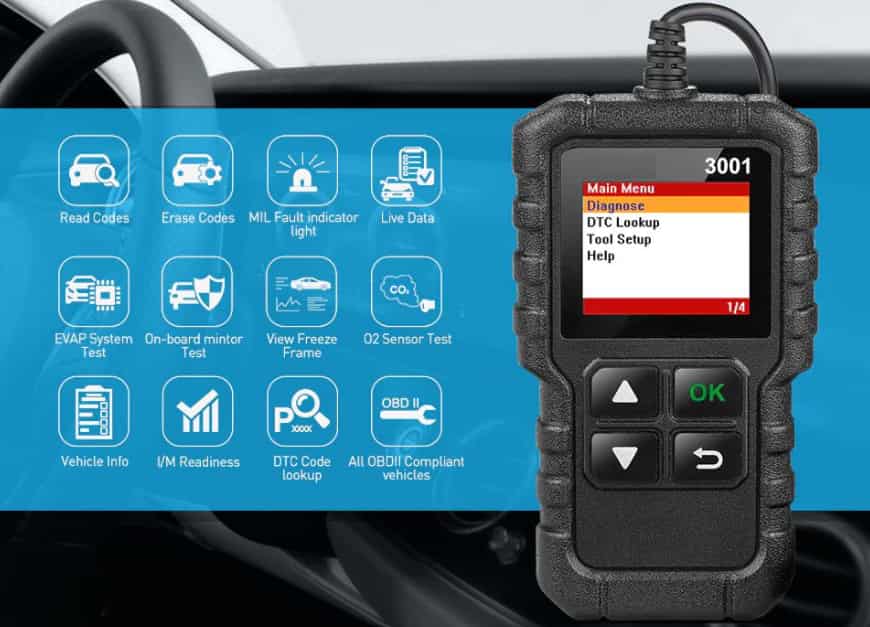
Most engine trouble codes begin with the letter P and follow standardized OBD2 rules. The Honda 61-11 Code is a manufacturer specific chassis code. It usually appears in the ABS or VSA control module. Because of this, a basic code reader may not detect it. Some inexpensive scanners only access engine data and ignore other vehicle systems.
A professional diagnostic scanner provides much better results. It can read the ABS and VSA modules directly. It also displays stored codes, pending faults, live data, and freeze frame information. This extra information helps technicians determine whether the voltage problem happened once or continues to occur.
The warning lights also differ from those of an engine fault. You may not see the check engine light at all. Instead, the dashboard may show the ABS warning light, the VSA light, the traction control light, or several warnings together. These indicators tell you that important safety systems may not operate normally until you repair the electrical problem.
Understanding the difference can save both time and money. Many owners replace expensive parts because they assume the control module has failed. In reality, the fault often starts with a weak battery, poor wiring, loose connections, or a charging system problem. A complete diagnosis should always come before replacing any major component.
Common Symptoms of the Honda 61-11 Code
The Honda 61-11 Code can trigger several warning signs, depending on the severity of the electrical problem. Some drivers notice multiple dashboard lights at once, while others experience only a single warning indicator. In many cases, the vehicle continues to drive normally. However, the safety systems may not function as intended until you repair the fault.
The most common symptom is the ABS warning light. When the control unit detects low voltage, it may disable the Anti Lock Braking System to protect its internal components. Normal braking usually remains available, but the wheels may lock during hard braking on slippery roads.
Many vehicles also display the VSA or traction control warning light. These systems rely on the same control unit and electrical supply. If the voltage becomes unstable, the vehicle may temporarily disable stability and traction control. As a result, the vehicle can become more difficult to control on wet, icy, or loose road surfaces.
Some Honda models show additional warning messages on the instrument cluster. You may see brake system alerts or stability control notifications alongside the ABS light. Several warning lights can appear at the same time because multiple control modules share electrical information across the vehicle.
A weak battery often causes other noticeable symptoms before the Honda 61-11 Code appears. For example, the engine may crank slowly during startup, especially on cold mornings. Interior lights may dim briefly, and electrical accessories may respond more slowly than usual. These signs often indicate that the battery or charging system needs further inspection.
In some situations, the warning lights appear only for a short time. They may disappear after restarting the engine and return later without warning. This pattern often suggests an intermittent voltage drop rather than a permanent component failure. Loose battery terminals, poor ground connections, or an aging alternator can all produce this behavior.
Although many drivers do not notice changes in normal driving, the loss of ABS and stability control should never be ignored. These systems provide extra protection during emergency braking and sudden steering maneuvers. Repairing the electrical problem as soon as possible helps restore full vehicle safety and prevents additional diagnostic trouble codes from developing.
What Causes the Honda 61-11 Code?
The Honda 61-11 Code appears when the ABS or VSA control unit does not receive stable electrical voltage. Many drivers assume the control module has failed. However, the problem usually starts elsewhere in the electrical system. Finding the true source of the voltage loss is essential before replacing any expensive parts.
A weak or discharged battery is one of the most common causes. As batteries age, they lose their ability to maintain proper voltage during engine startup. The voltage can drop below the level required by the control unit, causing the system to store the code. Cold temperatures and long periods without driving can increase the risk.
Loose or corroded battery terminals can create the same problem. Corrosion increases electrical resistance, while loose connections interrupt the flow of power. Even a healthy battery cannot supply stable voltage if the terminals are dirty or damaged.
A faulty charging system is another common cause. A failing alternator, worn drive belt, damaged wiring, or defective voltage regulator may prevent the battery from charging correctly. Low charging voltage affects every electronic module in the vehicle, including the ABS and VSA system.
The Honda 61-11 Code may also result from poor ground connections, damaged wiring, or faulty connectors. Moisture, corrosion, vibration, and normal wear can all reduce voltage before it reaches the control unit. Blown fuses and worn relays can interrupt the power supply as well, creating intermittent electrical faults that are difficult to detect.
Although it is possible for the ABS or VSA control module to fail internally, this is usually the least common cause. Technicians should always inspect the battery, charging system, wiring, grounds, fuses, and connectors first. A systematic diagnosis often identifies a simple electrical problem and helps avoid unnecessary replacement of costly components.
How to Diagnose the Honda 61-11 Code
Diagnosing the Honda 61-11 Code requires a step by step approach. Since several electrical problems can trigger this code, replacing parts without testing the system often wastes time and money. A careful inspection helps identify the real cause and prevents repeat failures.
Start by checking the battery condition. Measure the battery voltage with a digital multimeter. A fully charged battery should read about 12.6 volts with the engine off. If the voltage is much lower, recharge or replace the battery before performing additional tests.
Next, inspect the battery terminals and cables. Look for corrosion, loose clamps, cracked insulation, or damaged wiring. Clean any corrosion and tighten all connections. Poor contact at the battery is one of the most common reasons for unstable voltage.
The next step is to test the charging system. Start the engine and measure the charging voltage at the battery terminals. Most Honda vehicles should produce between 13.5 and 14.8 volts while the engine is running. A reading outside this range may indicate a faulty alternator or voltage regulator.
After checking the power supply, inspect the fuses, relays, and ground connections for the ABS and VSA system. Replace any blown fuse and repair damaged wiring if necessary. Also inspect the ground points for corrosion or loose mounting bolts, as poor grounding can create intermittent voltage loss.
Use a professional scan tool that supports Honda ABS and VSA diagnostics. Read all stored and pending trouble codes, then review the live data for voltage readings and system status. This information can help determine whether the problem is constant or intermittent.
Finally, clear the Honda 61-11 Code and perform a road test. If the code returns, continue inspecting the wiring harness and the ABS or VSA control module. Following this process allows you to locate the fault accurately while avoiding unnecessary replacement of expensive components.
How to Fix the Honda 61-11 Code
Fixing the Honda 61-11 Code depends on the root cause of the voltage problem. Because this code often results from electrical issues, the repair should always begin with the simplest components. A systematic approach reduces repair costs and improves the chance of solving the problem on the first attempt.
Begin by testing the battery. Recharge it if the voltage is low, or replace it if it can no longer hold a proper charge. An old or weak battery often causes unstable voltage during engine startup, which can trigger the code even when other components work normally.
Next, inspect the battery terminals and cables. Remove any corrosion from the terminals and tighten loose connections. If a cable shows signs of damage, replace it with a new one. Good electrical contact helps maintain stable voltage throughout the vehicle.
Check the charging system after confirming the battery is in good condition. Test the alternator output and verify that the voltage regulator operates correctly. Replace any faulty charging system component before clearing the code. A healthy charging system keeps every control module supplied with consistent voltage.
Inspect the fuses, relays, and wiring connected to the ABS and VSA system. Replace blown fuses with the correct rating and repair damaged wires or connectors. Look for signs of moisture, corrosion, or loose terminals that could interrupt the electrical supply.
Do not overlook the ground connections. Clean rust or corrosion from the grounding points and tighten every ground cable securely. Poor grounding can create voltage drops that repeatedly trigger the Honda 61-11 Code, even when the battery and alternator pass all tests.
If every electrical component checks out, inspect the ABS or VSA control module. A professional technician can perform additional tests to determine whether the module has developed an internal fault. Replace the module only after eliminating all other possible causes.
After completing the repair, clear the diagnostic code with a compatible scan tool and perform a road test. Monitor the dashboard for warning lights and confirm that the ABS and VSA systems operate correctly. If the Honda 61-11 Code does not return, the repair was successful. A complete diagnosis and proper repair not only restore the warning system but also ensure that the vehicle’s critical safety features continue to perform as designed.
Frequently Asked Questions About the Honda 61-11 Code
Can I drive with the Honda 61-11 Code?
Yes, you can usually continue driving if the Honda 61-11 Code appears. However, you should drive with caution. The engine will often run normally, but the ABS and VSA systems may not work properly. Without these safety features, the vehicle may have less stability during emergency braking or on slippery roads. Schedule an inspection as soon as possible to avoid additional problems.
Will the Honda 61-11 Code clear itself?
In some cases, the code may disappear after the battery voltage returns to normal. However, this does not always mean the problem has been fixed. If the electrical fault remains, the code will likely return. Clearing the code without repairing the underlying issue is only a temporary solution.
Can a weak battery cause the Honda 61-11 Code?
Yes. A weak or aging battery is one of the most common causes of the Honda 61-11 Code. Low voltage during engine startup can prevent the ABS or VSA control unit from operating correctly. Testing the battery should always be one of the first diagnostic steps.
Does the Honda 61-11 Code mean the ABS module is bad?
Not necessarily. Most vehicles with the Honda 61-11 Code have a problem with the battery, charging system, wiring, or ground connections. Although the ABS control module can fail, it is much less common. Always test the electrical system before replacing the module.
Do I need a special scanner to read the Honda 61-11 Code?
Yes. Many basic OBD2 scanners only read engine related trouble codes. A professional scan tool that supports Honda ABS and VSA diagnostics can access the control module, display stored codes, and provide live data for a more accurate diagnosis.
How much does it cost to fix the Honda 61-11 Code?
The repair cost depends on the cause. Cleaning battery terminals or replacing a fuse is usually inexpensive. Replacing a battery or alternator costs more, while installing a new ABS or VSA control module is typically the most expensive repair. A proper diagnosis helps avoid unnecessary parts replacement and reduces overall repair costs.
Conclusion
The Honda 61-11 Code usually points to a voltage problem within the ABS or VSA electrical system rather than a serious engine fault. While the warning may seem alarming, the cause is often a weak battery, poor electrical connections, a charging system issue, or damaged wiring. Identifying the source of the voltage loss early can prevent unnecessary repairs and restore the vehicle’s safety systems quickly.
Ignoring the Honda 61-11 Code is not a good idea. Even if the vehicle appears to drive normally, the ABS and VSA systems may not provide full protection during emergency braking or on slippery roads. A simple inspection of the battery, alternator, wiring, and ground connections can often reveal the problem before it becomes more expensive to repair.
If the warning light remains on after checking the basic electrical components, use a professional diagnostic scanner or consult a qualified Honda technician. Accurate testing is always more effective than replacing parts based on guesswork. A systematic diagnosis saves time, reduces repair costs, and helps ensure that every safety feature operates as designed.
We hope this guide has helped you understand the Honda 61-11 Code, its causes, symptoms, diagnostic steps, and repair options. If you found this article useful, consider sharing it with other Honda owners who may face the same issue. You can also explore our other Honda diagnostic guides for expert troubleshooting tips, maintenance advice, and practical repair solutions that help keep your vehicle reliable and safe for years to come.