A PCM fuse protects the electrical circuit connected to the Powertrain Control Module (PCM). The PCM manages important powertrain functions, including engine and transmission control, so a problem with its power supply can affect how a vehicle operates. The fuse protects the circuit by opening it when electrical current exceeds the intended level.
The exact location and label of a PCM fuse depend on the vehicle. It may be found in an engine compartment fuse box or an interior fuse panel, and the circuit may be identified as PCM, ECM, or another manufacturer specific designation. The vehicle owner’s manual and fuse diagram provide the most reliable way to identify the correct fuse.
A blown PCM fuse can cause different symptoms depending on the circuit it protects. A vehicle may experience starting problems, engine control issues, transmission related problems, or warning indicators. Replacing the fuse restores circuit protection, but a fuse that blows again indicates that an underlying electrical problem may still exist.
This guide explains what a PCM fuse is, what it does, where to find it, how to identify the correct fuse, what happens when it blows, and how to approach testing and replacement.
What Is a PCM Fuse?
A PCM fuse is a protective fuse for the electrical circuit connected to the Powertrain Control Module (PCM). The PCM is the vehicle control module responsible for managing important powertrain functions, while the fuse protects its related electrical circuit from excessive current. The fuse and the PCM perform different roles, but they work together within the vehicle’s electrical system.
What Is the Difference Between a PCM and a PCM Fuse?
The PCM is an electronic control module that processes information and manages powertrain functions. The PCM fuse is a separate electrical protection component that controls the continuity of the circuit supplying or protecting the PCM. When the electrical current remains within the specified range, the fuse maintains circuit continuity. When excessive current occurs, the fuse opens the circuit to prevent continued current flow through the protected circuit.
This distinction is important when diagnosing a vehicle problem. A blown PCM fuse does not automatically mean that the PCM itself has failed. The fuse may open because of a problem elsewhere in the protected electrical circuit, such as damaged wiring or another electrical component. Replacing the fuse without identifying why it failed may therefore leave the underlying problem unresolved.
The exact PCM fuse configuration varies by vehicle. Some vehicles may identify the circuit as PCM, while others may use ECM, TCM, or another manufacturer specific designation. The vehicle’s fuse diagram and owner’s manual should be used to identify the correct circuit, fuse position, and amperage rating.
What Does a PCM Fuse Do?
A PCM fuse protects the electrical circuit that supplies or supports the Powertrain Control Module by interrupting current when the circuit experiences excessive electrical load. The fuse acts as a controlled point of protection within the vehicle’s electrical system. Under normal conditions, it maintains electrical continuity so the protected PCM circuit can receive power. When excessive current occurs, the fuse opens the circuit and stops the current from continuing through that path. This helps protect the wiring and electrical components connected to the circuit.
How Does a PCM Fuse Protect the Electrical Circuit?
The protection process follows a simple electrical sequence. The circuit carries current through the fuse under normal operating conditions. If the current rises beyond the fuse’s specified capacity, the fuse element fails and opens the circuit. The interruption stops current flow through the protected path. A blown fuse therefore indicates that the circuit experienced an electrical condition that exceeded the fuse’s intended operating limit.
The PCM depends on its electrical circuits to perform powertrain control functions. Because the PCM can be involved in engine and transmission management, interruption of its power supply can affect vehicle operation. The specific consequences depend on the vehicle’s electrical architecture and the circuit protected by the fuse. A PCM fuse should therefore be viewed as a circuit protection component, not as a component that directly controls the engine or transmission.
A blown PCM fuse also provides an important diagnostic signal. The fuse itself may be the failed component, but the reason for excessive current can originate elsewhere in the circuit. Damaged wiring, a short circuit, or a failed electrical component can create conditions that cause the fuse to open. Replacing the fuse restores continuity only when the underlying electrical condition has been resolved.
Where Is the PCM Fuse Located?
The PCM fuse is located in a vehicle’s fuse box or fuse panel, but its exact position depends on the vehicle’s design. Many vehicles place relevant powertrain fuses in an engine compartment fuse box, while others use an interior fuse panel. Because fuse layouts differ between vehicle makes, models, years, and powertrain configurations, there is no single PCM fuse location that applies to every vehicle.
How Can You Find the PCM Fuse in Your Vehicle?
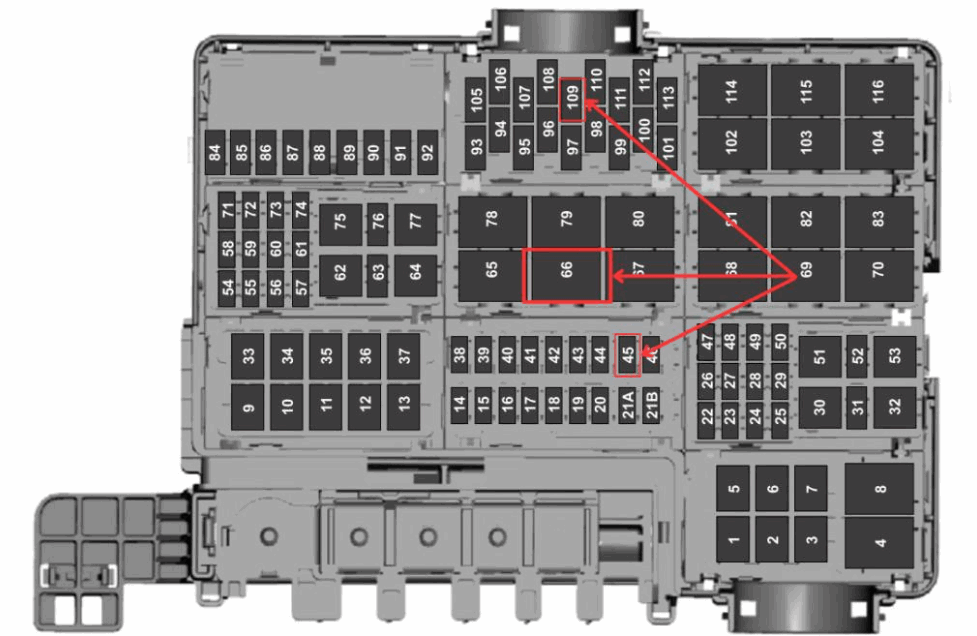
Start by locating the vehicle’s fuse box or fuse panels. Check the fuse box cover because many vehicles include a diagram that identifies each fuse by its position, circuit, and amperage rating. If the cover does not provide enough information, check the owner’s manual for the vehicle’s fuse diagram and electrical circuit information.
Look for a fuse labeled PCM or another designation used by the vehicle manufacturer. Some vehicles may use related terms such as ECM or TCM because manufacturers organize powertrain control circuits differently. The label alone should not determine which fuse you remove. Confirm the fuse position and amperage rating against the vehicle specific diagram before replacing or testing it.
The PCM fuse may also be located in a different panel from other engine related fuses. This is why searching only the engine compartment may not identify the correct fuse. A vehicle can have separate fuse panels for different electrical circuits, and the PCM circuit can be assigned to one of them. The safest identification method is to match the fuse position with the manufacturer’s fuse diagram rather than relying on a generic location.
The supplied source material confirms that PCM fuse location varies by vehicle and recommends using the owner’s manual and fuse diagram to identify the correct fuse.
How Do You Identify the Correct PCM Fuse?
You can identify the correct PCM fuse by matching the fuse position, circuit label, and amperage rating with the vehicle’s fuse diagram. The physical appearance of a fuse is not enough to determine whether it protects the PCM circuit because fuse boxes contain multiple fuses with similar shapes and different functions. The correct identification therefore depends on vehicle specific electrical information.
The first step is to check the fuse box cover for a circuit diagram. If the diagram identifies a fuse as PCM, use its position and amperage rating to confirm the circuit. If the cover does not provide sufficient information, check the vehicle owner’s manual. The manual can identify the fuse panel, circuit designation, fuse position, and specified amperage for the vehicle.
Why Does the PCM Fuse Label Vary Between Vehicles?
The PCM fuse label can vary because manufacturers use different electrical architectures and control module terminology. A vehicle may identify a powertrain related circuit as PCM, while another vehicle may use ECM, TCM, or a manufacturer specific designation. PCM, ECM, and TCM are related control module entities, but their functions and circuit assignments are not necessarily identical.
The amperage rating is another critical identification attribute. A replacement fuse must match the specified rating for the protected circuit. Installing a fuse with a higher rating can allow excessive current to continue through a circuit that was designed for lower current protection. The correct fuse must therefore be selected from the vehicle’s documented specification rather than by appearance alone.
When the label is unclear, use the vehicle’s make, model, model year, engine configuration, and fuse diagram to establish the correct circuit. A generic PCM fuse location or label should not override vehicle specific information.
What Happens When a PCM Fuse Blows?
A blown PCM fuse interrupts the electrical circuit connected to the Powertrain Control Module, which can affect powertrain functions that depend on that circuit. The exact symptoms depend on the vehicle’s electrical design and the functions supplied or protected by the affected fuse. A blown fuse therefore does not produce one universal symptom across every vehicle.
Can a Blown PCM Fuse Prevent a Car From Starting?
A blown PCM fuse can contribute to a no start condition when the affected circuit prevents the PCM from receiving the electrical power required for its relevant control functions. Because the PCM is involved in engine and powertrain management, interrupting its electrical supply can prevent related systems from operating correctly. However, a no start condition has multiple possible causes, so the blown PCM fuse should be treated as one diagnostic finding rather than automatic proof of the root cause.
Other symptoms can include engine control problems, transmission related issues, warning indicators, or other electrical control problems associated with the protected circuit. The specific result depends on which PCM circuit the fuse protects and how the manufacturer designed the vehicle’s electrical system.
The most important distinction is between the symptom and the cause. A blown PCM fuse confirms that the circuit has lost continuity at the fuse, but it does not explain why the fuse opened. An electrical short, damaged wiring, or another failed component can create excessive current and cause the fuse to blow. Replacing the fuse can restore circuit continuity, but the vehicle still requires further diagnosis if the replacement fuse fails again.
For this reason, a blown PCM fuse should be evaluated together with the vehicle’s fuse diagram, electrical symptoms, and circuit condition rather than diagnosed in isolation.
Why Does a PCM Fuse Blow?
A PCM fuse blows when excessive electrical current causes the fuse to open the protected circuit. The fuse is designed to interrupt current when the electrical load exceeds its specified limit. A blown fuse therefore indicates an abnormal electrical condition in the protected circuit, but the fuse itself is not necessarily the source of the problem.
The three important causes to investigate are short circuits, damaged wiring, and failed electrical components. A short circuit can create an unintended path for current and cause the fuse to open. Damaged wiring can produce a similar condition when insulation fails and allows a conductor to contact another part of the electrical system or ground. A failed component connected to the protected circuit can also create excessive current and cause the PCM fuse to fail.
Why Does the PCM Fuse Keep Blowing After Replacement?
A PCM fuse that keeps blowing after replacement indicates that the underlying electrical fault may still be present. Installing another fuse restores circuit protection temporarily, but it does not remove the condition that caused excessive current. Repeated fuse failure therefore requires circuit diagnosis rather than repeated fuse replacement.
For example, if damaged wiring creates a short circuit, replacing the fuse without repairing the wiring leaves the same electrical condition in place. The replacement fuse can then open again when the circuit is energized. The same principle applies when another electrical component connected to the circuit is defective.
The correct replacement must also have the specified amperage rating for the vehicle. Using a higher rated fuse does not solve excessive current and can remove the protection intended by the original circuit design. The supplied source material identifies damaged wiring, short circuits, and electrical component faults as relevant causes that should be considered when a PCM fuse fails.
How Do You Test and Replace a PCM Fuse?
You can check a PCM fuse by confirming its position and rating, inspecting its condition, and replacing it with the specified fuse when it has failed. The first step is to identify the correct fuse using the vehicle’s fuse diagram or owner’s manual. This prevents a similar looking fuse from being removed or replaced by mistake.
A visual inspection can reveal a damaged fuse element or other visible signs of failure. The supplied source material identifies a blown fuse as an interruption in the protected electrical circuit, but it does not provide a detailed multimeter testing procedure. For that reason, the exact electrical testing method should follow the vehicle manufacturer’s service information rather than a generic procedure.
When replacing a failed PCM fuse, confirm the specified amperage rating before installation. The replacement should match the vehicle’s documented specification. A fuse with a higher rating should not be used as a substitute because the fuse is designed to protect the electrical circuit at a specific current level.
What Should You Do If the Replacement PCM Fuse Blows Again?
If the replacement PCM fuse blows again, the underlying electrical problem should be investigated instead of repeatedly replacing the fuse. A new fuse can restore circuit continuity, but it does not repair a short circuit, damaged wiring, or a failed electrical component that caused excessive current.
The supplied material identifies short circuits, damaged wiring, and electrical component faults as potential reasons for repeated fuse failure. Further diagnosis should therefore focus on the protected circuit and the cause of excessive current.
Do not bypass the fuse or install a higher amperage fuse to keep the circuit operating. The correct response to repeated fuse failure is to identify and resolve the underlying electrical fault according to the vehicle’s service information.
What Should You Know About a PCM Fuse?
A PCM fuse protects the electrical circuit connected to the Powertrain Control Module and interrupts current when the circuit experiences excessive electrical load. The PCM manages important powertrain functions, while the fuse provides electrical protection for its related circuit. These two components perform different roles and should not be treated as the same part.
The PCM fuse location depends on the vehicle. It may be installed in an engine compartment fuse box or an interior fuse panel, and its circuit may use different labels depending on the manufacturer. The vehicle’s fuse diagram and owner’s manual provide the most reliable information for identifying the correct fuse, position, and amperage rating.
A blown PCM fuse can interrupt the affected circuit and contribute to symptoms such as starting problems, engine control issues, transmission related problems, or warning indicators. The exact symptoms depend on the vehicle’s electrical architecture and the circuit protected by the fuse.
The most important troubleshooting point is that a blown PCM fuse does not automatically identify the root cause. Short circuits, damaged wiring, and failed electrical components can create excessive current and cause the fuse to open. If a replacement fuse blows again, the underlying electrical fault should be diagnosed instead of repeatedly replacing the fuse. Using the correct fuse rating and following vehicle specific service information keeps the circuit protected as designed.