Choosing the right MS-12106 coolant equivalent protects your engine and cooling system. The correct coolant prevents corrosion, controls engine temperature, and extends the service life of critical components. In contrast, an incompatible coolant can reduce cooling performance and damage the radiator, water pump, and engine over time.
Many drivers search for an MS-12106 coolant replacement because the original product is unavailable or more expensive than aftermarket alternatives. However, not every coolant works with this specification. A compatible product must meet the same technical requirements instead of matching the same color. Coolant technology and manufacturer approval matter far more than appearance.
This guide explains what the MS-12106 specification means and how to identify a compatible replacement. You will also learn which coolants meet this standard, whether you can mix different coolant types, and how to choose the right product for your vehicle. By the end of this article, you will understand how to replace MS-12106 coolant safely while protecting your engine for the long term.
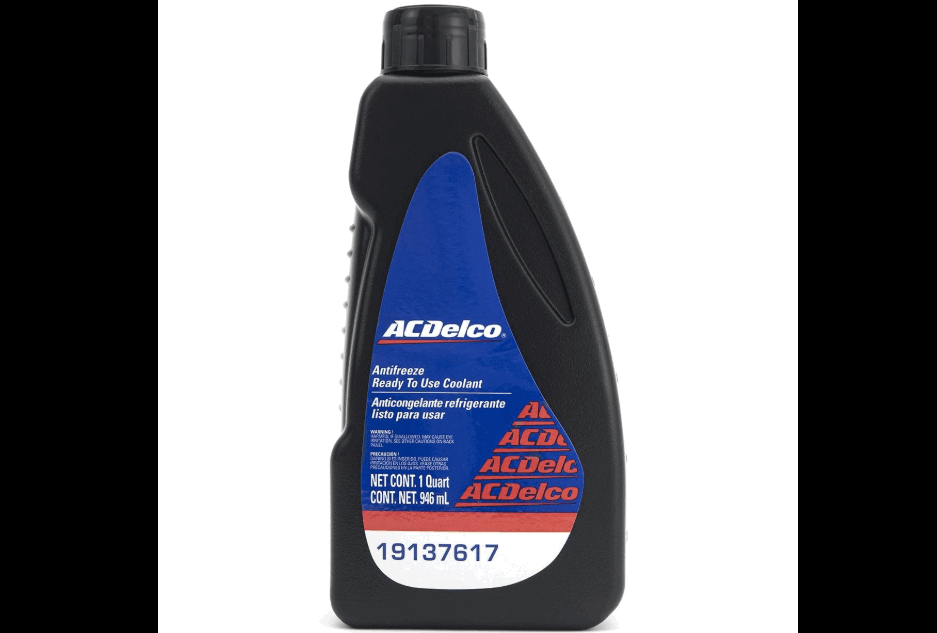
What Is MS-12106 Coolant?
MS-12106 coolant is an Organic Acid Technology (OAT) engine coolant specification developed for selected Chrysler, Dodge, Jeep, and RAM vehicles. It protects the cooling system from corrosion, overheating, scale buildup, and cavitation. The specification also supports modern aluminum engines and mixed-metal cooling components that require long-term chemical stability.
Unlike conventional coolants, MS-12106 uses organic corrosion inhibitors instead of silicates or phosphates to protect internal engine surfaces. This formula keeps the coolant effective for a longer service interval while reducing deposits inside the radiator and coolant passages. As a result, the cooling system maintains efficient heat transfer and stable engine operating temperatures.
Vehicle manufacturers specify MS-12106 because every cooling system uses different materials, seals, and operating conditions. A coolant that performs well in one vehicle may not protect another engine with the same effectiveness. For this reason, Chrysler designed the MS-12106 specification to meet the durability and corrosion protection requirements of its engines rather than relying on a universal coolant formula.
Many people confuse the coolant specification with the coolant color. However, color does not determine compatibility. Manufacturers often use purple, orange, pink, or yellow dyes for identification, but these colors vary between brands. The specification printed on the product label provides the only reliable way to confirm compatibility.
MS-12106 coolant also delivers long service life under normal driving conditions. Many approved products remain effective for up to 10 years or 150,000 miles when the cooling system stays clean and leak-free. Regular inspections still play an important role because coolant contamination, air intrusion, or component failure can shorten its lifespan.
Understanding the MS-12106 specification makes it easier to select a safe replacement coolant. Instead of focusing on brand names or coolant color, drivers should always verify that the product explicitly states compliance with the MS-12106 specification. This simple step helps protect the engine, radiator, heater core, water pump, and every other component connected to the cooling system.
What Is an MS-12106 Coolant Equivalent?
An MS-12106 coolant equivalent is an engine coolant that meets the same performance and compatibility requirements as the original MS-12106 specification. The replacement does not have to come from the same manufacturer. However, it must deliver the same level of corrosion protection, heat transfer, and material compatibility throughout the cooling system.
A true equivalent protects every major cooling system component under normal operating conditions. It prevents corrosion inside the radiator, water pump, heater core, engine block, and cylinder head. In addition, it maintains stable coolant flow and helps the engine operate within its designed temperature range throughout the service interval.
Most MS-12106 equivalents use Organic Acid Technology (OAT) because this coolant chemistry matches the original specification. OAT coolant relies on organic corrosion inhibitors instead of traditional silicates or phosphates. This technology protects aluminum components more effectively and reduces mineral deposits that can restrict coolant circulation over time.
Many drivers believe any universal coolant can replace MS-12106. That assumption often leads to cooling system problems. Universal products vary in their chemical formulation, and some manufacturers only claim broad compatibility without meeting the actual specification. Always read the product label carefully before making a purchase.
Manufacturer approval remains one of the most reliable indicators of compatibility. Reputable coolant brands clearly state whether the product meets or exceeds the MS-12106 specification. If the label does not mention MS-12106, you should verify the technical data sheet before adding the coolant to your vehicle.
Choosing the correct equivalent also protects your warranty and reduces long-term maintenance costs. A coolant that satisfies the required specification helps prevent premature corrosion, gasket deterioration, and cooling system deposits. Instead of selecting a product based on color or price, always choose one that clearly complies with the MS-12106 coolant specification.
Which Coolants Are Compatible with MS-12106?
Several engine coolants meet the MS-12106 specification and provide a safe replacement for the original factory coolant. The best choice depends on the product’s technical approval rather than its brand or color. A compatible coolant must protect the cooling system while maintaining the same chemical performance required by the manufacturer.
Mopar OAT Antifreeze/Coolant remains the original equipment recommendation for vehicles that require MS-12106. It uses Organic Acid Technology to deliver long-term corrosion protection and stable cooling performance. Because it matches the factory specification, it offers the highest level of compatibility without requiring additional verification.
Several aftermarket manufacturers also produce coolants that comply with MS-12106. Products from brands such as PEAK, Prestone, Zerex, and Valvoline may meet this specification in selected formulations. However, each product differs by formulation and application. Always confirm that the product label or technical data sheet specifically states compliance with MS-12106 before purchasing.
Drivers should never assume that every OAT coolant qualifies as an MS-12106 equivalent. Many OAT coolants share similar chemistry but target different manufacturer specifications. Even small differences in corrosion inhibitors or additive packages can affect long-term cooling system protection. Matching the exact specification remains more important than matching the coolant technology alone.
Product color also creates unnecessary confusion. Purple, orange, pink, and yellow coolants may appear similar, but manufacturers use different dye systems for product identification. Color does not indicate chemical compatibility or specification approval. The specification printed on the container provides the only reliable reference.
Selecting a verified MS-12106 coolant equivalent helps maintain cooling efficiency and reduces the risk of corrosion, sludge formation, and premature component failure. Before replacing the coolant, always verify the specification on the product label and follow the service recommendations in your vehicle owner’s manual.
Can You Mix MS-12106 Coolant with Other Coolants?
You should not mix MS-12106 coolant with other coolant types unless the manufacturer confirms compatibility. Different coolant technologies contain different additive packages. Mixing incompatible formulas can reduce corrosion protection and shorten coolant service life.
MS-12106 uses Organic Acid Technology to protect aluminum engines and modern cooling system components. Other coolant types, including IAT and HOAT, rely on different corrosion inhibitors. When these additives react with each other, they can reduce the coolant’s ability to protect metal surfaces. Over time, this reaction may lead to sludge, deposits, or restricted coolant flow.
Many drivers add a different coolant because the original product is unavailable. Although the engine may continue to operate normally at first, the chemical mixture can become unstable after extended use. As coolant performance declines, corrosion may develop inside the radiator, heater core, water pump, and engine block. These problems often appear gradually and become expensive to repair.
Mixing different coolant brands also requires caution. Some manufacturers produce several coolant formulations under the same brand name. One product may comply with MS-12106, while another targets a completely different vehicle specification. For this reason, checking the product specification is always more reliable than relying on the brand name alone.
If the coolant already contains an incompatible product, the safest solution is to perform a complete cooling system flush before adding new coolant. Flushing removes contaminated coolant, old additives, and suspended deposits that could reduce the performance of the replacement coolant. It also helps restore the chemical balance required for long-term corrosion protection.
In an emergency, topping up with distilled water is generally safer than adding an unknown coolant. Distilled water temporarily restores the coolant level without introducing incompatible additives. However, you should drain, flush, and refill the cooling system with a coolant that meets the MS-12106 specification as soon as possible. This approach provides the best protection for the engine and preserves the cooling system’s long-term reliability.
How to Choose the Right MS-12106 Coolant Equivalent
Choosing the right MS-12106 coolant equivalent starts with verifying the required specification instead of comparing product colors or brand names. A coolant that meets the correct specification delivers the corrosion protection, thermal stability, and material compatibility designed for your vehicle’s cooling system.
The owner’s manual provides the most reliable starting point. Manufacturers specify the exact coolant standard for each engine and model year. This information helps you avoid products that appear similar but use a different chemical formulation. Even vehicles from the same manufacturer may require different coolant specifications.
Always read the product label before making a purchase. Reputable manufacturers clearly state whether a coolant meets or exceeds the MS-12106 specification. If the label does not include this information, review the technical data sheet on the manufacturer’s website. Reliable documentation provides much stronger evidence than general marketing claims.
Coolant technology also plays an important role. Most products that satisfy MS-12106 use Organic Acid Technology because it provides long-lasting corrosion protection for aluminum engines and modern cooling systems. However, you should never assume that every OAT coolant meets this specification. Always verify the official approval before filling the cooling system.
Service life is another factor worth considering. A high-quality MS-12106 coolant equivalent maintains its protective properties for many years under normal operating conditions. However, coolant condition depends on driving habits, cooling system maintenance, and contamination. Regular inspections help identify leaks, discoloration, or debris before these issues affect engine performance.
Many cooling system problems begin with simple purchasing mistakes. Drivers often select coolant based on price, color, or universal compatibility claims. These shortcuts increase the risk of chemical incompatibility and premature component wear. Selecting a product that explicitly complies with the MS-12106 specification remains the safest way to protect your engine and reduce long-term maintenance costs.
Frequently Asked Questions
Is MS-12106 coolant the same as OAT coolant?
No. MS-12106 coolant is an OAT coolant, but not every OAT coolant meets the MS-12106 specification. Organic Acid Technology describes the coolant chemistry, while MS-12106 defines the performance requirements established by the vehicle manufacturer. Always confirm that the product label specifically lists MS-12106 compatibility before using it.
Can I use a universal coolant instead of MS-12106?
Universal coolant is not always a safe replacement. Some universal products support multiple vehicle specifications, while others do not. The safest option is to choose a coolant that clearly states compliance with the MS-12106 specification. This approach protects the cooling system and reduces the risk of chemical incompatibility.
Does coolant color indicate compatibility?
No. Coolant color does not determine compatibility. Manufacturers use different dye colors to identify their own products, and there is no global color standard. Two purple coolants may have different chemical formulas, while two coolants with different colors may meet the same specification. Always rely on the specification printed on the container instead of the coolant color.
What happens if I use the wrong coolant?
Using the wrong coolant can reduce corrosion protection and cooling efficiency. It may also create sludge, damage seals, or accelerate wear inside the radiator, water pump, heater core, and engine block. These problems often develop gradually, making them difficult to detect until repairs become necessary.
How often should MS-12106 coolant be replaced?
Replacement intervals vary by vehicle model and manufacturer recommendations. Many MS-12106 coolants provide protection for up to 10 years or 150,000 miles under normal operating conditions. However, you should inspect the coolant regularly and replace it earlier if contamination, leaks, or cooling system repairs occur.
Conclusion
Choosing the correct MS-12106 coolant equivalent protects far more than engine temperature. It preserves the radiator, water pump, heater core, hoses, seals, and other cooling system components throughout their service life. A compatible coolant also maintains stable corrosion protection and reliable heat transfer under normal driving conditions.
The safest replacement always meets the MS-12106 specification, regardless of the product’s brand or color. Manufacturer approval and technical documentation provide much stronger evidence than marketing claims or universal compatibility labels. Taking a few minutes to verify the specification can prevent expensive cooling system repairs in the future.
If your vehicle requires an MS-12106 coolant, avoid mixing different coolant technologies unless the manufacturer explicitly approves the combination. When compatibility is uncertain, flushing the cooling system and refilling it with an approved coolant remains the safest solution. Following these practices helps maintain long-term engine reliability and ensures your cooling system performs exactly as the manufacturer intended.