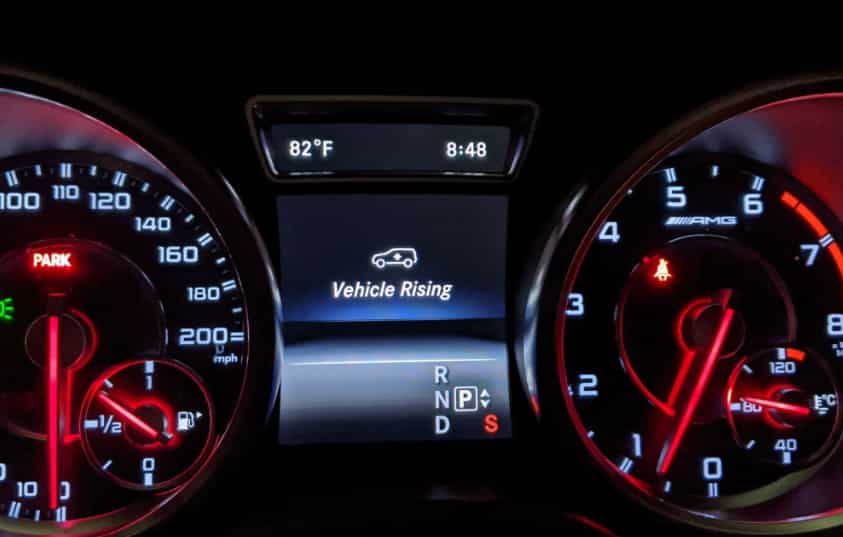
Have you ever started your Mercedes-Benz and suddenly seen the “Vehicle Rising Malfunction” warning on the dashboard? This message can make many drivers worry because it affects the suspension system that controls ride height, comfort, and vehicle stability. A Mercedes Vehicle Rising Malfunction usually points to an issue with the height adjustment system, especially in models that use Mercedes AIRMATIC air suspension technology.
Mercedes-Benz designs its suspension systems to deliver a smooth and comfortable driving experience. The system uses several important components, including the air suspension compressor, air springs, ride height sensors, and electronic control modules. Any failure in these components can prevent the vehicle from maintaining the correct ride height.
Many Mercedes owners ignore this warning because the vehicle may still drive normally at first. However, a small suspension problem can become a major repair issue if the driver delays inspection. Early diagnosis helps prevent further damage and reduces unnecessary repair costs.
This guide explains everything you need to know about Mercedes Vehicle Rising Malfunction. You will learn the common causes, key symptoms, diagnostic steps, repair solutions, and maintenance tips to keep your Mercedes suspension system working properly.
What Does Mercedes Vehicle Rising Malfunction Mean?
A Mercedes Vehicle Rising Malfunction warning means that the vehicle has detected a problem with its ride height adjustment system. This system controls how high or low the vehicle sits on the road. It helps maintain driving comfort, stability, and proper handling in different conditions.
Most Mercedes models with this warning use the AIRMATIC air suspension system. Unlike traditional coil spring suspension, AIRMATIC uses compressed air to adjust the vehicle’s height automatically. The system allows drivers to experience a smoother ride while improving control during acceleration, braking, and cornering.
Several components work together to control the vehicle height. The air suspension compressor creates the required air pressure. Air springs support the weight of the vehicle and adjust the suspension position. Ride height sensors measure the distance between the wheels and the body. The suspension control module processes this information and manages the entire system.
When one of these components fails, the system may not adjust the vehicle height correctly. The driver may notice a warning message, uneven suspension height, or reduced ride comfort. In some cases, the vehicle may enter a protection mode to prevent further damage.
Mercedes Vehicle Rising Malfunction commonly appears on luxury models equipped with advanced suspension technology. Popular models include the Mercedes S-Class, E-Class, GLE, and GLS. These vehicles provide excellent comfort, but their complex suspension systems require proper maintenance and accurate diagnosis.
Understanding this warning helps Mercedes owners identify problems earlier. A quick inspection can prevent minor suspension issues from developing into expensive repairs.
Common Causes of Mercedes Vehicle Rising Malfunction
A Mercedes Vehicle Rising Malfunction can happen for several reasons. The warning does not always point to one specific component. The vehicle uses a complex network of mechanical and electronic parts to control suspension height. When one part fails, the entire system may lose the ability to adjust the ride height correctly.
Understanding the common causes helps Mercedes owners identify problems faster. It also helps prevent unnecessary part replacements because technicians can focus on the actual source of the issue.
Air Suspension Compressor Failure
The air suspension compressor plays a critical role in the Mercedes AIRMATIC system. It creates compressed air and sends pressure to the air springs. This process allows the vehicle to raise or lower its height based on driving conditions.
A weak or damaged compressor can cause a Mercedes Vehicle Rising Malfunction warning. The compressor may struggle to build enough pressure, which prevents the suspension from reaching the correct height. In some cases, the compressor may run continuously because it cannot maintain the required air pressure.
Drivers often notice several signs of compressor problems. The vehicle may sit lower than normal, especially after parking for several hours. The compressor may also produce unusual sounds or operate for longer periods than expected.
Many compressor failures happen because of normal wear, moisture exposure, or an air leak in another part of the suspension system. When the system loses air, the compressor works harder to compensate. Over time, this extra workload can shorten its lifespan.
Air Suspension Leaks
Air leaks are another common cause of Mercedes Vehicle Rising Malfunction. The AIRMATIC system depends on sealed air pressure to maintain the correct vehicle height. Even a small leak can affect suspension performance.
Leaks usually occur in air springs, air lines, connectors, or rubber seals. As these components age, cracks and small damages can appear. Cold weather, road conditions, and long-term use can accelerate this process.
One of the most noticeable signs of an air leak is uneven vehicle height. For example, one corner of the vehicle may sit lower than the others after the car remains parked overnight. The suspension may also lose height slowly while driving.
Many drivers replace expensive components without checking for leaks first. A proper inspection can identify the exact location of the problem and prevent unnecessary repair costs.
Faulty Ride Height Sensors
Ride height sensors help the Mercedes suspension system understand the vehicle’s current position. These sensors measure the distance between the wheels and the vehicle body. The suspension control module uses this information to make height adjustments.
A damaged or inaccurate sensor can send incorrect data to the control system. As a result, the vehicle may adjust the suspension incorrectly or display a Vehicle Rising Malfunction warning.
Common signs of sensor problems include inconsistent ride height, incorrect suspension adjustments, and warning messages that appear randomly. In some cases, the sensor itself works correctly but the connection or wiring creates the problem.
Technicians usually test the sensor values with professional diagnostic equipment before replacing the component. This approach helps confirm whether the sensor causes the suspension issue.
Valve Block Problems
The valve block controls the airflow between the compressor and the air suspension components. It directs air pressure to different areas of the vehicle and helps maintain a balanced ride height.
A faulty valve block can prevent air from moving correctly through the system. The vehicle may fail to raise properly, or one side of the suspension may remain lower than the other.
Valve block issues can also create symptoms similar to compressor failure. This makes accurate diagnosis important because replacing the compressor will not solve a valve block problem.
Regular suspension inspections can help detect valve block issues before they affect other components.
Electrical and Suspension Control Module Issues
The Mercedes air suspension system relies on electronic communication between sensors, control units, and mechanical components. Electrical problems can interrupt this communication and trigger a Mercedes Vehicle Rising Malfunction warning.
Common electrical causes include weak battery voltage, damaged wiring, faulty connectors, and problems with the suspension control module. Modern Mercedes vehicles use advanced electronic systems, so even a small electrical issue can affect suspension performance.
A professional diagnostic scan can reveal stored fault codes and help identify communication problems. Technicians use tools such as Mercedes XENTRY Diagnosis to analyze system data and locate the source of the failure.
Electrical issues often appear suddenly, unlike mechanical wear that develops gradually. Mercedes owners should pay attention to repeated warning messages because early diagnosis can prevent larger suspension problems.
Understanding these common causes allows drivers to respond quickly when a Mercedes Vehicle Rising Malfunction appears. Whether the issue involves the compressor, air leaks, sensors, valve block, or electronic controls, accurate diagnosis remains the most important step before starting any repair.
Symptoms of Mercedes Vehicle Rising Malfunction
A Mercedes Vehicle Rising Malfunction warning often appears when the suspension system cannot control the vehicle height correctly. The warning message gives drivers an early signal that one or more suspension components may not work as expected.
Some symptoms appear immediately, while others develop slowly over time. Recognizing these signs early can help Mercedes owners avoid more serious suspension damage and expensive repairs.
Dashboard Warning Message
The most common symptom is a warning message appearing on the instrument cluster. Drivers may see messages such as “Vehicle Rising Malfunction” or other suspension-related alerts.
The warning usually appears when the suspension control module detects abnormal data from the air suspension system. The system may identify issues with air pressure, sensor readings, or communication between different components.
Some drivers notice that the warning disappears after restarting the vehicle. However, a temporary reset does not always mean the problem has disappeared. A repeated warning usually indicates that the system needs proper inspection.
Vehicle Sitting Lower Than Normal
A noticeable change in vehicle height is another common symptom. The Mercedes may sit closer to the ground because the air suspension system cannot maintain enough pressure.
This problem often happens after the vehicle remains parked for several hours. A leaking air spring or weak compressor can cause the suspension to lose height overnight.
Drivers may notice that the front or rear of the vehicle appears lower than usual. In some cases, only one side drops, creating an uneven appearance.
A vehicle that sits too low may affect driving comfort and handling. It can also place extra stress on other suspension components.
Uneven Ride Height Between Wheels
The Mercedes AIRMATIC system normally keeps the vehicle level by adjusting each suspension corner. When a component fails, one wheel area may sit higher or lower than the others.
Uneven ride height often points to problems with air springs, air leaks, or ride height sensors. For example, a damaged air spring on one side may cause that corner of the vehicle to drop.
This symptom is easy to notice when the vehicle parks on a flat surface. Owners should check the vehicle height regularly because small changes can indicate developing suspension problems.
Reduced Driving Comfort and Suspension Performance
Mercedes vehicles are known for their smooth and comfortable driving experience. A suspension malfunction can reduce these benefits significantly.
Drivers may feel a harder ride, increased vibration, or more movement when driving over uneven roads. The suspension may lose its ability to adjust according to road conditions.
In some cases, the vehicle may feel less stable during cornering or braking. This happens because the suspension system cannot maintain the correct ride height and damping characteristics.
Changes in driving comfort often appear before a complete suspension failure. Paying attention to these changes can help owners address problems earlier.
Unusual Air Suspension Compressor Noise
The air suspension compressor normally operates quietly and only runs when the system needs to adjust pressure. A failing compressor may create unusual sounds or run for longer periods.
Drivers may hear humming, clicking, or mechanical noises from the compressor area. The compressor may also activate frequently because it struggles to maintain air pressure.
Continuous compressor operation can indicate an underlying problem, such as an air leak or compressor wear. Ignoring this symptom can cause the compressor to fail completely.
Vehicle Cannot Raise or Lower Properly
A serious Mercedes Vehicle Rising Malfunction symptom occurs when the vehicle cannot adjust its height. The suspension may remain stuck in one position or fail to respond to driver controls.
This problem usually indicates a significant issue with the air suspension system. Possible causes include compressor failure, valve block problems, sensor faults, or control module errors.
When the vehicle cannot maintain the correct height, drivers should avoid delaying repairs. A damaged suspension system can affect comfort, handling, and overall driving safety.
Recognizing these symptoms helps Mercedes owners take action before a small suspension issue becomes a major repair. Early diagnosis allows technicians to identify the faulty component and restore the AIRMATIC system to proper operation.
How to Diagnose Mercedes Vehicle Rising Malfunction
Diagnosing a Mercedes Vehicle Rising Malfunction requires a careful inspection because several suspension components can create similar warning signs. The Mercedes AIRMATIC system depends on the air compressor, air springs, ride height sensors, valve block, and suspension control module. Finding the exact cause helps prevent unnecessary repairs.
The first step involves checking when the warning appears and how the vehicle behaves. Drivers should note whether the message appears during startup, while driving, or after the vehicle stays parked for several hours. These details can help identify possible issues such as air leaks or compressor problems.
A visual inspection comes next. Technicians check the air suspension components for damage, leaks, and abnormal wear. They inspect air springs, air lines, connectors, and suspension height to find visible problems.
Professional diagnostic tools also play an important role. Mercedes specialists often use XENTRY Diagnosis or advanced scanners to read fault codes from the suspension control module. These codes provide information about sensor errors, compressor problems, and system communication faults.
Technicians may also test individual components and perform ride height calibration after repairs. This process ensures that the AIRMATIC system adjusts the vehicle correctly.
A proper diagnosis saves time, reduces repair costs, and helps restore the comfort and performance expected from a Mercedes-Benz suspension system.
How to Fix Mercedes Vehicle Rising Malfunction
Fixing a Mercedes Vehicle Rising Malfunction depends on the actual cause of the suspension problem. Since the AIRMATIC system uses multiple connected components, technicians must identify the faulty part before starting any repair.
In some cases, a simple system reset may temporarily remove the warning message. However, a reset only works when the issue comes from a temporary electronic error. If a mechanical component has failed, the warning will usually return.
A damaged air suspension compressor often requires repair or replacement. A weak compressor cannot create enough pressure to raise the vehicle properly. Replacing the compressor can restore normal suspension operation and improve ride height control.
Air leaks also require immediate attention. Technicians may repair damaged air lines, replace worn air springs, or install new suspension components depending on the severity of the leak. Fixing leaks early helps prevent additional damage to the compressor.
Faulty ride height sensors and valve blocks may also need replacement. These components control air pressure and suspension adjustments, so proper installation and calibration are important after repairs.
After replacing suspension parts, technicians often perform ride height calibration using professional Mercedes diagnostic equipment. This step allows the suspension control module to recognize the new settings and maintain the correct vehicle height.
The best solution for Mercedes Vehicle Rising Malfunction depends on accurate diagnosis. Repairing the right component at the right time helps reduce costs and keeps the AIRMATIC suspension system working reliably.
Mercedes Vehicle Rising Malfunction Repair Cost
The repair cost for a Mercedes Vehicle Rising Malfunction depends on the failed component, vehicle model, and labor requirements. Mercedes suspension systems use advanced technology, so repairs often cost more than traditional suspension systems.
A diagnostic inspection usually costs around $100 to $200. This step helps technicians identify the exact cause before replacing any parts. Accurate diagnosis can prevent unnecessary expenses.
If the problem involves a ride height sensor, replacement costs may range from $200 to $600. Air leak repairs can cost approximately $300 to $1,000, depending on the damaged component and repair complexity.
A failed air suspension compressor usually requires a larger investment. Compressor replacement may cost between $800 and $2,000. The price depends on the Mercedes model, part quality, and labor costs.
Air suspension strut replacement can become one of the most expensive repairs. A single air strut may cost between $1,000 and $3,000 because the component combines advanced suspension technology with vehicle-specific engineering.
Several factors influence the final repair price. These factors include the Mercedes model, replacement part availability, technician experience, and whether the repair requires additional calibration.
Many owners delay repairs because they worry about high costs. However, ignoring a Mercedes Vehicle Rising Malfunction can create more damage and increase future expenses. Early diagnosis and proper maintenance help protect the suspension system and reduce long-term repair costs.
Is It Safe to Drive With Mercedes Vehicle Rising Malfunction?
Many Mercedes owners ask whether they can continue driving after seeing a Vehicle Rising Malfunction warning. The answer depends on the condition of the suspension system and the symptoms that appear with the warning.
In some situations, the vehicle may still operate normally for a short period. If the ride height remains stable and the car does not show unusual handling problems, drivers may carefully move the vehicle to a repair facility for inspection.
However, drivers should avoid continuing to drive when the vehicle sits unusually low, feels unstable, or produces strange suspension noises. A damaged air suspension system can affect handling, braking performance, and overall driving comfort.
A Mercedes with a serious suspension problem may also place extra stress on other components. For example, a failing air compressor may work continuously when the system has an air leak. This can cause additional damage and increase repair costs.
Drivers should not ignore repeated warning messages, even if the vehicle seems normal at first. The Mercedes AIRMATIC suspension system relies on accurate pressure control and electronic communication between multiple components.
The safest approach is to diagnose the problem as soon as possible. Early inspection helps identify the cause of the Mercedes Vehicle Rising Malfunction and prevents a small suspension issue from becoming a major repair.
How to Prevent Mercedes Vehicle Rising Malfunction
Preventing a Mercedes Vehicle Rising Malfunction requires regular maintenance and early attention to warning signs. The AIRMATIC air suspension system provides excellent comfort and performance, but it needs proper care to maintain long-term reliability.
Regular suspension inspections help detect problems before they become expensive repairs. Technicians can check air springs, air lines, compressors, and sensors to identify early signs of wear or damage.
Battery maintenance also plays an important role in suspension performance. Low battery voltage can affect electronic systems and create communication problems between the suspension control module and other components.
Mercedes owners should also avoid ignoring small warning signs. Slow vehicle height adjustment, unusual compressor sounds, or uneven suspension height may indicate a developing issue. Addressing these problems early can prevent larger system failures.
Following the recommended Mercedes maintenance schedule helps protect important suspension components. Professional inspections can keep the AIRMATIC system operating correctly and maintain the driving comfort that Mercedes vehicles are known for.
Conclusion
A Mercedes Vehicle Rising Malfunction warning indicates a problem with the vehicle’s height adjustment system. While the warning may seem minor at first, it can lead to expensive suspension damage if drivers ignore it.
Common causes include air suspension compressor failure, air leaks, faulty ride height sensors, valve block problems, and electronic system issues. Accurate diagnosis helps identify the correct repair solution and prevents unnecessary part replacements.
Mercedes owners should pay attention to warning messages, unusual suspension behavior, and changes in ride height. Early inspection can reduce repair costs and protect vehicle performance.
If your Mercedes displays a Vehicle Rising Malfunction warning, share your model and the symptoms you notice. Understanding the exact problem is the first step toward restoring your vehicle’s comfort, safety, and reliability.