If you own a Subaru, few things are more concerning than discovering an unexpected oil leak during a routine inspection or maintenance visit. Among the various types of oil leaks that can affect Subaru’s boxer engines, a cam carrier leak is one of the most frequently discussed and often misunderstood issues. Many owners are surprised to learn that what may initially appear to be a minor oil seepage can sometimes lead to repair bills ranging from hundreds to several thousand dollars.
The uncertainty surrounding this problem often raises important questions. How serious is a Subaru cam carrier leak? What symptoms should you watch for? Can you continue driving safely, or should the repair be addressed immediately? More importantly, why is the repair process so labor intensive compared to other common oil leaks?
In this guide, we will break down everything you need to know about a Subaru cam carrier leak, including the most common warning signs, the underlying causes, and the typical repair costs you can expect. Whether you currently own a Subaru, are considering purchasing a used model, or simply want to understand your vehicle better, this article will help you make informed decisions and avoid costly surprises down the road.
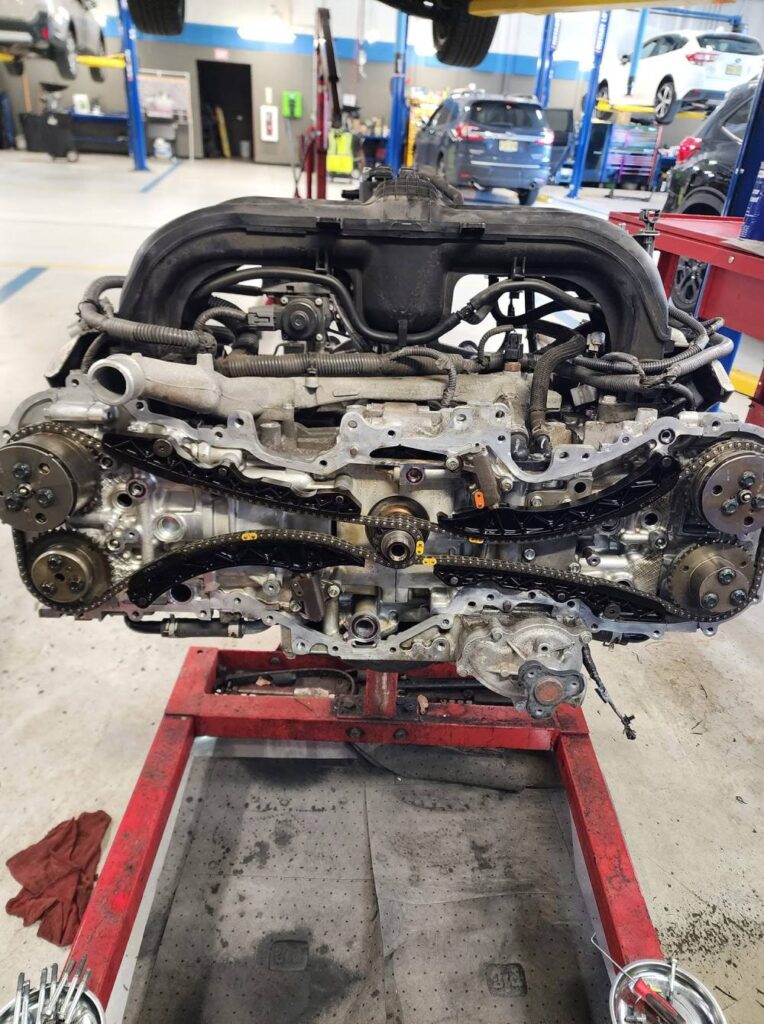
What Is a Subaru Cam Carrier?
To understand why a cam carrier leak can become such an expensive repair, it is important to know what the cam carrier actually does. In Subaru’s boxer engines, the cam carrier is a component that houses and supports the camshafts responsible for controlling the opening and closing of the engine’s valves. It is attached directly to the cylinder head and plays a crucial role in maintaining proper engine operation.
Unlike many traditional engine designs that rely heavily on rubber gaskets, Subaru uses a specialized liquid sealant to create a tight seal between the cam carrier and the cylinder head. Over time, repeated exposure to heat cycles, vibration, and engine stress can cause this sealant to deteriorate. When that happens, engine oil may begin to seep through the affected area.
One of the reasons this issue receives so much attention among Subaru owners is the complexity of the repair process. Accessing the cam carrier often requires technicians to remove multiple engine components, significantly increasing labor time. In many cases, the majority of the repair expense comes from labor rather than the cost of replacement materials themselves.
Understanding the function of the cam carrier provides valuable context for why even a relatively minor oil leak can lead to a substantial repair estimate.
Common Subaru Cam Carrier Leak Symptoms
Recognizing the early signs of a cam carrier leak can help prevent more serious complications and reduce the likelihood of extensive engine damage. While some leaks remain minor for extended periods, others may gradually worsen if left unaddressed.
One of the most common symptoms is a burning oil smell, particularly after driving for longer periods. This odor occurs when leaking oil comes into contact with hot engine components. Some drivers notice the smell after parking the vehicle in a garage or enclosed space.
Another warning sign is the presence of visible oil residue around the sides of the engine. During routine maintenance visits, technicians may identify damp areas or accumulated grime mixed with oil near the cam carrier assembly.
Owners may also notice small oil spots beneath the vehicle after it has been parked for several hours. Although not every oil spot indicates a cam carrier leak, recurring stains should never be ignored.
In more advanced cases, the engine oil level may begin dropping between scheduled oil changes. This can require more frequent topping off of engine oil. If the leak progresses further, light smoke may occasionally emerge from the engine compartment as oil reaches heated surfaces.
It is worth noting that many Subaru owners discover a cam carrier leak during preventive maintenance inspections long before any dashboard warning lights appear.
What Causes a Subaru Cam Carrier Leak?
Several factors can contribute to the development of a cam carrier leak in Subaru vehicles. The most common cause is the natural aging of the sealant used to secure the cam carrier to the cylinder head. Continuous exposure to high temperatures gradually reduces the effectiveness of this sealing material.
Thermal expansion and contraction also play an important role. Every time the engine heats up and cools down, engine components expand and contract at different rates. Over thousands of operating cycles, these movements can place stress on sealing surfaces.
Vehicle age and accumulated mileage may further increase the likelihood of developing minor oil seepage. Older engines have simply experienced more heat cycles and mechanical wear throughout their service life.
In some situations, elevated crankcase pressure resulting from ventilation system issues may contribute to oil leaks by placing additional stress on existing seals. Although less common, improper repairs or inconsistencies during previous service work could also affect sealing performance.
Subaru’s boxer engine design offers many advantages, including a lower center of gravity and improved balance. However, the unique horizontal layout can expose certain sealing surfaces to operating conditions that differ from those found in conventional engine configurations. Understanding these factors can help owners appreciate why cam carrier leaks may develop over time and why early diagnosis remains so important.
Which Subaru Models Are Most Affected?
Although a cam carrier leak can potentially occur in any Subaru equipped with a boxer engine, certain models are more frequently mentioned in owner forums and repair discussions. It is important to understand that this does not mean every vehicle within these model ranges will experience the problem. Many Subaru owners drive their vehicles for years without developing significant oil leaks.
Models equipped with FB series engines, including the Subaru Outback, Forester, and Legacy, are often associated with reports of cam carrier seepage. These vehicles are popular choices among families and commuters because of their practicality and reliability, which means they also represent a large portion of Subaru’s ownership base. As a result, issues affecting these models tend to receive greater attention.
The Subaru Crosstrek has also appeared in discussions regarding minor oil leaks, although the reported frequency generally appears lower. Meanwhile, newer turbocharged models such as the Subaru Ascent and WRX, which utilize FA series engines, have occasionally been cited by owners experiencing similar concerns.
Prospective buyers should avoid assuming that a cam carrier leak is inevitable. Vehicle maintenance history, driving conditions, and overall engine care often play a significant role in long term reliability. When shopping for a used Subaru, requesting service records and arranging a pre purchase inspection can provide valuable peace of mind.
Ultimately, awareness is more important than fear. Understanding which models have generated owner discussions simply allows drivers to make informed maintenance decisions throughout the life of their vehicle.
Is a Subaru Cam Carrier Leak Serious?
The severity of a Subaru cam carrier leak largely depends on the extent of the oil loss and how quickly the condition progresses. In many situations, technicians identify minor seepage during routine inspections that may not require immediate repair. These cases often involve careful monitoring and regular checks of engine oil levels.
However, not all leaks remain stable. As the sealing material continues to deteriorate, the amount of escaping oil may increase over time. More noticeable symptoms such as persistent burning oil odors, visible drips beneath the vehicle, or declining oil levels can indicate that the issue requires prompt attention.
Ignoring a worsening leak carries certain risks. Insufficient engine oil can negatively impact lubrication, potentially increasing wear on critical internal components. Oil that reaches hot exhaust surfaces may also create smoke and unpleasant odors that affect the driving experience.
That said, a cam carrier leak should not automatically be viewed as an engine failure. Many Subaru owners continue driving safely while monitoring minor seepage under the guidance of a trusted technician. The key lies in obtaining an accurate diagnosis and understanding whether the condition is stable or actively worsening.
Addressing concerns early often provides greater flexibility when planning repairs and may help avoid more extensive complications in the future.
Subaru Cam Carrier Repair Process
Repairing a Subaru cam carrier leak is considerably more involved than replacing a simple gasket. The process begins with confirming the exact source of the oil leak. Since oil can travel across engine surfaces, technicians must first determine whether the cam carrier is truly responsible or if another component, such as a valve cover gasket, is the underlying cause.
Once the diagnosis is complete, the technician gains access to the affected area by removing surrounding components as necessary. Depending on the vehicle model and engine configuration, this stage alone can require substantial labor.
After reaching the cam carrier assembly, the existing sealant must be carefully removed. The mating surfaces are then thoroughly cleaned to eliminate any residue that could compromise the effectiveness of the new seal. Precision during this step is essential because even small imperfections may contribute to future leaks.
A manufacturer approved sealant is then applied according to specific guidelines before the assembly is reinstalled. Proper curing procedures and torque specifications are critical to achieving a durable repair.
Following reassembly, technicians typically inspect the engine for signs of continued leakage and verify that all systems are functioning correctly. Because the repair demands both technical expertise and significant labor time, choosing a repair facility familiar with Subaru boxer engines can make a meaningful difference in the quality of the outcome.
Subaru Cam Carrier Repair Costs
One of the biggest concerns for Subaru owners facing this issue is the cost of repair. The expense associated with fixing a cam carrier leak often comes as a surprise because the leak itself may appear relatively minor. However, the complexity of the repair process significantly influences the final bill.
The initial inspection and diagnosis may cost anywhere from one hundred to two hundred and fifty dollars, depending on local labor rates and whether additional testing is required to confirm the exact source of the leak. Since oil can migrate across engine surfaces, an accurate diagnosis is essential before proceeding with repairs.
If a technician determines that a complete cam carrier reseal is necessary, total repair costs commonly range from approximately fifteen hundred to thirty five hundred dollars. The wide price variation reflects differences in labor rates, engine configurations, and regional market conditions. In many cases, labor accounts for the majority of the expense due to the time required to access and reseal the affected components.
Repairs performed at a dealership may fall toward the higher end of the pricing spectrum, while independent repair shops specializing in Subaru vehicles may offer more competitive rates. Nevertheless, vehicle owners should prioritize experience and quality workmanship rather than choosing solely based on the lowest estimate.
Although the repair cost can be substantial, addressing an active leak before it worsens may help prevent additional expenses related to low oil levels or contamination of surrounding engine components.
Can You Drive with a Cam Carrier Leak?
The answer depends largely on the severity of the leak and the recommendations provided by a qualified technician. A minor oil seep discovered during a routine service appointment does not necessarily mean that the vehicle must be removed from the road immediately. Many Subaru owners continue driving for extended periods while carefully monitoring the condition.
If the leak is slight and engine oil levels remain stable between oil changes, a technician may advise periodic inspections rather than urgent repair. During this time, owners should remain attentive to any changes in symptoms and check the oil level more frequently than usual.
However, continuing to drive with a more significant leak carries greater risks. Rapid oil loss can eventually reduce lubrication within the engine, potentially increasing wear and creating conditions that may contribute to severe mechanical damage. Additional warning signs such as persistent burning oil odors, visible smoke from the engine compartment, or fresh oil spots appearing regularly beneath the vehicle should not be ignored.
Drivers planning long road trips or operating their vehicles under demanding conditions should exercise particular caution. Seeking professional guidance at the earliest opportunity allows owners to understand the seriousness of the leak and determine the most appropriate course of action.
Ultimately, while some minor cam carrier leaks can be monitored temporarily, worsening symptoms typically indicate that repair should be scheduled sooner rather than later.
How to Prevent Future Cam Carrier Leaks
Although it may not be possible to eliminate the risk entirely, proper vehicle maintenance can help support long term engine health and potentially reduce the likelihood of developing significant oil leaks.
Following the manufacturer’s recommended oil change intervals remains one of the most important preventive measures. Clean engine oil contributes to effective lubrication and may help minimize unnecessary stress on internal components. Using the correct oil grade specified for your Subaru is equally important.
Routine inspections also play a valuable role. During scheduled maintenance visits, technicians can identify early signs of seepage before they progress into more serious concerns. Detecting a minor issue at an early stage often provides owners with additional time to evaluate repair options.
Paying attention to unusual smells, changes in oil consumption, or new stains appearing beneath the vehicle can also support early intervention. These seemingly minor observations may offer important clues regarding developing problems within the engine.
When repairs become necessary, selecting a technician with experience working on Subaru boxer engines can contribute to higher quality results. Proper application of sealants and adherence to manufacturer procedures are essential factors in achieving a durable repair.
While no maintenance strategy can guarantee that a cam carrier leak will never occur, proactive care and timely inspections can help Subaru owners maximize reliability and reduce the likelihood of unexpected surprises.
Conclusion
Discovering a Subaru cam carrier leak can be frustrating, especially when the repair estimate is much higher than many owners initially expect. Because the symptoms often begin subtly, such as a faint burning oil smell or minor oil residue around the engine, it can be tempting to postpone further investigation. However, understanding the nature of the issue allows you to make informed decisions that protect both your vehicle and your budget.
While not every cam carrier leak requires immediate repair, ignoring a progressing oil leak can increase the risk of more serious problems over time. Regularly monitoring engine oil levels, paying attention to unusual symptoms, and scheduling timely inspections are all important steps in maintaining the long term reliability of your Subaru.
If you have recently been informed that your vehicle has a cam carrier leak, do not panic. Seek a second opinion if necessary, ask questions about the severity of the leak, and work with a technician who has experience servicing Subaru boxer engines. A clear understanding of the repair process and associated costs can help you determine the most practical course of action.
Ultimately, staying proactive is the best strategy. Early diagnosis and proper maintenance can go a long way toward ensuring that your Subaru continues to deliver the dependable performance for which the brand is known.
Frequently Asked Questions
What are the symptoms of a Subaru cam carrier leak?
The most common symptoms include a burning oil smell, visible oil residue around the engine, oil spots underneath the vehicle, decreasing engine oil levels between oil changes, and occasional smoke coming from the engine bay in more severe cases.
How much does it cost to fix a Subaru cam carrier leak?
Repair costs typically range from approximately $1,500 to $3,500. The final price depends on factors such as the Subaru model, engine type, labor rates in your area, and the extent of the repair required.
Is a Subaru cam carrier leak dangerous?
A minor oil seep may not present an immediate danger if oil levels remain stable and the condition is closely monitored. However, a worsening leak can lead to reduced lubrication, increased engine wear, and other complications if left unresolved.
Can I continue driving with a Subaru cam carrier leak?
Many drivers continue operating their vehicles when the leak is minimal and oil consumption remains low. Nevertheless, it is important to monitor oil levels closely and seek professional advice if symptoms become more pronounced.
Which Subaru models commonly experience cam carrier leaks?
Reports from vehicle owners and repair professionals have involved several Subaru models equipped with FB and FA series boxer engines, including the Outback, Forester, Legacy, Crosstrek, Ascent, and WRX. However, not every vehicle within these model ranges will develop this issue.
Is a cam carrier leak the same as a valve cover gasket leak?
No. Although both conditions involve engine oil leaks, they originate from different locations and often require different repair procedures. Because symptoms can overlap, an accurate diagnosis is essential before beginning repairs.
Can a Subaru cam carrier leak be prevented?
There is no guaranteed method of prevention. However, following recommended maintenance schedules, using the correct engine oil, performing regular inspections, and addressing minor leaks promptly may help reduce the likelihood of more significant problems developing over time.
Should I repair a minor cam carrier leak immediately?
The answer depends on the severity of the leak and the advice of a qualified technician. Some minor seepage can be monitored safely, while active leaks associated with oil loss or worsening symptoms generally warrant more immediate attention.