Few automotive technologies have created as much curiosity and passion as the rotary engine. Unlike traditional piston engines that rely on cylinders moving up and down, the Wankel rotary engine uses a spinning rotor to produce power. This unique design allowed engineers to create smaller, lighter, and smoother engines with impressive high RPM performance.
However, rotary engines also became famous for their challenges. Issues such as apex seal wear, higher oil consumption, and complex maintenance prevented the technology from becoming mainstream. Despite these limitations, several manufacturers continued exploring rotary power because of its incredible performance potential and distinctive character.
When people ask, “What cars have rotary engines?” many enthusiasts immediately think of the legendary Mazda RX-7 or RX-8. Mazda became the most successful company in rotary engine development, but it was not the only manufacturer that experimented with Wankel technology. Brands such as NSU, Citroën, Mercedes-Benz, and Chevrolet also created fascinating rotary-powered vehicles.
In this article, we will explore 15 legendary cars that have rotary engines, from early pioneers to modern icons. These vehicles represent decades of innovation, engineering ambition, and the endless pursuit of a different kind of driving experience.
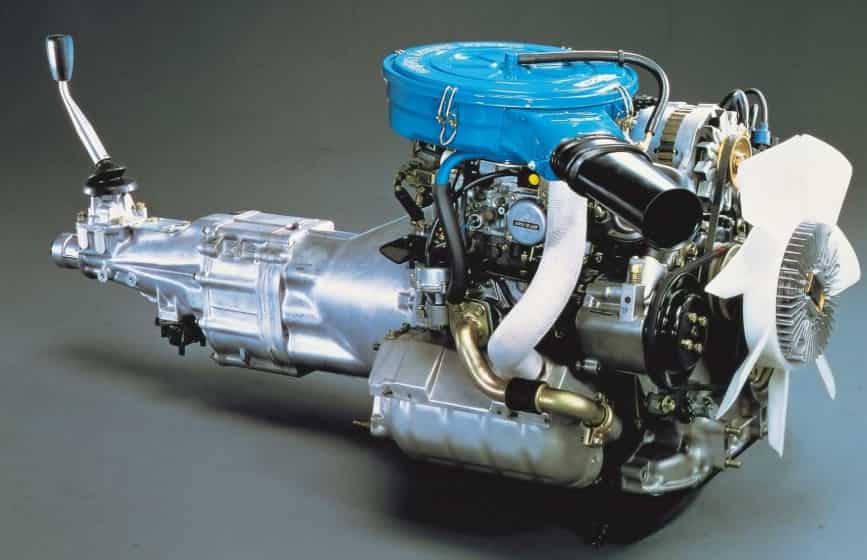
What Is a Rotary Engine and Why Is It Different?
A rotary engine, also known as a Wankel engine, is a type of internal combustion engine that works differently from the traditional piston engines found in most modern vehicles. Instead of using pistons that move vertically inside cylinders, a rotary engine uses a triangular shaped rotor that spins inside a specially designed housing. This rotating movement creates the four stages of engine operation: intake, compression, combustion, and exhaust.
The biggest difference between a rotary engine and a conventional piston engine is its simplicity and compact design. A rotary engine has fewer moving parts, which allows it to operate smoothly with less vibration. Because the rotor can spin at very high speeds, rotary engines are known for their unique power delivery, distinctive exhaust sound, and impressive power to weight ratio.
Engineers were attracted to Wankel technology because it offered several advantages. A smaller rotary engine could produce strong performance while taking up less space in the engine bay. This made it ideal for lightweight sports cars where balance and handling were important factors. The Mazda RX series became a perfect example of how a compact rotary engine could create an exciting driving experience.
However, rotary engines also faced several engineering challenges. The apex seals, which help maintain compression between the rotor and housing, became one of the most discussed weaknesses of the design. Over time, seal wear could lead to reduced performance and expensive repairs. Rotary engines also typically consume more oil and fuel compared with many piston engines, making efficiency and emissions difficult to manage.
Despite these challenges, rotary engines remain one of the most fascinating innovations in automotive history. Their unique character, high revving nature, and connection with iconic vehicles have allowed them to maintain a loyal following among car enthusiasts around the world.
How to Reset Mercedes COMAND System
Resetting the Mercedes COMAND system is one of the simplest solutions when the infotainment system stops responding. A reset can help remove temporary software errors, fix frozen screens, and restore normal system performance without replacing any components.
Before resetting the system, owners should understand that a reset only fixes software related issues. Problems caused by damaged hardware, electrical failures, or faulty modules may require professional diagnosis.
The first step is a soft reset. Turn off the vehicle, remove the key, and wait several minutes before restarting the engine. This allows the electronic systems to shut down and restart properly. Some Mercedes models also support a button combination reset, but the exact method depends on the model year.
Another option is a power cycle reset. This process allows the vehicle to completely turn off its electronic modules before restarting. It can help when the COMAND screen freezes, the system becomes slow, or certain functions stop responding.
For persistent software problems, a factory reset may help. This option restores the system to its original settings but removes saved Bluetooth devices, personal preferences, and customized options.
After completing the reset, check important functions such as the display, audio system, Bluetooth connection, and navigation. If the Mercedes COMAND system still does not work, the issue may involve electrical connections, battery voltage, or internal hardware failure.
15 Legendary Cars That Have Rotary Engines
The history of rotary engine cars is much broader than many people realize. While Mazda became the brand most closely associated with Wankel technology, several manufacturers around the world experimented with rotary power. Some models became successful sports cars, while others remained rare engineering experiments that helped shape automotive history.
These vehicles demonstrate the ambition of engineers who believed the rotary engine could offer a different path from traditional piston technology. From early European pioneers to Japanese performance icons, each rotary powered vehicle contributed something unique to the evolution of automotive design.
NSU Spider
The NSU Spider holds a special place in rotary engine history because it was the first production car powered by a Wankel rotary engine. Introduced in 1964 by the German manufacturer NSU, the small sports car represented a major technological breakthrough at the time.
The Spider used a single rotor engine developed from Felix Wankel’s original rotary concept. Its lightweight construction and unusual engine design attracted attention from automotive engineers and enthusiasts who were curious about the future possibilities of rotary technology.
Although the NSU Spider was not a commercial success, its importance cannot be ignored. It proved that rotary engines could be used in a production vehicle and encouraged other manufacturers to explore the technology.
Mazda Cosmo Sport
The Mazda Cosmo Sport, introduced in 1967, became the first Mazda vehicle powered by a rotary engine and marked the beginning of Mazda’s long relationship with Wankel technology. Its elegant design and advanced engineering made it one of the most important Japanese sports cars of its era.
The Cosmo Sport used a twin rotor 10A rotary engine, offering smooth performance and a futuristic driving experience. At a time when most manufacturers relied on traditional piston engines, Mazda took a significant risk by investing heavily in rotary development.
The Cosmo Sport was more than just a sports car. It represented Mazda’s engineering philosophy and proved that a small Japanese manufacturer could create innovative technology capable of competing on the global stage.
Today, the Cosmo Sport is highly valued by collectors and is considered one of the most important rotary engine cars ever produced.
NSU Ro 80
The NSU Ro 80 was one of the most technologically advanced sedans of the late 1960s. Released in 1967, it featured a twin rotor Wankel engine combined with futuristic styling and advanced engineering solutions.
The car received widespread recognition and won the European Car of the Year award in 1968. Its smooth power delivery, aerodynamic design, and innovative engineering made it stand out from traditional luxury sedans.
However, the NSU Ro 80 also highlighted some of the weaknesses of early rotary technology. Many owners experienced reliability issues related to rotor seals and engine durability. These problems damaged the reputation of rotary engines and contributed to NSU’s financial difficulties.
Despite its challenges, the Ro 80 remains an important milestone because it showed what rotary technology could achieve when applied to a practical passenger vehicle.
Mazda RX 3
The Mazda RX 3 became one of the most popular early rotary performance cars and helped introduce Wankel technology to a wider audience. Produced during the 1970s, the RX 3 combined lightweight construction, sporty styling, and the responsive nature of a rotary engine.
Powered by Mazda’s 10A or 12A rotary engines depending on the market, the RX 3 gained popularity among enthusiasts because of its high revving characteristics and strong motorsport potential.
The model also achieved success in racing, where its compact size and excellent power to weight ratio allowed it to compete against larger vehicles. Its racing heritage helped strengthen Mazda’s reputation as the leading manufacturer of rotary powered cars.
Mazda RX 4
The Mazda RX 4 represented Mazda’s attempt to expand rotary technology beyond small sports cars. Introduced in the 1970s, it offered a larger body style while maintaining the smooth performance characteristics of a rotary engine.
Unlike the lightweight RX 3, the RX 4 focused more on comfort and everyday usability. It was available in different body styles, including coupe, sedan, and wagon versions, making rotary technology accessible to a broader range of customers.
Although it never achieved the same legendary status as the RX 7, the RX 4 played an important role in Mazda’s rotary history. It demonstrated that Wankel engines could be used in various vehicle types, not only dedicated sports cars.
Suzuki RE5
Although rotary engines are mostly associated with cars, Suzuki explored the technology in the motorcycle industry with the RE5. Introduced in 1974, the Suzuki RE5 became one of the few production motorcycles powered by a Wankel rotary engine.
The RE5 used a single rotor engine that provided smooth power delivery and a unique riding experience compared with traditional motorcycle engines. Its quiet operation and vibration free performance demonstrated some of the natural advantages of rotary technology.
However, the motorcycle faced several challenges. The global motorcycle market was changing, fuel prices were increasing, and many riders were unfamiliar with rotary engine maintenance requirements. The RE5 also suffered from concerns about fuel consumption and long term reliability.
Despite its commercial struggles, the Suzuki RE5 remains an important part of rotary engine history. Today, it is considered a rare collector motorcycle and represents Suzuki’s willingness to experiment with unconventional engineering solutions.
Mazda Parkway Rotary 26
The Mazda Parkway Rotary 26 showed that Mazda’s rotary ambitions extended beyond sports cars. Introduced in the 1970s, this unusual minibus became one of the rare examples of a commercial vehicle powered by a rotary engine.
The vehicle used a 13B rotary engine, which provided smooth operation and enough power for passenger transportation. Mazda believed the compact size and low vibration characteristics of rotary technology could make it suitable for larger vehicles.
However, the Parkway Rotary 26 faced the same challenges experienced by many rotary powered vehicles. High fuel consumption made it difficult to compete with conventional diesel powered buses, especially during periods of rising fuel costs.
Although it was not a commercial success, the Parkway Rotary 26 remains fascinating because it demonstrates how far Mazda was willing to push rotary technology. The company explored almost every possible application, from sports cars to motorcycles and commercial vehicles.
Citroën GS Birotor
The Citroën GS Birotor represented one of Europe’s most ambitious attempts to bring rotary technology to mainstream customers. Introduced in 1973, it combined Citroën’s innovative vehicle design with a twin rotor Wankel engine developed through cooperation with NSU.
The GS Birotor offered smooth performance and advanced engineering for its time. It delivered a refined driving experience that matched Citroën’s reputation for comfort and unique automotive design.
Unfortunately, several factors prevented the model from becoming successful. The car arrived during a period of fuel shortages, and its high fuel consumption became a serious disadvantage. Production costs were also high, making the GS Birotor expensive compared with other vehicles in its segment.
Citroën eventually discontinued the project and attempted to remove many of the cars from the market. Today, the GS Birotor is extremely rare and has become an interesting collector vehicle for enthusiasts who appreciate unusual automotive experiments.
Mercedes Benz C111
The Mercedes Benz C111 was not a production vehicle, but it remains one of the most famous rotary engine prototypes ever created. Developed during the late 1960s and early 1970s, the C111 served as a testing platform for Mercedes Benz to explore future performance technologies.
Early versions of the C111 used multiple rotor Wankel engines, including a four rotor configuration capable of producing impressive power. The futuristic design, gullwing doors, and advanced engineering made it one of the most visually striking concepts of its era.
Mercedes Benz used the C111 to study not only rotary engines but also new materials, suspension technology, and aerodynamic concepts. Although the company eventually abandoned rotary development, the lessons learned from the project influenced future Mercedes engineering.
The C111 remains an important example of how major manufacturers explored rotary technology before focusing on more efficient alternatives.
Chevrolet Aerovette
The Chevrolet Aerovette was General Motors’ vision of a futuristic sports car powered by rotary engine technology. Developed during the 1970s, the concept was originally designed around a four rotor Wankel engine.
The Aerovette featured a lightweight body, a mid engine layout, and dramatic styling that reflected the experimental spirit of the era. General Motors believed rotary technology could become a serious competitor to traditional piston engines.
However, challenges related to emissions regulations, fuel economy, and reliability eventually caused GM to abandon its rotary engine plans. The company later shifted its focus toward conventional Corvette development.
Although the Aerovette never reached production, it remains one of the most fascinating rotary engine concepts in American automotive history. It represents a period when manufacturers around the world believed the Wankel engine could transform the future of performance cars.
Mazda RX 8
The Mazda RX 8 represents one of the final chapters of Mazda’s rotary engine journey. Introduced in 2003, it replaced the popular RX 7 and introduced a new generation of Wankel technology known as the Renesis rotary engine.
Unlike the turbocharged rotary engines used in earlier RX 7 models, the RX 8 focused on improving efficiency and emissions. The Renesis engine featured redesigned intake and exhaust systems that helped increase performance while reducing some traditional rotary engine weaknesses.
One of the RX 8’s most unique features was its practical four door design with rear hinged freestyle doors. Mazda wanted to create a sports car that could provide everyday usability without sacrificing the exciting character of a rotary engine.
However, the RX 8 also became known for reliability concerns. Issues such as apex seal wear, carbon buildup, and engine compression loss created challenges for some owners, especially when maintenance was neglected.
Despite these problems, the RX 8 remains an important rotary powered vehicle. It introduced many drivers to the unique experience of owning a Wankel engine car and continued Mazda’s commitment to keeping rotary technology alive.
Mazda RX 7 SA and FB
The first generation Mazda RX 7, produced from 1978 to 1985, established the foundation for one of the most famous rotary sports car families in history. Known internally as the SA and FB generations, this lightweight coupe became a symbol of Japanese performance innovation.
Mazda designed the RX 7 around the principle of balance. Instead of using a large and heavy engine, engineers placed a compact rotary engine behind the front axle to improve weight distribution and handling.
The early RX 7 used Mazda’s 12A rotary engine, delivering smooth power and a high revving character that made it different from many sports cars of the era. Its lightweight chassis allowed it to compete with vehicles equipped with larger engines.
The RX 7 quickly gained popularity because it offered an engaging driving experience at an affordable price. It became especially popular among enthusiasts who appreciated its unique engine design and responsive handling.
The first generation RX 7 proved that a rotary engine could power a successful global sports car and created the foundation for future legendary models.
Mazda RX 7 FC
The second generation Mazda RX 7, known as the FC, arrived in 1985 with a more advanced approach to rotary performance. Inspired by larger grand touring sports cars, the FC combined improved comfort with stronger performance capability.
The biggest development was the introduction of turbocharged rotary technology. The turbocharged 13B engine provided significantly more power while maintaining the smooth and high revving characteristics that made rotary engines famous.
Mazda also improved the RX 7’s suspension, chassis balance, and handling technology. These upgrades transformed the FC into a more refined sports car capable of competing with established performance vehicles from Europe.
The RX 7 FC became popular among driving enthusiasts because it offered a unique combination of Japanese reliability, lightweight design, and turbocharged rotary performance.
Although later models would become more famous, the FC generation played a crucial role in developing the RX 7 into an international performance icon.
Mazda RX 7 FD
The Mazda RX 7 FD is widely considered one of the greatest rotary engine cars ever produced. Introduced in 1992, the third generation RX 7 represented the peak of Mazda’s rotary sports car engineering.
The FD featured a twin turbocharged 13B rotary engine that delivered impressive performance from a remarkably small engine package. Instead of relying on large displacement, Mazda focused on lightweight construction, excellent balance, and innovative turbocharger technology.
The car’s beautiful design, sharp handling, and unique engine characteristics helped it gain worldwide recognition. The RX 7 FD became especially popular among JDM enthusiasts and later gained cultural attention through motorsports, video games, and automotive media.
However, maintaining an RX 7 FD requires careful attention. Rotary engines demand proper maintenance, including regular oil checks, cooling system care, and correct operating temperatures.
Today, the RX 7 FD has become a highly desirable collector vehicle. Its combination of engineering creativity, driving excitement, and rarity has made it one of the most respected rotary powered cars in automotive history.
Mazda RX 7 Spirit R
The Mazda RX 7 Spirit R represents the ultimate evolution of the RX 7 platform. Released in 2002 as the final special edition of the FD generation, it was created to celebrate the end of Mazda’s legendary rotary sports car.
The Spirit R featured exclusive improvements, including upgraded interior components, enhanced braking systems, and performance focused equipment. Mazda produced it in limited numbers, making it one of the most collectible RX 7 models today.
Under the hood was the famous twin turbocharged 13B rotary engine, offering the same unique characteristics that made the RX 7 FD legendary. Its lightweight chassis, precise handling, and emotional driving experience captured everything enthusiasts loved about rotary technology.
The Spirit R represents more than just a special edition vehicle. It symbolizes decades of Mazda’s dedication to the rotary engine and the company’s willingness to continue developing a technology that many other manufacturers abandoned.
For many enthusiasts, the RX 7 Spirit R is the ultimate answer to the question, “What cars have rotary engines?” It stands as one of the greatest examples of how innovation, passion, and engineering ambition can create an automotive legend.
Why Did Mazda Succeed Where Other Rotary Engine Manufacturers Failed?
When people ask what cars have rotary engines, Mazda is usually the first brand that comes to mind. Many manufacturers explored Wankel technology, but Mazda became the only company that successfully developed rotary powered cars for decades.
Mazda’s success came from patience and continuous improvement. While other companies stopped developing rotary engines because of reliability and efficiency problems, Mazda kept improving the design. Engineers worked on common issues such as apex seal durability, cooling, and fuel consumption.
The RX series became the symbol of Mazda’s rotary engine philosophy. Models like the RX 3, RX 7, and RX 8 showed how a small rotary engine could deliver impressive performance. The compact design helped Mazda create lightweight sports cars with excellent balance and handling.
Motorsport also played an important role in Mazda’s rotary success. The Mazda 787B made history by winning the 1991 24 Hours of Le Mans. Its four rotor engine proved that rotary technology could achieve outstanding performance and reliability.
Mazda also built a strong emotional connection with enthusiasts. Rotary engines offered a unique driving experience that traditional engines could not replicate. The high revving character, distinctive sound, and lightweight design made Mazda rotary cars truly special.
Although rotary engines are no longer common, Mazda continues to explore their potential. The company’s dedication helped transform the Wankel engine from an experimental idea into one of the most memorable technologies in automotive history.
Are Rotary Engine Cars Reliable Today?
One of the most common questions after learning what cars have rotary engines is whether these vehicles are reliable today. Rotary engines are famous for their unique performance, but they also require more attention than many traditional piston engines.
The biggest concern with rotary engines is apex seal wear. These seals maintain compression inside the engine housing. When they become damaged, the engine can lose power and develop starting problems. Regular maintenance is important to prevent major issues.
Oil consumption is another characteristic of rotary engines. Unlike many modern engines, rotary engines naturally use oil during operation. Owners must check oil levels frequently and follow proper service schedules. Ignoring oil maintenance can lead to serious engine damage.
Cooling system care is also essential. Rotary engines operate at high temperatures, so a healthy cooling system helps protect engine components. Proper warm up and correct driving habits can also extend engine life.
However, a well maintained rotary engine can still provide an enjoyable ownership experience. Many Mazda RX 7 and RX 8 owners continue driving their cars for years because of their unique character and performance.
Rotary cars are best suited for enthusiasts who enjoy learning about their vehicle and following maintenance requirements. They may not be the best choice for drivers who want simple and low cost transportation.
For collectors and performance enthusiasts, rotary engine cars offer something special. Their unusual engineering, smooth power delivery, and emotional driving experience make them different from almost every other vehicle on the road.
The Future of Rotary Engines: Can Wankel Technology Make a Comeback?
For decades, many people believed the rotary engine was a technology from the past. However, the Wankel engine has continued to attract interest because of its unique advantages. Its compact size, lightweight design, and smooth operation still make it valuable in certain applications.
Mazda has remained the strongest supporter of rotary technology. Although the company stopped producing traditional rotary sports cars after the RX 8, it continued researching new ways to use the engine. One example is the rotary engine range extender used in the Mazda MX 30 plug in hybrid system.
The role of rotary engines may change in the future. Instead of powering performance cars directly, they could support electric vehicles by acting as compact generators. Their small size makes them suitable for applications where space and weight are important.
Hydrogen rotary engines have also gained attention. Mazda has explored hydrogen fuel because rotary engines can handle alternative fuels with fewer design changes compared with traditional engines. This research shows that Wankel technology may still have potential in a changing automotive industry.
The future of rotary engines will depend on factors such as efficiency, emissions, and market demand. They may never become as common as piston engines, but they remain an important example of automotive innovation.
For enthusiasts, the rotary engine represents more than just a mechanical design. It represents creativity, experimentation, and the desire to build something different. That passion continues to keep Wankel technology alive.
Conclusion
The answer to the question “What cars have rotary engines?” goes far beyond a simple list of Mazda models. Throughout automotive history, many manufacturers explored Wankel technology and created unique vehicles that pushed engineering boundaries.
From the early NSU Spider and Mazda Cosmo Sport to legendary models like the RX 7 FD and RX 7 Spirit R, rotary powered cars have created a special place in automotive culture. These vehicles proved that performance was not always about larger engines or traditional designs.
Mazda became the most successful rotary engine manufacturer because of its long term commitment and continuous development. The company’s RX series transformed the Wankel engine from an experimental idea into a symbol of innovation and driving passion.
Rotary engines still have challenges, including maintenance requirements, fuel consumption, and reliability concerns. However, their compact design, high revving nature, and unique character continue to attract enthusiasts around the world.
Today, rotary technology may have a different role in the automotive industry. Whether used in hybrid systems, alternative fuel research, or future performance applications, the Wankel engine remains an important part of automotive history.
Which rotary powered car is your favorite? Would you choose the legendary Mazda RX 7, the practical RX 8, or one of the rare rotary vehicles created by other manufacturers?