When your Mercedes suddenly loses power, struggles to accelerate, or enters limp mode, seeing the P0299 trouble code can be a frustrating experience. Many drivers assume that a turbocharger failure is the only possible explanation, but the reality is more complex. The Mercedes P0299 code indicates a turbo underboost condition, meaning the engine control unit has detected that the actual boost pressure is lower than the expected level.
Modern Mercedes-Benz engines rely on a precise turbocharger system to deliver strong performance, fuel efficiency, and smooth acceleration. When components such as the turbocharger, boost pressure sensor, intercooler system, or air intake system fail to operate correctly, the vehicle may trigger the P0299 fault code and limit engine performance to protect itself.
Understanding the real cause behind a Mercedes P0299 code is essential because replacing the turbocharger immediately may not always be the right solution. A simple boost leak, faulty sensor, damaged hose, or control system issue can create the same warning message while requiring a much simpler repair.
In this guide, we will explain the common causes, symptoms, diagnostic process, repair solutions, and potential costs associated with Mercedes P0299 turbo underboost problems. Whether you drive a Mercedes C-Class, E-Class, GLC, GLE, or Sprinter, this information will help you better understand the issue and make a more informed repair decision.
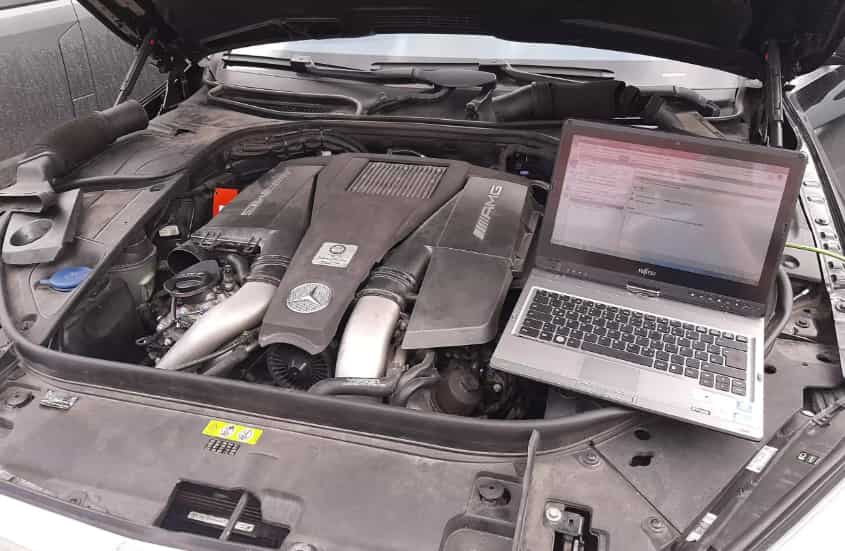
What Does Mercedes P0299 Code Mean?
The Mercedes P0299 code is an OBD II diagnostic trouble code that indicates a turbocharger underboost condition. In simple terms, the engine control unit (ECU) has detected that the turbocharger is not producing the expected amount of boost pressure required for optimal engine performance. When the actual boost pressure remains below the programmed target value, the ECU records the P0299 fault code and may activate protective measures to prevent possible engine damage.
Turbocharged Mercedes-Benz engines depend on a carefully controlled airflow system to generate power efficiently. The turbocharger compresses incoming air and forces more oxygen into the combustion chamber, allowing the engine to produce greater power without significantly increasing engine size. To maintain the correct pressure level, the system relies on multiple components, including the turbocharger assembly, wastegate actuator, intercooler, boost pressure sensor, intake pipes, and engine management software.
A P0299 code does not automatically mean that the turbocharger itself has failed. Many Mercedes owners make the mistake of replacing expensive turbo components before identifying the actual source of the problem. Issues such as a leaking intercooler hose, damaged charge air pipe, faulty boost sensor, vacuum system failure, or incorrect turbo control operation can all cause the same underboost condition.
The ECU continuously compares the requested boost pressure with the actual boost pressure measured by various sensors. When the difference becomes too large for a specific period, the system recognizes that the turbocharger is unable to deliver the required performance and stores the Mercedes P0299 code.
Understanding the meaning behind this fault code is the first step toward an accurate diagnosis. By identifying whether the problem comes from the turbocharger, air intake system, sensors, or control components, Mercedes owners can avoid unnecessary repairs and restore engine performance more effectively.
Common Symptoms of Mercedes P0299 Code
When a Mercedes develops a P0299 code, the symptoms can be different depending on the cause. Some drivers notice a sudden loss of power. Others may experience weaker performance over time. Finding these signs early can help prevent more expensive repairs.
The most common symptom of Mercedes P0299 is reduced engine power. The turbocharger cannot create enough boost pressure when a problem occurs. As a result, the engine may feel slower during acceleration. Drivers may also notice poor throttle response or difficulty gaining speed on highways.
Another common sign is limp mode activation. Mercedes vehicles use this safety feature when the ECU detects a serious performance issue. The system reduces engine power to protect important components. In some cases, restarting the vehicle may temporarily remove the warning. However, the original problem will still remain.
The check engine light is another important warning sign. The ECU turns on this light when the turbocharger system does not meet the expected boost pressure level. A diagnostic scanner is needed to confirm the Mercedes P0299 code and check for additional fault codes.
Some owners may experience higher fuel consumption. A turbocharger problem can reduce engine efficiency. The ECU may adjust fuel delivery because the engine is not receiving enough air.
Other possible symptoms include unusual turbo noises, hesitation during acceleration, and inconsistent engine performance. These signs can point to problems with the turbocharger, boost system, or related components.
Recognizing these symptoms early helps Mercedes owners avoid unnecessary part replacements. A proper diagnosis can identify the real cause of the P0299 code and restore normal engine performance.
What Causes Mercedes P0299 Turbo Underboost Problems?
A Mercedes P0299 code can appear for many different reasons. The problem does not always mean that the turbocharger has failed. In many cases, a smaller issue within the boost system can prevent the engine from reaching the correct pressure level.
One of the most common causes is a boost leak. The turbocharger compresses air and sends it through the intercooler and intake system. If a hose, pipe, or connection becomes damaged, pressurized air can escape before reaching the engine. The ECU then detects lower than expected boost pressure and stores the P0299 fault code.
A faulty turbocharger wastegate actuator can also trigger this problem. The wastegate controls how much exhaust gas reaches the turbocharger. If the actuator does not work correctly, the turbo may not create enough boost pressure. This can lead to poor acceleration and reduced engine performance.
Another possible cause is a damaged turbocharger assembly. Internal wear, worn bearings, or mechanical damage can reduce turbo efficiency. When the turbocharger cannot spin properly, the engine will not receive the required amount of compressed air.
Faulty sensors are also common reasons behind Mercedes P0299. The boost pressure sensor and MAP sensor provide important information to the ECU. If these sensors send incorrect readings, the engine control system may incorrectly identify a low boost condition.
Vacuum system problems can affect turbo control as well. Many Mercedes engines use vacuum pressure to operate turbo components. Cracked vacuum lines, a weak vacuum pump, or control valve issues can prevent proper turbo operation.
Carbon buildup is another factor, especially on some diesel Mercedes models. Deposits can affect turbocharger movement and reduce system efficiency. Restricted air filters or exhaust components can also limit airflow and create underboost conditions.
In some cases, software issues or previous incorrect repairs may cause the P0299 code to return. An outdated ECU calibration or improperly installed component can affect boost control.
Because Mercedes P0299 has many possible causes, replacing the turbocharger should not be the first step. A complete diagnosis of the boost system can identify the real problem and help avoid unnecessary repair costs.
How to Diagnose Mercedes P0299 Code Step by Step
Proper diagnosis is the most important step when dealing with a Mercedes P0299 code. Many components can create a turbo underboost condition. Replacing parts without testing can lead to unnecessary expenses. A systematic inspection helps identify the real source of the problem.
The first step is to scan the vehicle with an OBD II diagnostic scanner. The scan confirms the P0299 fault code and reveals additional stored codes. Technicians should also review freeze frame data because it shows the engine conditions when the fault occurred. This information can provide useful clues about the problem.
The next step is a visual inspection of the turbocharger and air intake system. The technician should check the intercooler, charge air pipes, and turbo hoses for cracks or loose connections. Even a small air leak can reduce boost pressure and trigger the Mercedes P0299 code.
A boost leak test is another important diagnostic procedure. This test applies controlled pressure to the charge air system to identify escaping air. Smoke testing can also help locate leaks that are difficult to see during a normal inspection.
The turbocharger control system should also be tested. The wastegate actuator, vacuum lines, and related control components must operate correctly. If the actuator cannot control turbo pressure, the engine may not produce enough boost.
Sensor testing is also required during diagnosis. The boost pressure sensor and MAP sensor should provide accurate readings to the ECU. Incorrect sensor data can cause the engine management system to reduce turbo performance.
Another useful method is comparing requested boost pressure with actual boost pressure. The ECU calculates the amount of boost needed based on engine conditions. If the actual pressure remains lower than the target value, further testing is required to find the cause.
A complete diagnosis prevents unnecessary turbocharger replacement. Many Mercedes P0299 problems come from simple issues such as leaks, sensors, or control components. Finding the exact failure point is the best way to achieve a reliable repair.
How to Fix Mercedes P0299 Code
Fixing a Mercedes P0299 code requires finding the exact cause of the turbo underboost problem first. This fault code can come from several different components, so replacing expensive parts without proper testing may not solve the issue.
If the problem is caused by a boost leak, the repair usually involves replacing damaged hoses, cracked charge air pipes, worn seals, or faulty intercooler connections. These parts control the flow of compressed air between the turbocharger and the engine. A small leak can reduce boost pressure and cause noticeable power loss.
A faulty boost pressure sensor or MAP sensor may also need replacement. These sensors send important data to the ECU. When the readings are incorrect, the engine management system may detect low boost pressure even when the turbocharger is operating normally.
If the wastegate actuator or turbo control system is damaged, the repair may require actuator adjustment, calibration, or replacement. These components control turbocharger operation and help maintain the correct boost level.
In cases where the turbocharger has internal damage, a complete turbo replacement may be necessary. However, this should only happen after confirming that other possible causes have been ruled out.
After the repair is completed, the vehicle should receive a full system test. The technician should check boost pressure levels, clear the fault code, and confirm that the Mercedes P0299 code does not return.
The most effective repair approach is always accurate diagnosis. Identifying the real cause helps avoid unnecessary costs and restores reliable turbo performance.
Mercedes P0299 Repair Cost: How Much Should You Expect to Pay?
The repair cost for a Mercedes P0299 code depends on the actual cause of the turbo underboost problem. Some repairs are simple and affordable, while others can become expensive if the turbocharger or major engine components are damaged. A proper diagnosis is the best way to avoid unnecessary repair costs.
If the issue is caused by a boost leak, the repair is usually one of the more affordable options. Replacing a damaged hose, seal, or intercooler connection may cost between $100 and $500, depending on the part and labor involved.
A faulty boost pressure sensor or MAP sensor can also trigger the Mercedes P0299 code. Sensor replacement typically costs between $150 and $600. The final price depends on the vehicle model and accessibility of the component.
If the problem involves the turbocharger actuator or wastegate system, repair costs can increase. These repairs may range from $500 to $1,500 because they often require detailed testing and calibration.
A complete turbocharger replacement is the most expensive repair option. Depending on the Mercedes model, parts quality, and labor rates, the cost can range from $1,500 to more than $4,000.
Many Mercedes owners make the mistake of replacing the turbocharger immediately after seeing the P0299 code. However, the real problem may only be a small air leak or a faulty sensor. Professional diagnosis can help identify the correct repair and prevent unnecessary spending.
Addressing the issue early can also prevent additional damage. A properly repaired turbo system helps restore engine performance, fuel efficiency, and long term vehicle reliability.
Can You Drive a Mercedes With P0299 Code?
Driving a Mercedes with a P0299 code may be possible for a short period, but it is not recommended to ignore the problem. This fault code indicates that the turbocharger system is not producing the expected boost pressure. Continuing to drive without proper diagnosis may reduce performance and increase the risk of further damage.
If the vehicle still runs normally and only shows the check engine light, some drivers may continue driving for a limited time. However, the car should be inspected as soon as possible. A small issue, such as a boost leak or faulty sensor, can become more serious if it remains unresolved.
When a Mercedes enters limp mode, driving should be limited. The reduced power is a safety feature controlled by the ECU. It helps protect the engine and turbocharger from possible damage. Ignoring repeated limp mode events may lead to more expensive repairs in the future.
A failing turbocharger can create additional risks. Internal turbo damage may cause poor engine performance, excessive stress on related components, or increased oil consumption. These problems can affect the reliability of the vehicle.
The safest approach is to diagnose the Mercedes P0299 code early. A professional inspection can determine whether the issue is minor or requires immediate repair. Fixing the problem before it becomes worse can save money and help maintain the performance of your Mercedes-Benz.
If your vehicle shows reduced power, unusual turbo noises, or repeated warning lights, it is better to schedule a diagnostic check instead of continuing to drive without knowing the cause.
Mercedes Models Commonly Affected by P0299 Code
The Mercedes P0299 code can appear on many turbocharged Mercedes-Benz models. The issue is not limited to one specific vehicle because modern Mercedes engines use similar turbocharger and boost control systems across different model ranges. Both gasoline and diesel engines can experience turbo underboost problems when related components fail.
The Mercedes C-Class is one of the models where P0299 may occur. Turbocharged versions rely on precise boost control to deliver smooth acceleration and strong engine performance. Problems with boost leaks, sensors, or turbo control components can affect power delivery.
The Mercedes E-Class can also experience this fault code, especially on models equipped with advanced turbocharged engines. Drivers may notice reduced acceleration, poor throttle response, or occasional limp mode activation when the boost system is not working correctly.
Mercedes SUVs such as the GLC and GLE can also develop P0299-related issues. These vehicles often use turbocharged engines that require efficient airflow management. A damaged intercooler hose, faulty actuator, or sensor problem can reduce turbo performance.
The Mercedes Sprinter is another vehicle commonly associated with turbo underboost concerns. Many Sprinter models use diesel turbo systems designed for commercial use. Long driving hours and high engine loads can increase wear on turbo-related components.
Although certain models may experience P0299 more frequently, the cause is usually related to the turbocharger system rather than the vehicle model itself. Proper diagnosis is always required to identify the exact failure point.
Understanding which Mercedes models can experience this issue helps owners recognize warning signs earlier. Early inspection can prevent performance problems and reduce the risk of expensive turbocharger repairs.
Conclusion
The Mercedes P0299 code is a common turbo underboost problem that can affect engine performance, acceleration, and driving confidence. While many drivers immediately think of turbocharger failure, the real cause can come from several different areas of the vehicle. A damaged boost hose, faulty sensor, vacuum system issue, or turbo control problem can all create the same fault code.
Understanding the symptoms and causes of Mercedes P0299 is the first step toward finding the right solution. Reduced power, limp mode, poor acceleration, and increased fuel consumption are signs that the turbocharger system needs attention. Proper diagnosis is essential because replacing expensive components without testing may not fix the actual problem.
The best approach is to inspect the complete boost pressure system and identify the source of the failure. Early repairs can help prevent more serious damage and reduce overall repair costs. Whether your Mercedes is a C-Class, E-Class, GLC, GLE, or Sprinter, accurate troubleshooting can restore normal performance and reliability.
If your Mercedes shows the P0299 code, do not ignore the warning. A professional diagnostic check can help determine the exact cause and provide the most effective repair solution. Addressing the problem early is the best way to protect your engine, turbocharger, and long term driving experience.