A Mercedes vehicle that suddenly refuses to start can be frustrating. Many drivers check the battery or key first, but the real issue may come from the ignition system. Mercedes Ignition Switch Problems often create confusing symptoms because modern Mercedes vehicles use advanced electronic systems to control engine starting and vehicle access.
The ignition switch plays an important role in the starting and electrical system. When this component starts to fail, drivers may notice several warning signs. The vehicle may not start, the key may not get recognized, or some electrical functions may stop working. These issues can appear without warning and create unexpected repair costs.
Many Mercedes owners struggle to identify the exact cause of these failures. A faulty ignition switch can look similar to a weak battery, a damaged starter, or a key-related problem. Finding the correct cause before replacing parts can save both time and money.
This guide explores the most common Mercedes Ignition Switch Problems, explains why they happen, and shows how technicians diagnose them. You will also learn about repair options that can help restore reliable performance and prevent future starting issues.
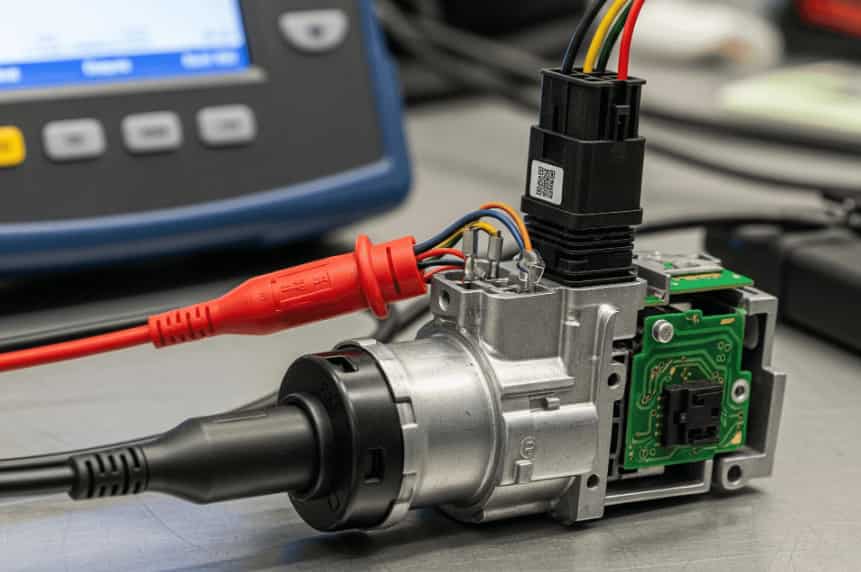
Understanding the Mercedes Ignition Switch System
The ignition switch is one of the key components in a Mercedes starting system. Its main function is to control the connection between the vehicle’s electrical system and the engine start process. When the driver turns the key or uses a push button start, the ignition system checks several conditions before allowing the engine to run.
Older Mercedes models use a more traditional ignition switch design. This system relies on mechanical movement and electrical contacts to send power to different vehicle components. Over time, these internal parts can wear out and create starting problems or electrical failures.
Modern Mercedes vehicles use a more advanced electronic ignition system. Instead of relying only on a mechanical switch, many models use an Electronic Ignition Switch, also known as the EIS, or an Electronic Ignition Lock, known as the EZS. These modules communicate with other control units to verify the key and authorize the vehicle to start.
The ignition process involves several important steps. First, the key sends an identification signal to the vehicle. The EIS or EZS module then checks this information with the immobilizer system. If the system confirms the correct authorization, it allows communication between the engine control module, starter system, and other electronic components.
A failure in any part of this process can lead to Mercedes Ignition Switch Problems. For example, a damaged EIS module may prevent key recognition, block engine starting, or cause electrical functions to behave incorrectly. Because these systems work together, accurate diagnosis is important before replacing any component.
Understanding how the Mercedes ignition system works helps owners recognize early warning signs. It also helps technicians identify whether the problem comes from the ignition switch, the key, the battery, or another electrical component.
Common Mercedes Ignition Switch Problems and Warning Signs
Mercedes Ignition Switch Problems can appear in different ways depending on the vehicle model and the condition of the ignition system. Some failures happen gradually, while others appear suddenly without warning. Recognizing the early symptoms can help owners avoid unexpected breakdowns and expensive repairs.
One of the most common signs is a Mercedes that will not start even when the key appears to work correctly. The dashboard may light up, but the engine may not crank or respond when the driver tries to start the vehicle. In many cases, this issue happens because the ignition switch cannot send the correct signal to the vehicle’s starting system.
Another common symptom is a key recognition problem. The vehicle may fail to detect the key, refuse to unlock the ignition system, or display warning messages related to the key. When the EIS or EZS module cannot communicate properly with the key, the immobilizer system may prevent the engine from starting.
Some Mercedes owners experience intermittent starting problems. The vehicle may start normally one day but fail on another occasion. These inconsistent symptoms often make diagnosis difficult because the ignition system may work temporarily before failing again. Over time, the problem usually becomes more frequent.
Electrical problems can also indicate a failing ignition switch. Drivers may notice issues with the dashboard, interior lights, power accessories, or other electronic systems. Since the ignition switch controls electrical communication between different modules, a failure can affect multiple functions at the same time.
Steering lock issues are another possible warning sign, especially in Mercedes models that use an electronic steering lock system. A faulty communication process between the EIS, EZS, and steering lock module can prevent the vehicle from completing the starting procedure.
In some cases, a failing ignition switch can cause the engine to stall unexpectedly. When the ignition signal becomes unstable, the engine control system may lose important communication with other vehicle components. This situation can create a safety concern and requires professional inspection.
Warning messages such as key errors, start errors, or ignition-related alerts should not be ignored. These messages often appear before a complete ignition failure occurs. Early diagnosis can help identify whether the problem comes from the ignition switch, battery, key, or another electrical component.
Understanding these warning signs is the first step in solving Mercedes Ignition Switch Problems. A correct diagnosis can prevent unnecessary repairs and help restore reliable vehicle operation.
What Causes Mercedes Ignition Switch Failure?
Mercedes Ignition Switch Problems can develop for several reasons. The ignition system contains many electronic components that must work together correctly. When one part fails, the vehicle may experience starting problems, key recognition issues, or electrical malfunctions.
One common cause is internal wear inside the ignition switch or electronic ignition module. Over time, repeated use can affect internal circuits and electronic components. As these parts become weaker, the ignition system may struggle to communicate properly with other vehicle modules.
A faulty Electronic Ignition Switch, also known as the EIS, is another frequent cause of ignition failure in Mercedes vehicles. The EIS manages important communication between the key, immobilizer system, and engine control module. When the module develops an internal fault, the vehicle may not recognize the key or allow the engine to start.
Battery problems can also contribute to ignition system failures. Mercedes vehicles rely heavily on stable electrical voltage to operate their electronic modules. A weak battery, poor connection, or sudden voltage drop can interrupt communication between the ignition system and other control units.
Key-related problems may create symptoms that look like ignition switch failure. A damaged key, faulty transponder chip, or communication issue between the key and vehicle can prevent proper authorization. Testing the key before replacing the ignition switch can help avoid unnecessary expenses.
Moisture and electrical corrosion can also damage ignition components. Water exposure may affect wiring connections, electronic modules, and communication circuits. Even small amounts of corrosion can create intermittent problems that become worse over time.
Previous electrical repairs or aftermarket modifications may also cause ignition problems. Incorrect wiring, poor installation, or incompatible electronic accessories can interfere with the vehicle’s communication system. Mercedes vehicles use complex networks, so electrical changes require careful handling.
Understanding the causes behind Mercedes Ignition Switch Problems helps owners make better repair decisions. Instead of replacing parts based only on symptoms, technicians should identify the exact source of the failure through proper testing and diagnosis.
How to Diagnose Mercedes Ignition Switch Problems
Diagnosing Mercedes Ignition Switch Problems requires a careful inspection because several components can create similar symptoms. A vehicle that does not start may have an ignition switch issue, but the actual cause could also involve the battery, key, starter, or communication system. Proper testing helps prevent unnecessary repairs and replacement costs.
The first step is checking the vehicle battery condition. Mercedes electronic systems require stable voltage to communicate correctly. A weak battery or poor electrical connection can interrupt the ignition process and create symptoms that look like a failed ignition switch.
The next step is testing the Mercedes key. Technicians often check whether the spare key works correctly and whether the vehicle recognizes the key signal. If the key cannot communicate with the vehicle, the problem may come from the key or transponder system instead of the ignition switch.
Professional diagnostic scanning is an important part of the inspection process. Mercedes technicians commonly use the STAR Diagnostic System, also known as XENTRY, to access vehicle control modules. This equipment can identify communication errors related to the EIS, EZS, immobilizer, and other electronic systems.
A diagnostic scan can reveal whether the ignition module has internal faults or communication failures. Technicians can also check stored error codes and analyze data from different control units. This information helps determine whether the ignition switch is the real source of the problem.
Electrical connections should also be inspected during diagnosis. Loose wiring, damaged connectors, blown fuses, or corrosion can interrupt communication between modules. These issues may create the same symptoms as a faulty ignition switch.
After completing these checks, technicians can confirm the correct repair solution. A proper diagnosis ensures that owners do not replace expensive components without evidence. Since Mercedes ignition systems contain multiple connected modules, accurate testing is the most effective way to solve Mercedes Ignition Switch Problems.
Mercedes Ignition Switch Repair and Replacement Solutions
Once technicians confirm the cause of Mercedes Ignition Switch Problems, the next step is choosing the correct repair solution. The best option depends on the condition of the ignition system, the vehicle model, and the level of damage. A proper diagnosis helps owners avoid unnecessary replacements and reduce repair costs.
In some cases, the Electronic Ignition Switch, also known as the EIS, can be repaired. Specialized technicians can inspect the module, repair internal electronic faults, and restore communication with other vehicle systems. This option may cost less than replacing the entire unit, especially when the damage is limited.
Another solution is replacing the faulty ignition module. Mercedes vehicles often require specific EIS or EZS modules that match the vehicle configuration. After installation, the replacement unit usually needs programming to communicate correctly with the key, immobilizer system, and engine control module.
Key repair or replacement may also solve some ignition problems. If the key has a damaged transponder or communication issue, replacing the ignition switch may not fix the actual problem. Testing the key system first helps identify the correct repair path.
Professional electrical diagnosis is important when dealing with Mercedes ignition systems. These vehicles use complex electronic networks that connect multiple control modules. Incorrect repairs or unsuitable replacement parts can create additional problems and increase costs.
Some owners consider aftermarket solutions to reduce expenses. However, Mercedes electronic components require accurate compatibility and programming. Using unreliable parts may lead to repeated failures or communication issues in the future.
The right repair approach depends on the exact cause of the failure. Whether the solution involves EIS repair, module replacement, key programming, or electrical troubleshooting, accurate diagnosis remains the most important step. A professional repair can restore reliable starting performance and prevent future Mercedes Ignition Switch Problems.
Mercedes Ignition Switch Replacement Cost and Repair Considerations
The cost of fixing Mercedes Ignition Switch Problems depends on several factors. Unlike simple mechanical components, Mercedes ignition systems often include electronic modules that require specialized testing and programming. The final repair price can vary based on the vehicle model, the failed component, and the repair method.
One major cost factor is the type of repair required. If the ignition module only needs repair or reprogramming, the expense may be lower than a complete replacement. However, if the EIS or EZS module has severe internal damage, replacing the unit may require additional parts and programming services.
The Mercedes model and production year can also affect the replacement cost. Different vehicles use different ignition systems and electronic configurations. Older models may have simpler components, while newer models often rely on more advanced electronic communication networks.
The choice between OEM and aftermarket parts can influence both price and reliability. Genuine Mercedes components are designed to work with the vehicle’s existing systems. Lower cost alternatives may appear attractive, but compatibility issues can create additional problems if the part does not communicate correctly with other modules.
Labor costs are another important consideration. Mercedes ignition repairs often require advanced diagnostic equipment and technical knowledge. Programming a replacement ignition module requires specific tools and procedures to ensure the vehicle recognizes the new component.
Many owners compare dealership repairs with independent Mercedes specialists. Dealerships usually provide manufacturer-level equipment and support, but independent specialists may offer more flexible repair options and lower labor costs. The most important factor is choosing a technician with experience handling Mercedes electronic systems.
Before approving any repair, owners should request a complete diagnosis and a clear explanation of the required work. Replacing expensive ignition components without confirming the cause can lead to unnecessary spending.
Understanding the factors behind Mercedes Ignition Switch Problems repair costs helps owners make better decisions. A reliable diagnosis, quality components, and skilled installation can provide a long term solution and prevent repeated ignition failures.
How to Prevent Future Mercedes Ignition Switch Problems
Preventing Mercedes Ignition Switch Problems starts with proper vehicle maintenance and early attention to warning signs. The ignition system depends on several electronic components working together, so keeping the entire electrical system in good condition can reduce the risk of unexpected failures.
Maintaining a healthy battery is one of the most important prevention steps. Mercedes electronic modules require stable voltage to operate correctly. A weak battery or unstable power supply can affect communication between the ignition system and other control units. Replacing an aging battery before it fails completely can help protect sensitive electronic components.
Owners should also avoid ignoring early warning signs. Problems such as delayed starting, key recognition issues, or unusual electrical behavior may indicate a developing ignition system problem. Addressing these symptoms early can prevent a minor issue from becoming a major repair.
Using genuine Mercedes keys and maintaining proper key condition can also improve system reliability. Damaged keys, weak signals, or communication problems between the key and vehicle may create ignition-related symptoms. Regularly checking key function can help identify problems before they affect vehicle operation.
Electrical modifications should be performed carefully on Mercedes vehicles. Incorrect wiring, poorly installed accessories, or unsuitable electronic equipment can interfere with the vehicle communication network. Professional installation helps protect the ignition system and other control modules.
Regular diagnostic checks can also help detect hidden issues. Mercedes vehicles store information from different electronic systems, and professional scanning can identify potential problems before complete failure occurs.
A proactive maintenance approach can reduce the chance of Mercedes Ignition Switch Problems and help maintain reliable performance. By protecting the battery, monitoring warning signs, and using proper repair methods, owners can avoid unexpected starting issues and expensive repairs.
Frequently Asked Questions About Mercedes Ignition Switch Problems
What are the symptoms of a bad Mercedes ignition switch?
Common symptoms include difficulty starting the vehicle, key recognition problems, electrical failures, dashboard issues, and intermittent ignition problems. Some Mercedes owners may also experience warning messages related to the key or starting system.
Why won’t my Mercedes start even though the key works?
A Mercedes may fail to start even with a working key because of problems with the ignition switch, EIS module, battery voltage, immobilizer system, or communication between electronic components. A professional diagnosis can identify the exact cause.
How do I know if my Mercedes EIS module has failed?
A faulty Mercedes EIS module may cause key recognition problems, no start conditions, intermittent electrical issues, or communication errors with other vehicle systems. Diagnostic scanning can help confirm whether the EIS module is the source of the problem.
How much does Mercedes ignition switch replacement cost?
The replacement cost depends on the vehicle model, the type of ignition component, labor rates, and programming requirements. Some issues can be repaired, while others require complete module replacement.
Can Mercedes ignition switch problems be repaired?
Yes, some Mercedes ignition switch problems can be repaired. Depending on the failure, technicians may repair the EIS module, reprogram components, replace damaged keys, or install a new ignition module.
Final Thoughts on Mercedes Ignition Switch Problems
Mercedes Ignition Switch Problems can be difficult to identify because they often share symptoms with other electrical and starting system failures. A vehicle that does not start may have an issue with the ignition switch, but the actual cause could involve the battery, key, starter, or communication system.
Understanding the common symptoms, causes, and diagnosis process helps Mercedes owners make better repair decisions. Early attention to warning signs can prevent more serious failures and reduce unnecessary repair expenses.
The most effective solution starts with accurate testing. Replacing parts without proper diagnosis can waste time and money. Working with experienced technicians and using the correct diagnostic tools can help restore reliable vehicle performance.
If your Mercedes has experienced starting problems, key recognition issues, or unusual electrical behavior, identifying the cause early is the best way to protect your vehicle. Share your Mercedes model, production year, and symptoms to help determine the possible source of the problem.