Imagine you’re driving through busy traffic or trying to warn another driver of an imminent hazard, only to discover that your Jeep’s horn doesn’t work. While it may seem like a minor inconvenience at first, a malfunctioning horn is actually a serious safety concern. Your horn is one of the most important communication tools on the road, helping you alert pedestrians, avoid collisions, and comply with traffic safety regulations. In many regions, a non-functioning horn can even cause your vehicle to fail a safety inspection.
Fortunately, a Jeep horn that stops working is often easier to diagnose than many owners expect. The problem may be as simple as a blown fuse or a faulty relay, or it could involve more complex components such as the clock spring, horn switch, damaged wiring, or the horn assembly itself. Understanding how these components work together can save you both time and unnecessary repair costs.
In this comprehensive troubleshooting guide, you’ll learn the most common reasons why a Jeep horn stops working, how to identify the source of the problem through step-by-step diagnostics, and the most effective repair solutions. Whether you own a Jeep Wrangler, Grand Cherokee, Cherokee, Compass, Gladiator, or another model, this guide will help you troubleshoot the issue with confidence and determine whether it’s a simple DIY fix or a repair that requires professional assistance.
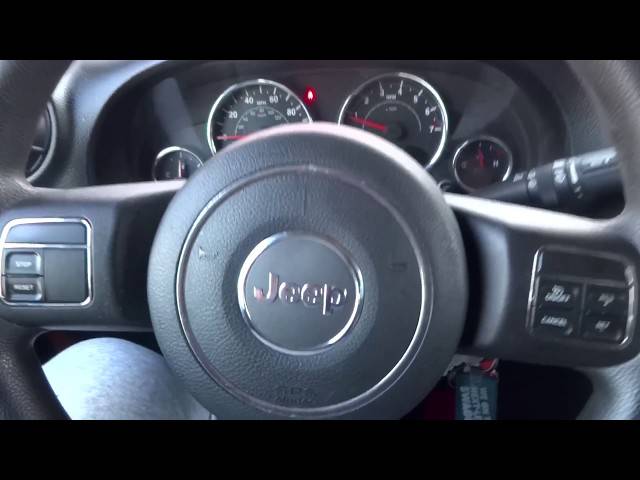
How Does the Jeep Horn System Work?
Before diagnosing why your Jeep horn is not working, it helps to understand how the system operates. Although the horn may seem like a simple component, it depends on several electrical parts working together correctly.
When you press the horn pad on the steering wheel, the horn switch sends an electrical signal through the clock spring. The clock spring is a coiled electrical connector located behind the steering wheel. It allows the steering wheel to turn while maintaining contact with the horn, airbag, cruise control, and other steering wheel controls.
The signal then travels to the horn relay. The relay acts like an electrically controlled switch. It allows a small signal from the horn button to control the higher electrical current required to power the horn assembly. The horn fuse protects the circuit from excessive current. If a short circuit or overload occurs, the fuse blows to prevent damage to the wiring and electrical modules.
Once the relay activates, power flows from the battery through the wiring to the horn unit, which is usually mounted behind the front grille or bumper. The horn converts electrical energy into vibration, producing the sound you hear.
Some newer Jeep models also use the body control module, commonly called the BCM, to manage the horn circuit. Certain vehicles may route the horn command through an integrated power module. This means the problem may involve software, a control module, or internal relay circuitry rather than a traditional removable relay.
A failure anywhere in this chain can cause the horn to stop working. That is why proper troubleshooting should begin with the easiest components, such as the fuse and relay, before moving to the horn unit, clock spring, wiring, or control module.
Symptoms of a Jeep Horn That Is Not Working Properly
A faulty Jeep horn does not always fail completely. The symptoms can vary depending on which component is damaged. Paying attention to how the horn behaves can help narrow down the cause before you begin removing parts.
The most obvious symptom is complete silence when you press the horn button. This often points to a blown fuse, failed relay, bad horn unit, broken clock spring, damaged switch, or loss of electrical power.
A weak or unusually quiet horn may indicate low battery voltage, corrosion at the horn connector, a poor ground connection, or an aging horn assembly. In some cases, only one horn in a dual horn system may be working, causing the sound to become thinner or less powerful than normal.
An intermittent horn is another common warning sign. The horn may work when the steering wheel is turned in a certain direction, then stop working when the wheel returns to center. This behavior strongly suggests a damaged clock spring or loose connection inside the steering column.
You may also notice that the horn works only when the button is pressed in one specific area. This can indicate worn contacts or a damaged horn switch beneath the steering wheel pad.
Additional symptoms may appear if the problem involves the clock spring. The airbag warning light may turn on, the cruise control may stop responding, and steering wheel audio controls may fail. When several steering wheel functions stop working at the same time, the clock spring becomes a likely suspect.
In rare situations, the horn may remain on continuously. This can happen because of a stuck relay, shorted wiring, damaged horn switch, or control module fault. A horn that will not stop sounding can quickly drain the battery and should be addressed immediately.
Common Causes of a Jeep Horn Not Working
Several electrical and mechanical problems can cause a Jeep horn to fail. Some are inexpensive and easy to repair, while others require advanced testing or professional service.
Blown Horn Fuse
A blown fuse is one of the most common and easiest problems to check. The fuse protects the horn circuit from excessive electrical current. If the wiring shorts to ground, the horn draws too much power, or a component develops an internal fault, the fuse may blow.
To inspect it, locate the appropriate fuse box and identify the horn fuse using the diagram in the owner’s manual or on the fuse box cover. Remove the fuse and check whether the thin metal strip inside is broken. A multimeter or fuse tester provides a more reliable result than visual inspection alone.
Replace the damaged fuse only with one that has the same amperage rating. Installing a higher rated fuse can overheat the wiring and create a fire risk. If the new fuse blows again quickly, there is likely a short circuit or defective component that requires further diagnosis.
Faulty Horn Relay
The horn relay allows the low current horn switch circuit to control the higher current needed by the horn assembly. When the relay fails, pressing the horn button may produce no sound even if the fuse and horn unit are still functional.
One simple test is to swap the horn relay with another identical relay from the fuse box, provided both relays have the same part number and terminal layout. If the horn begins working after the swap, the original relay is probably faulty.
Some Jeep models do not use a removable horn relay. Instead, the relay may be built into the power distribution module or integrated power module. In that case, replacing a simple relay may not be possible, and professional electrical testing may be necessary.
Failed Horn Unit
The horn assembly itself can fail because of age, corrosion, water exposure, road debris, or internal electrical damage. Since the horn is often mounted near the front bumper or grille, it is exposed to moisture, dirt, salt, and vibration.
A failed horn can be tested by disconnecting its electrical connector and applying battery power directly to the terminals using fused jumper wires. If the horn remains silent when supplied with proper power and ground, the unit is defective and should be replaced.
Extreme caution is necessary during direct power testing because the horn can produce a very loud sound at close range. Wear hearing protection and keep your face away from the horn opening.
Damaged Clock Spring
The clock spring is a common cause of horn failure when other steering wheel functions are also affected. It maintains electrical contact between the rotating steering wheel and the stationary steering column.
Over time, the internal ribbon cable can wear, tear, or lose continuity. A damaged clock spring may cause the horn to work only at certain steering wheel angles. It may also trigger the airbag warning light or disable cruise control and audio buttons.
Replacing the clock spring involves removing the driver airbag and steering wheel. Because the airbag system can cause serious injury if handled incorrectly, this repair is usually best left to a trained technician.
Faulty Horn Switch
The horn switch sits beneath the horn pad or airbag cover on the steering wheel. Repeated use, contamination, worn contacts, or physical damage can prevent the switch from sending the horn command.
A horn that works only when pressed in a particular spot may indicate a switch problem. Testing the switch often requires access to the steering wheel components, which means the airbag system must be disabled correctly before disassembly.
Damaged Wiring or Poor Ground
Broken wires, loose connectors, corrosion, and poor grounding can interrupt power to the horn. Off road driving, front end repairs, collision damage, water intrusion, and rodent activity can all damage the wiring harness.
Inspect the wiring near the horn assembly for cracked insulation, green corrosion, loose terminals, and damaged connectors. Pay special attention to the ground connection because a weak ground can cause a quiet, intermittent, or completely nonfunctional horn.
Weak Battery or Charging System Problems
A weak battery may not provide enough voltage for the horn to operate normally. The horn may sound weak, distorted, or fail when other electrical accessories are running.
Check the battery terminals for corrosion and make sure they are tight. A fully charged battery should generally measure around 12.6 volts with the engine off. With the engine running, the charging voltage is usually higher because the alternator is supplying power.
If the battery repeatedly loses charge or the charging voltage is abnormal, the horn problem may be part of a broader electrical issue rather than an isolated horn failure.
Step by Step Jeep Horn Troubleshooting Guide
Diagnosing a Jeep horn that is not working does not always require advanced tools or extensive mechanical experience. By following a logical troubleshooting process, you can often identify the faulty component without replacing unnecessary parts. Start with the simplest inspections before moving on to more complex electrical testing.
Step 1: Check the Battery
Begin by inspecting the battery condition. A weak or discharged battery can reduce voltage throughout the electrical system, causing the horn to sound weak or fail completely.
Look for loose or corroded battery terminals and clean them if necessary. If available, use a multimeter to measure battery voltage. A healthy battery should read approximately 12.6 volts with the engine off. If the voltage is significantly lower, recharge or replace the battery before continuing with other tests.
Step 2: Inspect the Horn Fuse
Locate the fuse box using your owner’s manual. Find the fuse labeled “Horn” or “HORN” and remove it carefully.
Inspect the fuse visually for a broken metal strip. For greater accuracy, test it with a multimeter set to continuity mode. Replace any blown fuse with another fuse of the exact same amperage rating.
If the replacement fuse blows immediately after installation, the horn circuit likely has a short that requires further diagnosis.
Step 3: Test the Horn Relay
The horn relay is another common point of failure.
Many Jeep models use standardized relays that can be swapped temporarily with another relay of the same part number, such as the fog lamp or rear defroster relay. If the horn begins working after swapping relays, the original relay is defective.
If your Jeep uses an integrated relay inside the power distribution module, additional electrical testing may be required.
Step 4: Test the Horn Assembly
Disconnect the electrical connector from the horn.
Using fused jumper wires, connect the horn directly to the battery.
If the horn sounds loudly, the horn itself is working properly and the fault lies elsewhere in the electrical circuit.
If the horn remains silent, replace the horn assembly.
Always wear hearing protection when performing this test because the horn can be extremely loud at close range.
Step 5: Inspect the Wiring
Follow the wiring harness from the horn toward the fuse box.
Look for damaged insulation, corrosion, loose connectors, broken wires, or signs of rodent damage. Pay close attention to areas where the harness passes near the radiator support or front bumper, as these locations are exposed to moisture and road debris.
Repair damaged wiring using proper automotive connectors rather than household electrical tape.
Step 6: Check the Horn Switch
If power reaches the horn relay but the relay never activates, the horn switch inside the steering wheel may be faulty.
A worn horn button may only work when pressed at certain angles or locations. Diagnosing the switch often requires removing the steering wheel airbag module, so follow the manufacturer’s safety procedures before attempting this repair.
Step 7: Inspect the Clock Spring
If the horn failure is accompanied by an illuminated airbag warning light, inoperative steering wheel buttons, or cruise control problems, inspect the clock spring.
A damaged clock spring interrupts electrical communication between the steering wheel and the vehicle’s electrical system. Replacement requires removal of the steering wheel and should be performed carefully because of the airbag system.
Step 8: Scan for Diagnostic Trouble Codes
Modern Jeep models monitor many electrical systems electronically.
Using an OBD-II scanner capable of reading body control module codes can reveal faults related to the horn circuit, steering wheel controls, clock spring, or communication modules.
Although not every horn problem generates a fault code, scanning the vehicle may save considerable diagnostic time.
Jeep Horn Fuse Location
One of the first questions Jeep owners ask is where the horn fuse is located. The answer depends on the model and model year, but the fuse is generally found inside either the engine compartment fuse box or the interior fuse panel.
Jeep Wrangler
Most Jeep Wrangler JK and JL models place the horn fuse inside the Power Distribution Center located under the hood. The fuse box cover includes a diagram that identifies the horn fuse and relay locations.
Jeep Grand Cherokee
On most Grand Cherokee models, the horn fuse is located inside the underhood Power Distribution Center. Some model years may also include additional interior fuse panels depending on trim level and equipment.
Jeep Cherokee
The Cherokee typically houses the horn fuse inside the engine compartment fuse box. Always compare the fuse layout with the owner’s manual because fuse assignments may change between production years.
Jeep Compass
The Compass generally uses an underhood fuse box positioned near the battery. Certain model years also include an interior fuse panel that contains additional electrical circuit protection.
Jeep Gladiator
The Gladiator shares much of its electrical architecture with the Wrangler. The horn fuse is commonly located inside the Power Distribution Center beneath the hood.
Because Jeep updates electrical systems regularly, always verify the correct fuse location using the owner’s manual or the fuse diagram printed inside the fuse box cover before removing or replacing any fuse.
Jeep Horn Relay Location
The horn relay controls the high current required by the horn while protecting the steering wheel switch from carrying excessive electrical load.
On many Jeep vehicles, the relay is located inside the Power Distribution Center under the hood alongside other serviceable relays. The relay position is usually identified on the underside of the fuse box cover.
To test the relay, remove it and compare the terminal numbers with another identical relay in the fuse box. Temporarily swapping identical relays is one of the quickest methods for confirming relay failure.
Keep in mind that not every Jeep uses a removable horn relay. Some newer vehicles integrate relay functions into the Body Control Module or Totally Integrated Power Module. In these cases, diagnosing relay related problems often requires professional scan tools and electrical testing procedures.
If the relay clicks when the horn button is pressed but the horn remains silent, the problem may lie in the horn assembly, wiring, or ground connection rather than the relay itself.
Jeep Horn Not Working After Battery Replacement
Many Jeep owners are surprised to discover that the horn stops working immediately after replacing the battery. Although the battery replacement itself rarely damages the horn, several issues can occur during the process that interrupt the horn circuit.
The first thing to check is the battery terminals. Loose or improperly tightened terminals may reduce voltage to multiple electrical systems. Ensure both the positive and negative terminals are fully seated and free from corrosion.
Next, inspect the main ground connections. During battery replacement, a ground cable may become loose or may not be reattached securely. Since the horn relies on a complete electrical circuit, even a slightly loose ground can prevent it from operating.
It is also possible that a fuse was accidentally blown during installation. Electrical surges, accidental short circuits, or connecting the battery incorrectly can damage the horn fuse. Inspect the fuse and replace it if necessary.
Some Jeep models may temporarily lose communication between electronic control modules after battery power is disconnected. In certain cases, the Body Control Module may require a reset or several drive cycles before all electrical functions return to normal.
If your Jeep features an integrated power management system, disconnecting the battery may expose an existing fault that had previously gone unnoticed. Running a diagnostic scan can help identify any stored fault codes affecting the horn circuit.
Finally, verify that no connectors near the battery or fuse box were accidentally disconnected while replacing the battery. Even a partially disconnected connector can interrupt power to the horn relay or control module.
If the horn worked perfectly before the battery replacement and stopped immediately afterward, retracing each installation step is often the fastest way to identify the problem.
Jeep Wrangler Horn Not Working
The Jeep Wrangler is built to handle challenging environments, but its rugged design also exposes many electrical components to mud, water, dust, and vibration. As a result, certain horn problems occur more frequently on Wrangler models than on other Jeep vehicles.
One of the most common causes is a worn clock spring. Many Wrangler owners notice that the horn stops working at the same time the steering wheel controls, cruise control, or airbag warning light begin acting abnormally. Because these systems all rely on the clock spring, simultaneous failures often point directly to this component.
Water intrusion is another frequent issue. Deep water crossings, pressure washing, or years of exposure to rain can allow moisture to enter the horn assembly or electrical connectors. Corrosion may gradually build inside the connectors, increasing electrical resistance until the horn stops functioning altogether.
Off road driving can also damage the wiring harness located behind the front bumper. Rocks, branches, or repeated suspension movement may stretch or cut the wiring leading to the horn. Inspect the harness carefully for abrasions, broken insulation, or loose connectors.
Wrangler owners who install aftermarket bumpers, winches, auxiliary lighting, or recovery equipment should also verify that none of these modifications interfere with the horn wiring. During accessory installation, electrical connectors are sometimes pinched, disconnected, or accidentally damaged.
If your Wrangler horn sounds weak instead of remaining completely silent, inspect both horn units if your model uses a dual horn system. One failed horn can significantly reduce overall sound output even though the remaining horn continues to operate.
For older Wrangler models with high mileage, corrosion inside the horn assembly itself becomes increasingly common. Replacing the horn is generally inexpensive and often restores full operation immediately.
Jeep Grand Cherokee Horn Not Working
The Grand Cherokee uses a more advanced electrical architecture than many earlier Jeep models, making diagnosis slightly more complex when the horn stops working.
One well documented issue on certain model years involves the Totally Integrated Power Module, commonly known as the TIPM. In some vehicles, internal relay failures or circuit board problems inside the TIPM can interrupt power to the horn even when the fuse and horn assembly remain fully functional. Because many relay functions are integrated into the module, replacing a conventional relay is not always possible.
Another common cause is failure of the clock spring assembly. As the internal ribbon cable wears over time, the horn signal may become intermittent or disappear completely. Additional symptoms often include an illuminated airbag warning light, inoperative steering wheel buttons, or cruise control failure.
The Grand Cherokee also relies heavily on the Body Control Module to manage electrical communication throughout the vehicle. Software glitches, communication errors, or damaged wiring between control modules may occasionally affect horn operation. Scanning the vehicle with a professional diagnostic tool capable of accessing body control systems can help identify these faults.
Corroded electrical connectors should not be overlooked, particularly in regions with heavy snow or road salt. Moisture entering the front bumper area can gradually damage the horn connector or ground connection, resulting in poor electrical continuity.
If replacing the fuse, relay, or horn assembly does not restore operation, measure voltage directly at the horn connector while someone presses the horn button. If battery voltage is present but the horn does not sound, the horn assembly is defective. If no voltage reaches the connector, continue tracing the circuit back toward the relay, control module, and steering wheel controls.
Because some Grand Cherokee electrical repairs involve programming or replacement of integrated modules, professional diagnosis may ultimately be the most cost effective solution when basic troubleshooting does not resolve the issue.
DIY vs Professional Repair
Many Jeep horn problems can be repaired at home with basic hand tools and a little patience. Knowing which repairs are suitable for a do it yourself approach can save both time and money. However, some electrical faults require specialized diagnostic equipment and should be handled by an experienced technician.
Repairs Most Owners Can Perform
The following repairs are generally considered beginner friendly.
Replace a blown horn fuse.
Swap a faulty horn relay.
Clean corroded electrical connectors.
Tighten loose battery terminals.
Replace a damaged horn assembly.
Inspect visible wiring for obvious damage.
These tasks typically require only basic tools and can often be completed in less than an hour.
Repairs That Require More Experience
Some repairs involve complex electrical systems or safety components.
Diagnosing damaged wiring hidden inside the wiring harness.
Testing the Body Control Module.
Diagnosing a Totally Integrated Power Module fault.
Replacing the clock spring.
Repairing steering wheel wiring.
Programming replacement control modules.
Because the steering wheel contains the driver’s airbag, extra care must be taken whenever removing steering wheel components. Improper handling of the airbag system can result in serious injury and expensive damage.
If your troubleshooting has confirmed that the fuse, relay, horn assembly, and wiring are functioning correctly, professional diagnosis is recommended before replacing expensive electronic modules.
Estimated Jeep Horn Repair Costs
Repair costs vary depending on your Jeep model, model year, labor rates, and whether original equipment or aftermarket parts are used. The following estimates provide a general idea of what owners can expect.
| Repair | Estimated Cost |
|---|---|
| Horn Fuse | $5 to $20 |
| Horn Relay | $15 to $50 |
| Horn Assembly Replacement | $40 to $150 |
| Wiring Repair | $100 to $300 |
| Clock Spring Replacement | $250 to $600 |
| Body Control Module Diagnosis | $100 to $200 |
| TIPM Replacement | $700 to $1,500 |
| Professional Labor | $80 to $150 per hour |
Although replacing a fuse or relay is inexpensive, repeatedly replacing blown fuses without identifying the underlying cause can lead to more serious electrical damage. Always diagnose the reason a fuse failed before installing another one.
If the repair involves integrated electronic modules or steering wheel components, obtaining an accurate diagnosis first is often less expensive than replacing parts through trial and error.
How to Prevent Future Horn Problems
Preventive maintenance is one of the easiest ways to avoid unexpected horn failures. While no electrical component lasts forever, regular inspections can significantly extend the life of your Jeep’s horn system.
Inspect the horn and electrical connectors whenever you perform routine maintenance or oil changes. Look for loose wiring, cracked insulation, corrosion, or physical damage caused by road debris.
Keep the engine compartment as clean as possible. Dirt, moisture, and road salt accelerate corrosion, especially around connectors and grounding points.
Avoid directing high pressure water directly at the horn assembly or fuse box while washing the vehicle. Excessive water pressure can force moisture into electrical connectors.
If you frequently drive off road, inspect the wiring behind the front bumper after each trip. Rocks, branches, and mud can damage wiring or loosen electrical connectors.
Use only the correct fuse rating recommended by Jeep. Installing oversized fuses increases the risk of wiring damage during an electrical fault.
Protect your vehicle from rodents whenever possible. Mice and other small animals are known to chew automotive wiring, especially during colder months when vehicles are stored.
Address electrical warning lights promptly. A horn problem accompanied by an airbag warning light or steering wheel control failure often indicates a developing clock spring issue that should be repaired before additional systems are affected.
Routine inspections take only a few minutes but can prevent much more expensive repairs later.
Frequently Asked Questions
Why did my Jeep horn suddenly stop working?
The most common causes include a blown fuse, faulty relay, failed horn assembly, damaged wiring, worn clock spring, or a defective horn switch. In newer Jeep models, the issue may also involve the Body Control Module or Totally Integrated Power Module.
Can a bad clock spring cause the horn to stop working?
Yes. A damaged clock spring is one of the most common reasons a Jeep horn stops working, especially when accompanied by an airbag warning light, cruise control failure, or nonfunctional steering wheel buttons.
How do I know if my horn relay is bad?
A faulty relay may prevent the horn from receiving power even though the fuse is intact. Swapping the relay with another identical relay is often the quickest way to determine whether it has failed.
Can I drive with a broken horn?
Although the vehicle may still operate normally, driving without a functioning horn reduces your ability to warn other drivers and pedestrians. In some areas, a nonworking horn may also cause the vehicle to fail a safety inspection.
How much does it cost to fix a Jeep horn?
Simple repairs such as replacing a fuse or relay usually cost less than $50. More complex repairs involving a clock spring, wiring, or electronic control modules can cost several hundred dollars.
Where is the horn fuse located?
The horn fuse is typically located inside the underhood Power Distribution Center, although the exact location depends on the Jeep model and model year. Always consult the owner’s manual or the fuse box diagram before replacing a fuse.
Can a weak battery affect the horn?
Yes. Low battery voltage can reduce horn output or prevent the horn from operating altogether. Checking battery condition should always be one of the first diagnostic steps.
Conclusion
A Jeep horn that suddenly stops working can be frustrating, but in most cases the problem can be traced to a handful of common components. Blown fuses, faulty relays, damaged horn assemblies, worn clock springs, poor wiring connections, and weak batteries account for the majority of horn failures across Jeep models.
The key to a successful repair is following a systematic troubleshooting process. Start with the simplest inspections by checking the battery, fuse, and relay before moving on to the horn assembly, wiring, steering wheel controls, and electronic modules. This approach minimizes unnecessary parts replacement and helps identify the true source of the problem more quickly.
While many horn repairs are straightforward enough for DIY enthusiasts, some issues involving the clock spring, Body Control Module, or Totally Integrated Power Module require specialized diagnostic equipment and professional expertise. Knowing when to seek expert assistance can save both time and money.
If your Jeep horn is not working, use the troubleshooting steps in this guide to identify the fault with confidence. Regular maintenance and periodic inspection of your vehicle’s electrical system can also help prevent future horn problems and keep your Jeep safe and reliable on every journey.
If you’re still experiencing issues after completing these checks, leave a comment with your Jeep model, model year, engine type, and the symptoms you’re experiencing. The more details you provide, the easier it will be to narrow down the cause and recommend the most effective solution.