A flashing Check Engine Light on your Jeep is never something you should ignore. Unlike a solid check engine light, which often indicates a non-urgent issue, a flashing light usually signals a severe engine problem that requires immediate attention. In most cases, it points to an active engine misfire, meaning one or more cylinders are not burning fuel properly. If left unchecked, this condition can quickly overheat and damage the catalytic converter, turning a relatively simple repair into a costly one.
Whether you drive a Jeep Wrangler, Grand Cherokee, Cherokee, Compass, Gladiator, or Renegade, seeing the Jeep Check Engine Light Flashing while driving can be alarming. You may notice the engine shaking, rough idling, sluggish acceleration, or even a noticeable loss of power. Continuing to drive under these conditions not only increases the risk of expensive engine damage but may also compromise your safety on the road.
This comprehensive guide explains everything you need to know about a Jeep Check Engine Light Flashing, including what it means, the most common causes, warning symptoms, diagnostic procedures, repair costs, and proven solutions. You’ll also learn when it’s safe to drive, when you should stop immediately, and how regular maintenance can help prevent this warning light from flashing again. By understanding the root cause and taking prompt action, you can protect your Jeep’s performance, avoid unnecessary repair expenses, and get back on the road with confidence.
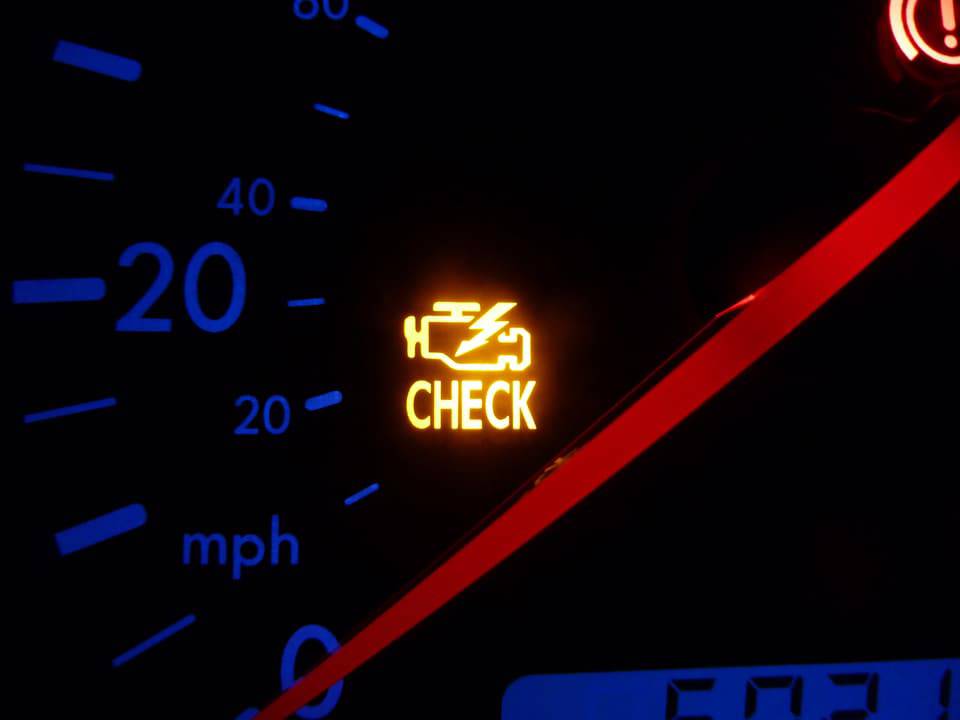
What Does a Flashing Check Engine Light Mean on a Jeep?
When the check engine light stays on continuously, your Jeep has detected a problem that should be diagnosed soon. A flashing check engine light carries a much more urgent message. It usually means the engine control system has detected a severe combustion problem that could damage the catalytic converter.
In many cases, the immediate cause is an active engine misfire. A misfire happens when one or more cylinders fail to burn the air and fuel mixture correctly. Instead of producing smooth and controlled power, the affected cylinder may send unburned fuel into the exhaust system. Once that fuel reaches the catalytic converter, it can ignite and create excessive heat.
The catalytic converter is designed to reduce harmful exhaust emissions, but it cannot safely process a continuous flow of unburned fuel. Excessive temperatures may damage the internal catalyst material, restrict exhaust flow, reduce engine performance, or create an expensive repair problem. The U.S. Environmental Protection Agency explains that a flashing malfunction indicator light can indicate a fault posing an immediate threat to the catalytic converter.
A Jeep owner’s manual also warns that continued flashing while the engine is running requires immediate service and may be accompanied by reduced performance or a rough and elevated idle.
The severity of the problem depends on what caused the misfire and how long it has been occurring. Common sources include worn spark plugs, defective ignition coils, clogged fuel injectors, low fuel pressure, vacuum leaks, damaged wiring, or internal engine problems.
The flashing light may appear continuously or only under certain conditions. For example, it might begin flashing during hard acceleration, while climbing a hill, when towing, or when the engine is under a heavy load. This often happens because a weak ignition or fuel system component can function during light driving but fail when the engine demands more power.
The light may also flash for several seconds and then stop. Although this can feel less serious, it still means the vehicle detected a potentially damaging event. An intermittent misfire may return without warning, so the stored diagnostic trouble codes should be scanned even if the dashboard light becomes solid or disappears.
The key difference is urgency. A solid light usually means you should arrange a diagnosis soon. A flashing light means you should reduce engine load, find a safe place to stop, and determine whether the vehicle needs to be towed.
Is It Safe to Drive with a Flashing Check Engine Light?
Driving with a flashing check engine light is generally not recommended. The safest response is to reduce speed, avoid hard acceleration, and pull over as soon as you can do so safely. Continuing to drive may worsen the original fault and increase the risk of catalytic converter or engine damage.
You should stop the Jeep immediately when the flashing light appears with severe engine shaking, major power loss, stalling, smoke, overheating, a strong fuel smell, or unusual mechanical noises. These symptoms suggest that the misfire or related fault is serious enough to affect vehicle control, engine operation, or component temperatures.
After pulling over, place the vehicle in park, activate the hazard lights, and switch off the engine. Check for obvious signs of trouble, including smoke from the engine compartment, leaking fluids, damaged wiring, or an excessively hot smell. Do not touch hot components or open the cooling system while the engine is hot.
In some situations, the Jeep may continue to run relatively smoothly even though the check engine light is flashing. This does not mean the problem is safe to ignore. The vehicle may still be sending unburned fuel into the exhaust, and catalytic converter damage may occur before the driver notices a major performance change.
If you are only a very short distance from a secure parking area, moving the Jeep carefully may be necessary for personal safety. Keep the engine speed low, avoid sudden throttle input, switch off unnecessary electrical loads, and stop if the engine begins shaking or losing power. This should only be viewed as moving the vehicle out of danger, not as permission to continue a normal journey.
Towing is the better choice when the engine runs roughly, the light continues flashing, acceleration becomes unpredictable, or the vehicle enters reduced power mode. It is also advisable when you are far from a repair facility, driving in heavy traffic, towing a trailer, or traveling in extreme weather.
Some drivers attempt to clear the warning by disconnecting the battery. This does not repair the underlying fault and may erase useful diagnostic information. Restarting the engine repeatedly can also expose the catalytic converter to more unburned fuel if the misfire remains active.
A flashing Jeep Check Engine Light should be treated as an urgent warning rather than a maintenance reminder. Stopping early may mean replacing a spark plug or ignition coil. Continuing to drive could turn the same problem into a damaged catalytic converter, failed oxygen sensor, or more extensive engine repair.
Common Symptoms That Accompany a Flashing Check Engine Light
A flashing check engine light rarely appears without other clues. Paying attention to how the Jeep sounds, feels, and responds can help identify the likely cause and determine how urgently the vehicle needs professional service.
Engine Shaking or Vibration
Engine shaking is one of the most recognizable signs of a severe misfire. You may feel vibration through the steering wheel, seat, or floor, especially while the Jeep is idling. The shaking may become stronger when accelerating because the engine is under greater load.
Rough or Unstable Idle
A healthy engine should maintain a relatively smooth and consistent idle. When a cylinder is not firing correctly, the engine speed may rise and fall, the body may vibrate, or the engine may sound uneven. Some Jeep guidance notes that a flashing warning may occur with rough or elevated idle and reduced performance.
Loss of Power
A misfiring cylinder cannot contribute its normal share of power. The Jeep may feel slow when leaving a stop, merging into traffic, climbing a hill, or passing another vehicle. In severe cases, pressing the accelerator may produce noise and vibration without a matching increase in speed.
Hesitation During Acceleration
A weak ignition coil, worn spark plug, or fuel delivery problem may cause hesitation when the driver requests more power. The Jeep might stumble, surge, or briefly stop accelerating. The check engine light may flash only during these moments and become solid again when the throttle is released.
Poor Fuel Economy
Incomplete combustion wastes fuel. If the problem develops gradually, you may notice that the Jeep travels fewer miles on a tank before the flashing light appears. Poor fuel economy can also result from oxygen sensor problems, leaking injectors, incorrect fuel mixture, or repeated short trips with a malfunctioning engine.
Strong Fuel or Exhaust Smell
A strong gasoline smell can indicate that fuel is not being burned properly or that an injector is leaking. An unusually hot, sharp, or sulfur like exhaust odor may point to an overheating catalytic converter. Smoke or a powerful fuel smell should be treated as a reason to stop the engine immediately.
Hard Starting
Worn spark plugs, low fuel pressure, injector faults, or electrical problems can make the engine difficult to start. The engine may crank longer than usual, start and stall, or require several attempts. Once running, it may idle roughly and trigger a flashing warning.
Stalling
A severe misfire can cause the engine to stall at traffic lights, during low speed turns, or immediately after starting. Stalling creates a safety concern because power steering assistance, acceleration, and other vehicle functions may be affected.
Popping or Unusual Exhaust Sounds
Unburned fuel can create popping sounds in the exhaust. You may also hear sputtering, irregular pulses, or a louder exhaust note. Metallic knocking or heavy mechanical sounds may indicate a more serious internal engine problem and should not be ignored.
Reduced Power Mode
The engine control module may limit performance to protect the powertrain. The Jeep may refuse to accelerate normally, restrict engine speed, or display additional warning messages. This protective response is often called reduced power mode or limp mode.
The combination of symptoms matters. A flashing light with mild hesitation still requires prompt diagnosis, but a flashing light with violent shaking, smoke, overheating, stalling, or strong fuel odors calls for an immediate shutdown and towing. Recognizing these warning signs early can prevent a manageable ignition or fuel system fault from becoming a much more expensive repair.
Top Causes of a Jeep Check Engine Light Flashing
A flashing check engine light is almost always the result of a problem affecting the engine’s combustion process. While the warning itself does not identify the exact fault, it indicates that the Engine Control Module has detected a condition serious enough to require immediate attention. Below are the most common causes of a flashing check engine light in Jeep vehicles.
Faulty Spark Plugs
Spark plugs are responsible for igniting the air and fuel mixture inside each cylinder. Over time, the electrodes wear out, carbon deposits accumulate, and the spark becomes weaker. When this happens, one or more cylinders may misfire, causing the check engine light to flash.
Common symptoms include rough idling, sluggish acceleration, increased fuel consumption, engine vibration, and difficulty starting the vehicle. In many cases, worn spark plugs are the simplest and least expensive cause of a flashing warning light.
Most Jeep models require spark plug replacement every 30,000 to 100,000 miles, depending on the engine type and the spark plug material. Following the manufacturer’s maintenance schedule can significantly reduce the risk of engine misfires.
Bad Ignition Coil
Each ignition coil converts the battery’s low voltage into the high voltage needed to fire a spark plug. If an ignition coil begins to fail, the affected cylinder will receive little or no spark, resulting in an immediate misfire.
A faulty ignition coil often causes the engine to shake under acceleration, hesitate during highway driving, or lose power while climbing hills. Diagnostic trouble codes such as P0351 through P0358 commonly indicate ignition coil circuit problems, while cylinder-specific misfire codes help identify which coil may have failed.
Fortunately, ignition coils are relatively easy to replace on most Jeep models. Replacing a defective coil promptly can prevent additional damage to the catalytic converter.
Engine Misfire
An engine misfire is the most common reason a Jeep check engine light begins flashing. Instead of producing smooth combustion, one or more cylinders fail to generate power efficiently. The Engine Control Module immediately detects the irregular crankshaft speed and stores a diagnostic trouble code.
Misfires may be classified as random or cylinder specific. A random misfire usually triggers code P0300, while codes P0301 through P0308 identify the individual cylinder experiencing the problem.
Although ignition components are frequent causes, engine misfires can also result from low compression, vacuum leaks, damaged valves, timing problems, contaminated fuel, or malfunctioning sensors. Because multiple systems can contribute to a misfire, a complete diagnosis is essential before replacing parts.
Fuel Injector Problems
Fuel injectors deliver a precise amount of fuel into each cylinder. If an injector becomes clogged, leaks, or fails electrically, the air and fuel mixture will no longer be balanced correctly.
A clogged injector often causes a lean condition that results in hesitation, poor acceleration, rough idle, and intermittent misfires. A leaking injector may flood the cylinder with excessive fuel, increasing emissions and potentially damaging the catalytic converter.
Professional fuel pressure testing, injector balance testing, and electronic diagnostics are often necessary to confirm whether an injector is functioning properly.
Vacuum Leak
Modern Jeep engines rely on carefully controlled airflow to maintain the proper air and fuel ratio. A cracked vacuum hose, damaged intake gasket, or leaking intake manifold can allow unmetered air to enter the engine.
This extra air creates a lean mixture that burns less efficiently, increasing the likelihood of misfires. Drivers may notice high idle speed, engine hesitation, whistling noises, or poor fuel economy along with the flashing check engine light.
Vacuum leaks can often be identified using a smoke machine or by monitoring fuel trim data with a professional scan tool.
Low Fuel Pressure
The fuel pump and fuel filter work together to deliver a consistent fuel supply to the engine. If fuel pressure drops below specification, the engine may not receive enough fuel during acceleration or under heavy load.
Low fuel pressure often causes hesitation, reduced power, difficulty starting, and random engine misfires. In some cases, the flashing warning light only appears while driving uphill or towing because the engine requires more fuel under these conditions.
A fuel pressure gauge is typically used to verify whether the pump, pressure regulator, or fuel filter is causing the problem.
Failing Oxygen Sensor
Oxygen sensors continuously monitor the oxygen content in the exhaust gases and help the Engine Control Module adjust the air and fuel mixture. When a sensor becomes contaminated or fails, the engine may run too rich or too lean.
Although a faulty oxygen sensor does not always create a direct misfire, incorrect fuel mixture adjustments can contribute to poor combustion, reduced fuel economy, increased emissions, and eventually a flashing check engine light.
Replacing a worn oxygen sensor early can restore engine efficiency and prevent additional exhaust system damage.
Catalytic Converter Problems
A damaged catalytic converter is sometimes the result of prolonged engine misfires, but it can also become a contributing factor to poor engine performance. As the converter begins to clog, exhaust flow becomes restricted, increasing back pressure inside the engine.
Drivers may notice sluggish acceleration, excessive heat underneath the vehicle, sulfur-like odors, poor fuel economy, and reduced engine power. In severe cases, the converter can overheat to dangerous temperatures and require complete replacement.
Because catalytic converters are among the most expensive emission components, addressing engine misfires early can save thousands of dollars in repair costs.
PCM or ECU Malfunctions
Although uncommon, software glitches or hardware failures within the Powertrain Control Module can cause incorrect ignition timing, improper fuel delivery, or inaccurate sensor interpretation. These issues may trigger repeated misfire codes even after other components have been replaced.
A PCM problem is generally considered only after ignition, fuel, compression, and sensor systems have been thoroughly tested. In some cases, a software update issued by the manufacturer can resolve the problem without replacing the control module.
How to Diagnose a Flashing Check Engine Light
Diagnosing a flashing check engine light requires a systematic approach. Replacing parts without identifying the root cause often leads to unnecessary expenses and recurring problems. Following these steps can help determine why the warning light is flashing.
Step 1: Read the OBD II Trouble Codes
Begin by connecting an OBD II scanner to the diagnostic port beneath the dashboard. Record all stored and pending trouble codes before clearing anything. Codes such as P0300, P0301, or P0352 provide valuable clues about which cylinder or system requires further inspection.
Step 2: Inspect the Spark Plugs
Remove each spark plug and examine its condition. Look for excessive wear, oil contamination, cracked porcelain, carbon buildup, or improper electrode gaps. Even a single damaged spark plug can cause a persistent misfire.
Step 3: Check the Ignition Coils
Inspect each ignition coil for cracks, corrosion, moisture intrusion, or damaged electrical connectors. If the misfire follows the coil when it is swapped with another cylinder, the ignition coil is likely defective.
Step 4: Test the Fuel System
Verify fuel pressure using an appropriate gauge. If pressure is below specification, inspect the fuel pump, fuel filter, and pressure regulator. Fuel injectors should also be tested for proper electrical operation and spray pattern.
Step 5: Inspect for Vacuum Leaks
Carefully examine all vacuum hoses, intake ducts, and manifold gaskets for cracks or loose connections. Professional technicians often use a smoke machine to locate even the smallest intake leaks that may not be visible during a basic inspection.
Step 6: Evaluate Live Sensor Data
Modern scan tools display real time information from oxygen sensors, fuel trims, engine coolant temperature sensors, and airflow sensors. Abnormal readings may reveal problems that are not obvious during a visual inspection.
Step 7: Perform a Professional Diagnosis
If the flashing check engine light remains after completing the previous steps, additional testing may be required. Compression testing, leak down testing, oscilloscope analysis, injector balance testing, or advanced manufacturer specific diagnostics can identify internal engine faults or intermittent electrical problems that basic tools cannot detect.
A thorough diagnosis not only saves time and money but also prevents replacing perfectly good components while the actual cause remains unresolved.
Common OBD II Codes Related to Jeep Engine Misfires
An OBD II scanner is one of the most valuable tools for diagnosing a flashing check engine light. Although a trouble code does not automatically identify the failed component, it provides an excellent starting point for troubleshooting.
| OBD II Code | Meaning | Possible Cause |
|---|---|---|
| P0300 | Random or Multiple Cylinder Misfire | Ignition, fuel delivery, vacuum leak, compression problem |
| P0301 | Cylinder 1 Misfire | Spark plug, ignition coil, injector, compression |
| P0302 | Cylinder 2 Misfire | Ignition failure, injector fault, valve issue |
| P0303 | Cylinder 3 Misfire | Worn spark plug, damaged ignition coil |
| P0304 | Cylinder 4 Misfire | Fuel injector, compression loss, ignition system |
| P0351 to P0358 | Ignition Coil Circuit Malfunction | Defective ignition coil, damaged wiring, poor electrical connection |
| P0171 | System Too Lean | Vacuum leak, weak fuel pump, clogged injector |
| P0420 | Catalyst System Efficiency Below Threshold | Damaged catalytic converter, prolonged engine misfire |
When multiple codes appear together, always diagnose the misfire codes first. In many situations, secondary codes such as oxygen sensor or catalytic converter faults disappear once the underlying combustion problem has been repaired.
It is also important to remember that clearing trouble codes without fixing the actual problem will not solve the issue. If the engine continues to misfire, the Engine Control Module will detect the fault again, and the flashing check engine light will quickly return.
How Much Does It Cost to Fix a Flashing Check Engine Light?
The cost of repairing a flashing check engine light depends entirely on the underlying problem. Some issues, such as worn spark plugs, are relatively inexpensive to fix, while others, including a damaged catalytic converter or internal engine failure, can cost thousands of dollars. The sooner the problem is diagnosed, the better the chance of avoiding more extensive and expensive repairs.
The first expense is usually a diagnostic inspection. Many repair shops charge between $50 and $200 for a professional diagnostic scan, although some auto parts stores offer free code scanning. Keep in mind that reading trouble codes is only the first step. A complete diagnosis may involve fuel pressure testing, compression testing, smoke testing for vacuum leaks, or advanced electrical inspections.
Below are the average repair costs for the most common causes of a flashing check engine light on a Jeep.
| Repair | Estimated Cost (Parts and Labor) |
|---|---|
| Diagnostic Scan | $50 to $200 |
| Spark Plug Replacement | $100 to $350 |
| Ignition Coil Replacement | $150 to $450 |
| Fuel Injector Replacement | $250 to $900 |
| Oxygen Sensor Replacement | $200 to $500 |
| Fuel Pump Replacement | $400 to $1,200 |
| Vacuum Leak Repair | $150 to $800 |
| Catalytic Converter Replacement | $1,000 to $3,000 |
| PCM Software Update | $100 to $300 |
| PCM Replacement | $800 to $2,000 |
These figures are estimates and may vary depending on the Jeep model, engine type, geographic location, labor rates, and whether original equipment or aftermarket parts are used.
For example, replacing a single ignition coil on a Jeep Wrangler may cost only a few hundred dollars if the problem is diagnosed early. However, if the vehicle continues to be driven with an active misfire, excessive heat can destroy the catalytic converter, increasing the repair bill to several thousand dollars.
Labor costs also vary significantly. A simple spark plug replacement on a four cylinder engine usually requires much less labor than replacing plugs on certain V6 engines where intake components must be removed to access the rear cylinders.
Although it may be tempting to continue driving until the problem becomes more noticeable, delaying repairs almost always increases the total cost. Addressing a flashing check engine light as soon as it appears is usually the most cost effective decision.
How to Prevent the Check Engine Light from Flashing Again
While not every engine problem can be prevented, routine maintenance greatly reduces the likelihood of seeing a flashing check engine light. Most engine misfires develop gradually, giving owners plenty of opportunities to correct small issues before they become major repairs.
Replace spark plugs according to Jeep’s recommended maintenance schedule. Worn spark plugs are one of the leading causes of engine misfires and place additional stress on ignition coils. Installing new plugs at the proper interval helps maintain efficient combustion and smooth engine performance.
Inspect ignition coils whenever spark plugs are replaced. Even if a coil has not completely failed, cracks in the housing or signs of overheating may indicate that replacement will soon be necessary. Catching these problems early can prevent unexpected breakdowns.
Use high quality fuel from reputable service stations. Poor quality fuel or fuel contaminated with water and debris can affect combustion efficiency, clog fuel injectors, and contribute to engine misfires. If your Jeep manufacturer recommends a specific octane rating, always follow that recommendation.
Replace the engine air filter at the intervals specified in the owner’s manual. A clogged air filter restricts airflow, affecting the air and fuel mixture and reducing engine efficiency. Clean airflow is essential for proper combustion.
Pay attention to small performance changes. Slight hesitation, rough idling, decreased fuel economy, or occasional engine vibration often appear long before the check engine light begins flashing. Scheduling an inspection when these symptoms first appear may prevent much larger repair bills later.
Scan the vehicle periodically with an OBD II scanner, even if no warning lights are illuminated. Some pending trouble codes can be detected before they become active enough to trigger a dashboard warning. Early detection allows problems to be corrected before they damage expensive components.
Inspect vacuum hoses, electrical connectors, and engine wiring during routine maintenance. Rubber hoses become brittle with age, while wiring may be damaged by heat, vibration, or rodents. Small vacuum leaks and loose electrical connections are common causes of intermittent engine problems.
Follow the manufacturer’s recommended maintenance schedule for oil changes, coolant replacement, transmission service, and fuel system maintenance. A well maintained engine operates more efficiently, experiences fewer misfires, and is less likely to develop severe combustion problems.
Most importantly, never ignore a flashing check engine light. Immediate diagnosis and repair remain the best way to protect your engine, maintain fuel efficiency, and avoid costly damage to the catalytic converter.
Frequently Asked Questions
Is a flashing check engine light more serious than a solid check engine light?
Yes. A flashing check engine light usually indicates an active engine misfire that requires immediate attention. A solid light generally signals a fault that should be diagnosed soon, but a flashing light warns that continued driving could quickly damage the catalytic converter or other engine components.
Can I continue driving if my Jeep check engine light is flashing?
It is not recommended. If the engine is running roughly, shaking, losing power, overheating, or producing unusual noises, you should stop driving as soon as it is safe and arrange for the vehicle to be towed. Driving with an active misfire can significantly increase repair costs.
What is the most common cause of a flashing check engine light on a Jeep?
Engine misfires caused by worn spark plugs or failing ignition coils are among the most common causes. However, fuel injector problems, vacuum leaks, low fuel pressure, faulty oxygen sensors, and internal engine issues can also trigger the warning.
Can bad gasoline cause the check engine light to flash?
Yes. Poor quality or contaminated fuel may cause incomplete combustion, resulting in engine misfires and temporary flashing of the check engine light. If poor fuel is suspected, draining the tank and refilling with fresh fuel may resolve the problem after any stored diagnostic codes are cleared.
Will disconnecting the battery turn off the flashing check engine light?
Disconnecting the battery may temporarily erase stored diagnostic codes, but it does not repair the underlying fault. If the engine continues to misfire, the warning light will return after the Engine Control Module detects the problem again.
Can low engine oil cause a flashing check engine light?
Low engine oil does not usually trigger a flashing check engine light directly. However, insufficient lubrication can lead to valve timing problems, excessive engine wear, or mechanical damage that eventually results in engine misfires.
How do I know which cylinder is misfiring?
The easiest method is to scan the vehicle with an OBD II diagnostic tool. Trouble codes P0301 through P0308 identify the specific cylinder experiencing a misfire, while code P0300 indicates random or multiple cylinder misfires.
Is it safe to replace spark plugs myself?
If you have basic mechanical experience and the spark plugs are easily accessible, replacing them yourself may be possible. However, proper torque specifications, correct spark plug gaps, and careful handling are essential. Incorrect installation can create additional engine problems.
How long does it take to repair a flashing check engine light?
Simple repairs such as replacing spark plugs or ignition coils can often be completed within one to two hours. More complex repairs involving fuel injectors, fuel pumps, catalytic converters, or internal engine components may require several hours or even multiple days, depending on the diagnosis.
How can I prevent this problem from happening again?
Routine maintenance is the most effective prevention strategy. Replace spark plugs and air filters at recommended intervals, use quality fuel, repair small engine problems promptly, inspect ignition components regularly, and scan the vehicle periodically for pending diagnostic trouble codes. Preventive maintenance is almost always less expensive than repairing damage caused by an ignored engine misfire.
Conclusion
A Jeep Check Engine Light Flashing should never be ignored. Unlike a solid warning light, a flashing indicator almost always signals an active engine misfire that demands immediate attention. Continuing to drive without diagnosing the problem can lead to severe engine damage, an overheated catalytic converter, reduced fuel efficiency, and repair bills that are far more expensive than addressing the issue early.
Fortunately, many of the most common causes are relatively straightforward to diagnose and repair. Worn spark plugs, failing ignition coils, clogged fuel injectors, vacuum leaks, and low fuel pressure are among the most frequent reasons the check engine light begins flashing. Using an OBD II scanner to retrieve diagnostic trouble codes is the first step toward identifying the root cause and preventing unnecessary parts replacement.
Regular vehicle maintenance is the best defense against unexpected engine problems. Replacing spark plugs at the recommended intervals, using high quality fuel, inspecting ignition components, and responding quickly to early signs of rough idling or engine hesitation can significantly reduce the risk of future misfires. Preventive maintenance not only improves reliability but also extends the life of critical engine and emissions components.
If your Jeep Check Engine Light Flashing appears while driving, reduce engine load, avoid hard acceleration, and stop the vehicle as soon as it is safe to do so. Prompt diagnosis and repair can save you hundreds or even thousands of dollars while ensuring your Jeep continues to deliver the performance, reliability, and capability you expect on every journey.
If you found this guide helpful, consider sharing it with other Jeep owners who may experience the same issue. Have you dealt with a flashing check engine light before? Share your experience, diagnostic tips, or repair solution in the comments to help others troubleshoot their vehicles more effectively.