When you buy a modern Volvo, you do not just get a car. You also enter a connected digital system. Volvo On Call sits at the center of this system. It connects your car to your phone and gives you remote control over key functions. Many drivers now ask one question. Is Volvo On Call worth it or is it just an extra subscription cost
Car technology has changed quickly in recent years. Drivers no longer rely only on physical keys or manual checks. They now use mobile apps to control and monitor their vehicles. Volvo On Call supports this shift. It allows users to start the engine remotely, check vehicle status, and locate the car in real time. These features aim to improve safety and convenience for daily driving
However, not every driver uses these features in the same way. Some people rely on remote functions every day. They use them in cold weather or busy city parking situations. Other drivers rarely open the app after the first few weeks. This difference changes how people see the value of the service
Cost also plays an important role in this decision. Volvo On Call often requires a subscription after the trial period. Some users feel the price is reasonable for the features they get. Others feel the system does not provide enough daily value to justify the ongoing cost
This article explains how Volvo On Call works. It also breaks down its features, pricing, and real world usefulness. By the end, you will clearly understand whether Volvo On Call is worth paying for or not
WHAT IS VOLVO ON CALL?
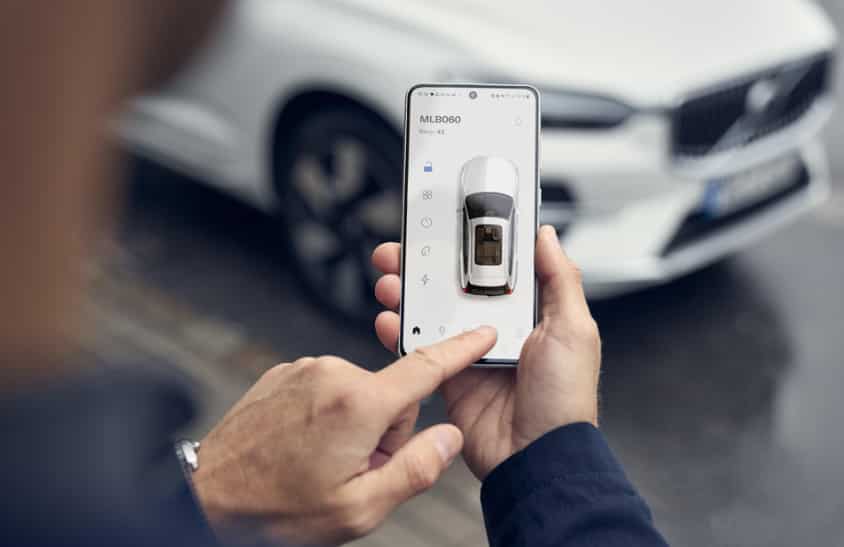
Volvo On Call is a connected car service created by Volvo Cars. It links your vehicle to a mobile application. This system gives you remote access to your car through your smartphone. It works as part of the wider Volvo digital ecosystem.
The system uses built in telematics inside the vehicle. This technology sends and receives data between your car and the Volvo app. You can check important vehicle information in real time. You can also send commands to your car from a distance. This creates a more flexible and connected driving experience.
Volvo On Call focuses on convenience, safety, and control. Drivers can lock or unlock the doors remotely. They can also start the engine and adjust climate settings before entering the car. This helps improve comfort in extreme weather conditions. The system also allows users to track the vehicle location when needed.
Safety plays a major role in this service. Volvo designed the system to support emergency situations. If an accident happens, the system can send alerts. It can also connect drivers to emergency assistance services. This feature reflects Volvo’s long standing focus on safety technology.
The system connects directly with Volvo Cars infrastructure. It works across supported Volvo models with an active subscription. Users manage everything through the Volvo On Call app on iOS or Android devices.
In simple terms, Volvo On Call turns your car into a connected device. It extends control beyond the physical vehicle. It gives drivers more visibility and more control over daily car usage.
VOLVO ON CALL FEATURES EXPLAINED
Volvo On Call provides a set of connected car features that allow drivers to control and monitor their vehicle remotely through a mobile app. The system focuses on three main areas including convenience, safety, and real time vehicle access. It transforms how drivers interact with their Volvo by extending control beyond the physical car.
One of the most used functions is remote control. Drivers can lock and unlock their car using a smartphone. They can also start the engine remotely in supported models. This feature helps users prepare the vehicle before they enter it. Volvo On Call also supports remote climate control, which allows drivers to heat or cool the cabin in advance. This improves comfort in both hot and cold weather conditions.
The system also provides vehicle status monitoring. Users can check fuel level or battery status depending on the model. They can also view mileage and basic diagnostics through the app. This gives drivers better awareness of their vehicle without needing to access the dashboard directly.
Another important feature is location tracking. Volvo On Call allows users to locate their car in real time. This helps in large parking areas or unfamiliar locations. In some cases, the system can also assist with stolen vehicle tracking to improve recovery chances.
Safety features play a key role in the system. Volvo On Call can detect accidents in supported vehicles and send alerts to emergency services. It also allows drivers to contact roadside assistance quickly through the app. These features increase driver confidence and improve response time during emergencies.
Overall, Volvo On Call combines remote control, monitoring, tracking, and safety features into one connected system that enhances everyday driving experience.
VOLVO ON CALL SUBSCRIPTION COST AND VALUE ANALYSIS
Volvo On Call operates as a subscription based service in many markets. Most Volvo vehicles include a free trial period when you first purchase the car. After this period ends, you need to pay a recurring fee to continue using the service. The exact cost depends on your region, vehicle model, and service package.
In general, Volvo does not position On Call as a one time purchase feature. Instead, it follows a connected services model similar to other premium car brands. This means you pay for continued access to digital features, remote control functions, and safety services over time.
For many drivers, the subscription cost becomes the main decision factor. Some users feel the price is reasonable because the system adds convenience and peace of mind. They value the ability to control the car remotely and access safety features when needed. This group often includes families, urban drivers, and people living in extreme weather conditions.
Other users see less value in paying an ongoing fee. They rarely use remote features after the initial excitement. They prefer to rely on traditional key functions and manual vehicle checks. For this group, the subscription feels unnecessary and easy to cancel.
The real value of Volvo On Call depends on usage frequency. If you actively use remote start, climate control, and tracking features, the system can improve daily convenience. If you only use your car for basic driving, the added cost may not justify the benefits.
In conclusion, Volvo On Call sits in a grey area between essential and optional. It offers clear benefits in convenience and safety, but its value strongly depends on individual driving habits and expectations.
REAL BENEFITS OF VOLVO ON CALL
Volvo On Call delivers its strongest value when drivers use it in real daily situations rather than viewing it as a simple car feature list. The system improves convenience, safety, and control in ways that become more visible through actual usage over time.
One of the biggest benefits is daily convenience. Drivers can prepare their car before they even step outside. They can start the engine remotely and adjust the cabin temperature in advance. This becomes especially useful during cold winters or hot summer days. It removes discomfort at the start of every trip and creates a more comfortable driving experience.
Safety is another major advantage. Volvo designed the system with emergency response in mind. In case of an accident, the system can automatically alert emergency services in supported regions. Drivers can also contact roadside assistance quickly through the app. This reduces waiting time and helps users feel more secure when driving alone or with family.
Volvo On Call also improves control and awareness of the vehicle. Drivers can check important information such as fuel level, battery status, and mileage at any time. They can also locate their vehicle when parked in large areas or unfamiliar places. This reduces stress in situations where a car is hard to find or when the driver needs quick confirmation of vehicle status.
The real value of the system becomes clear when it is used regularly. Drivers who rely on remote features tend to appreciate the time saving and comfort it provides. Families and urban drivers often find it more useful because their driving environment creates more frequent use cases.
Overall, Volvo On Call adds meaningful value when it becomes part of everyday driving habits rather than an occasional tool.
DOWNSIDES AND LIMITATIONS OF VOLVO ON CALL
While Volvo On Call offers many useful features, it also has clear limitations that affect how users perceive its overall value. These drawbacks are important when deciding whether the service is truly worth the subscription cost.
One of the main concerns is the ongoing subscription fee. After the free trial period ends, users must continue paying to access the full set of features. Some drivers feel this creates unnecessary long term cost, especially when they do not use the system frequently. For these users, the price does not match their actual usage.
Another limitation is dependence on connectivity. Volvo On Call relies on mobile network coverage and data connection to function properly. In areas with weak signal or unstable internet, some features may not work reliably. This can reduce the effectiveness of remote control and tracking functions.
The system also has variation across different markets and vehicle models. Not all features are available in every country or every Volvo car. This creates inconsistency in user experience. Some drivers may expect full functionality but only receive a limited version depending on their region or vehicle configuration.
In addition, some users report that they stop using the app after the initial period of interest. While the features are useful, they are not always needed in daily driving. This leads to lower perceived value over time for certain drivers.
Overall, Volvo On Call is not a perfect system for every user. It provides strong benefits in convenience and safety, but it also depends heavily on user behavior, location, and willingness to pay for continuous access.
VOLVO ON CALL VS OTHER CAR APPS
Volvo On Call is not the only connected car system on the market. Other major automotive brands also offer similar digital platforms, including BMW ConnectedDrive, Mercedes me connect, and the Tesla mobile app. Comparing these systems helps clarify where Volvo On Call stands in terms of features, usability, and overall value.
BMW ConnectedDrive focuses heavily on digital integration and in car services. It offers strong navigation tools, remote services, and deep integration with BMW vehicles. Many users appreciate its smooth interface and wide feature set, although some functions depend on subscription tiers similar to Volvo.
Mercedes me connect emphasizes luxury experience and vehicle management. It provides remote access, vehicle monitoring, and smart home integration in some markets. The system is designed to match the premium positioning of Mercedes vehicles, but it can feel complex for new users due to its large feature ecosystem.
The Tesla app takes a different approach. It is highly integrated with Tesla vehicles and offers fast, responsive control. Users can manage almost every aspect of the car through the app, including charging, climate control, and software updates. Many drivers consider it one of the most advanced systems in the connected car space.
Volvo On Call sits in a balanced position between these systems. It focuses strongly on safety, simplicity, and essential remote functions. It does not aim to be the most feature heavy platform, but it prioritizes practical usage and reliability. This makes it appealing to drivers who value safety and ease of use over complex digital features.
Overall, while competitors may offer more advanced or broader ecosystems, Volvo On Call maintains its strength in straightforward usability and safety oriented design.
WHO SHOULD USE VOLVO ON CALL
Volvo On Call is not a universal must have feature for every driver. Its value depends heavily on driving habits, lifestyle, and how often you use connected car functions in daily life. Understanding who benefits most from the system helps you decide whether it is worth keeping after the trial period.
Volvo On Call is highly useful for drivers who value convenience and control. If you often want to pre condition your car before driving, the system becomes very practical. Remote engine start and climate control save time and improve comfort, especially in extreme weather conditions. Urban drivers also benefit from location tracking features when parking in crowded areas or large facilities.
Families tend to gain strong value from Volvo On Call. The safety features, including emergency alerts and roadside assistance access, add an extra layer of confidence. Parents who prioritize vehicle safety and monitoring often see this system as a helpful tool rather than an optional add on.
The system is also useful for drivers who appreciate real time information about their vehicle. Checking fuel level, battery status, and general car condition from a phone creates better awareness and reduces uncertainty during trips.
However, Volvo On Call is less valuable for drivers who use their car in a simple and routine way. If you rarely use remote functions or prefer traditional driving without digital interaction, the subscription may feel unnecessary. In this case, the system becomes more of a convenience feature than a required tool.
In summary, Volvo On Call fits best for users who actively use smart features and value connected car convenience. It is less suitable for drivers who prioritize simplicity and do not rely on digital vehicle control.
CONCLUSION
Volvo On Call shows how modern cars are evolving into connected digital platforms. It brings together remote control, real time monitoring, and safety features in one system. These functions change how drivers interact with their vehicles on a daily basis.
The real value of Volvo On Call depends on how you use it. If you take advantage of features like remote start, climate control, and vehicle tracking, the system can make driving more convenient and comfortable. It also adds extra safety through emergency support and roadside assistance.
For families and drivers who value peace of mind, the system can feel very useful. It improves confidence in everyday driving and helps you stay connected to your car at all times. For these users, the subscription often feels justified.
At the same time, not every driver needs this level of connectivity. If you prefer a simple driving experience without digital tools, the service may feel less important. In that case, paying for a subscription may not bring enough daily benefit.
In the end, Volvo On Call is worth it for drivers who actively use connected features and want more control over their vehicle. It is less suitable for those who only need basic driving functions. The decision depends entirely on your lifestyle and how much value you place on convenience and smart car technology.