Auto Butler can be worth it for car owners who want professional vehicle protection and scheduled maintenance. However, the package does not offer the same value to every driver. The final value depends on its price, coverage, service requirements, and your vehicle care goals.
Auto Butler uses scheduled treatments to help maintain a vehicle’s exterior and, depending on the package, its interior. Participating dealers or service providers perform these treatments at specific intervals. This approach suits drivers who prefer professional care instead of handling every detailing task themselves. However, owners must return for scheduled services to maintain the program and its intended benefits.
The protection also has practical limits. Auto Butler focuses on maintaining treated surfaces rather than preventing every type of vehicle damage. Drivers should not assume that it will stop rock chips, dents, or deep scratches. These expectations matter when comparing the package with ceramic coatings, paint sealants, or other protection options.
To decide whether Auto Butler is worth it, consider four main factors: cost, protection, maintenance, and ownership goals. This guide examines each factor and compares Auto Butler with common alternatives. The goal is to determine when the program offers good value and when another option makes more sense.
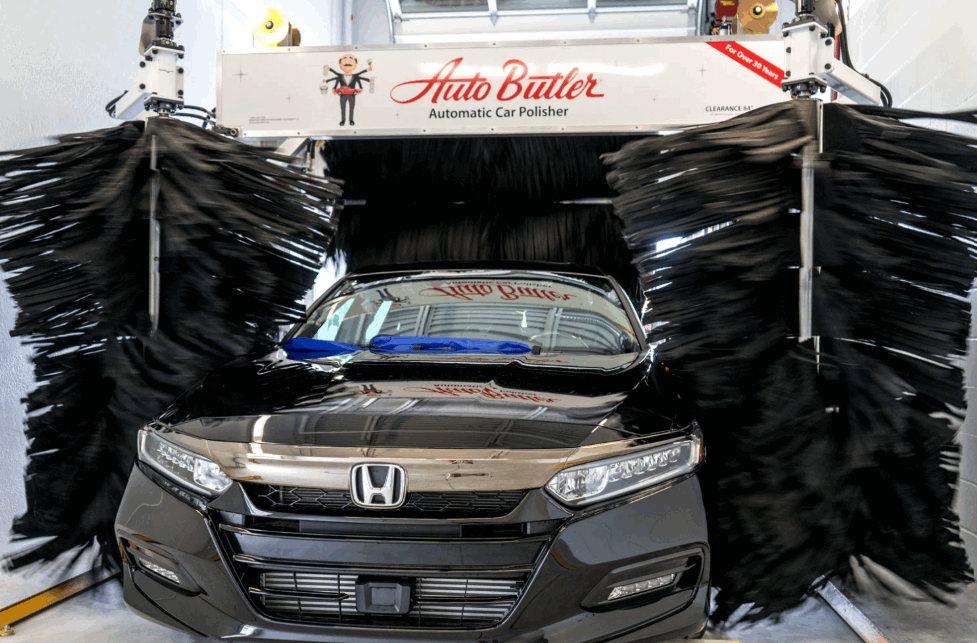
What Is Auto Butler and How Does It Work?
Auto Butler is a vehicle protection program that uses scheduled treatments to help maintain a car’s exterior and interior surfaces. Car dealerships commonly offer the program as an additional protection package. Instead of relying on one treatment, the program requires owners to return for service at scheduled intervals.
The exterior treatment focuses on preserving the appearance of the vehicle’s paint. It adds a protective treatment to the painted surface and helps reduce the effects of everyday environmental exposure. Dirt, road grime, sunlight, tree sap, and other contaminants can affect a vehicle’s finish over time. Regular treatment helps owners maintain the surface while keeping the paint easier to care for.
Some Auto Butler packages also include interior protection. The exact coverage depends on the agreement purchased with the vehicle. Interior treatments may focus on materials such as fabric, carpet, leather, or vinyl. Owners should check their contract before assuming that every surface receives the same coverage.
The scheduled service model separates Auto Butler from a basic one time detail. A standard detail mainly cleans and restores the vehicle’s appearance at that moment. Auto Butler follows a continuing maintenance schedule instead. The owner returns to an approved service location for each required treatment.
This service schedule plays a major role in determining the program’s value. Drivers who prefer professional care may find the structure convenient. In contrast, owners who enjoy maintaining their cars themselves may see less value in the program. Buyers should therefore review the included treatments, service schedule, and coverage before deciding whether Auto Butler fits their vehicle care routine.
How Much Does Auto Butler Cost?
Auto Butler does not have one fixed price for every vehicle owner. The final cost can depend on the dealership, protection package, vehicle, and services included in the agreement. For this reason, buyers should use the actual dealer quote when deciding whether Auto Butler offers good value.
The package price matters because Auto Butler combines protection with scheduled professional service. Buyers are not only paying for a product applied to the vehicle. The program may also include future treatments performed according to a service schedule. This structure makes a direct price comparison with a bottle of wax or a DIY paint sealant less useful.
Coverage can also affect the total value. One package may focus on exterior surfaces, while another may include interior protection. Warranty terms and service requirements can create further differences. Buyers should confirm exactly what the quoted price includes before comparing Auto Butler with another option.
The ownership period also affects the cost calculation. A driver who keeps a vehicle for several years may complete more scheduled treatments. A driver who sells the car sooner may use fewer services. The value of the package can therefore change according to how long the owner plans to keep the vehicle.
Before purchasing Auto Butler, ask the dealer for the total price, included treatments, service schedule, and warranty terms. Then compare those details with other professional protection options. Auto Butler offers better value when the package price reflects services and protection that the owner will actually use.
What Are the Benefits of Auto Butler?
Auto Butler offers five main benefits: surface protection, appearance preservation, scheduled professional care, easier routine maintenance, and reduced DIY work. These benefits focus mainly on maintaining a vehicle’s condition rather than repairing existing damage.
Surface protection is one of the program’s main benefits. Vehicle paint faces regular exposure to sunlight, dirt, road grime, tree sap, bird droppings, and other contaminants. A protective treatment creates an additional layer between the painted surface and these environmental elements. Regular care can also prevent contaminants from remaining on the finish for extended periods.
Auto Butler can also help preserve the vehicle’s appearance. Clean and protected paint can maintain its gloss better than a neglected surface. However, the treatment cannot reverse every paint defect. Deep scratches, dents, rock chips, and damaged clear coat require other repair methods.
Scheduled professional care provides another benefit. Owners return to a participating service location at defined intervals instead of planning every protection treatment themselves. This routine can help drivers maintain a more consistent vehicle care schedule.
The program may also make routine cleaning more manageable when the treated surfaces resist contamination effectively. Owners still need to wash and care for their vehicles between appointments. Auto Butler does not eliminate normal maintenance.
Finally, the program reduces the amount of protection work that owners must perform themselves. This convenience has greater value for drivers who prefer professional service. The strongest benefits come from consistent surface care and scheduled maintenance, not from complete protection against every form of vehicle damage.
What Are the Drawbacks of Auto Butler?
Auto Butler has five main drawbacks: package cost, scheduled service visits, maintenance requirements, limited protection against physical damage, and competition from other paint protection options. These limitations can reduce its value for owners who want a low maintenance or long term protection solution.
Cost is the first concern. Auto Butler adds another expense to vehicle ownership, and the price can vary by package or dealership. The program provides better value when owners use the included services throughout their ownership period. Paying for benefits that go unused makes the package less attractive.
Scheduled service visits also require time. Owners must return to an approved location according to the program requirements. Missing a required appointment may also affect the benefits or coverage available under a specific agreement. Owners should review their service terms to understand these requirements.
Protection has clear limits as well. Auto Butler focuses on maintaining treated surfaces. It does not make vehicle paint resistant to every form of physical damage. Rock chips, dents, deep scratches, and collision damage can still harm the finish. Drivers who want stronger protection against road debris may need a different product designed for that purpose.
Finally, Auto Butler competes with ceramic coatings, paint sealants, waxes, and DIY detailing products. Each option offers a different balance of cost, durability, convenience, and maintenance. Auto Butler becomes less appealing when another protection method provides the durability or level of owner involvement that better matches the driver’s needs.
How Long Does Auto Butler Protection Last?
Auto Butler protection does not have one universal lifespan that applies to every vehicle and package. Its practical durability depends on the treatment schedule, package terms, vehicle use, storage conditions, and environmental exposure. Owners should check their service agreement for the exact treatment intervals that apply to their vehicle.
Scheduled treatments play an important role in maintaining the protection. Auto Butler follows a service based approach rather than relying on one application for the entire ownership period. Each scheduled visit allows the service provider to treat the applicable surfaces again. This process helps maintain protection as the previous treatment faces normal wear and environmental exposure.
Driving and storage conditions also affect how treated surfaces age. A garage kept vehicle faces different conditions from a car that remains outdoors every day. Sunlight, rain, road grime, tree sap, bird droppings, and other contaminants increase exposure. Frequent driving can also expose the paint to more dirt and road debris.
Routine vehicle care remains important between scheduled treatments. Owners still need to wash the vehicle and remove harmful contaminants when necessary. A protection program does not replace basic cleaning or proper paint care.
For this reason, buyers should evaluate Auto Butler based on its complete maintenance cycle rather than a single application. The program offers more practical value when owners follow the required service schedule and plan to use the included treatments throughout their vehicle ownership period.
What Does the Auto Butler Warranty Cover?
Auto Butler warranty coverage depends on the specific protection package and agreement provided with the vehicle. Owners should check the written contract for covered surfaces, eligible damage, exclusions, service requirements, and claim procedures. The warranty adds value only when its terms match the protection that an owner actually needs.
Coverage deserves close attention because a protection treatment and a warranty serve different purposes. The treatment helps maintain applicable vehicle surfaces. The warranty defines which problems may qualify for coverage under the agreement. Buyers should not assume that purchasing a protection package guarantees coverage for every stain, paint defect, scratch, or other type of damage.
Maintenance requirements can also affect warranty value. Some agreements may require owners to complete scheduled treatments or follow specific care instructions. Keeping service records can help owners document that they followed these requirements. Buyers should confirm these conditions before purchasing the package rather than waiting until they need to make a claim.
Exclusions matter just as much as covered conditions. Physical damage from collisions, dents, rock chips, deep scratches, or neglected maintenance may fall outside certain protection agreements. The actual contract should determine whether a specific problem qualifies for coverage.
Before buying Auto Butler, review the warranty terms and ask the dealer to explain unclear conditions in writing. A useful warranty clearly identifies what it covers, what it excludes, what maintenance it requires, and how an owner can submit a valid claim.
Is Auto Butler Better Than Ceramic Coating?
Auto Butler is not automatically better than ceramic coating because the two options suit different vehicle care priorities. Auto Butler focuses on scheduled professional treatments. Ceramic coating uses a bonded protective layer that can remain on the paint between maintenance sessions. The better choice depends on durability, cost, maintenance preferences, and the owner’s expectations.
Ceramic coatings appeal to drivers who prioritize longer term paint protection. A properly applied coating can create a hydrophobic surface that makes water and some contaminants easier to remove. However, ceramic coating still requires washing and proper maintenance. It does not make paint immune to rock chips, dents, or deep scratches.
Auto Butler follows a different ownership model. The program brings the vehicle back for scheduled treatments instead of placing most of the value on one initial application. This approach can suit owners who prefer professional service at regular intervals. It may provide less value to drivers who want fewer scheduled visits.
Cost also requires a direct comparison. Buyers should compare the total Auto Butler package price with the price of a ceramic coating that meets their needs. They should also consider maintenance costs and their expected ownership period. Comparing only the initial price can give an incomplete picture.
Choose Auto Butler if scheduled professional care fits your maintenance routine and the package provides useful coverage at a competitive cost. Choose ceramic coating if longer lasting surface protection is the priority and you are prepared to maintain the coating correctly. Neither option eliminates normal vehicle care or prevents every form of paint damage.
Is Auto Butler Better Than Wax or Paint Sealant?
Auto Butler can offer more convenience than wax or a DIY paint sealant, but it is not always the better value. The main difference comes from how owners maintain the protection. Auto Butler uses scheduled professional treatments. Wax and many paint sealants allow owners to apply and maintain the protection themselves.
Car wax provides a relatively simple way to protect the paint surface and improve its appearance. Owners can apply wax at home or pay a detailer to do the work. However, wax requires periodic reapplication as the protective layer wears away. This makes it more suitable for drivers who accept regular hands on vehicle care.
Paint sealants also protect the painted surface from environmental exposure. They generally focus on creating a protective barrier over the finish. Like wax, a sealant gives owners more control over when and where they apply the product. The owner must also take responsibility for proper preparation and reapplication.
Auto Butler reduces some of this DIY work by placing scheduled treatments within a professional service program. That convenience can justify part of the package cost. However, drivers who already wash, detail, and protect their vehicles at home may gain less value from paying for scheduled professional care.
The best choice therefore depends on cost and maintenance preference. Auto Butler suits owners who value scheduled professional service, while wax and paint sealants suit drivers who want more control over cost and application. Buyers should compare the total expense and required maintenance before choosing between these options.
Who Should Get Auto Butler?
Auto Butler is best suited to five types of car owners: drivers with newer vehicles, owners who value appearance, drivers who prefer professional care, owners with regular environmental exposure, and buyers who will follow the service schedule. The program provides the most value when these needs match the protection and services included in the package.
Owners of newer vehicles may benefit because they can start protecting the finish before years of environmental exposure affect its appearance. The same applies to drivers who place a high value on clean, well maintained paint. Regular treatments can support this goal, although owners still need to wash and care for the vehicle between appointments.
Auto Butler also suits drivers who prefer professional care over DIY detailing. Applying wax, sealant, or other protection products takes time and requires proper surface preparation. A scheduled service program shifts part of this work to a professional service provider. This convenience can matter to owners who do not want to manage every treatment themselves.
Vehicles that spend substantial time outdoors may also benefit from consistent surface care. Sunlight, dirt, bird droppings, tree sap, and road contaminants can reach the exterior throughout the year. Regular cleaning and protection help owners manage this exposure.
The final factor is commitment to the service schedule. Auto Butler makes the most sense for owners who plan to use the included treatments instead of paying for services they may skip. Before buying, compare the package cost and coverage with your vehicle care habits and expected ownership period.
Who Should Skip Auto Butler?
Five types of car owners may get less value from Auto Butler: DIY detailers, drivers focused on impact protection, owners seeking longer lasting surface protection, people unlikely to follow the service schedule, and buyers who receive an expensive package quote. For these drivers, another protection method may better match their budget and vehicle care goals.
DIY detailers have less reason to pay for scheduled professional treatments. These owners already handle washing, surface preparation, waxing, or sealant application themselves. They may achieve the level of routine care they want without paying for a structured service program.
Drivers concerned mainly about rock chips and similar physical damage should also consider other options. Auto Butler focuses on maintaining treated surfaces. It should not replace a product designed to create a physical barrier against road debris. Owners should choose protection based on the type of damage they want to prevent.
Drivers who prioritize longer lasting surface protection may prefer to compare Auto Butler with ceramic coating. The two options use different maintenance models. Auto Butler relies on scheduled treatments, while ceramic coatings can remain on the paint between maintenance sessions. The right choice depends on the owner’s priorities.
The program also loses value when owners skip included services. Paying for scheduled treatments makes little sense when the owner cannot or does not plan to attend them.
Price provides the final reason to reconsider the package. Skip Auto Butler when its total cost exceeds the value of the protection, convenience, and services you expect to use. Compare the actual quote with suitable alternatives before making the final decision.
Is Auto Butler Worth It?
Auto Butler is worth it for car owners who value scheduled professional care, receive useful protection at a reasonable price, and plan to follow the required service schedule. It offers less value to drivers who prefer DIY detailing, want longer lasting surface protection, or need protection mainly against physical paint damage.
Four factors should guide the final decision: cost, coverage, maintenance, and ownership goals. Start with the total package price rather than the convenience of adding the service when buying a vehicle. Then review the included treatments and warranty terms. The benefits should address risks that matter to your vehicle and driving conditions.
Maintenance also affects the value of the program. Auto Butler relies on scheduled treatments, so owners should plan to use those services. Paying for a package and skipping appointments reduces the practical value of the purchase. Drivers who prefer less dependence on scheduled professional treatments should compare other protection methods.
Your ownership goals provide the final test. Auto Butler makes more sense when maintaining a clean exterior and receiving professional care are priorities. Ceramic coating may suit drivers who prioritize longer lasting surface protection. Wax or paint sealant may provide better value for owners who prefer DIY maintenance.
Before buying, compare the Auto Butler price, coverage, service requirements, and warranty with suitable alternatives. Choose Auto Butler when you expect to use its scheduled services and the complete package provides enough practical value to justify its cost.