Opening a Honda CR-V trunk from inside is possible, but the exact method depends on the model year and the type of liftgate installed. Older models usually rely on a manual latch hidden behind an interior access panel, while newer versions may include a power liftgate that requires electrical power to operate. Understanding which system your vehicle uses is the first step toward opening the trunk safely without damaging the locking mechanism.
Many drivers search for an interior trunk release after the key fob stops working, the battery goes dead, or the rear liftgate refuses to open from the outside. In these situations, forcing the liftgate open can damage the latch, trim panel, or actuator. A safer approach is to access the cargo area from inside the cabin and use the manual release designed by Honda for emergency situations.
This guide explains how to open a Honda CR-V trunk from inside using the correct procedure for different model years. It also covers what to do when the battery is dead, why the liftgate may not open, and how to identify common mechanical or electrical problems. By following these steps, you can open the rear liftgate safely and determine whether the issue requires a simple adjustment or professional repair.
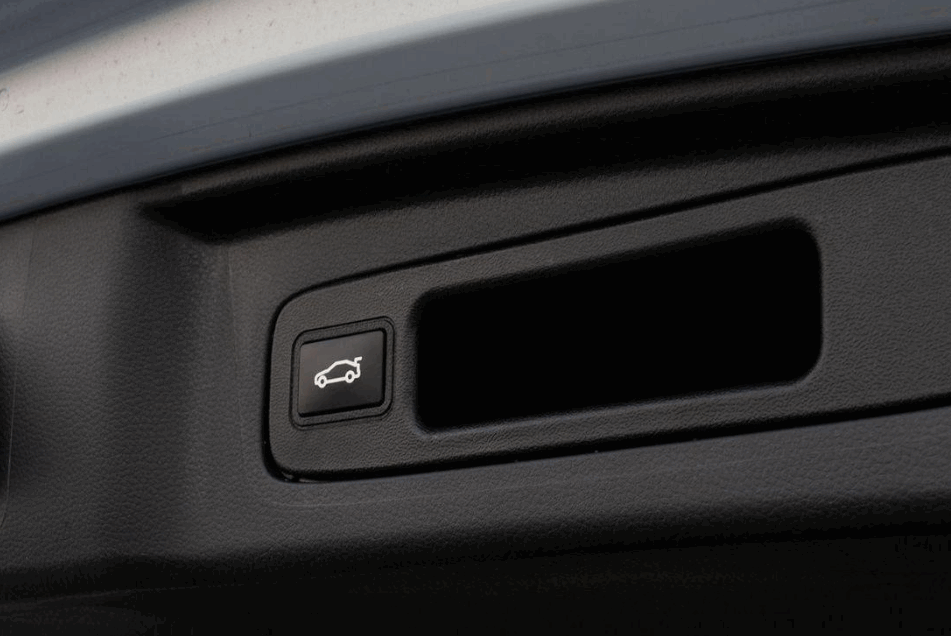
Can You Open a Honda CR-V Trunk from Inside?
Yes, you can open a Honda CR-V trunk from inside in most cases. However, the process depends on the model year and the type of liftgate. Some CR-V models use a manual liftgate, while others feature a power liftgate. Each system has a different emergency opening method. Understanding your vehicle’s design helps you choose the correct procedure and prevents unnecessary damage.
Many owners expect to find an interior trunk release button near the driver’s seat. In reality, most Honda CR-V models do not include this feature. Instead, Honda installs a manual emergency release behind the interior trim panel on the liftgate. This hidden mechanism allows you to unlock the trunk when the exterior handle, key fob, or power liftgate stops working.
The emergency release is designed for unexpected situations rather than daily use. For example, you may need it after a dead battery, an electrical failure, or a faulty liftgate actuator. In these cases, you must first fold the rear seats to reach the cargo area. Then, remove the small access cover on the liftgate trim. Once the release lever is visible, move it in the indicated direction to disengage the latch.
The exact location of the release mechanism varies by generation. Older Honda CR-V models rely mainly on a mechanical latch. Therefore, the opening procedure is relatively simple. Newer models often include a power liftgate for normal operation. Even so, Honda still provides a manual backup release in case the electrical system fails. Checking the owner’s manual is the easiest way to confirm the location on your specific model.
Using the factory-designed release is always the safest option. Avoid pulling the liftgate with excessive force. Doing so can damage the latch, actuator, or interior trim. A few minutes spent locating the emergency release can save both repair costs and unnecessary frustration.
How to Open a Honda CR-V Trunk from Inside Step by Step
Opening the trunk from inside is a simple process when you follow the correct steps. First, park the vehicle on a flat surface and shift the transmission into Park. Next, turn off the engine and engage the parking brake. These precautions create a safe working environment before you access the cargo area.
Fold the rear seats to create enough space to move into the back of the vehicle. Once inside, look at the interior trim panel on the liftgate. Most Honda CR-V models have a small rectangular access cover near the center of the panel. Remove this cover carefully with a plastic trim tool or a flat-head screwdriver wrapped in a soft cloth. This prevents scratches on the surrounding trim.
After removing the cover, locate the manual release mechanism. Depending on the model year, it may be a small lever or a sliding switch. Move the mechanism in the direction shown on the panel or in the owner’s manual. You should hear the latch release with a soft click. Then, push the liftgate outward until it opens completely.
If the trunk does not open, stop and inspect the latch area. Dirt, rust, or damaged components may block the mechanism. Never force the liftgate open. Instead, clean the latch and try again. If the problem continues, inspect the liftgate actuator, the lock assembly, and the vehicle’s electrical system.
After opening the trunk, test the exterior handle and the key fob. If the liftgate only works with the manual release, an electrical component may have failed. Replacing a faulty actuator or repairing the wiring can restore normal operation and prevent the problem from returning.
How to Open the Trunk When the Battery Is Dead
A dead battery can prevent the Honda CR-V power liftgate from opening. Without electrical power, the actuator cannot release the latch. Fortunately, Honda includes a manual backup mechanism for this situation. You can still open the trunk from inside without damaging the liftgate.
Begin by unlocking the driver’s door with the mechanical key if the remote does not work. Next, enter the vehicle and fold the rear seats to access the cargo area. Once you reach the liftgate, locate the small access cover on the interior trim panel. Remove the cover carefully to reveal the emergency release mechanism.
Move the manual release lever in the direction indicated on the panel. At the same time, apply light pressure to the liftgate. The latch should disengage, allowing the trunk to open. Avoid using excessive force if the liftgate does not move immediately. Instead, check whether dirt, ice, or a damaged latch is preventing the mechanism from operating correctly.
After opening the trunk, inspect the vehicle’s battery. If the battery is completely discharged, recharge it or replace it before testing the power liftgate again. Once power is restored, confirm that the key fob, exterior handle, and liftgate switch all operate normally. If the liftgate still fails to open electronically, the issue may involve the actuator, wiring, or a blown fuse rather than the battery itself.
Why Won’t the Honda CR-V Trunk Open from Inside?
If the Honda CR-V trunk will not open from inside, the problem is usually caused by a mechanical or electrical fault. Identifying the cause is important because each issue requires a different solution. A quick inspection can often narrow down the source of the problem before expensive repairs become necessary.
One common cause is a faulty liftgate actuator. The actuator controls the locking mechanism whenever you press the key fob or the exterior release button. Over time, this component can wear out and stop responding. When this happens, the manual release may still work even though the electronic system fails.
A damaged latch is another possible reason. Dust, rust, or debris can prevent the latch from releasing completely. In colder climates, ice may also block the mechanism during winter. Cleaning and lubricating the latch often restores smooth operation if no parts are broken.
Electrical problems should also be considered. A weak battery, a blown fuse, or damaged wiring can interrupt power to the liftgate system. In some cases, the Smart Entry system may also fail to communicate with the actuator. Checking these components can help you determine whether the problem is mechanical or electrical.
If the trunk still refuses to open after these checks, professional diagnosis is the safest option. Continuing to force the liftgate may damage the lock assembly or the interior trim. A qualified technician can test the actuator, inspect the wiring, and confirm whether any components need to be repaired or replaced.
Does the Process Change by Honda CR-V Model Year?
Yes, the process can change depending on the Honda CR-V model year. Honda has updated the liftgate design several times across different generations. Some models use a fully manual system, while others include a power liftgate with additional electronic components. Knowing your vehicle’s generation helps you follow the correct procedure and reduces the risk of damaging the liftgate.
Honda CR-V models produced before the introduction of the power liftgate mainly use a mechanical latch. These vehicles are easier to open during an emergency because the release mechanism operates without electrical power. Once you access the cargo area, you only need to locate the emergency release behind the interior trim panel and move the lever to unlock the latch.
Many newer Honda CR-V models feature a power liftgate for added convenience. Under normal conditions, the liftgate opens with the key fob, an exterior button, or a dashboard switch. However, Honda still provides a manual release for emergency situations. If the battery is dead or the actuator fails, you can access this backup mechanism from inside the vehicle and release the latch manually.
The exact location of the access panel may also vary between generations. Some models place it near the center of the liftgate, while others position it slightly lower behind the trim panel. For this reason, checking the owner’s manual is always recommended before removing any interior panels. Using the correct procedure saves time and helps prevent unnecessary damage to the trim, latch, or locking mechanism.
What Safety Tips Should You Follow When Opening the Trunk from Inside?
Safety should always come first when opening a Honda CR-V trunk from inside. Although the procedure is simple, careless handling can damage the liftgate or cause minor injuries. Taking a few precautions makes the process safer and protects the vehicle from unnecessary wear.
Park the vehicle on a flat surface before starting. Shift the transmission into Park and apply the parking brake. If the engine is running, switch it off before entering the cargo area. These steps prevent unexpected vehicle movement while you work inside the cabin.
Use the correct tools when removing the access cover. A plastic trim tool is the safest choice because it reduces the chance of scratching the interior panel. If you use a flat-head screwdriver, wrap the tip with a soft cloth first. This simple step helps protect the trim from visible marks.
Never force the liftgate open if the latch does not release. Excessive force can bend the latch, crack the trim panel, or damage the liftgate actuator. Instead, inspect the locking mechanism for dirt, rust, or any object blocking its movement. Cleaning the latch or applying a suitable lubricant may solve the problem without requiring replacement parts.
After the trunk opens, test the liftgate several times to confirm that it operates normally. Make sure the latch locks securely and releases smoothly with both the key fob and the exterior handle. If the problem returns, schedule an inspection as soon as possible. Fixing a small fault early is usually easier and less expensive than repairing a complete liftgate assembly later.
Conclusion
Opening a Honda CR-V trunk from inside is a practical solution when the exterior handle, key fob, or power liftgate stops working. Although the procedure varies by model year, most CR-V models include a manual emergency release that allows you to unlock the liftgate safely. Learning where this mechanism is located can save time and prevent unnecessary damage during an emergency.
If the trunk will not open, avoid forcing the liftgate. Instead, inspect the battery, liftgate actuator, latch, and fuse before assuming a major mechanical failure. Many problems result from a discharged battery, a worn actuator, or a latch blocked by dirt and debris. Identifying the root cause early often leads to a faster and less expensive repair.
For the best results, always follow the procedure recommended for your specific Honda CR-V model. The owner’s manual remains the most reliable source for component locations and model-specific instructions. Regular inspection and basic maintenance of the liftgate system can also reduce the chance of future failures and keep the trunk operating smoothly for years.