Honda engines are widely known for durability, smooth performance, and long service life. However, some owners of Honda V6 vehicles begin to notice unexpected problems as mileage increases. The engine may consume more oil than usual, vibrate during light cruising, foul spark plugs, or trigger repeated misfire warnings. These symptoms can be frustrating because they often appear gradually and may be mistaken for normal wear.
Many of these concerns are associated with Variable Cylinder Management, also known as VCM. This system improves fuel economy by temporarily shutting down certain cylinders when full engine power is not required. In theory, the technology offers a practical balance between efficiency and performance. In some vehicles, however, repeated cylinder activation and deactivation may be linked to oil consumption, rough operation, mount wear, spark plug fouling, and other drivability complaints.
Honda VCM problems should never be diagnosed through guesswork. Similar symptoms can also result from worn ignition coils, damaged engine mounts, oil leaks, piston ring wear, or poor maintenance. This guide explains the most common symptoms, possible causes, repair options, prevention methods, and the risks of ignoring early warning signs. It will also help you decide whether disabling VCM is a reasonable option or whether your engine needs a more complete mechanical inspection.
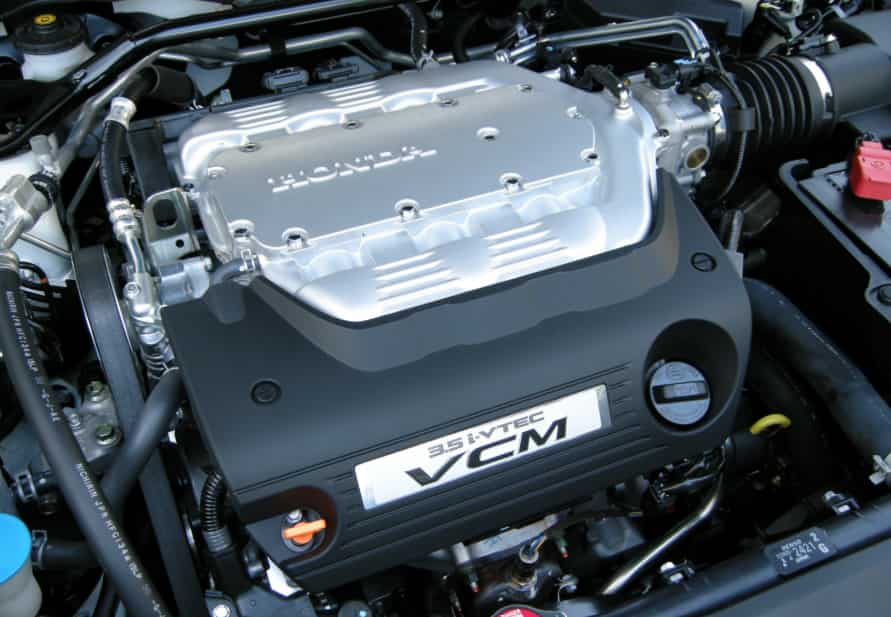
What Is Honda Variable Cylinder Management?
Honda created Variable Cylinder Management to improve fuel economy without sacrificing the performance of its V6 engines. Instead of keeping all six cylinders active at all times, the system temporarily shuts down selected cylinders when the engine needs less power. This approach helps reduce fuel consumption during highway driving and other light load conditions.
The Powertrain Control Module constantly monitors engine load, throttle position, vehicle speed, coolant temperature, and oil pressure. When these values meet specific conditions, the module activates VCM and allows the engine to operate on fewer cylinders. As soon as the driver accelerates or the engine requires additional power, the system immediately returns all cylinders to normal operation.
Honda also uses active engine mounts and electronic controls to reduce vibration during these transitions. Under normal conditions, most drivers barely notice when the engine changes between operating modes. However, some owners begin to experience unusual symptoms as their vehicles accumulate higher mileage.
Many drivers associate Honda VCM problems with excessive oil consumption, engine vibration, spark plug fouling, and repeated misfires. Even so, these symptoms do not always point directly to the VCM system. Worn ignition components, damaged engine mounts, carbon buildup, or poor maintenance can create similar issues. For this reason, every diagnosis should begin with a complete inspection instead of assumptions.
Excessive Oil Consumption
Excessive oil consumption remains one of the most common Honda VCM problems discussed by owners and technicians. Many drivers notice that the oil level drops long before the next scheduled oil change. Some engines consume oil slowly, while others require frequent top offs to maintain a safe level.
When engine oil enters the combustion chamber, it burns together with the air and fuel mixture. This process often leaves carbon deposits inside the cylinder and on the spark plugs. Over time, the engine may produce blue exhaust smoke, develop a burning oil smell, or lose efficiency. In some cases, the driver notices no visible smoke and discovers the problem only after checking the dipstick.
Low oil levels place every moving engine component at risk. The crankshaft, camshafts, bearings, pistons, and valve train all depend on proper lubrication. As the oil level drops, friction and heat increase quickly. Continued driving under these conditions can accelerate internal wear and lead to expensive engine repairs.
Many owners believe that VCM alone causes excessive oil consumption. In reality, several factors can contribute to the problem. Stuck oil control rings, worn piston rings, leaking valve seals, external oil leaks, a faulty PCV valve, or neglected maintenance may all increase oil usage. Therefore, technicians should confirm the actual cause before replacing parts or disabling the VCM system.
Drivers should check the engine oil regularly, especially before long trips or after purchasing a used Honda V6. A simple inspection often reveals a problem before it develops into major engine damage.
Spark Plug Fouling
Spark plugs create the spark that ignites the air and fuel mixture inside each cylinder. When oil or carbon covers the electrode, the plug loses efficiency and struggles to produce a strong spark. As combustion quality declines, engine performance also begins to suffer.
A fouled spark plug can cause rough idle, hesitation, poor acceleration, reduced fuel economy, and difficult starting. Many drivers also notice an illuminated Check Engine Light together with a cylinder specific misfire code. These symptoms often appear gradually, which makes them easy to overlook during the early stages.
Installing new spark plugs may improve engine performance for a short time. However, the problem usually returns if oil continues entering the combustion chamber. Instead of replacing plugs repeatedly, technicians should identify the source of contamination.
The condition of each spark plug provides valuable diagnostic information. An oily plug often indicates oil entering the cylinder. Thick black carbon usually points to incomplete combustion or an overly rich fuel mixture. Meanwhile, a white or overheated electrode may indicate excessive combustion temperatures or another mechanical problem.
Technicians should inspect every spark plug instead of focusing only on the cylinder that triggered the fault code. Comparing all cylinders often reveals patterns that help identify the root cause. They should also test the ignition coils and fuel injectors because these components can create symptoms that closely resemble VCM related problems.
Engine Misfires and Check Engine Light
An engine misfire occurs when one or more cylinders fail to burn the air and fuel mixture correctly. As combustion becomes unstable, the engine begins to shake, hesitate, lose power, or idle roughly. Many drivers first notice the problem during acceleration or while cruising at highway speeds.
The Check Engine Light often appears soon after the first misfire. A flashing warning light requires immediate attention because continuous misfires can overheat the catalytic converter. Unburned fuel enters the exhaust system, raises internal temperatures, and eventually damages the converter. Continuing to drive under these conditions can transform a minor repair into a major expense.
Honda VCM problems sometimes contribute to repeated misfires, especially when oil fouls the spark plugs or carbon deposits affect cylinder performance. However, technicians should never assume that VCM caused the failure. Worn spark plugs, weak ignition coils, clogged fuel injectors, vacuum leaks, electrical faults, and low compression can produce nearly identical symptoms.
A professional diagnosis starts with a complete scan of all stored and pending diagnostic trouble codes. Next, the technician reviews freeze frame data to understand the engine conditions when the fault occurred. After that, the inspection should include the spark plugs, ignition coils, fuel injectors, engine compression, and leak down results. This systematic process identifies the real cause and prevents unnecessary repairs.
Drivers should also pay attention to when the symptoms appear. A rough idle may indicate one type of problem, while a misfire during light cruising may suggest another. Recording these details helps technicians diagnose Honda VCM problems faster and with greater accuracy.
Engine Vibration During VCM Operation
Engine vibration ranks among the most common Honda VCM problems reported by owners. Many drivers first notice a light vibration while cruising at a steady speed. The steering wheel, driver’s seat, or floor may shake slightly as the engine switches between different cylinder modes. At first, the vibration may seem minor. However, it often becomes more noticeable as the vehicle accumulates mileage.
Honda designed the VCM system to make these transitions as smooth as possible. Under normal conditions, active engine mounts and electronic controls absorb most of the movement. As these components age, they lose efficiency and allow more vibration to reach the cabin. Consequently, the driver may feel every cylinder transition instead of enjoying a smooth ride.
Drivers should remember that vibration does not always indicate a VCM failure. Worn engine mounts, damaged transmission mounts, unbalanced wheels, worn tires, failing suspension components, and ignition problems can all create similar symptoms. For this reason, technicians should inspect the entire vehicle before blaming the cylinder deactivation system.
The driving condition also provides valuable diagnostic information. If vibration appears only during light throttle input, the VCM system may deserve closer attention. On the other hand, vibration that continues during acceleration, braking, or idling usually points toward another mechanical problem.
Ignoring persistent vibration rarely solves the issue. Instead, the condition often becomes worse over time and places additional stress on nearby components. Early diagnosis not only reduces repair costs but also helps protect the engine and drivetrain from unnecessary wear.
Active Engine Mount Failure
Honda equips many VCM powered vehicles with active engine mounts to reduce vibration. These mounts absorb engine movement and keep the cabin comfortable while the system switches between different operating modes. When they work correctly, most drivers cannot feel the transition.
Like any mechanical component, engine mounts wear out with age. Rubber hardens, hydraulic fluid leaks, and internal parts lose their ability to absorb movement. As a result, vibration becomes much more noticeable even though the engine still operates normally.
A failing engine mount often creates several warning signs. Drivers may notice stronger vibration while idling, shifting into gear, or accelerating from a stop. Some vehicles also produce clunking sounds when the engine moves excessively under load. These symptoms usually become more obvious after the mount loses its hydraulic support.
Technicians should inspect engine mounts before replacing expensive engine components. A damaged mount can exaggerate normal engine movement and create the impression that the VCM system has failed. Replacing the mount often restores smooth operation when the engine itself remains in good condition.
Although engine mounts play an important role, they do not cause every vibration complaint. If the vibration continues after replacing worn mounts, technicians should continue testing the ignition system, fuel system, and internal engine condition.
Piston Ring Wear or Sticking
Piston rings seal the combustion chamber, maintain compression, and control the amount of oil that reaches the cylinder wall. When these rings operate correctly, they keep combustion efficient and prevent excessive oil consumption. As they wear or stick because of carbon deposits, engine performance begins to decline.
Many discussions about Honda VCM problems focus on oil control rings. Some owners believe repeated cylinder deactivation allows carbon deposits to build more easily under certain operating conditions. These deposits may restrict ring movement and reduce their ability to remove excess oil from the cylinder wall. As more oil enters the combustion chamber, the engine may consume oil, foul spark plugs, and produce blue exhaust smoke.
Drivers often notice additional symptoms as ring wear becomes more severe. The engine may lose compression, idle roughly, misfire repeatedly, or consume increasing amounts of oil between services. Fuel economy may also decline because combustion no longer remains efficient across every cylinder.
Technicians should never diagnose worn piston rings based only on oil consumption. Instead, they should perform a compression test, a leak down test, and, when necessary, inspect the cylinders with a borescope. These procedures provide much stronger evidence than visual inspection alone.
Replacing piston rings requires significant labor because technicians must disassemble much of the engine. Therefore, owners should confirm the diagnosis before approving major repairs. A complete inspection prevents unnecessary expenses and helps identify the actual source of the problem.
Catalytic Converter Damage
A damaged catalytic converter often develops as a secondary problem rather than the original cause of Honda VCM problems. Continuous engine misfires allow unburned fuel to enter the exhaust system. The catalytic converter then works harder to burn that fuel, which raises its internal temperature far beyond the normal operating range.
Excessive heat gradually damages the converter’s internal substrate. As the material breaks down, exhaust flow becomes restricted and engine performance begins to suffer. Drivers may notice poor acceleration, reduced power, increased fuel consumption, or a sulfur like smell from the exhaust.
The Check Engine Light may also illuminate with catalyst efficiency codes. Although replacing the catalytic converter solves the immediate restriction, the new component may fail again if technicians ignore the original misfire. For this reason, every repair should begin with the root cause instead of the final symptom.
Drivers should never continue operating a vehicle with a flashing Check Engine Light. Every additional mile increases the risk of damaging the catalytic converter and raises the overall repair cost. Addressing ignition or oil consumption problems early often prevents much more expensive exhaust repairs later.
A complete diagnostic process protects both the engine and the emissions system. Once technicians eliminate the underlying fault, the catalytic converter can continue operating efficiently for many years.
Honda VCM Problem Symptoms You Should Never Ignore
Honda VCM problems rarely appear without warning. In most cases, the engine begins to show small changes long before a serious failure develops. Drivers who recognize these early symptoms can often prevent expensive repairs and avoid additional damage to the engine.
The Check Engine Light Turns On
The Check Engine Light often provides the first indication that something is wrong. Although the warning light does not confirm a VCM related fault, it tells the driver that the engine control module has detected abnormal operating conditions.
Common diagnostic trouble codes include cylinder specific misfire codes, random misfire codes, and catalyst efficiency codes. These codes help narrow the diagnosis, but they do not identify the root cause by themselves. A technician should always combine scan tool data with mechanical testing before replacing any parts.
The Engine Runs Rough at Idle
A healthy Honda V6 should idle smoothly with very little vibration. If the engine shakes while the vehicle remains stationary, the problem deserves immediate attention.
Several issues can create a rough idle. Fouled spark plugs, weak ignition coils, vacuum leaks, carbon deposits, and low compression all affect combustion quality. In some cases, VCM related oil consumption contributes to these conditions by contaminating the spark plugs.
The Vehicle Vibrates at Highway Speeds
Many owners report vibration while driving between 40 and 70 miles per hour. The vibration often appears during steady cruising and disappears once the driver presses the accelerator.
This driving pattern provides an important diagnostic clue because the VCM system usually operates during light engine load. Even so, technicians should also inspect the tires, wheels, suspension, and engine mounts before concluding that the VCM system caused the vibration.
Engine Oil Level Drops Between Oil Changes
A falling oil level should never become part of normal vehicle ownership. Drivers should check the dipstick regularly because excessive oil consumption often develops gradually.
Adding oil without investigating the cause only delays the repair. If the engine continues burning oil, carbon deposits accumulate inside the combustion chamber and increase the risk of spark plug fouling, misfires, and catalytic converter damage.
Fuel Economy Suddenly Declines
Honda introduced VCM to improve fuel efficiency. Therefore, a noticeable decrease in fuel economy may indicate that the engine no longer operates as intended.
Poor fuel economy can result from many different problems, including ignition faults, injector issues, oxygen sensor failures, carbon buildup, or low compression. A complete diagnosis helps identify the true source instead of relying on fuel consumption alone.
The Engine Hesitates During Acceleration
The engine should deliver smooth and predictable power whenever the driver presses the accelerator. If the vehicle hesitates, stumbles, or responds slowly, combustion may not occur correctly in one or more cylinders.
This symptom often appears together with spark plug fouling or ignition problems. Drivers may also notice intermittent power loss, especially after cruising for an extended period.
Blue Smoke Appears from the Exhaust
Blue exhaust smoke usually indicates that the engine burns oil inside the combustion chamber. Although some engines produce smoke only during cold starts or hard acceleration, any visible blue smoke deserves prompt attention.
Continued oil burning increases carbon buildup throughout the engine and exhaust system. As the condition worsens, drivers may experience higher oil consumption, repeated misfires, and reduced engine performance.
Unusual Engine Noise
The engine should operate quietly under normal conditions. Clicking, knocking, ticking, or rattling noises often indicate that another mechanical problem has developed.
Low oil levels can reduce lubrication and increase internal wear. Worn valve train components, timing system problems, or damaged bearings may also create abnormal sounds. Drivers should stop driving and inspect the vehicle immediately if loud knocking develops because severe engine damage can occur within a short period.
Strong Burning Oil Smell
Burning oil produces a distinctive odor that many drivers recognize immediately. The smell often becomes stronger after highway driving or when the vehicle stops at a traffic light.
Oil may leak onto hot exhaust components or enter the combustion chamber and burn with the air and fuel mixture. Either condition requires inspection because continued oil loss increases the risk of serious engine damage.
Reduced Engine Performance
Many owners describe the engine as feeling weaker than before. Acceleration may become slower, throttle response less predictable, and overall drivability less refined.
Reduced performance rarely results from a single fault. Instead, several problems often develop together. Oil consumption, carbon buildup, spark plug fouling, ignition failures, and reduced compression can all lower engine output. Identifying these issues early allows technicians to repair the engine before additional damage occurs.
What Causes Honda VCM Problems?
Many drivers assume that the VCM system causes every problem found in a Honda V6 engine. In reality, the situation is more complex. VCM can contribute to certain conditions, but engine age, maintenance history, driving habits, and normal component wear also influence long term reliability. Understanding the real cause helps owners choose the correct repair and avoid unnecessary expenses.
Frequent Cylinder Deactivation
Honda developed the VCM system to improve fuel efficiency by reducing the number of active cylinders during light load driving. The system constantly switches between six cylinder operation and reduced cylinder operation as driving conditions change.
These repeated transitions create different temperatures and pressure levels inside the engine. Over many years of operation, some cylinders may experience different wear patterns than others. Carbon deposits may also accumulate under certain conditions and affect combustion quality. Although not every engine develops these issues, repeated cylinder deactivation remains one of the most discussed topics among Honda owners.
Carbon Deposit Buildup
Carbon naturally forms during the combustion process. Small deposits usually cause no problems because the engine burns fuel efficiently and regular maintenance keeps the system clean.
Problems begin when carbon accumulates on piston crowns, piston rings, intake valves, and spark plugs. Thick deposits can reduce combustion efficiency, increase oil consumption, and prevent piston rings from moving freely. As a result, the engine may develop rough idle, repeated misfires, poor fuel economy, or increased exhaust emissions.
Drivers who frequently make short trips often experience greater carbon buildup because the engine rarely reaches full operating temperature. Highway driving and scheduled maintenance help reduce this risk over time.
Worn or Sticking Piston Rings
Piston rings perform several important functions inside the engine. They maintain compression, transfer heat, and control the amount of oil that remains on the cylinder wall.
As mileage increases, carbon deposits and normal wear may prevent the oil control rings from moving freely. Once this happens, excess oil can enter the combustion chamber and burn during normal operation. Drivers often notice declining oil levels, blue exhaust smoke, fouled spark plugs, and recurring misfires.
Technicians should confirm piston ring wear through compression testing, leak down testing, and cylinder inspection before recommending major engine repairs.
Poor Maintenance Practices
Regular maintenance plays a major role in engine reliability. Skipping oil changes or using the wrong oil grade accelerates wear throughout the engine. Dirty oil loses its ability to lubricate moving parts and allows contaminants to circulate through the lubrication system.
Ignoring scheduled spark plug replacement can also increase the risk of ignition problems. Weak ignition performance reduces combustion efficiency, creates additional carbon deposits, and places extra stress on the catalytic converter.
Owners who follow the recommended maintenance schedule generally experience fewer long term engine problems than those who delay routine service.
Faulty PCV Valve
The Positive Crankcase Ventilation valve regulates crankcase pressure and redirects blow by gases back into the intake system. A clogged or malfunctioning valve disrupts this process and allows excessive pressure to build inside the engine.
Higher crankcase pressure can force additional oil into the combustion chamber. As oil consumption increases, spark plugs foul more quickly and combustion quality declines. Fortunately, replacing a faulty PCV valve usually costs far less than repairing internal engine damage.
Technicians often inspect the PCV system early in the diagnostic process because it provides an inexpensive opportunity to eliminate one possible cause.
Ignition System Problems
The ignition system must deliver a strong spark to every cylinder during every combustion cycle. Worn spark plugs, failing ignition coils, damaged wiring, or poor electrical connections can interrupt this process and create symptoms that closely resemble Honda VCM problems.
A weak spark reduces combustion efficiency and increases the likelihood of misfires. Drivers may notice rough idle, hesitation during acceleration, poor fuel economy, or an illuminated Check Engine Light.
Replacing ignition components without proper testing often wastes time and money. Instead, technicians should verify spark quality, inspect wiring, and review diagnostic trouble codes before replacing any parts.
Engine Mount Wear
Engine mounts support the engine and isolate vibration from the passenger compartment. Hydraulic mounts gradually lose their damping ability as rubber ages and internal seals deteriorate.
Once the mounts weaken, normal engine movement becomes much easier to feel inside the cabin. Many owners mistakenly blame the VCM system when worn engine mounts actually create the vibration.
A careful inspection of the mounting system helps technicians distinguish between a vibration caused by worn mounts and one related to engine operation.
High Mileage and Normal Wear
Every engine experiences gradual wear throughout its service life. Bearings, piston rings, valve seals, timing components, and ignition parts all deteriorate after thousands of heat cycles.
High mileage alone does not indicate a VCM related failure. However, older engines often develop multiple small issues at the same time. Oil consumption, carbon buildup, ignition wear, and reduced compression may combine to create symptoms that resemble Honda VCM problems.
A complete inspection provides the most reliable diagnosis because it considers the condition of the entire engine instead of focusing on a single component. This approach reduces unnecessary repairs and helps owners invest in the repairs that deliver the greatest long term value.
Which Honda and Acura Models Have VCM Problems?
Honda installed Variable Cylinder Management in several V6 powered Honda and Acura vehicles to improve fuel efficiency. While many owners enjoy years of reliable performance, others report oil consumption, spark plug fouling, engine vibration, and engine misfires after higher mileage. However, these issues do not affect every vehicle, and proper maintenance often plays a significant role in long term reliability.
The Honda Accord V6 remains one of the most frequently discussed models because many owners have reported increased oil consumption and recurring misfires. The Honda Odyssey also appears in many repair discussions, especially when drivers experience vibration during highway cruising or repeated spark plug fouling.
The Honda Pilot and Honda Ridgeline use similar V6 engines and may develop comparable symptoms over time. Some owners notice rough idle, excessive oil use, or a Check Engine Light, while others drive well beyond 200,000 miles without major engine concerns.
Among Acura models, the Acura MDX, Acura TL, and Acura RL receive the most attention. Owners occasionally report vibration, oil consumption, and ignition related problems as mileage increases. Nevertheless, these symptoms often result from multiple factors, including worn engine mounts, aging ignition components, carbon buildup, or neglected maintenance.
Drivers should avoid assuming that every VCM equipped vehicle will develop these problems. Many engines continue to operate reliably for years with regular oil changes, timely spark plug replacement, and prompt attention to warning signs. Instead of replacing parts based on assumptions, owners should follow a complete diagnostic process to identify the actual cause and choose the most effective repair.
How to Diagnose Honda VCM Problems
Accurate diagnosis is essential because many Honda VCM problems share symptoms with other engine faults. Oil consumption, rough idle, engine vibration, and misfires can also result from worn ignition components, vacuum leaks, or internal engine wear. A systematic inspection helps identify the real cause and prevents unnecessary repairs.
The first step involves scanning the vehicle for diagnostic trouble codes. Misfire codes, catalyst efficiency codes, and oil related warnings provide valuable information about the affected cylinders and operating conditions. Technicians should also review freeze frame data to determine when the fault occurred.
Next, inspect the engine oil level and condition. Low oil or contaminated oil may indicate excessive oil consumption or poor maintenance. Technicians should then remove and examine the spark plugs. Oil soaked plugs, heavy carbon deposits, or uneven wear patterns often reveal combustion problems that require further investigation.
The ignition system also deserves careful attention. Testing the ignition coils, fuel injectors, and electrical connections helps eliminate common causes of misfires before focusing on the VCM system. If the engine continues to consume oil or misfire, technicians should perform a compression test and a leak down test to evaluate piston rings and cylinder sealing.
Finally, inspect the engine mounts and road test the vehicle under light throttle conditions. Many VCM related complaints appear while cruising at a steady speed because the cylinder deactivation system operates most frequently during light engine load.
Following this step by step approach reduces guesswork, saves repair costs, and helps technicians identify the actual source of Honda VCM problems with greater accuracy.
How to Fix Honda VCM Problems
The best repair depends on the underlying cause rather than the symptoms alone. Replacing parts without proper testing often increases repair costs and fails to solve the problem. A complete diagnosis should always come first.
If the engine consumes oil, begin by checking the oil level regularly and using the oil grade recommended by Honda. Replacing a faulty PCV valve may also reduce oil consumption if excessive crankcase pressure contributes to the issue. In some cases, technicians may recommend cleaning carbon deposits before considering major engine repairs.
When spark plugs become fouled or the engine misfires, replace worn spark plugs and test the ignition coils. Damaged fuel injectors or poor electrical connections can create similar symptoms, so technicians should inspect these components during the repair process.
Drivers who experience excessive vibration should inspect the engine mounts. Worn hydraulic mounts often lose their ability to absorb engine movement and can make normal VCM operation feel much more noticeable. Replacing damaged mounts frequently restores smooth driving without additional engine work.
Some owners choose to install a VCM disabling device to keep all cylinders active at all times. Supporters believe this approach reduces oil consumption and limits future carbon buildup. However, Honda does not officially recommend this modification, and it may affect emissions compliance or warranty coverage in some situations.
If compression testing confirms worn piston rings or significant internal engine wear, major mechanical repairs may become necessary. Although these repairs require a higher investment, they restore proper engine performance and help prevent recurring Honda VCM problems. Selecting the correct repair after a thorough diagnosis offers the best long term value.
Should You Disable Honda VCM?
Many Honda owners consider disabling the Variable Cylinder Management system after experiencing oil consumption, engine vibration, or repeated misfires. The goal is simple. They want the engine to operate on all six cylinders at all times instead of switching between different cylinder modes.
Supporters of VCM disabling devices believe that continuous six cylinder operation reduces cylinder temperature differences, limits carbon buildup, and improves overall engine smoothness. Some owners also report lower oil consumption, fewer spark plug issues, and more consistent engine performance after installing these devices. However, these experiences vary from one vehicle to another and do not guarantee the same results for every owner.
Honda has not approved aftermarket VCM disabling devices as an official repair. Installing one may affect emissions compliance, warranty coverage, or local vehicle regulations, depending on where the vehicle is registered. Owners should understand these considerations before modifying the engine management system.
Disabling VCM also does not repair existing mechanical damage. If worn piston rings, faulty ignition coils, leaking valve seals, or damaged engine mounts cause the symptoms, the engine will still require proper repairs. Ignoring these faults may allow the condition to become worse over time.
Before deciding to disable VCM, complete a thorough inspection and identify the root cause of the problem. If the engine remains mechanically sound and the symptoms appear closely related to cylinder deactivation, discuss the available options with a qualified technician. Making an informed decision based on accurate diagnosis offers the best opportunity to improve reliability while avoiding unnecessary repairs.
Honda VCM Repair Cost
The cost of repairing Honda VCM problems depends on the underlying fault, the vehicle model, labor rates, and the condition of the engine. Some repairs require only routine maintenance, while others involve significant engine work. An accurate diagnosis helps owners avoid replacing unnecessary parts and reduces the overall repair bill.
Minor repairs usually include replacing spark plugs, ignition coils, or a faulty PCV valve. These components often contribute to rough idle, engine misfires, or poor fuel economy and generally require less labor than internal engine repairs. Replacing worn engine mounts may also restore smooth operation if excessive vibration results from deteriorated hydraulic mounts instead of the VCM system itself.
Repair costs increase when the engine consumes excessive oil or fails a compression test. Worn piston rings, damaged valve seals, or severe carbon buildup often require extensive labor because technicians must disassemble major engine components. In the most serious cases, owners may need a complete engine rebuild or a replacement engine.
Labor charges vary widely between independent repair shops and authorized Honda dealerships. Genuine Honda parts also cost more than many aftermarket alternatives, although original components may provide better long term durability and compatibility.
Owners should request a detailed inspection and a written repair estimate before approving any major work. Comparing multiple repair options can help identify the best balance between cost and reliability. Investing in an accurate diagnosis at the beginning often prevents unnecessary expenses and provides a more effective long term solution for Honda VCM problems.
How to Prevent Honda VCM Problems
Although no maintenance routine can eliminate every mechanical issue, proper care can significantly reduce the risk of Honda VCM problems. Regular inspections and timely repairs help protect the engine, improve reliability, and extend its service life.
Follow the maintenance schedule recommended by Honda and replace the engine oil with the correct viscosity and specification. Clean engine oil lubricates internal components, reduces friction, and helps control heat. Checking the oil level at least once a month also allows drivers to detect unusual oil consumption before it becomes a serious problem.
Replace spark plugs according to the recommended service interval and inspect the ignition coils if the engine begins to misfire. A healthy ignition system promotes complete combustion, reduces carbon deposits, and protects the catalytic converter from unburned fuel.
Avoid ignoring warning signs such as rough idle, engine vibration, reduced fuel economy, or an illuminated Check Engine Light. Small problems often become expensive repairs when drivers continue operating the vehicle without proper diagnosis.
Drivers who frequently travel short distances should take the vehicle on longer highway trips whenever possible. Reaching normal operating temperature helps burn away moisture and reduces carbon buildup inside the engine. Consistent driving habits also support more stable engine performance.
Finally, schedule a professional inspection if the engine starts consuming oil or develops repeated misfires. Early diagnosis allows technicians to identify worn components before they cause additional damage. Preventive maintenance costs far less than major engine repairs and remains the most effective strategy for reducing the risk of Honda VCM problems.
Frequently Asked Questions
Are Honda VCM problems common?
Honda VCM problems do not affect every vehicle equipped with the system. Many owners drive for years without major issues. However, some V6 models develop oil consumption, spark plug fouling, engine vibration, or misfires as mileage increases. Regular maintenance and early diagnosis often reduce the risk of serious engine damage.
Which Honda models have VCM?
Honda installed Variable Cylinder Management in several V6 powered models, including the Accord, Odyssey, Pilot, and Ridgeline. Acura also used the system in selected MDX, TL, and RL models. Not every model year experiences the same level of owner complaints.
Does disabling VCM fix oil consumption?
Disabling VCM does not repair worn piston rings, leaking valve seals, or other mechanical problems. Some owners report improved engine smoothness and reduced oil consumption after installing a VCM disabling device, but results vary. Always identify the root cause before making any modifications.
Can I continue driving with Honda VCM problems?
You should not ignore warning signs such as persistent misfires, excessive oil consumption, or a flashing Check Engine Light. Continuing to drive with these symptoms may damage the catalytic converter or other internal engine components. A professional inspection is the safest approach.
How long do Honda V6 engines last?
A well maintained Honda V6 engine can often exceed 200,000 miles and many continue to perform reliably beyond that point. Routine oil changes, timely ignition system maintenance, and early repairs all contribute to a longer service life.
What is the most common symptom of Honda VCM problems?
The most commonly reported symptoms include excessive oil consumption, engine vibration during highway cruising, spark plug fouling, rough idle, and repeated engine misfires. These symptoms can also result from other engine faults, so accurate diagnosis remains essential.
Conclusion
Honda VCM problems can range from minor drivability concerns to more serious engine issues if owners ignore the early warning signs. Excessive oil consumption, spark plug fouling, engine vibration, and repeated misfires often receive the most attention, but these symptoms do not automatically confirm a VCM related failure. Worn ignition components, damaged engine mounts, carbon buildup, and normal engine wear can produce similar results.
The most effective solution begins with a thorough diagnosis rather than replacing parts based on assumptions. Inspecting the ignition system, monitoring oil consumption, testing engine compression, and following the recommended maintenance schedule help identify the actual cause and prevent unnecessary repairs. Early intervention also reduces the risk of expensive engine damage and improves long term reliability.
If your Honda or Acura V6 begins to show unusual symptoms, do not wait until the problem becomes more severe. Addressing small issues early often saves time, lowers repair costs, and extends engine life. By understanding the common causes, recognizing the warning signs, and choosing the right repair strategy, you can keep your vehicle running smoothly and reduce the long term impact of Honda VCM problems.