Seeing the Honda triangle exclamation point appear on your dashboard can be confusing, especially when your vehicle still seems to run normally. Many drivers immediately assume that the symbol signals a serious mechanical failure. In reality, its meaning depends on the Honda model, production year, dashboard design, and any additional message shown on the driver information display.
The Honda triangle exclamation point usually acts as an attention indicator. It tells you that one or more vehicle systems require inspection. The cause may be as simple as an open door, incorrect tire pressure, a maintenance reminder, or a temporary sensor issue. However, it may also appear with warnings related to the Vehicle Stability Assist system, the braking system, the battery, or Honda Sensing technology.
Ignoring the warning without checking the accompanying message can lead to unnecessary stress or costly repairs. Replacing parts before identifying the real cause may also waste both time and money. The safest approach is to read the dashboard message, look for other illuminated warning lights, and evaluate whether the vehicle feels different while driving.
This guide explains the Honda triangle exclamation point meaning, its most common causes, practical fixes, and the warning signs that should never be ignored. You will also learn when it may be safe to continue driving and when you should stop the vehicle and request professional assistance.
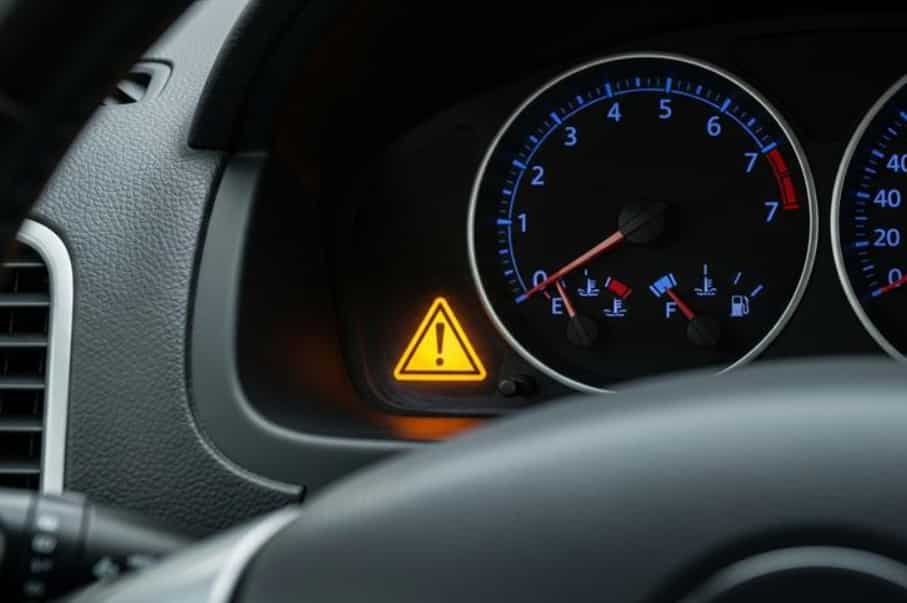
What Does the Honda Triangle Exclamation Point Mean?
The Honda triangle exclamation point is a dashboard warning that tells you the vehicle needs your attention. Unlike warning lights that point to one specific problem, this symbol acts as a general alert. It usually appears when the vehicle detects an issue and wants you to read an important message on the driver information display. The warning itself does not explain the problem, so checking the accompanying message should always be your first step.
The meaning of the Honda triangle exclamation point can vary depending on the model, model year, and equipment installed in your vehicle. In many newer Honda models, the symbol works as a system message indicator. It may appear because of a maintenance reminder, low fluid levels, an open door, a weak battery, or a temporary problem with a safety feature. Some vehicles may also display the warning when the Vehicle Stability Assist system or Honda Sensing technology detects an abnormal condition.
Many drivers also confuse this warning with the Tire Pressure Monitoring System light. Although both symbols include an exclamation point, the TPMS indicator normally has the shape of a tire rather than a triangle. Knowing the difference helps prevent unnecessary repairs and makes troubleshooting much easier.
The color of the warning is also important. A yellow or amber light usually means the vehicle requires attention soon, while a red warning indicates a more serious condition that should be addressed immediately. Before attempting to reset the light or replace any parts, read the dashboard message carefully and check for other illuminated warning lights. Taking these simple steps will help you identify the real cause of the Honda triangle exclamation point and choose the correct solution.
Honda Triangle Exclamation Point Symbol Identification
Correctly identifying the Honda triangle exclamation point is the first step toward finding the right solution. Many drivers see the warning for only a few seconds and assume it points to a specific mechanical failure. In reality, the symbol is a general alert that works together with other dashboard messages and warning lights. Looking at the entire instrument cluster instead of focusing on the triangle alone will help you understand what your vehicle is trying to communicate.
On many modern Honda models, the triangle with an exclamation point appears when the driver information display has an important message. This message provides the real reason behind the warning. It may inform you about scheduled maintenance, low washer fluid, an open door, a weak key fob battery, or a problem with one of the vehicle’s electronic systems. Reading the message carefully often saves time because it directs you to the exact area that needs attention.
It is also important to distinguish the triangle exclamation point from other Honda dashboard symbols. The Tire Pressure Monitoring System warning usually looks like the outline of a tire with an exclamation point inside it. The Vehicle Stability Assist indicator may display the letters VSA or a vehicle icon, depending on the model and production year. Although these warnings can appear at the same time, they represent different systems and require different diagnostic procedures.
If multiple warning lights appear together, avoid guessing the cause based on a single symbol. Instead, check every illuminated indicator and read all available dashboard messages before inspecting the vehicle. This simple approach reduces the risk of replacing parts that are still working properly. Once you correctly identify the Honda triangle exclamation point and any related warnings, diagnosing the problem becomes much faster and more accurate.
Common Causes of the Honda Triangle Exclamation Point
The Honda triangle exclamation point appears when your vehicle detects a condition that requires attention. The symbol is a general warning rather than a fault indicator. It tells you to check the driver information display for more details. The message on the dashboard usually identifies the affected system and helps you understand what needs to be inspected.
Routine maintenance is one of the most common reasons for this warning. Your Honda may remind you that an oil change or scheduled service is due. It can also alert you to low washer fluid, an open door, an unlatched trunk, or a weak key fob battery. These problems are usually easy to correct, and the warning often clears after the issue is resolved.
Electronic safety systems can also trigger the Honda triangle exclamation point. A fault in the Vehicle Stability Assist system, Anti Lock Braking System, or Honda Sensing may cause the warning to appear. Dirty sensors, damaged wiring, or failed control modules can interrupt normal operation. Additional warning lights often appear at the same time, making diagnosis easier.
Electrical problems are another possible cause. A weak battery, loose battery terminals, or low charging voltage may affect communication between vehicle modules. Tire pressure problems can also confuse drivers because the TPMS warning looks similar to the triangle symbol. Finally, engine, transmission, or brake system faults may activate the warning. If the light remains on after basic checks, scan the vehicle for diagnostic trouble codes. Accurate diagnosis will help identify the real cause and prevent unnecessary repairs.
Is It Safe to Drive With the Honda Triangle Exclamation Point On?
Many drivers wonder if it is safe to continue driving after the Honda triangle exclamation point appears. The answer depends on the cause of the warning. Because the symbol is a general alert, you should never assume the problem is minor or serious without checking the dashboard message first.
If the warning is related to routine maintenance or a minor issue, you can usually continue driving with caution. Common examples include low washer fluid, an open door, or a maintenance reminder. These conditions do not normally affect vehicle performance, but they should still be corrected as soon as possible.
The situation is different when the triangle warning appears with other dashboard lights. If you also see the engine warning light, brake warning light, battery warning light, or temperature warning, the vehicle may have a more serious problem. You may notice reduced engine power, poor braking performance, or changes in steering response. In these cases, continuing to drive could increase the risk of vehicle damage or compromise your safety.
Pay attention to how your Honda feels while driving. Unusual noises, vibrations, warning messages, or a sudden loss of power are clear signs that the vehicle needs immediate inspection. If the car does not respond normally, pull over in a safe location and switch off the engine. Driving with an unresolved fault can lead to more expensive repairs.
The safest approach is to read the dashboard message, inspect the vehicle for obvious problems, and perform a diagnostic scan if the warning remains on. A quick inspection can often identify a simple issue before it develops into a costly repair. Taking action early protects your Honda, improves road safety, and helps prevent unexpected breakdowns.
How to Fix the Honda Triangle Exclamation Point
Fixing the Honda triangle exclamation point begins with identifying the real cause of the warning. Since the symbol is a general alert, there is no single repair that works for every situation. Avoid replacing parts without proper diagnosis. A systematic inspection will save both time and money.
Start by reading the message displayed on the instrument panel. Many Honda models provide a description of the issue as soon as the warning appears. The message may point to scheduled maintenance, low fluid levels, an open door, or a problem with a specific vehicle system. Resolving these simple issues may clear the warning immediately.
Next, inspect the vehicle for obvious problems. Check the engine oil level, brake fluid, coolant, and windshield washer fluid. Make sure all doors, the hood, and the trunk are fully closed. Inspect the tires and adjust the air pressure to the recommended specification if necessary. These basic checks take only a few minutes and often solve the problem.
If the warning remains on, connect an OBD2 scanner and read the diagnostic trouble codes. The stored codes identify the affected system and provide valuable information for troubleshooting. This step prevents unnecessary repairs and helps you focus on the actual fault. If you do not have a scanner, most repair shops can perform a diagnostic inspection.
Some problems require additional attention. A weak battery, damaged wheel speed sensor, faulty brake component, or malfunctioning Honda Sensing sensor may all trigger the warning. These issues usually require testing before any parts are replaced. After the repair is complete, clear the fault codes and confirm that the warning light does not return during a test drive.
If the Honda triangle exclamation point stays on after these steps, schedule a professional inspection. An experienced technician can perform advanced diagnostics and verify that every related system is operating correctly. Early diagnosis reduces repair costs, improves vehicle reliability, and helps prevent unexpected breakdowns.
How to Reset the Honda Triangle Exclamation Point
Many Honda owners look for a quick way to reset the Honda triangle exclamation point after the warning appears. However, resetting the light should never be the first step. The warning is designed to alert you to a condition that needs attention. If the underlying problem has not been fixed, the light will usually return after a short drive.
Begin by reading the message on the driver information display. If the warning is caused by scheduled maintenance, complete the required service before attempting a reset. If the message points to low fluid levels, low tire pressure, or another minor issue, correct the problem first. In many cases, the warning disappears automatically once the vehicle confirms that the issue has been resolved.
If the light remains on, use an OBD2 scanner to check for diagnostic trouble codes. After repairing the fault, clear the stored codes with the scanner. Start the engine and drive the vehicle for several minutes. This allows the control modules to verify that all monitored systems are operating normally. If no additional faults are detected, the warning should stay off.
Some Honda models also allow you to reset maintenance reminders through the instrument cluster settings. This procedure only resets the maintenance monitor. It does not repair mechanical or electrical faults, and it will not clear active warning lights caused by system failures.
If the Honda triangle exclamation point returns after the reset, do not ignore it. A recurring warning usually indicates that the original problem still exists or that another fault has developed. Performing a complete diagnostic inspection is the safest way to identify the cause, restore normal vehicle operation, and prevent more expensive repairs in the future.
Frequently Asked Questions About the Honda Triangle Exclamation Point
Why is the Honda triangle exclamation point on?
The Honda triangle exclamation point appears when the vehicle detects a condition that requires your attention. The warning does not identify one specific problem. Instead, it tells you to check the driver information display for a detailed message. The cause may range from a simple maintenance reminder to a fault in an electronic safety system.
Can I drive with the Honda triangle exclamation point on?
You can often continue driving if the warning is related to routine maintenance or a minor issue. However, you should reduce unnecessary driving until you understand the cause. If the triangle appears with the engine, brake, battery, or temperature warning light, stop the vehicle as soon as it is safe and inspect the problem before continuing.
Will the warning light reset by itself?
Yes. The warning may turn off automatically after the underlying problem has been corrected. For example, the light may disappear after adding washer fluid, closing an open door, or completing scheduled maintenance. If the warning remains on, the vehicle should be inspected for stored fault codes.
Can a weak battery cause the Honda triangle exclamation point?
Yes. A weak battery or low charging voltage can affect communication between electronic control modules. This may trigger the general warning indicator and other dashboard lights. Testing the battery and charging system is recommended if multiple warnings appear at the same time.
Is the Honda triangle exclamation point the same as the TPMS warning?
No. The two symbols are different even though many drivers confuse them. The TPMS warning normally has the shape of a tire with an exclamation point inside it. The Honda triangle exclamation point is a general warning that can relate to many different vehicle systems.
Do I need an OBD2 scanner to diagnose the warning?
An OBD2 scanner is not always required, but it is one of the most effective diagnostic tools. It allows you to read diagnostic trouble codes stored by the vehicle. These codes help identify the affected system and reduce unnecessary repairs. If you do not have a scanner, a qualified repair shop can perform the diagnosis for you.
Conclusion
Understanding the Honda triangle exclamation point can help you respond quickly and avoid unnecessary repairs. Although the warning may seem alarming at first, it is simply a general indicator that tells you to check an important message on the dashboard. The actual cause can range from routine maintenance and low fluid levels to problems involving the braking system, electronic safety features, or other vehicle components.
The best approach is to inspect the vehicle carefully instead of guessing the cause. Read every dashboard message, check for additional warning lights, and perform a diagnostic scan if the symbol remains on. Early diagnosis often prevents small problems from becoming expensive repairs. It also helps keep your Honda safe, reliable, and ready for daily driving.
If you are unsure why the Honda triangle exclamation point is illuminated, do not ignore the warning or reset the light without identifying the underlying issue. Taking the time to diagnose the problem correctly will protect your vehicle and reduce the risk of unexpected breakdowns.
We hope this guide has answered your questions and helped you understand what the Honda triangle exclamation point means, what causes it, and how to fix it. If you found this article helpful, explore our other Honda maintenance and troubleshooting guides for more expert tips that will help you keep your vehicle in excellent condition for years to come.