A Honda Odyssey not starting usually indicates a problem with the battery, electrical connections, starter system, fuel delivery, ignition system, engine sensors, immobilizer, or internal engine condition. The exact cause depends on what happens when you turn the key or press the start button.
A completely dead vehicle with no dashboard lights usually points to a discharged battery, a loose terminal, a damaged cable, or a blown main fuse. Repeated clicking often means the battery cannot provide enough power to operate the starter. One solid click may indicate a failed starter motor or excessive resistance in the starter circuit. When the engine cranks normally but does not start, the problem is more likely related to fuel pressure, ignition spark, sensor input, immobilizer authorization, compression, or engine timing.
The most effective diagnostic process begins by identifying the exact symptom. Replacing parts without testing can increase repair costs without solving the problem. A new battery will not repair a failed starter, while a new starter will not correct a fuel pump or crankshaft position sensor failure.
This guide explains 12 common causes of a Honda Odyssey not starting. It also shows how to match each cause with its symptoms, which checks to perform first, and when professional diagnosis is necessary. The process begins with simple battery and connection checks before moving to the starter, fuel system, ignition system, sensors, security system, and mechanical engine components.
What Does Your Honda Odyssey Do When You Try to Start It?
The first step in diagnosing a Honda Odyssey not starting is identifying exactly what happens when you attempt to start the vehicle. Every symptom points to a different system, allowing you to narrow the diagnosis before replacing any parts. Instead of assuming the battery or starter has failed, observe whether the dashboard lights illuminate, whether the engine cranks, and whether you hear clicking sounds or complete silence.
A Honda Odyssey with no electrical power usually has a discharged battery, loose battery terminals, a damaged ground cable, or a blown main fuse. If the dashboard lights remain bright but the starter produces repeated clicking sounds, the battery may not have enough current to operate the starter motor. A single loud click often indicates that the starter solenoid is engaging while the starter motor cannot rotate the engine.
When the engine cranks at normal speed but never starts, the battery and starter are generally functioning correctly. The diagnosis should then focus on fuel delivery, ignition spark, engine timing, crankshaft and camshaft position sensors, or the immobilizer system. If the engine starts for only a few seconds before shutting off, the security system, fuel pressure, or electronic engine controls become the most likely causes.
Recognizing these differences saves time and reduces unnecessary repairs. Each symptom eliminates several possible faults and directs attention toward the system most likely responsible for the starting failure.
Can a Weak or Dead Battery Stop a Honda Odyssey From Starting?
A weak or dead battery is the most common reason a Honda Odyssey will not start. Every starting system depends on the battery to supply enough electrical current to operate the starter motor and power the engine control module. If battery voltage falls below the required level, the engine may crank slowly, produce clicking noises, or fail to crank altogether.
Battery problems become more common as the battery ages. Most automotive batteries remain reliable for three to five years, although extreme temperatures, frequent short trips, and long periods without driving can shorten their lifespan. Corroded battery terminals, loose cable connections, and parasitic electrical drains can also reduce available power even when the battery itself is still functional.
Testing the battery should always come before replacing expensive components. A digital multimeter can measure resting voltage, while a load test confirms whether the battery can maintain voltage under heavy demand. If the engine starts successfully after a jump start, low battery voltage is confirmed. However, this result does not automatically mean the battery is defective because the alternator, charging system, or an electrical drain may have caused the battery to discharge.
Inspect the battery case for swelling, cracks, or leakage before attempting to recharge it. Clean any corrosion from the battery terminals, tighten loose connections, and verify that the ground cable is securely attached to the chassis. If the battery repeatedly loses charge after being fully tested or replaced, the charging system should be inspected before installing another battery. Addressing the root cause prevents repeated no start conditions and unnecessary replacement costs.
Can Loose or Corroded Battery Connections Cause a Honda Odyssey Not to Start?
Loose or corroded battery connections often prevent a Honda Odyssey from starting. The battery may still hold enough voltage, but poor connections limit the current flowing to the starter motor. As a result, the engine may crank slowly, produce clicking sounds, or fail to respond at all.
Battery corrosion usually forms around the terminals after years of normal use. Moisture, battery acid, and road salt accelerate this process. Corrosion increases electrical resistance and reduces the amount of power reaching the starting system. Loose battery clamps create the same problem because they interrupt the electrical circuit.
Inspect both battery terminals before testing other components. Look for white, blue, or green corrosion around the terminals. Next, examine the positive cable, the negative cable, and the engine ground strap for damage or loose connections. Replace damaged cables immediately because poor wiring can mimic several starting problems.
Clean the terminals with a battery terminal brush and tighten every connection securely. After cleaning, test the battery voltage again and start the engine. If the problem remains, continue with the starter system diagnosis.
Can a Failed Starter Motor or Starter Relay Prevent the Engine From Cranking?
The starter motor turns the engine until combustion begins. If the starter fails, the engine cannot crank even when the battery is fully charged. A faulty starter relay creates the same symptom because it blocks power from reaching the starter motor.
Listen carefully when you attempt to start the engine. A single loud click often indicates that the starter solenoid works but the starter motor does not. Slow cranking, intermittent starting, or a grinding noise also points to a worn starter. Some failing starters work only after several attempts because internal electrical contacts wear out over time.
Test the battery before replacing the starter. Then inspect the battery cables and measure voltage at the starter during cranking. Check the starter relay and related fuse as well. A weak battery or damaged cable often creates the same symptoms as a failed starter motor.
Replace the starter only after confirming the fault. A complete diagnosis saves money and prevents unnecessary repairs. It also ensures that the new starter solves the original problem.
Can a Faulty Ignition Switch Stop a Honda Odyssey From Starting?
The ignition switch sends electrical power to the starter circuit and other essential systems. When the switch fails, the starter may not receive enough power to crank the engine. The problem often appears gradually instead of happening all at once.
Many drivers notice inconsistent symptoms before the ignition switch fails completely. The dashboard lights may flicker, electrical accessories may stop working, or the starter may respond only after several attempts. Some vehicles also stall because the switch interrupts power after the engine starts.
Check the battery, starter, and fuses before blaming the ignition switch. These components fail more often and produce similar symptoms. After eliminating those possibilities, test the ignition switch with a wiring diagram and a multimeter. Confirm that the switch delivers the correct voltage in every key position.
Replace the ignition switch if it fails the voltage test. After installation, verify that the engine starts consistently under different conditions. A successful repair restores reliable power to the entire starting circuit.
Can the Key Fob or Immobilizer Prevent a Honda Odyssey From Starting?
The immobilizer protects your Honda Odyssey from unauthorized use. It communicates with the transponder inside the key before allowing the engine to start. If the system cannot verify the key, the engine may crank but fail to run. In some cases, it may not crank at all.
A flashing security light often signals an immobilizer problem. The vehicle may also refuse to recognize the key after a weak battery, a key replacement, or an electrical repair. A damaged transponder or a low key fob battery can also interrupt communication. These faults often appear without warning.
Start by using your spare key if one is available. If the spare key starts the engine, the original key likely contains the fault. Next, replace the key fob battery and check whether the security indicator behaves normally. If the warning light continues flashing, scan the vehicle for immobilizer or body control module fault codes.
Some model years require key programming after replacing electronic components. In that case, only a compatible diagnostic tool can complete the procedure. Reprogramming the key restores communication between the immobilizer and the engine control module.
Can a Bad Neutral Safety Switch or Brake Pedal Switch Cause a No Start Problem?
The neutral safety switch prevents the engine from starting unless the transmission is in Park or Neutral. Push button start models also rely on the brake pedal switch before they activate the starter. If either switch fails, the starting system blocks the engine even though other components work normally.
A faulty neutral safety switch often creates inconsistent starting problems. The engine may refuse to crank in Park but start immediately in Neutral. Some drivers also notice that moving the gear selector changes the starting response. An incorrect gear position indicator may point to the same fault.
A failed brake pedal switch creates different symptoms. The start button may power the dashboard, but the engine will not crank. The brake lights may also stop working because the switch cannot send the correct signal. This combination strongly suggests a brake switch problem.
Test the vehicle in Neutral if it does not start in Park. Then verify that the brake lights operate correctly when you press the pedal. If either test fails, inspect the related switch, wiring, and fuse. Replace the faulty component before continuing with more advanced diagnosis.
Can a Failed Fuel Pump Cause a Honda Odyssey to Crank but Not Start?
The fuel pump supplies pressurized fuel to the engine. Without enough fuel pressure, the injectors cannot deliver the correct amount of fuel. The engine may crank normally, but it will never start.
Many fuel pump failures develop gradually. You may notice long cranking times, reduced engine power, or hesitation before the vehicle stops starting completely. In some cases, the fuel pump becomes completely silent when you switch the ignition on. That missing sound often indicates a failed pump or relay.
Check the fuel pump fuse and relay before replacing the pump. Next, measure fuel pressure with the correct test equipment. Low or zero pressure confirms that the fuel system cannot supply enough fuel. If pressure meets the manufacturer’s specification, continue diagnosing the ignition or engine management system.
Avoid replacing the fuel pump without testing it first. A clogged fuel filter, damaged wiring, or failed relay can produce the same symptoms. A systematic diagnosis identifies the real fault and prevents unnecessary repair costs.
Can Bad Spark Plugs or Ignition Coils Prevent the Engine From Starting?
Spark plugs ignite the air and fuel mixture inside each cylinder. Ignition coils generate the high voltage needed to create that spark. If either component fails, the engine may struggle to start or fail to start completely.
Worn spark plugs often reduce ignition performance over time. Carbon deposits, excessive electrode wear, and oil contamination weaken the spark. As the condition worsens, the engine may crank longer than usual, idle roughly, or misfire during acceleration. Eventually, one or more cylinders may stop firing altogether.
A failed ignition coil creates similar symptoms. The engine may shake, lose power, or trigger the Check Engine Light before it refuses to start. If multiple coils fail or the ignition system loses power, the engine may crank normally without producing combustion. This condition often resembles a fuel delivery problem.
Inspect the spark plugs before replacing them. Look for worn electrodes, heavy carbon buildup, cracked ceramic insulators, or oil deposits. Next, inspect each ignition coil for cracks, moisture, or heat damage. A diagnostic scan tool can also identify ignition related fault codes that support the diagnosis.
Replace spark plugs at the recommended service interval instead of waiting for them to fail. If testing confirms a faulty ignition coil, replace the damaged coil and verify that the engine starts normally. Proper maintenance improves reliability and helps prevent future starting problems.
Can a Failed Crankshaft or Camshaft Position Sensor Cause a No Start Condition?
The engine control module depends on the crankshaft and camshaft position sensors to control ignition timing and fuel injection. If either sensor stops sending accurate data, the engine cannot synchronize these systems correctly. As a result, the engine may crank but fail to start.
A failing crankshaft position sensor often causes intermittent problems. The engine may stall after reaching operating temperature and restart only after cooling down. In more severe cases, the engine may crank without firing because the control module cannot determine crankshaft position. The tachometer may also remain at zero during cranking.
A faulty camshaft position sensor creates similar symptoms. Hard starting, rough idling, reduced engine performance, and poor fuel economy often appear before complete failure. Some vehicles also enter a reduced performance mode to protect the engine.
Connect an OBD II scanner and check for stored diagnostic trouble codes. Then review the live sensor data while cranking the engine. Missing or unstable sensor signals usually indicate a faulty sensor or damaged wiring. Inspect the wiring harness and electrical connectors before replacing either sensor.
Replace the failed sensor only after confirming the diagnosis. After the repair, clear the fault codes and verify that the engine starts consistently. This final check confirms that the engine control module receives accurate timing information again.
Can a Bad Alternator Cause the Honda Odyssey Not to Start?
A bad alternator rarely prevents the engine from starting immediately. However, it can create a no start condition after the battery loses its stored charge. The alternator keeps the battery charged while the engine runs. When it fails, the battery gradually loses power until it cannot operate the starter.
Many drivers notice warning signs before the vehicle stops starting. The battery warning light may appear on the dashboard. The headlights may become dim, electrical accessories may operate slowly, and the battery may require frequent jump starts. These symptoms usually indicate a charging system problem instead of a battery failure.
Test the charging system before replacing the battery. Measure battery voltage with the engine off and again while the engine is running. A healthy alternator should increase battery voltage after the engine starts. If the voltage remains low, inspect the alternator, drive belt, wiring, and electrical connections.
Replace the alternator only after confirming that it cannot produce the correct charging voltage. After completing the repair, recharge the battery and test the charging system again. A fully charged battery and a healthy alternator restore reliable starting performance.
Can a Blown Fuse or Damaged Electrical Circuit Stop the Engine From Starting?
Every Honda Odyssey uses multiple fuses and relays to protect the starting system. A single blown fuse or damaged wire can interrupt power before it reaches the starter, fuel pump, or engine control module. When this happens, the engine may not crank or may crank without starting.
Electrical problems often develop after moisture enters a connector or wiring becomes damaged. Heat, vibration, and corrosion can also weaken electrical circuits over time. A damaged connector may create an intermittent fault that appears only under certain conditions. This makes the problem difficult to identify without careful testing.
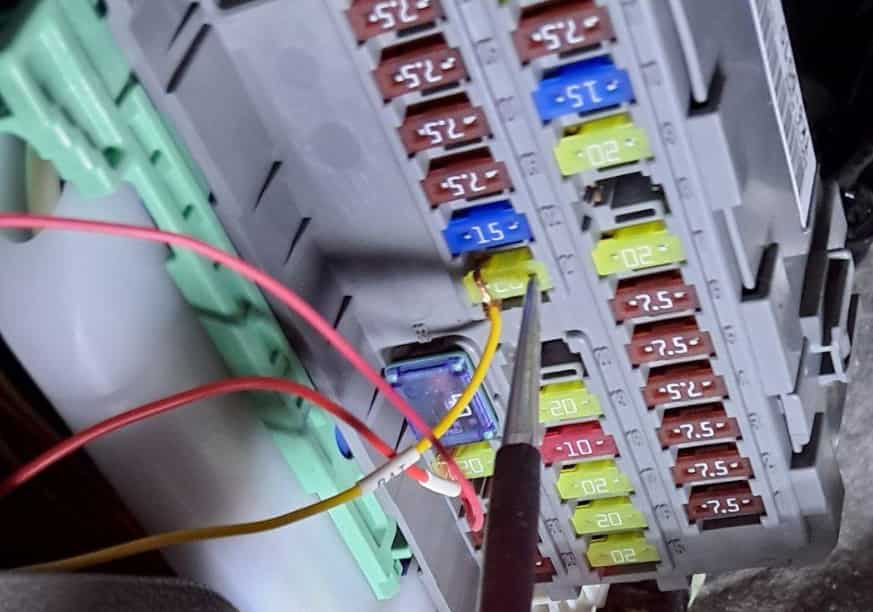
Inspect the main fuse box and check every fuse related to the starting and engine management systems. Replace a blown fuse only once during diagnosis. If the replacement fuse fails again, stop testing and locate the short circuit before installing another fuse. Repeated fuse failure almost always indicates damaged wiring or a faulty electrical component.
Next, inspect the wiring harness for loose connectors, broken insulation, or signs of overheating. Pay close attention to areas near the battery, starter, and engine compartment. Repair damaged wiring before replacing other parts. A healthy electrical circuit allows every starting component to operate as designed.
Can an Engine Timing or Compression Problem Prevent Starting?
Engine timing and compression play a critical role in the combustion process. Even if the battery, starter, fuel system, and ignition system work correctly, the engine cannot start without proper mechanical timing and cylinder compression.
A timing problem often develops after a worn timing belt or timing chain slips out of position. Valve timing then falls out of sync with piston movement. As a result, the engine may crank faster than normal but never begin combustion. In severe cases, internal engine damage may occur if valves contact the pistons.
Low compression creates similar symptoms. Worn piston rings, damaged valves, or a failed head gasket reduce the pressure needed for combustion. The engine may crank normally, but each cylinder produces too little compression to ignite the air and fuel mixture. Drivers often notice hard starting, reduced power, or excessive oil consumption before complete failure occurs.
Perform a compression test only after checking the battery, starter, fuel system, and ignition system. If compression remains below specification, inspect the engine timing and internal components. Mechanical repairs usually require specialized tools and technical experience. A complete diagnosis prevents unnecessary replacement of electrical parts when the real fault exists inside the engine.
How Should You Diagnose a Honda Odyssey That Will Not Start?
A logical diagnostic process saves time and prevents unnecessary repairs. Start with the simplest inspections before moving to advanced testing. This approach reduces guesswork and helps identify the real cause more quickly.
Begin by identifying the exact symptom. Determine whether the vehicle has no electrical power, clicks, cranks slowly, or cranks normally without starting. This single observation immediately narrows the list of possible faults.
Next, inspect the battery, battery terminals, and ground cables. Measure battery voltage and verify that every connection remains clean and secure. Then check the main fuses, starter relay, and starter operation. If the engine still does not start, scan the vehicle for diagnostic trouble codes and review the live sensor data.
Continue by testing fuel pressure and ignition spark. If both systems operate correctly, inspect the crankshaft position sensor, camshaft position sensor, and immobilizer system. Finish the diagnosis with compression and engine timing tests if every previous inspection passes. Following this sequence eliminates common faults first and prevents unnecessary parts replacement.
How Can You Jump Start a Honda Odyssey Safely?
A jump start provides a temporary solution when a discharged battery prevents the engine from starting. However, you should always determine why the battery lost power after the engine starts. Ignoring the root cause often leads to another no start condition.
Position both vehicles close enough for the jumper cables to reach without allowing them to touch. Turn off the ignition and all electrical accessories before connecting the cables. Attach the positive cable to both positive battery terminals first. Then connect the negative cable to the donor battery and a suitable metal ground on the Honda Odyssey.
Start the donor vehicle and allow it to run for several minutes. Then attempt to start the Honda Odyssey. If the engine starts, disconnect the cables in the reverse order and allow the engine to continue running. This gives the charging system time to restore battery voltage.
Never jump start a battery that appears swollen, cracked, frozen, or leaking. Replace a damaged battery immediately because it can fail without warning. After a successful jump start, test both the battery and charging system to confirm that the original problem has been resolved.
What Should You Do if Your Honda Odyssey Will Not Start After Replacing the Battery?
A Honda Odyssey may fail to start even after installing a new battery. The new battery solves only one part of the starting system. Another faulty component may still prevent the engine from starting.
Begin by checking the battery terminals. Make sure both cables fit tightly and remain free of corrosion. Next, confirm that the new battery is fully charged. Some replacement batteries lose charge during storage and require charging before installation.
If your Odyssey uses a smart key system, verify that the key fob battery still works correctly. Some owners also need to reset the power windows, radio settings, or other electronic features after reconnecting the battery. These procedures do not usually affect engine starting, but they help restore normal vehicle operation.
If the engine still does not start, continue with a complete diagnosis. Check the starter, ignition system, fuel system, and engine control module instead of assuming the new battery is defective.
Does Cold Weather Make a Honda Odyssey Harder to Start?
Cold weather places extra stress on every part of the starting system. Low temperatures reduce battery capacity and increase engine oil thickness. The starter motor must work harder because the engine requires more force to turn.
Older batteries often fail during the first cold mornings of winter. A battery that performs normally in warm weather may lose enough capacity to prevent the engine from starting. Cold temperatures also slow chemical reactions inside the battery, which reduces available starting power.
Use the correct engine oil grade recommended by Honda during cold weather. Keep the battery fully charged and inspect the terminals before winter begins. If the battery is more than a few years old, have it tested before temperatures drop. Preventive maintenance greatly reduces the risk of a cold weather no start condition.
Do Honda Odyssey Model Years Have Different Starting Problems?
Different Honda Odyssey model years may experience different starting issues. However, most no start conditions still involve the battery, starter, fuel system, or ignition system. The basic diagnostic process remains the same regardless of model year.
Older models often develop problems caused by normal wear. Battery cables, starters, ignition switches, and wiring harnesses become less reliable as the vehicle ages. High mileage also increases the chance of fuel pump and sensor failures.
Newer models include more electronic control systems. Smart key technology, push button start systems, immobilizers, and additional control modules introduce more possible failure points. A professional scan tool often speeds up diagnosis because it can detect communication and control module faults.
Always review the service history before replacing parts. Previous repairs, aftermarket accessories, and battery replacements sometimes contribute to recurring starting problems.
How Much Does It Cost to Fix a Honda Odyssey That Will Not Start?
Repair costs depend on the failed component and local labor rates. Simple repairs usually cost much less than major electrical or mechanical work. An accurate diagnosis helps avoid replacing parts that still function correctly.
A battery replacement usually ranks among the most affordable repairs. Replacing battery terminals, fuses, or relays also costs relatively little. Starter motors, alternators, fuel pumps, and ignition switches generally require a higher investment because they involve more labor and more expensive parts.
Major engine repairs cost the most. Low compression, timing chain damage, or internal engine failure often requires extensive disassembly. These repairs should follow a complete diagnosis because incorrect assumptions can become very expensive.
Request a diagnostic inspection before approving major repairs. Spending a small amount on testing often prevents unnecessary parts replacement and reduces the total repair cost.
When Should You Call a Professional Mechanic?
Some starting problems require specialized tools and technical knowledge. If basic inspections do not identify the fault, professional testing saves time and reduces frustration.
Contact a qualified mechanic if the vehicle stores multiple fault codes, repeatedly blows fuses, or shows signs of electrical damage. You should also seek professional help if the engine has low compression or suspected timing problems. These conditions require advanced testing procedures that most owners cannot perform at home.
Do not continue replacing parts without confirming the fault. Random repairs increase costs and rarely solve complex electrical or mechanical problems. A systematic diagnosis identifies the failed component and restores reliable vehicle operation.
How Can You Prevent Future Honda Odyssey Starting Problems?
Regular maintenance remains the best way to prevent starting problems. Small inspections often reveal worn components before they cause a complete breakdown.
Test the battery at regular service intervals and clean the battery terminals whenever corrosion appears. Replace spark plugs according to Honda’s maintenance schedule and inspect the charging system if the battery repeatedly loses power. Address warning lights as soon as they appear because early repairs often prevent larger problems.
Drive the vehicle regularly whenever possible. Long periods without use allow the battery to discharge and increase the risk of corrosion. Keeping the electrical and ignition systems in good condition improves long term reliability and reduces unexpected no start situations.
Frequently Asked Questions
Why does my Honda Odyssey click but not start?
A clicking sound usually indicates a weak battery, loose battery connections, or a faulty starter motor. Begin by testing the battery and inspecting the battery terminals before replacing other parts.
Why does my Honda Odyssey crank but not start?
A crank no start condition often points to a fuel delivery problem, ignition failure, sensor fault, or immobilizer issue. Scan the vehicle for fault codes and test both fuel pressure and ignition spark before replacing components.
Can a bad alternator cause a no start problem?
Yes. A failed alternator cannot recharge the battery while the engine runs. After the battery becomes discharged, the vehicle may no longer have enough power to start.
How do I know if the starter or battery is bad?
A weak battery usually causes slow cranking or repeated clicking. A failed starter often produces a single click or no cranking even when the battery remains fully charged. Testing battery voltage and starter voltage helps identify the failed component.
Should I replace the battery before diagnosing the problem?
No. Always test the battery first. Many no start conditions result from loose connections, faulty starters, damaged wiring, or fuel system problems rather than a failed battery.
Conclusion
A Honda Odyssey that will not start does not always need an expensive repair. In many cases, a weak battery, loose battery terminals, or a faulty starter causes the problem. However, fuel delivery issues, ignition failures, sensor faults, and mechanical engine problems can produce similar symptoms. Identifying the exact symptom before replacing parts is the fastest way to reach the correct diagnosis.
Start with the basic inspections first. Check the battery, inspect the cable connections, verify the fuses, and listen to how the engine responds when you try to start it. Then continue with fuel system, ignition system, and sensor testing if the simple checks do not reveal the cause. This step by step approach reduces repair costs and prevents unnecessary parts replacement.
If your Honda Odyssey still refuses to start after completing these tests, schedule a professional inspection. Advanced diagnostic equipment can identify electrical, mechanical, and engine control faults that are difficult to detect at home. A complete diagnosis restores reliable starting performance and helps prevent the same problem from returning.