Your Honda Civic represents reliability, efficiency, and long term value. However, every Civic needs regular maintenance to deliver consistent performance. One of the most important services you should understand is the Honda Civic Oil Change.
Engine oil keeps your vehicle running smoothly. It reduces friction between moving parts, controls engine temperature, and helps prevent internal damage. Fresh oil allows your engine to work efficiently and maintain strong performance on the road.
Many Civic owners have questions about oil maintenance. They often wonder which oil type they should use, how often they need an oil change, and how much the service will cost. These decisions can become confusing, especially with different Honda Civic generations and engine options available.
Ignoring regular oil changes can create serious problems. Old oil loses its protective ability and may increase engine wear. Incorrect oil selection can also affect fuel economy and overall performance.
This Honda Civic Oil Change guide explains everything you need to know about proper oil maintenance. You will learn about recommended oil types, oil capacity, replacement intervals, service costs, and DIY oil change steps. With the right knowledge, you can protect your Honda Civic engine and avoid unnecessary repair expenses.
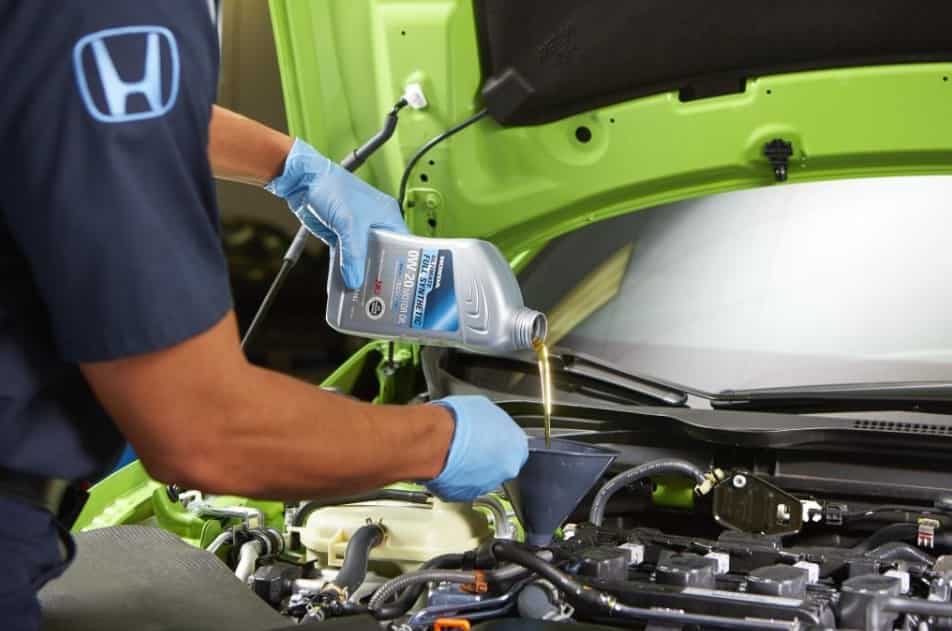
Honda Civic Oil Change Overview: Why Regular Maintenance Matters
A Honda Civic Oil Change is one of the simplest ways to protect your vehicle’s engine and maintain reliable performance. Engine oil works as a protective layer between moving parts inside the engine. It reduces friction, removes heat, and helps internal components operate smoothly during daily driving.
When you drive your Honda Civic, the engine creates extreme pressure and heat. Without proper lubrication, metal parts can rub against each other and create unnecessary wear. Clean engine oil helps reduce this stress and allows the engine to deliver consistent power.
Regular oil maintenance also supports better fuel efficiency. Old or contaminated oil forces the engine to work harder. As a result, your Civic may consume more fuel and lose some of its smooth driving characteristics. A timely oil change helps the engine maintain its designed performance.
Many Honda Civic owners focus only on mileage when planning maintenance. However, driving conditions also affect oil quality. Frequent short trips, heavy traffic, extreme temperatures, and aggressive driving can reduce oil life faster than normal highway driving.
A neglected Honda Civic Oil Change can create expensive problems over time. Dirty oil may cause increased engine deposits, reduced lubrication, and premature component wear. Small maintenance delays can eventually lead to major repair costs.
Following the recommended oil change schedule helps you avoid these issues. It also protects your investment and keeps your Honda Civic ready for everyday driving. Whether you own an older Civic or a newer model with advanced engine technology, proper oil care remains essential for long term reliability.
What Type of Oil Does a Honda Civic Need?
Choosing the correct oil type plays an important role in every Honda Civic Oil Change. The right engine oil helps your Civic maintain smooth performance, improve efficiency, and protect important engine components. Honda recommends specific oil grades based on each model year, engine type, and driving condition.
Most modern Honda Civic models use 0W-20 engine oil. This low viscosity oil helps the engine start easily in colder temperatures and improves fuel efficiency. Many newer Civic models use advanced engines that require this oil grade to achieve the best balance between performance and economy.
Some older Honda Civic models may use different oil viscosities, such as 5W-20 or 5W-30. The correct choice depends on the engine design and manufacturer recommendations. Always check your owner’s manual before selecting oil for your vehicle.
The numbers on an oil label describe its viscosity performance. The first number shows how the oil performs in cold temperatures, while the second number represents its thickness at operating temperature. A proper viscosity level helps the engine receive consistent lubrication in different conditions.
Using the wrong oil type can affect engine performance. Incorrect viscosity may reduce fuel economy, increase engine stress, or prevent the oil from flowing properly during startup. Choosing the recommended oil keeps the engine operating within its designed conditions.
For most newer Honda Civic vehicles, full synthetic oil provides excellent protection. Synthetic oil handles high temperatures better and maintains its performance for longer periods. It also helps protect turbocharged engines, which create more heat and pressure than traditional naturally aspirated engines.
A quality Honda Civic Oil Change requires more than simply adding new oil. You need the correct viscosity, proper oil quality, and the right amount of oil for your specific model. These factors work together to support engine durability and reliable performance.
Synthetic vs Conventional Oil for Honda Civic
When planning a Honda Civic Oil Change, many owners wonder whether they should choose synthetic oil or conventional oil. Both options can lubricate the engine, but they provide different levels of protection, performance, and durability.
Synthetic oil uses advanced refining processes to create a cleaner and more stable lubricant. It contains specially designed molecules that help reduce friction and protect engine parts under extreme conditions. This makes synthetic oil a popular choice for modern Honda Civic models.
Conventional oil comes from crude oil refining. It can provide basic engine protection and works well for some older vehicles. However, it does not handle high temperatures or long service intervals as effectively as synthetic oil.
Full synthetic oil offers several advantages for Honda Civic owners. It flows better during cold starts, maintains stability in high heat, and helps reduce engine deposits. These benefits become especially important for drivers who experience heavy traffic, frequent short trips, or extreme weather conditions.
Turbocharged Honda Civic models can benefit even more from synthetic oil. Turbo engines generate additional heat and pressure, which places more demand on the lubricant. A high quality synthetic oil helps protect turbo components and maintain consistent engine performance.
The higher cost of synthetic oil often concerns some drivers. However, the extra protection and longer performance may provide better value over time. Spending slightly more on quality oil can help reduce the risk of expensive engine repairs.
A Honda Civic Oil Change with synthetic oil can support better engine health and long term reliability. Most newer Civic models work best with full synthetic oil that meets Honda’s recommended specifications. Always check your owner’s manual to confirm the correct oil requirement for your specific vehicle.
Choosing the right oil is an important part of responsible vehicle ownership. The best option depends on your Honda Civic model, driving habits, climate, and maintenance goals.
Honda Civic Oil Capacity and Oil Filter Information
Understanding oil capacity is an important part of a successful Honda Civic Oil Change. Adding the correct amount of oil helps the engine maintain proper lubrication and prevents potential performance issues. Too little oil can increase friction, while too much oil can create pressure problems inside the engine.
Honda Civic oil capacity varies depending on the model year, engine type, and configuration. A Civic with a naturally aspirated engine may require a different amount of oil compared with a turbocharged model. For this reason, you should always check your owner’s manual before adding new oil.
Most modern Honda Civic models require several quarts of engine oil during a complete oil change with filter replacement. However, the exact amount depends on the specific engine. Checking the oil level after the change helps confirm that the engine has the correct oil volume.
The oil filter plays an equally important role in engine protection. During operation, engine oil collects small particles and contaminants. The oil filter removes these impurities before the oil circulates through the engine again.
Replacing the oil filter during every Honda Civic Oil Change helps maintain clean lubrication. Installing a new filter also prevents old contaminants from mixing with fresh oil. This simple step supports better engine performance and longer component life.
Some vehicle owners focus only on choosing premium oil but ignore the quality of the oil filter. A poor quality filter may reduce filtration performance and affect oil circulation. Using a reliable filter from Honda or a trusted manufacturer provides better protection.
Checking for oil leaks should also become part of your maintenance routine. After completing an oil change, inspect the drain plug, oil filter area, and engine surface for signs of leakage. Early detection can prevent larger mechanical problems.
A proper Honda Civic Oil Change requires the right oil type, correct oil capacity, and a quality oil filter. These three elements work together to keep your engine clean, efficient, and ready for everyday driving.
How Often Should You Change Oil in a Honda Civic?
Knowing the right oil change interval helps you protect your Honda Civic engine and maintain reliable performance. Many drivers only consider mileage when planning maintenance, but several factors can affect how quickly engine oil loses its effectiveness.
Modern Honda Civic models usually use full synthetic oil, which provides longer protection compared with conventional oil. In many cases, owners can follow the maintenance schedule recommended by Honda. However, your actual driving habits and conditions can change how often you need a Honda Civic Oil Change.
The Honda Maintenance Minder system helps drivers monitor oil life. This system analyzes driving conditions and displays a percentage that shows the remaining oil life. When the system reaches a low percentage, it alerts you that your vehicle needs service.
Drivers who frequently travel on highways may achieve longer oil intervals because the engine operates at stable temperatures. However, city driving creates different conditions. Frequent stops, heavy traffic, and short trips can increase engine stress and reduce oil life.
Extreme weather can also affect oil performance. Very cold temperatures may make oil flow slower during startup. High temperatures can increase thermal stress and accelerate oil breakdown. Regular maintenance becomes even more important when driving in challenging conditions.
Many experts recommend checking your owner’s manual and following Honda’s maintenance recommendations. Avoid waiting too long after the maintenance reminder appears. Delayed oil changes can allow contaminants to build up and reduce engine protection.
A consistent Honda Civic Oil Change schedule offers several benefits. It helps maintain fuel efficiency, supports smooth engine operation, and reduces the chance of costly repairs. Regular oil maintenance remains one of the easiest ways to extend the life of your Honda Civic.
Honda Civic Oil Change Cost: Dealer vs Shop vs DIY
The cost of a Honda Civic Oil Change depends on where you choose to service your vehicle and what type of oil you use. Understanding your options helps you make a smarter decision based on your budget, time, and maintenance preferences.
A Honda dealership usually provides the highest level of service. Certified technicians understand Honda vehicles and follow manufacturer guidelines during maintenance. Dealership service may include additional inspections, genuine Honda parts, and detailed maintenance records. However, this convenience often comes with a higher price.
Independent repair shops usually offer a more affordable option. Many experienced mechanics can complete a Honda Civic Oil Change at a lower cost while still providing quality service. The final price depends on the shop’s labor rates, oil selection, and replacement filter quality.
A DIY oil change provides the lowest direct cost because you only pay for materials. You need engine oil, an oil filter, basic tools, and safety equipment. Although this option requires more time and effort, many Honda Civic owners enjoy the control and savings that come with performing maintenance themselves.
The type of oil also affects the total cost. Full synthetic oil generally costs more than conventional oil because it provides better protection and longer performance. However, the additional cost can be worthwhile because quality oil helps protect important engine components.
Many owners forget to consider long term savings. Regular oil changes can reduce engine wear, maintain fuel efficiency, and prevent expensive repairs. Spending money on proper maintenance today can help you avoid larger expenses in the future.
Before choosing a service option, consider your experience, available time, and maintenance goals. A dealership may suit owners who prefer professional service. An independent shop may work well for drivers who want value. A DIY approach may be ideal for owners who enjoy working on their vehicles.
Regardless of your choice, a proper Honda Civic Oil Change remains one of the most valuable maintenance investments you can make for your vehicle.
How to Perform a Honda Civic Oil Change Yourself: Step by Step Guide
Performing a Honda Civic Oil Change at home can help you save money and understand your vehicle better. Many Civic owners choose the DIY approach because the process does not require advanced mechanical skills. With the right tools and careful preparation, you can complete this maintenance task safely.
Before starting, prepare all necessary tools and materials. You will need the correct engine oil, a compatible oil filter, a drain pan, a socket wrench, a funnel, gloves, and safety equipment. You should also check your owner’s manual to confirm the recommended oil type and capacity for your specific Civic model.
Start by parking your Honda Civic on a flat surface. Allow the engine to warm slightly because warm oil flows more easily during draining. However, avoid working with extremely hot oil because it can cause burns.
Secure the vehicle before going underneath. Use proper safety equipment and never rely only on a hydraulic jack. Safety should always come first during any DIY maintenance project.
Locate the drain plug under the engine and place the drain pan below it. Remove the drain plug carefully and allow the old oil to drain completely. Take your time during this step because leftover old oil can reduce the effectiveness of the new lubricant.
Next, remove the old oil filter and install a new one. Apply a small amount of fresh oil to the filter gasket before installation. This helps create a proper seal and makes future removal easier.
After replacing the drain plug and installing the new filter, add the recommended amount of fresh engine oil. Use a funnel to prevent spills and check the oil level with the dipstick after a few minutes.
Start the engine and allow it to run briefly. Check underneath the vehicle for leaks around the drain plug and oil filter area. If everything looks normal, reset the Honda Maintenance Minder system and record the service date.
A DIY Honda Civic Oil Change can become a simple and rewarding maintenance routine. However, accuracy matters. Using the correct oil, replacing the filter properly, and following safety procedures will help protect your engine and maintain long term reliability.
Common Honda Civic Oil Change Mistakes to Avoid
A Honda Civic Oil Change may seem like a simple maintenance task, but small mistakes can affect engine performance and reliability. Many problems happen because owners use incorrect products, skip important steps, or delay routine service. Understanding these common mistakes helps you protect your vehicle and avoid unnecessary repair costs.
One common mistake involves choosing the wrong oil type. Every Honda Civic engine has specific oil requirements based on its design and model year. Using an incorrect viscosity or lower quality oil may reduce lubrication performance and affect engine efficiency. Always check the owner’s manual before purchasing engine oil.
Another mistake involves ignoring the oil filter. Some drivers only replace the oil and keep the old filter to save money. However, an old filter can contain contaminants that reduce oil cleanliness. Replacing the filter during every oil change helps maintain proper engine protection.
Overfilling the engine with oil is another issue that many owners overlook. Adding too much oil can create excessive pressure and affect engine operation. Always follow the recommended oil capacity and check the oil level after completing the service.
Waiting too long between oil changes can also create problems. Engine oil becomes less effective as it collects dirt and experiences heat cycles. Delaying maintenance may increase friction and accelerate engine wear.
Some drivers forget to check for leaks after completing an oil change. A loose drain plug or incorrectly installed filter can allow oil to escape. A quick inspection after service can help identify problems before they become serious.
Failing to reset the Honda Maintenance Minder system creates another common issue. The system helps track oil life and future maintenance needs. Resetting it after an oil change ensures that your vehicle provides accurate service reminders.
A successful Honda Civic Oil Change requires attention to detail. By avoiding these mistakes, you can maintain better engine performance, improve reliability, and extend the life of your vehicle.
Honda Civic Oil Change by Model Year
A Honda Civic Oil Change can vary depending on the model year, engine type, and vehicle generation. Honda has produced many Civic models with different engines and maintenance requirements. Understanding these differences helps owners choose the correct oil and follow the right service routine.
Honda Civic 10th Generation (2016 to 2021)
The 10th generation Honda Civic introduced modern engine technology, including efficient naturally aspirated engines and turbocharged options. Many models use 0W-20 full synthetic oil to support fuel efficiency and engine protection.
Turbocharged Civic models require careful oil maintenance because the turbo system creates additional heat and pressure. Using high quality synthetic oil helps protect turbo components and supports consistent performance.
Owners of 10th generation Civic models should follow Honda’s recommended maintenance schedule and monitor the Maintenance Minder system. Regular oil changes help maintain the smooth driving experience that this generation is known for.
Honda Civic 11th Generation (2022 and Newer)
The 11th generation Honda Civic continues Honda’s focus on efficiency, reliability, and advanced engineering. Many models use refined engine designs that require proper lubrication to maintain performance.
Modern Civic engines benefit from high quality synthetic oil because it provides better protection during different driving conditions. Drivers who experience frequent city traffic or extreme temperatures should pay close attention to oil maintenance.
The latest Civic models also include advanced maintenance monitoring technology. The system helps owners understand when their vehicle needs service based on driving patterns rather than mileage alone.
Older Honda Civic Models
Older Honda Civic models may require different oil specifications compared with newer generations. Some vehicles use different viscosity grades depending on engine design and operating conditions.
Owners of older Civics should avoid choosing oil based only on price. The correct oil type and regular maintenance schedule play an important role in protecting aging engine components.
Regardless of the model year, every Honda Civic benefits from proper oil care. Understanding your vehicle’s specific requirements helps you complete a more effective Honda Civic Oil Change and maintain dependable performance for many years.
Frequently Asked Questions About Honda Civic Oil Change
How often should I change oil in my Honda Civic?
Most Honda Civic owners should follow the maintenance schedule recommended by Honda. Modern Civic models often use full synthetic oil and rely on the Maintenance Minder system to calculate oil life. Your driving habits, climate, and road conditions can affect how often you need an oil change.
What is the best oil for a Honda Civic?
The best oil for a Honda Civic depends on the model year and engine type. Many newer Civic models use 0W-20 full synthetic oil because it provides excellent protection and supports fuel efficiency. Always check your owner’s manual for the correct specification.
How many quarts of oil does a Honda Civic take?
Honda Civic oil capacity depends on the engine configuration and model year. Different engines require different amounts of oil. Always confirm the correct capacity before performing a Honda Civic Oil Change.
Can I change Honda Civic oil myself?
Yes, many Honda Civic owners can complete an oil change at home with basic tools and proper preparation. A DIY oil change can save money and provide valuable knowledge about your vehicle. However, you should follow safety procedures and use the correct oil and filter.
Does Honda Civic require synthetic oil?
Many newer Honda Civic models benefit from full synthetic oil. Synthetic oil provides better protection against heat, friction, and engine stress. It also works well with modern engines that require advanced lubrication performance.
How much does a Honda Civic Oil Change cost?
The cost depends on the service location, oil type, and replacement parts. Dealerships usually charge more because they provide certified service and manufacturer support. Independent shops and DIY maintenance often provide more affordable options.
What happens if I delay a Honda Civic Oil Change?
Delaying an oil change can increase engine wear and reduce lubrication quality. Old oil may not protect internal components effectively, which can affect performance and long term reliability. Regular maintenance helps prevent expensive engine problems.
Should I replace the oil filter during every oil change?
Yes, replacing the oil filter during every Honda Civic Oil Change is recommended. A new filter removes contaminants and helps keep fresh oil clean as it circulates through the engine.
Conclusion
A Honda Civic Oil Change remains one of the most important maintenance tasks for protecting your vehicle and maintaining long term performance. The right oil type, proper oil capacity, and regular service schedule help your engine operate smoothly in different driving conditions.
Choosing the correct engine oil requires understanding your Civic model, engine design, and maintenance needs. Full synthetic oil often provides strong protection for modern Honda Civic engines, especially for drivers who face heavy traffic, extreme temperatures, or demanding driving conditions.
Regular oil changes also help you avoid common problems such as reduced fuel efficiency, increased engine wear, and expensive repairs. Whether you visit a dealership, choose a trusted repair shop, or complete a DIY service, consistent maintenance creates better results over time.
Your Honda Civic represents a valuable investment, and proper oil care helps protect that investment. By following recommended maintenance intervals and using quality products, you can enjoy a smoother driving experience and keep your vehicle reliable for many years.
Have you completed a Honda Civic Oil Change recently? Do you prefer professional service or a DIY approach? Share your experience and maintenance tips to help other Civic owners make better decisions.