The Dodge 3.6 coolant temperature sensor is located near the thermostat housing on the 3.6L Pentastar V6 engine. The sensor measures coolant temperature and sends data to the Engine Control Module (ECM).
The ECM uses this information to control fuel delivery, ignition timing, and cooling fan operation. A correct temperature reading helps the engine maintain proper performance and efficiency.
Finding the coolant temperature sensor location helps drivers and technicians diagnose cooling system problems. Common issues include overheating, incorrect temperature readings, poor fuel economy, and check engine lights.
Many Dodge vehicles use the 3.6L Pentastar engine. These include the Dodge Charger, Challenger, Durango, Journey, and Grand Caravan. Most models have a similar coolant sensor position, but access can vary depending on engine bay design.
The coolant temperature sensor is a small component with an important role. A faulty sensor can send incorrect temperature information to the ECM. This can affect engine management and cooling system operation.
This guide explains the Dodge 3.6 coolant temperature sensor location. It also covers identification, testing methods, failure symptoms, and replacement steps.
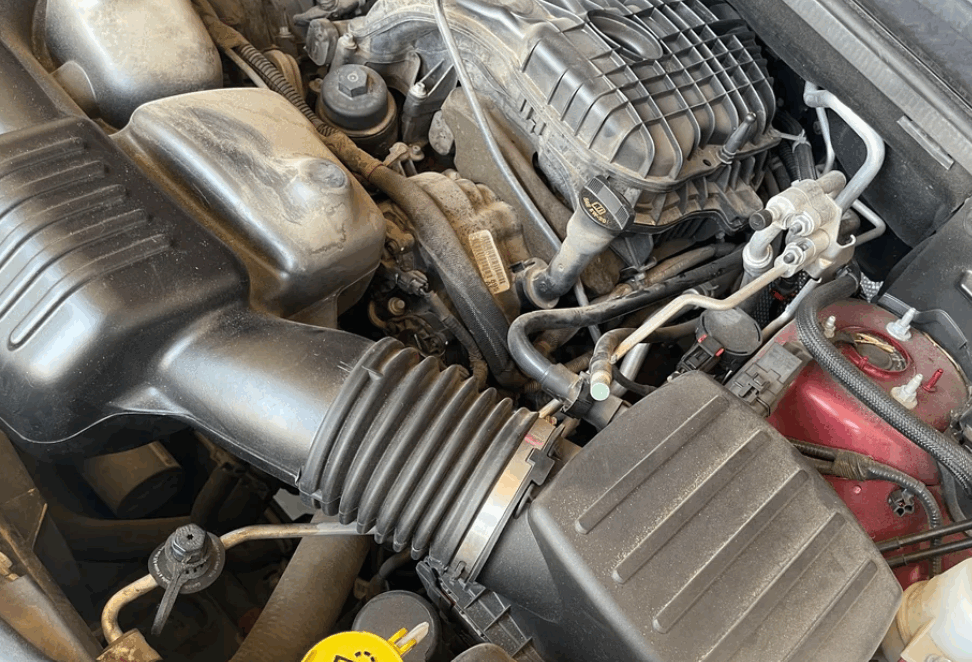
Where Is the Coolant Temperature Sensor Located on a Dodge 3.6?
The Dodge 3.6 coolant temperature sensor is located near the thermostat housing and coolant outlet area on the 3.6L Pentastar V6 engine. The sensor sits in the engine coolant passage and measures the temperature of the coolant flowing through the system. The Engine Control Module uses this data to adjust engine operation based on current temperature conditions.
On most Dodge vehicles with the 3.6L Pentastar engine, the coolant temperature sensor connects directly to the coolant outlet housing near the front area of the engine. The exact access point depends on the vehicle model and engine bay layout. For example, the Dodge Charger and Challenger provide a different access angle compared with the Dodge Durango or Grand Caravan because of their body design.
To locate the sensor, look for a small electrical connector attached to a threaded sensor body near the thermostat housing. The connector usually has a locking tab and a wiring harness that connects back to the engine control system. The sensor is not located on the radiator because it measures engine coolant temperature before the coolant reaches the radiator.
Before removing the sensor, allow the engine to cool completely. The cooling system holds pressure when the engine is hot, and opening the system too early can cause coolant leaks or burns. Proper identification helps prevent replacing the wrong component, especially because the thermostat housing and other cooling system parts sit close to the sensor location.
How Can You Identify the Dodge 3.6 Coolant Temperature Sensor?
The Dodge 3.6 coolant temperature sensor has a simple design, but identifying the correct component is important before inspection or replacement. The sensor usually has a compact body with a threaded metal or plastic housing and a two wire electrical connector. This connector sends temperature signals from the sensor to the Engine Control Module.
The easiest way to identify the sensor is to follow the coolant passage near the thermostat housing. The coolant temperature sensor connects directly to the engine cooling system because it needs direct contact with engine coolant. It does not connect to the radiator or coolant reservoir because those locations do not provide the same temperature measurement point.
The electrical connector is another key identification point. The connector usually includes a locking clip that keeps the wiring secure during engine operation. A damaged connector, loose connection, or corroded terminal can create the same symptoms as a failed sensor. Checking the wiring before replacing the sensor prevents unnecessary repairs.
The coolant temperature sensor can also be confused with other engine components. The thermostat controls coolant flow, while the temperature sensor only measures coolant temperature. The oil pressure sensor, camshaft position sensor, and other engine sensors have different locations and connector designs.
A correct identification process saves time during diagnosis. Before testing or replacing the sensor, confirm the component location, connector type, and connection condition. This ensures the repair targets the actual cause of the cooling system problem.
Which Dodge Vehicles Use the 3.6L Coolant Temperature Sensor Location?
The 3.6L Pentastar V6 engine appears in several Dodge vehicles, and many of these models use a similar coolant temperature sensor location. The sensor placement stays close to the thermostat housing and coolant outlet because the engine requires an accurate coolant temperature reading for proper operation.
The Dodge Charger 3.6L and Dodge Challenger 3.6L use the Pentastar engine platform with a similar cooling system design. These vehicles place the coolant temperature sensor in an accessible engine area, although surrounding components can affect how easily technicians reach the sensor.
The Dodge Durango 3.6L and Dodge Journey 3.6L also use the same engine family. Their larger engine compartments provide different access conditions compared with the sedan and coupe models. Technicians may need to remove additional covers or components to reach the sensor connector and housing.
The Dodge Grand Caravan 3.6L uses the same Pentastar V6 architecture. However, the minivan layout creates different working space around the engine. The sensor location remains similar, but the replacement process may require additional preparation.
Although these vehicles share the same 3.6L engine design, the exact repair procedure depends on the model year and engine configuration. Always confirm the vehicle specifications before ordering a replacement sensor or beginning repairs. Checking the engine code, production year, and cooling system layout helps ensure the correct diagnosis and repair process.
What Are the Symptoms of a Bad Dodge 3.6 Coolant Temperature Sensor?
A bad Dodge 3.6 coolant temperature sensor can create incorrect temperature information for the Engine Control Module. The ECM depends on accurate coolant temperature data to control fuel mixture, ignition timing, and cooling fan operation. When the sensor sends incorrect signals, the engine may not receive the correct adjustments.
One common symptom is an inaccurate temperature reading on the dashboard or through an OBD II scanner. The engine may show a cold temperature even after driving, or it may report an unusually high temperature without actual overheating. These incorrect readings can indicate that the coolant temperature sensor has lost accuracy.
A faulty sensor can also trigger the Check Engine Light. Common diagnostic trouble codes related to coolant temperature sensor problems include P0115, P0116, P0117, and P0118. These codes indicate issues with the sensor circuit, performance range, voltage input, or voltage output.
Poor fuel economy is another possible symptom. When the ECM receives incorrect temperature information, it may adjust the air fuel mixture incorrectly. A cold engine reading can cause the system to add more fuel than necessary, which increases fuel consumption.
Cooling fan problems can also appear when the sensor fails. The ECM uses coolant temperature data to determine when the cooling fan should activate. A faulty signal can cause delayed fan operation or unnecessary fan activation.
Recognizing these symptoms helps identify a coolant temperature sensor problem early. Testing the sensor and checking the wiring connection can confirm whether the component requires replacement or whether another cooling system issue causes the symptoms.
How Do You Test a Dodge 3.6 Coolant Temperature Sensor?
Testing a Dodge 3.6 coolant temperature sensor helps determine whether the sensor has failed or another cooling system component causes the problem. A proper diagnosis checks the sensor signal, electrical connection, and actual coolant temperature before replacement.
The first step is scanning the vehicle with an OBD II scanner. The scanner can display stored trouble codes and live coolant temperature data from the Engine Control Module. Codes such as P0115, P0116, P0117, and P0118 can indicate a coolant temperature sensor circuit problem.
The next step is comparing the scanner reading with the actual engine temperature. When the engine is cold, the coolant temperature reading should match the surrounding air temperature. After the engine warms up, the temperature reading should increase smoothly. A sudden change, incorrect reading, or unrealistic temperature value can indicate a sensor problem.
Electrical testing provides another way to check the sensor condition. A technician can measure sensor resistance and compare the result with manufacturer specifications. The resistance should change as coolant temperature changes because the sensor uses temperature dependent electrical resistance to measure heat levels.
The wiring connector should also receive inspection during diagnosis. A loose connector, damaged wire, or corrosion on the terminals can interrupt the sensor signal. These issues can create symptoms similar to a defective sensor.
Testing the Dodge 3.6 coolant temperature sensor before replacement prevents unnecessary repairs. A complete diagnosis confirms whether the sensor, wiring, or another cooling system component requires attention.
How Do You Replace the Coolant Temperature Sensor on a Dodge 3.6?
Replacing the Dodge 3.6 coolant temperature sensor requires careful preparation because the sensor connects directly to the engine cooling system. A correct replacement process prevents coolant leaks, electrical problems, and incorrect temperature readings after installation.
The first step is allowing the engine to cool completely. The cooling system operates under pressure when the engine reaches normal operating temperature. Opening the system while it remains hot can release pressurized coolant and create a safety risk.
After the engine cools, inspect the coolant level and prepare the required tools. The replacement process usually involves disconnecting the electrical connector, removing the old sensor, installing the new sensor, and checking the coolant level after completion. Some models may require additional access steps because engine bay layouts differ between Dodge vehicles.
Before installing the new sensor, compare it with the original component. The connector shape, sensor design, and thread specifications should match the replacement part. Installing an incorrect sensor can cause inaccurate temperature readings and engine management problems.
After installation, reconnect the electrical connector securely and inspect the area for coolant leaks. Start the engine and monitor the coolant temperature data with an OBD II scanner if available. The temperature reading should increase gradually as the engine reaches normal operating temperature.
A proper replacement restores accurate coolant temperature monitoring. However, if the same symptoms continue after replacement, inspect the wiring, thermostat, cooling system, and Engine Control Module because the sensor may not be the only possible cause.
What Is the Difference Between a Coolant Temperature Sensor and Thermostat on a Dodge 3.6?
The coolant temperature sensor and thermostat perform different functions in the Dodge 3.6L Pentastar cooling system. The coolant temperature sensor measures coolant temperature, while the thermostat controls coolant flow between the engine and radiator. Both components affect engine temperature, but they operate in different ways.
The coolant temperature sensor works as an electronic monitoring device. It sends temperature information to the Engine Control Module, which uses the data to manage fuel delivery, ignition timing, and cooling fan operation. When the sensor fails, the ECM may receive incorrect temperature information and make incorrect engine adjustments.
The thermostat works as a mechanical valve inside the cooling system. It stays closed when the engine is cold to help the engine reach operating temperature faster. When the coolant reaches the designed temperature range, the thermostat opens and allows coolant to flow through the radiator.
A failed coolant temperature sensor usually creates electrical symptoms. These symptoms include incorrect temperature readings, Check Engine Light warnings, poor fuel economy, and cooling fan problems. A failed thermostat usually creates temperature control problems, such as engine overheating, slow warm up, or an engine that runs below normal temperature.
Because these components are located near the same cooling system area, they are often confused during diagnosis. Checking the symptoms and performing proper testing helps identify whether the problem comes from the sensor, thermostat, or another cooling system component.
How Can You Prevent Coolant Temperature Sensor Problems on a Dodge 3.6?
Preventing Dodge 3.6 coolant temperature sensor problems starts with maintaining the complete cooling system. The sensor depends on stable coolant conditions and a reliable electrical connection to provide accurate temperature information to the Engine Control Module.
Maintaining the correct coolant level is one of the most important steps. Low coolant levels can reduce the sensor’s ability to measure engine temperature accurately. Low coolant can also increase the risk of overheating, which may damage cooling system components.
Regular coolant service helps protect the sensor and other cooling components. Old or contaminated coolant can create corrosion inside the cooling passages and affect components connected to the cooling system. Following the recommended coolant replacement interval helps maintain proper system performance.
Inspecting the sensor connector and wiring can prevent electrical problems. Moisture, corrosion, damaged wires, or loose connections can interrupt the signal between the coolant temperature sensor and the ECM. A quick visual inspection during routine maintenance can identify these problems before they create warning lights or drivability issues.
Preventing engine overheating also protects the coolant temperature sensor. Overheating places additional stress on the thermostat housing, coolant passages, and electrical components. Checking for coolant leaks, monitoring temperature changes, and addressing cooling system problems early helps maintain reliable engine operation.
A properly maintained cooling system allows the Dodge 3.6 coolant temperature sensor to provide accurate readings. Regular inspections reduce the chance of incorrect temperature signals and unnecessary sensor replacement.
Conclusion
The Dodge 3.6 coolant temperature sensor is located near the thermostat housing and coolant outlet area on the 3.6L Pentastar V6 engine. This sensor plays an important role in engine temperature management because it provides coolant temperature data to the Engine Control Module.
A correct diagnosis requires more than locating the sensor. Drivers and technicians should also check the sensor connector, wiring condition, diagnostic trouble codes, and actual coolant temperature readings. Symptoms such as overheating warnings, incorrect temperature readings, poor fuel economy, and Check Engine Light activation can come from a faulty sensor or another cooling system problem.
Replacing the coolant temperature sensor can restore accurate temperature monitoring when the component has failed. However, proper testing should always come before replacement because wiring issues, thermostat problems, or coolant system failures can create similar symptoms.
Maintaining the Dodge 3.6 cooling system through regular coolant checks, leak inspections, and electrical connector inspections helps protect the sensor and other engine components. A reliable coolant temperature sensor supports better engine performance, proper fuel control, and effective cooling system operation.