Buying a three row SUV is a major decision because reliability can determine whether your vehicle becomes a trusted family companion or an expensive ownership burden. Many drivers choose SUVs for their space, comfort, and versatility, but long term dependability is often the most important factor before making a purchase. This leads to one common question among potential buyers: Are Honda Pilots Reliable?
The Honda Pilot has built a strong reputation as a practical midsize SUV that combines family friendly design with Honda’s history of engineering durable vehicles. With a spacious cabin, powerful V6 engines, advanced safety features, and comfortable driving experience, the Pilot has become a popular choice for families looking for a dependable daily vehicle.
However, like any SUV, the Honda Pilot is not completely free from problems. Some model years have experienced specific issues, while maintenance habits and ownership history can greatly affect long term reliability. Understanding common repairs, expected lifespan, ownership costs, and the best model years can help buyers make a smarter decision.
In this complete guide, we will explore Honda Pilot reliability in detail, including how long these SUVs can last, common Honda Pilot problems, maintenance expenses, and whether a used Honda Pilot is worth buying.
How Reliable Is the Honda Pilot?
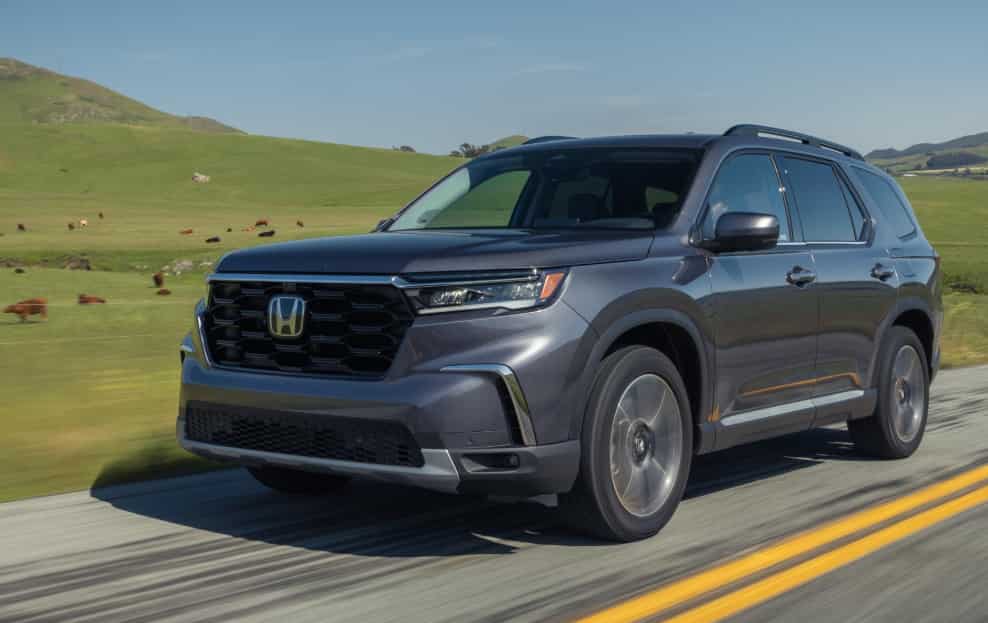
The Honda Pilot has built a strong reputation among midsize SUVs because it offers durability, comfort, and practical features for families. Many buyers choose a three row SUV for daily driving and long trips. However, reliability remains one of the biggest concerns before making a purchase. This is why many people search for the answer to one important question: Are Honda Pilots Reliable?
Honda Pilots are generally reliable vehicles with a proven track record. Most models use a naturally aspirated V6 engine that delivers smooth power and strong durability. With proper maintenance, many Honda Pilot owners keep their vehicles for more than 200,000 miles. Regular oil changes, fluid checks, and scheduled services help the SUV maintain long term performance.
The Honda Pilot also benefits from a simple and practical mechanical design. Honda uses proven technology instead of adding unnecessary complexity. This approach helps owners manage repair costs and reduces the chance of unexpected problems over time.
However, reliability depends on several factors. The model year, maintenance history, and driving habits all affect the vehicle’s condition. Some Honda Pilot generations have reported issues with transmissions, electronics, and specific components. Buyers should check service records and research individual years before purchasing a used model.
Overall, the Honda Pilot remains a dependable choice in the midsize SUV market. It combines strong engine performance, family friendly space, and reasonable ownership costs. For drivers who maintain their vehicle properly, a Honda Pilot can deliver many years of reliable service.
How Many Miles Can a Honda Pilot Last?
One of the biggest concerns for SUV buyers is long term durability. A vehicle may look attractive and offer impressive features, but its true value depends on how well it performs after years of ownership. When drivers ask Are Honda Pilots Reliable, they often want to know one thing: how many miles can they expect from this SUV?
A well maintained Honda Pilot can often reach 200,000 miles or more. Many owners continue driving their Pilots beyond this mileage because Honda builds its engines and major components with long term durability in mind. Some high mileage examples have exceeded 250,000 miles when owners followed proper maintenance schedules and addressed small issues before they became major problems.
The Honda Pilot’s longevity comes from several important factors. Its V6 engine provides strong performance without relying on complex turbocharging systems found in some newer SUVs. This design helps reduce potential repair concerns as the vehicle ages. The transmission, suspension system, and other mechanical components can also deliver many years of service when owners perform regular maintenance.
Maintenance plays a major role in extending a Honda Pilot’s lifespan. Regular oil changes, transmission fluid replacements, brake inspections, tire rotations, and timely repairs help protect the vehicle’s performance. Drivers who ignore routine services may experience expensive problems much earlier.
Driving habits also affect how long a Honda Pilot lasts. Vehicles that handle heavy towing, aggressive driving, or harsh weather conditions may require more frequent repairs. In contrast, a carefully driven Pilot with a complete service history can remain dependable for many years.
Overall, the Honda Pilot offers impressive longevity compared with many midsize SUVs. With proper care, it can provide reliable transportation for well over a decade, making it a strong choice for families seeking a durable and practical vehicle.
Common Honda Pilot Problems You Should Know
Although the Honda Pilot has a strong reputation for reliability, no vehicle is completely free from problems. Understanding common issues can help buyers make better decisions, especially when shopping for a used model. A reliable SUV still requires proper maintenance, and knowing potential repair concerns can prevent unexpected expenses.
One of the most discussed Honda Pilot problems involves transmission performance in certain model years. Some owners have reported symptoms such as rough shifting, hesitation, or unusual vibrations during acceleration. Honda improved transmission systems over time, but buyers should always inspect service records before purchasing an older Pilot. Regular transmission fluid changes can also help maintain smoother operation.
Electrical issues represent another area that some Honda Pilot owners have experienced. Problems may include malfunctioning sensors, infotainment glitches, battery drain, or warning lights appearing on the dashboard. These issues do not affect every vehicle, but they can become frustrating if they continue without proper diagnosis.
The suspension system can also develop wear as the vehicle accumulates mileage. Components such as shocks, struts, and bushings naturally experience stress from daily driving. Owners may notice a rougher ride, unusual noises, or reduced handling performance when these parts need replacement.
Fuel economy is another concern for some drivers. The Honda Pilot provides strong V6 performance and plenty of interior space, but its size and weight mean it consumes more fuel than smaller SUVs. Buyers who prioritize maximum fuel efficiency should consider whether the Pilot matches their driving needs.
Despite these potential concerns, most Honda Pilot problems are manageable with regular maintenance and timely repairs. A well cared for Pilot can still provide excellent reliability and long term value. Before buying a used model, drivers should check maintenance history, inspect the vehicle carefully, and choose a model year with a strong reliability record.
Honda Pilot Reliability by Generation
The Honda Pilot has gone through four generations since its introduction, and each generation offers different strengths and weaknesses. Understanding the reliability of each Honda Pilot generation helps buyers choose a model that matches their budget, expectations, and long term ownership goals.
First Generation Honda Pilot (2003 to 2008)
The first generation Honda Pilot introduced a new option for families who wanted SUV space with Honda’s reputation for durability. It used a 3.5 liter V6 engine that provided strong performance and good reliability for its time. Many early Pilot models remain on the road today because of their simple design and durable mechanical components.
However, age is now the biggest concern with these vehicles. Many first generation Pilots have high mileage, which means buyers should carefully inspect important components such as the transmission, suspension, and timing belt system. A well maintained example can still offer dependable service, but neglected vehicles may require expensive repairs.
Second Generation Honda Pilot (2009 to 2015)
The second generation Pilot improved comfort, interior space, and overall driving quality. Honda updated the exterior design and added more technology while keeping the reliable V6 engine. Many owners consider this generation one of the strongest choices for used SUV buyers.
Some models experienced transmission related complaints, but regular maintenance can help reduce potential issues. Buyers should focus on vehicles with complete service records because maintenance history often matters more than mileage alone.
Third Generation Honda Pilot (2016 to 2022)
The third generation brought a more modern design, improved fuel efficiency, advanced safety features, and better interior technology. It became more competitive against rivals such as the Toyota Highlander and Kia Telluride.
While this generation offers excellent comfort and features, some owners reported electronic issues and infotainment problems. These concerns usually do not affect overall reliability, but buyers should test all systems before purchasing a used model.
Fourth Generation Honda Pilot (2023 and Newer)
The latest Honda Pilot features a redesigned platform, improved styling, and updated technology. It offers better driving dynamics and a more rugged design, especially with the TrailSport trim.
Because this generation is still relatively new, long term reliability data remains limited. However, Honda’s history and continued use of the proven V6 engine provide confidence for future durability.
Overall, every Honda Pilot generation has unique advantages. Buyers searching for the best balance between price and reliability often prefer well maintained examples from later years of the second generation or third generation. Careful research and a complete service history remain the most important factors when choosing a dependable Honda Pilot.
Best Honda Pilot Years to Buy
Choosing the right model year plays an important role when shopping for a reliable Honda Pilot. While most Honda Pilots offer strong durability, some years provide a better combination of reliability, features, comfort, and ownership value. Buyers looking for a used Honda Pilot should focus on models with proven performance records and fewer reported issues.
2013 Honda Pilot
The 2013 Honda Pilot is often considered one of the better options in the used SUV market. It offers a practical design, a comfortable interior, and Honda’s dependable 3.5 liter V6 engine. Many owners appreciate its simple mechanical structure and strong long term durability.
This model year also benefits from improved reliability compared with some earlier versions. It provides enough space for families while avoiding some of the complexity found in newer vehicles. Buyers should still check maintenance records because a well serviced example will provide the best ownership experience.
2015 Honda Pilot
The 2015 Honda Pilot represents the final year of the second generation. Honda refined many parts of this generation, making it a popular choice among used SUV buyers. It delivers strong engine performance, a spacious cabin, and a comfortable driving experience.
Many owners choose this model because it combines modern features with proven mechanical components. The vehicle also offers excellent practicality for families who need three rows of seating without paying the price of a newer SUV.
2019 Honda Pilot
The 2019 Honda Pilot stands out because it includes updated technology and improved safety features. Honda refreshed this generation with a more modern infotainment system and additional driver assistance features.
This model provides a good balance between reliability and modern convenience. It gives buyers access to newer features while maintaining Honda’s reputation for long term durability.
2021 Honda Pilot
The 2021 Honda Pilot is another strong choice for buyers who want a newer used SUV. It offers refined driving comfort, advanced safety technology, and a proven V6 engine.
This model works well for families who want modern features without moving into the higher price range of a brand new vehicle.
2022 Honda Pilot
The 2022 Honda Pilot represents the final year of the third generation. It benefits from years of improvements and provides a mature platform with updated features.
Buyers often consider this model because Honda had time to resolve many early generation concerns. It offers strong reliability, excellent interior space, and good resale value.
Overall, the best Honda Pilot years depend on your budget and priorities. Models such as the 2013, 2015, 2019, 2021, and 2022 Honda Pilot provide a strong balance of reliability, comfort, and ownership value. However, a vehicle’s maintenance history remains one of the most important factors when choosing a dependable used SUV.
Honda Pilot Years to Avoid
Although the Honda Pilot has earned a reputation as a reliable midsize SUV, some model years have received more complaints than others. Understanding which Honda Pilot years require extra attention can help buyers avoid unexpected repair costs and make a smarter purchasing decision.
The most important factor when evaluating a used Honda Pilot is not only the model year but also the vehicle’s maintenance history. A well maintained Pilot from a less popular year can perform better than a neglected vehicle from a highly rated year. However, certain generations have reported more common issues that buyers should understand before making a decision.
Early First Generation Honda Pilot Models (2003 to 2005)
The earliest Honda Pilot models introduced a reliable platform, but age has become the biggest concern today. Many examples have high mileage, and older vehicles naturally require more repairs. Buyers should pay close attention to the transmission condition, suspension components, and timing belt replacement history.
A neglected first generation Pilot may require significant maintenance to remain dependable. Before purchasing, drivers should inspect service records and confirm that previous owners completed major maintenance tasks.
2003 to 2004 Honda Pilot
Some early Honda Pilot models received complaints related to transmission performance. Owners reported issues such as shifting problems, hesitation, and unexpected vibrations. While not every vehicle experienced these concerns, buyers should perform a thorough inspection before choosing these years.
A professional pre purchase inspection can reveal potential problems and help buyers understand future repair needs.
2016 Honda Pilot
The 2016 Honda Pilot introduced the third generation with a completely redesigned platform and more advanced technology. While the vehicle offered better comfort and improved features, some early production models experienced issues with electronics, infotainment systems, and transmission behavior.
These problems do not make the 2016 Pilot a poor choice, but buyers should carefully check whether previous owners completed software updates and necessary repairs.
2017 Honda Pilot
The 2017 Honda Pilot improved on many issues from the previous year, but some owners still reported concerns involving electrical systems and interior technology. Buyers should test features such as the touchscreen system, safety sensors, and electronic controls before purchasing.
Overall, there are no Honda Pilot years that every buyer must completely avoid. The condition of the vehicle, maintenance records, and previous ownership often matter more than the year itself. However, shoppers should approach early generation models and certain first year redesigns with extra caution.
For the best ownership experience, buyers should choose a Honda Pilot with regular service history, complete maintenance documentation, and a clean inspection report.
Honda Pilot Maintenance and Ownership Costs
Understanding maintenance expenses is an important part of evaluating Honda Pilot reliability. A vehicle can have a strong reputation, but ownership costs still affect the overall value. For families who plan to keep their SUV for many years, predictable maintenance and reasonable repair expenses can make a significant difference.
The Honda Pilot generally offers affordable maintenance compared with many other three row SUVs. Honda uses widely available parts, and many repair shops have experience working on the Pilot platform. This helps owners manage service costs and reduces the difficulty of finding qualified technicians.
Routine maintenance plays a major role in keeping a Honda Pilot reliable. Owners should follow the recommended service schedule and complete essential tasks on time. Regular oil changes help protect the engine, while transmission fluid changes support smoother shifting performance. Tire rotations, brake inspections, air filter replacements, and fluid checks also help prevent larger problems in the future.
Typical Honda Pilot maintenance costs include several common services. Oil changes usually represent one of the most frequent expenses, while brake replacements, tires, and battery replacements occur less often but require careful budgeting. Major services, such as timing belt replacement on older V6 models, can cost more but are necessary for long term engine protection.
Repair costs can increase as the vehicle ages, especially when components such as suspension parts, sensors, or electronic systems require replacement. However, these expenses are generally predictable when owners maintain the vehicle properly.
Compared with other midsize SUVs, the Honda Pilot offers a good balance between reliability and ownership costs. Vehicles such as the Toyota Highlander, Kia Telluride, and Hyundai Palisade provide strong competition, but the Pilot remains attractive because of Honda’s reputation for durability and strong resale value.
For buyers considering a used Honda Pilot, maintenance history should be a top priority. A vehicle with detailed service records often provides better value than a cheaper model with unknown maintenance. Proper care allows the Honda Pilot to deliver reliable performance while keeping ownership expenses under control.
Honda Pilot vs Other Reliable Three Row SUVs
When choosing a family SUV, reliability is often the most important factor. The Honda Pilot competes with several popular three row SUVs, including the Toyota Highlander, Kia Telluride, and Hyundai Palisade. Each model offers different advantages, but understanding their differences can help buyers choose the right vehicle for their needs.
Honda Pilot vs Toyota Highlander Reliability
The Honda Pilot and Toyota Highlander have earned strong reputations for long term dependability. Both SUVs provide comfortable interiors, strong resale value, and excellent family practicality.
The Honda Pilot stands out with its spacious cabin, smooth V6 engine, and practical storage solutions. Many owners appreciate its simple mechanical design and comfortable driving experience. The Toyota Highlander has a similar reputation and often receives praise for fuel efficiency and hybrid options.
When comparing reliability, both vehicles perform well. The Highlander may appeal more to buyers who prioritize maximum fuel savings, especially with hybrid models. The Honda Pilot attracts drivers who prefer traditional V6 power, a larger interior feel, and Honda’s proven engineering approach.
Honda Pilot vs Kia Telluride Reliability
The Kia Telluride has become a strong competitor because of its premium interior, advanced technology, and attractive pricing. It offers a comfortable ride and impressive features that appeal to modern families.
The Honda Pilot has an advantage in long term reliability history because Honda has produced family SUVs for many years. The Telluride offers excellent value, but its long term durability record is still developing compared with the Honda Pilot.
Buyers who want more luxury features may prefer the Telluride, while those focused on proven reliability may choose the Honda Pilot.
Honda Pilot vs Hyundai Palisade Reliability
The Hyundai Palisade shares many strengths with the Kia Telluride. It provides a high quality interior, advanced safety features, and a smooth driving experience.
The Honda Pilot remains competitive because of its strong reliability reputation, durable engine, and lower long term ownership concerns. Hyundai offers one of the best warranties in the industry, while Honda benefits from decades of reliability experience.
Overall, the Honda Pilot remains one of the strongest choices in the three row SUV segment. The Toyota Highlander may be ideal for fuel conscious buyers, while the Kia Telluride and Hyundai Palisade attract drivers who want more features. However, the Honda Pilot continues to stand out for buyers who value durability, practicality, and long term ownership confidence.
Is a Used Honda Pilot Worth Buying?
Buying a used SUV requires careful research because the right choice can provide years of reliable transportation, while the wrong choice can lead to expensive repairs. For many families, the Honda Pilot remains a popular option because it offers a spacious interior, strong performance, and a reputation for durability. But is a used Honda Pilot worth buying?
For most buyers, the answer is yes. A used Honda Pilot can deliver excellent value when shoppers choose the right model year and verify the vehicle’s maintenance history. Honda’s proven V6 engine, comfortable cabin, and practical three row seating make the Pilot a strong choice for families who need space without sacrificing reliability.
One of the biggest advantages of buying a used Honda Pilot is depreciation savings. New vehicles lose value quickly during the first few years, but used buyers can often get many of the same features at a lower price. A carefully selected Honda Pilot can provide modern safety technology, advanced convenience features, and dependable performance without the cost of a brand new SUV.
However, buyers should consider several factors before making a purchase. Older Honda Pilot models may require more maintenance because of age and mileage. Components such as suspension parts, brakes, tires, and electronic systems may need attention as the vehicle gets older. A complete inspection and service history review can help identify potential problems before purchase.
The Honda Pilot also has some limitations. Its fuel economy is not as impressive as smaller SUVs or hybrid competitors. The vehicle’s larger size can also make parking and city driving more challenging for some drivers.
Overall, a used Honda Pilot is a smart investment for buyers who prioritize reliability, space, and long term value. Choosing a well maintained model from a reliable year can provide many years of comfortable and dependable ownership.
Frequently Asked Questions About Honda Pilot Reliability
Are Honda Pilots reliable vehicles?
Yes, Honda Pilots are generally reliable vehicles with a strong reputation for long term durability. The Pilot uses proven Honda engineering, including a durable V6 engine that can handle high mileage with proper maintenance. Many owners keep their vehicles for more than 200,000 miles by following regular service schedules and addressing repairs early.
How long does a Honda Pilot usually last?
A Honda Pilot can often last between 200,000 and 250,000 miles when owners maintain it properly. Factors such as driving habits, climate conditions, maintenance quality, and previous ownership history can affect its lifespan. Regular oil changes, fluid services, and inspections help extend the vehicle’s durability.
What year Honda Pilot is most reliable?
Several Honda Pilot model years have strong reliability records. Many buyers consider the 2013, 2015, 2019, 2021, and 2022 Honda Pilot among the best options because they offer a balance of proven performance, modern features, and improved reliability.
What Honda Pilot years should you avoid?
Some early Honda Pilot models and certain first year redesigns require extra attention. Older vehicles may have more age related problems, while early versions of newer generations can experience initial production issues. Buyers should focus on maintenance history and vehicle condition instead of avoiding a year based only on reputation.
Is Honda Pilot more reliable than Toyota Highlander?
The Honda Pilot and Toyota Highlander are both reliable three row SUVs. The Highlander has an advantage with fuel efficient hybrid options, while the Pilot offers strong V6 performance and a spacious interior. The better choice depends on individual priorities, including fuel economy, driving preferences, and ownership goals.
Are Honda Pilot repairs expensive?
Honda Pilot repairs are generally reasonable compared with many other midsize SUVs. Routine maintenance costs are predictable, and replacement parts are widely available. However, repair expenses can increase as the vehicle gets older, especially if previous owners ignored maintenance.
Is a used Honda Pilot worth buying?
A used Honda Pilot is worth considering for buyers who need a reliable family SUV with plenty of space and strong long term value. Choosing a well maintained model with complete service records can significantly improve the ownership experience.
Final Verdict: Are Honda Pilots Reliable?
After examining the Honda Pilot’s reliability, lifespan, common problems, maintenance costs, and competition, the answer is clear: Honda Pilots are reliable SUVs for buyers who choose the right model and maintain it properly.
The Honda Pilot stands out because it combines Honda’s reputation for durability with the practicality that families need. Its strong V6 engine, spacious three row interior, comfortable ride, and proven engineering make it a dependable choice for long term ownership. Many Honda Pilot owners enjoy years of trouble free driving, and properly maintained models can often reach 200,000 miles or more.
However, reliability does not mean every Honda Pilot will deliver the same experience. Model year selection, maintenance history, and previous ownership play important roles in determining a vehicle’s condition. Some older models and certain production years have reported issues with transmissions, electronics, or aging components. Buyers should always inspect a used Honda Pilot carefully and review service records before making a purchase.
Compared with other midsize SUVs, the Honda Pilot remains competitive because it offers a strong balance of reliability, comfort, and ownership value. While rivals such as the Toyota Highlander, Kia Telluride, and Hyundai Palisade provide their own advantages, the Pilot continues to attract buyers who want proven durability and family friendly practicality.
For anyone searching for a dependable three row SUV, the Honda Pilot remains a smart option. Choosing a reliable model year and following a consistent maintenance routine can help owners enjoy many years of confident driving.
Ultimately, the question “Are Honda Pilots Reliable?” has a positive answer. With proper care and careful buying decisions, the Honda Pilot can be a trustworthy companion for families, commuters, and long distance travelers.