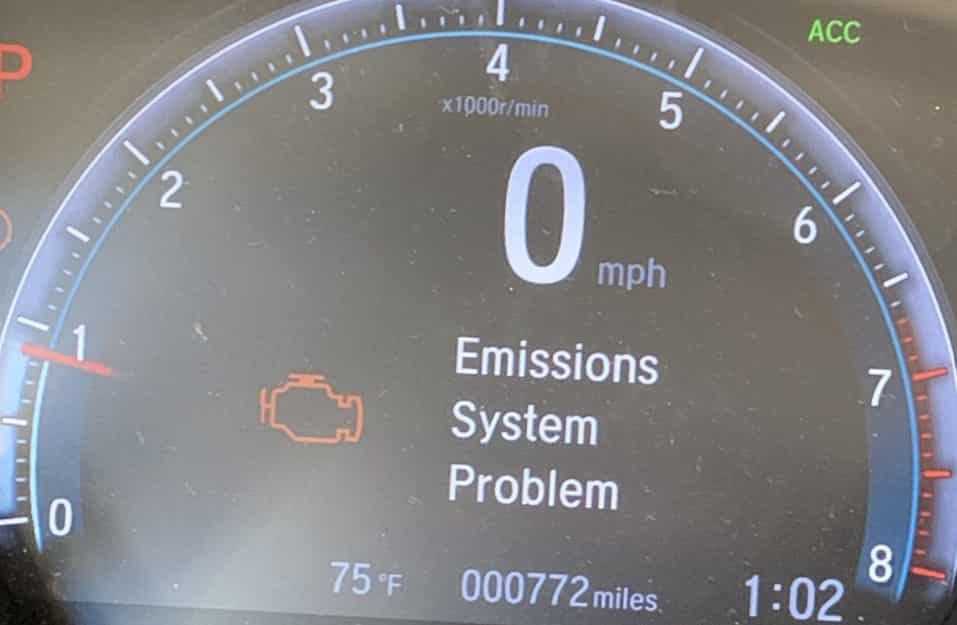
Have you ever started your Honda Pilot and noticed an “Emissions System Problem” warning on the dashboard? This message can worry many drivers because they do not know what it means or how serious the issue is.
A Honda Pilot emissions system problem does not always indicate a major engine failure. Many cases come from simple issues, such as a loose gas cap, a faulty oxygen sensor, or an EVAP system leak. However, ignoring this warning can create bigger problems over time. It may reduce fuel efficiency, increase emissions, and affect vehicle performance.
The emissions system helps your Honda Pilot control harmful gases and maintain proper engine operation. It works with several important components, including sensors, fuel systems, and exhaust parts. When one of these components detects an abnormal reading, the vehicle may display an emissions warning.
Understanding the cause of the problem can help you avoid unnecessary repairs. It can also help you decide whether you need a quick inspection or professional diagnosis.
In this guide, you will discover the most common causes of a Honda Pilot emissions system problem. You will also learn the warning signs, diagnostic steps, repair options, and possible costs. This information will help you find the right solution and keep your Honda Pilot running efficiently.
What Does a Honda Pilot Emissions System Problem Mean?
When your Honda Pilot displays an emissions system problem warning, the vehicle has detected an issue within its emissions control system. This system manages the gases produced during combustion and helps reduce harmful pollutants released into the environment.
The emissions system uses several components to monitor and control engine performance. These parts include oxygen sensors, the EVAP system, the catalytic converter, fuel system components, and the Engine Control Module (ECM). The ECM collects information from different sensors and adjusts engine operation to maintain proper fuel and air balance.
A Honda Pilot emissions system problem usually appears when one component sends an abnormal signal to the ECM. The vehicle then activates the warning message to alert the driver. The problem may come from a small issue, such as a loose fuel cap, or a more complex failure involving sensors or exhaust components.
The EVAP system is one of the most common areas connected to emissions warnings. This system captures fuel vapors from the fuel tank and prevents them from escaping into the atmosphere. A damaged hose, faulty purge valve, or leak in the system can trigger an emissions warning.
Oxygen sensors also play a critical role in emissions control. They measure the oxygen level in exhaust gases and help the ECM adjust the fuel mixture. When these sensors fail, the engine may run inefficiently and produce higher emissions.
The catalytic converter is another important component. It converts harmful gases from the exhaust into less harmful substances before they leave the vehicle. A damaged catalytic converter can affect performance and trigger emissions related warnings.
Understanding how the emissions system works makes it easier to identify potential problems. It also helps Honda Pilot owners avoid unnecessary repairs by focusing on the actual cause of the warning.
Common Causes of Honda Pilot Emissions System Problem
A Honda Pilot emissions system problem can happen for many different reasons. The vehicle relies on multiple sensors and components to control fuel usage, exhaust gases, and engine performance. When one part does not work correctly, the ECM may detect unusual data and display an emissions warning.
Some causes are simple and inexpensive to fix. Others require professional diagnosis and replacement of damaged components. Understanding the most common causes can help you identify the problem faster and avoid unnecessary repairs.
Loose or Damaged Gas Cap
A loose or damaged gas cap is one of the easiest causes to overlook. The gas cap helps seal the fuel system and maintain proper pressure inside the fuel tank. When the cap does not close correctly, fuel vapors can escape and create an EVAP system leak.
The Honda Pilot monitors fuel vapor pressure through the EVAP system. If the system detects an incorrect pressure reading, it may trigger the emissions system problem warning.
Common signs of a gas cap issue include:
• Emissions warning after refueling
• Check engine light appearance
• Fuel vapor smell near the vehicle
• No noticeable change in driving performance
Before visiting a repair shop, check whether the gas cap clicks tightly after refueling. If the warning remains after several driving cycles, the vehicle may have another EVAP related issue.
Faulty Oxygen Sensor
Oxygen sensors help the Honda Pilot maintain the correct air and fuel mixture. These sensors measure the oxygen level in exhaust gases and send information to the ECM.
When an oxygen sensor fails, the ECM may receive incorrect readings. The engine may then use too much or too little fuel. This can increase emissions and reduce fuel efficiency.
A faulty oxygen sensor may cause symptoms such as:
• Poor fuel economy
• Rough engine idle
• Slow acceleration
• Check engine light activation
• Higher exhaust emissions
Many Honda Pilot models use multiple oxygen sensors located before and after the catalytic converter. A diagnostic scan can identify which sensor has failed.
Replacing a faulty oxygen sensor can often restore proper engine operation and improve fuel efficiency.
EVAP System Failure
The EVAP system plays an important role in controlling fuel vapors. It stores gasoline vapors and sends them back into the engine for combustion instead of releasing them into the air.
Several EVAP components can cause a Honda Pilot emissions system problem. These include the purge valve, vent valve, charcoal canister, and vapor hoses.
A damaged EVAP component may create a small or large vapor leak. The ECM detects this problem and activates the warning message.
Common EVAP failure symptoms include:
• Fuel smell around the vehicle
• Difficulty filling the fuel tank
• Emissions warning after refueling
• Check engine light
Some EVAP leaks are difficult to find because they do not affect normal driving performance. Technicians often use a smoke test to locate small leaks in the system.
Catalytic Converter Problems
The catalytic converter is responsible for reducing harmful gases in the exhaust system. It converts pollutants such as carbon monoxide and hydrocarbons into less harmful emissions.
Over time, the catalytic converter can become damaged or clogged. Several factors can cause this problem, including engine misfires, oil contamination, and excessive fuel entering the exhaust system.
A failing catalytic converter may cause:
• Reduced engine power
• Poor acceleration
• Decreased fuel economy
• Strong exhaust odor
• Emissions warning light
A diagnostic code such as P0420 often points to catalytic converter efficiency problems. However, replacing the catalytic converter without identifying the original cause can lead to repeated failures.
Fuel Injector or Fuel System Issues
The fuel system directly affects emissions performance. Fuel injectors must deliver the correct amount of fuel to the engine for efficient combustion.
A damaged fuel injector can create an incorrect fuel mixture. The engine may burn too much fuel or fail to burn fuel completely. Both situations can increase emissions levels.
Possible signs of fuel system problems include:
• Engine hesitation
• Rough acceleration
• Increased fuel consumption
• Poor engine performance
Regular maintenance can help prevent fuel system problems. Using quality fuel and following Honda Pilot service recommendations can reduce the risk of injector related issues.
Exhaust System Leaks
An exhaust leak can also trigger a Honda Pilot emissions system problem. The exhaust system works together with oxygen sensors and the catalytic converter to monitor emissions levels.
When outside air enters the exhaust system through a damaged pipe or connection, oxygen sensor readings may become inaccurate. The ECM may interpret these readings as an emissions problem.
Common exhaust leak symptoms include:
• Loud exhaust noise
• Unusual smells
• Reduced engine performance
• Warning light activation
Small exhaust leaks can become larger problems if drivers ignore them. Early inspection can prevent additional damage to emissions components.
ECU Software or Communication Problems
Modern Honda Pilot models use advanced computer systems to monitor emissions performance. Sometimes, the issue does not come from a damaged mechanical part. The problem may involve software updates or communication errors between electronic components.
A temporary sensor communication problem can cause an emissions warning even when the component works correctly.
A professional technician can check stored diagnostic codes and determine whether the vehicle needs a software update, system reset, or further inspection.
Understanding these common causes helps Honda Pilot owners take the right action when an emissions warning appears. A proper diagnosis can prevent unnecessary part replacements and reduce repair expenses.
Symptoms of Honda Pilot Emissions System Problem
A Honda Pilot emissions system problem can create different symptoms depending on the damaged component. Some drivers only notice a warning message, while others experience changes in vehicle performance, fuel economy, or driving comfort.
The most common symptom is an “Emissions System Problem” warning on the dashboard. The check engine light may also appear when the ECM detects abnormal information from the emissions control system. The vehicle stores diagnostic trouble codes that help identify the source of the issue.
Reduced fuel efficiency is another common sign. A faulty oxygen sensor, EVAP system problem, or fuel system issue can affect the air and fuel mixture. As a result, the engine may use more fuel than normal.
Some Honda Pilot owners may also notice performance problems. These can include rough idling, slow acceleration, engine hesitation, or reduced power. These symptoms often appear when sensors provide incorrect data to the ECM.
A fuel smell near the vehicle may indicate an EVAP leak. Damaged hoses, valves, or vapor control components can allow gasoline vapors to escape.
In some cases, a Honda Pilot emissions system problem can cause a failed emissions inspection. Issues with the catalytic converter, oxygen sensors, or exhaust system may increase harmful emissions.
Recognizing these symptoms early helps prevent more expensive repairs. Proper diagnosis allows drivers to fix the actual problem instead of replacing unnecessary parts.
How to Diagnose Honda Pilot Emissions System Problem
Diagnosing a Honda Pilot emissions system problem requires a careful inspection because many different components can trigger the warning. Replacing parts without proper testing may increase repair costs and fail to solve the actual issue.
Start with simple checks first. Inspect the gas cap and make sure it seals correctly. A loose or damaged gas cap can create an EVAP system leak and activate the emissions warning. You should also consider recent events, such as refueling or battery replacement, because they may provide useful clues.
The next step involves scanning the vehicle with an OBD2 scanner. This tool reads diagnostic trouble codes stored in the ECM. Common emissions related codes include P0440 for EVAP problems, P0455 for fuel vapor leaks, and P0420 for catalytic converter efficiency issues.
These codes help locate the problem area, but they do not always identify the exact failed part. For example, a P0420 code may result from a faulty oxygen sensor or exhaust leak instead of a damaged catalytic converter.
Technicians may also inspect EVAP components, oxygen sensors, and exhaust parts to confirm the cause. Professional testing becomes important when the warning remains active or the vehicle shows performance problems.
A proper diagnosis helps Honda Pilot owners avoid unnecessary repairs and find the correct solution faster.
How to Fix Honda Pilot Emissions System Problem
Fixing a Honda Pilot emissions system problem depends on the component causing the warning. Some issues require simple solutions, while others need professional repairs. Accurate diagnosis helps you choose the right fix and avoid unnecessary expenses.
Start with basic solutions first. Check the gas cap and make sure it creates a proper seal. A loose or damaged gas cap can cause an EVAP system leak and trigger the emissions warning. Replacing the gas cap may solve the problem if no other faults exist.
For more complex issues, technicians may need to repair EVAP system components such as the purge valve, vent valve, or vapor hoses. A smoke test can help locate small leaks that are difficult to detect.
A faulty oxygen sensor may also cause a Honda Pilot emissions system problem. Replacing the damaged sensor can restore accurate air and fuel readings and improve engine efficiency.
If testing confirms a catalytic converter problem, replacement may become necessary. However, technicians should identify the original cause before installing a new converter because other engine issues can damage it again.
Exhaust leaks and software related problems can also trigger emissions warnings. Repairing damaged exhaust parts or updating vehicle software may resolve the issue.
The best way to fix a Honda Pilot emissions system problem is to repair the actual cause instead of replacing parts based only on the warning message.
Honda Pilot Emissions System Problem Repair Cost
The repair cost for a Honda Pilot emissions system problem depends on the failed component, labor rates, and the complexity of the repair. Some fixes cost less than $100, while major repairs can cost more than $2,000.
A simple gas cap replacement is usually the most affordable solution. If the problem comes from a damaged gas cap or a small EVAP leak, the repair may only require a minor replacement or adjustment.
EVAP system repairs usually cost more because technicians need time to locate the leak and test multiple components. Replacing parts such as a purge valve, vent valve, or vapor hose can increase the total repair cost.
Oxygen sensor replacement is another common repair. The cost depends on the sensor location and the Honda Pilot model year. A catalytic converter replacement is usually the most expensive repair because the part itself has a higher price.
Typical repair costs may include:
• Gas cap replacement: $20 to $100
• EVAP system repair: $100 to $600
• Oxygen sensor replacement: $150 to $500
• Catalytic converter replacement: $1,000 to $2,500
These prices are general estimates and can vary by location and repair shop. A proper diagnosis helps prevent unnecessary replacements and reduces overall repair expenses.
Addressing a Honda Pilot emissions system problem early can save money and prevent additional damage to the vehicle’s emissions components.
Can You Drive With Honda Pilot Emissions System Problem?
Many Honda Pilot owners ask whether they can continue driving after seeing an emissions system problem warning. The answer depends on the severity of the issue and how the vehicle behaves.
If your Honda Pilot runs normally and only shows a steady emissions warning, you may be able to drive for a short time. However, you should schedule a diagnosis soon to prevent the problem from becoming worse.
A minor issue, such as a loose gas cap or small EVAP leak, may not immediately affect driving performance. However, ignoring the warning for too long can lead to higher emissions, reduced fuel efficiency, or damage to other components.
You should stop driving and seek professional help if you notice serious symptoms. These symptoms include a flashing check engine light, strong fuel smell, severe power loss, engine misfires, or unusual noises.
A flashing check engine light can indicate a serious engine problem that may damage the catalytic converter. Continuing to drive in this situation can increase repair costs.
The safest approach is to diagnose the Honda Pilot emissions system problem as soon as possible. Early inspection helps identify the cause, protects your vehicle, and prevents expensive repairs in the future.
Conclusion
A Honda Pilot emissions system problem does not always mean your vehicle has a major mechanical failure. In many cases, the warning comes from common issues such as a loose gas cap, EVAP system leak, faulty oxygen sensor, or exhaust related problem.
Understanding the symptoms and possible causes can help you make better repair decisions. A warning message may seem stressful, but proper diagnosis can quickly identify the real issue and prevent unnecessary part replacements.
The best approach is to inspect simple causes first and use diagnostic tools to find stored trouble codes. Professional testing becomes important when the problem involves complex components such as the catalytic converter, fuel system, or electronic control system.
Ignoring an emissions warning can lead to reduced fuel efficiency, higher repair costs, and potential damage to other vehicle components. Taking action early helps maintain your Honda Pilot’s performance and reliability.
Have you experienced a Honda Pilot emissions system problem? Share your Honda Pilot model year and the symptoms you noticed. Your experience may help other drivers understand similar issues and find the right solution.