A 6.7 Cummins lifter replacement solves problems caused by worn or damaged lifters inside the valve train system. These components control the movement between the camshaft and valves. They help the engine maintain proper air intake and exhaust flow during operation.
A failing lifter usually shows clear warning signs. Common symptoms include ticking noises, reduced engine power, rough operation, and unusual valve train sounds. Drivers who ignore these signs may allow the problem to damage other components, including the camshaft and rocker arms.
Replacing lifters requires more than removing old parts and installing new ones. A technician must inspect the entire valve train system to find related damage. The total repair cost depends on parts quality, labor time, and additional repairs needed during the inspection.
This guide explains the symptoms of 6.7 Cummins lifter failure, the causes behind the problem, replacement costs, repair steps, and maintenance practices that help protect engine reliability.
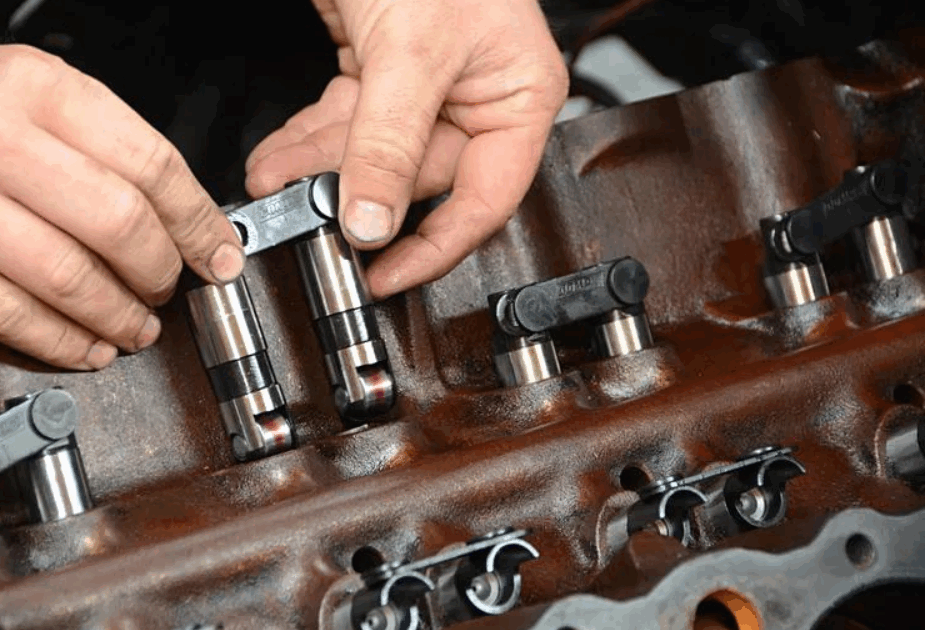
What Are the Symptoms of a Bad 6.7 Cummins Lifter?
A bad 6.7 Cummins lifter creates several noticeable engine problems. The most common symptoms include ticking noise, reduced engine performance, irregular combustion, and increased valve train noise. These signs appear because a damaged lifter cannot maintain proper contact between the camshaft and valve train components.
The first warning sign is usually an abnormal ticking or tapping sound from the engine. A healthy lifter moves smoothly with the camshaft and keeps consistent valve operation. When the lifter wears out, loses internal pressure, or develops roller damage, it creates extra clearance inside the valve train. This clearance produces a noticeable noise, especially during engine startup or low RPM operation.
A failing lifter can also reduce engine performance because it affects valve timing. The camshaft must move the valves at precise intervals to control airflow into and out of the combustion chamber. When a lifter cannot transfer this movement correctly, the engine may experience reduced power, rough running, or slower acceleration.
Another important symptom is possible damage to related valve train components. A damaged lifter can create uneven contact with the camshaft surface. Over time, this friction can wear the camshaft lobe and increase repair costs. Early diagnosis helps prevent a small lifter problem from becoming a larger engine repair.
Can a Bad 6.7 Cummins Lifter Cause Engine Misfire?
A damaged 6.7 Cummins lifter can contribute to engine misfire by disrupting normal valve operation. The engine depends on precise valve movement to maintain proper compression and combustion efficiency. When a lifter fails, the affected cylinder may not receive the correct amount of air or release exhaust gases properly.
Misfire symptoms often include engine vibration, uneven idle, hesitation during acceleration, and reduced fuel efficiency. These symptoms happen because the cylinder cannot complete the combustion process effectively. A lifter problem may not always cause a misfire immediately, but continued operation can increase the risk of additional valve train damage.
Technicians usually inspect the lifter system together with the camshaft, rocker arms, and push rods when diagnosing these symptoms. This inspection helps identify whether the lifter is the main failure point or whether another valve train component has caused the problem.
What Causes 6.7 Cummins Lifters to Fail?
A 6.7 Cummins lifter fails when the component cannot maintain smooth movement between the camshaft and valve train system. The main causes include poor lubrication, extended maintenance intervals, high mileage wear, and damage from related engine components. Understanding these causes helps owners identify risk factors before the failure creates more expensive repairs.
Engine oil quality plays a major role in lifter reliability. The lifter depends on clean oil flow to maintain internal pressure and reduce friction during operation. Contaminated or degraded oil can reduce lubrication efficiency and increase wear on the lifter roller and internal surfaces. Regular oil changes with the correct diesel engine oil help maintain proper valve train operation.
High mileage also increases the chance of lifter wear because the component experiences continuous mechanical movement during engine operation. A 6.7L Cummins engine with extensive use may develop wear on lifter rollers, internal parts, and contact surfaces. This wear reduces the lifter’s ability to follow the camshaft profile correctly.
Can Camshaft Problems Damage 6.7 Cummins Lifters?
Camshaft damage can directly affect lifter performance because both components work together as a matched system. The lifter roller follows the camshaft lobe to transfer movement to the valve train. If the camshaft surface becomes worn or damaged, it can create abnormal pressure and accelerate lifter failure.
A damaged camshaft often develops uneven surfaces, worn lobes, or poor contact areas. These conditions prevent the lifter from moving smoothly and increase friction inside the valve train. When technicians replace failed lifters, they must inspect the camshaft carefully to determine whether both components need replacement.
Poor maintenance can increase the risk of this problem. Low oil pressure, incorrect oil type, or delayed oil changes can reduce protection between moving engine parts. Over time, this lack of protection can cause wear that affects both the lifter and camshaft.
Early inspection is important because replacing only the lifters while leaving a damaged camshaft in place can lead to repeated failure. A complete repair requires checking the entire valve train system to restore reliable engine operation.
How Much Does 6.7 Cummins Lifter Replacement Cost?
The cost of a 6.7 Cummins lifter replacement depends on several factors, including parts prices, labor requirements, engine condition, and additional repairs. A complete lifter replacement is a complex diesel engine repair because technicians must access the valve train system and inspect related components before completing the installation.
The replacement parts usually represent only one part of the total expense. A lifter replacement kit may include new lifters and related components, but the final repair cost can increase if the inspection reveals camshaft wear, damaged rocker arms, or other valve train issues. Replacing damaged supporting components helps prevent repeated failures after the repair.
Labor cost is often the largest part of the repair because accessing the lifters requires significant disassembly. Technicians may need to remove multiple engine components before reaching the lifter assembly. The amount of labor depends on the repair facility, technician experience, and the condition of the engine.
What Factors Affect 6.7 Cummins Lifter Replacement Cost?
Three main factors determine the final replacement cost: parts selection, labor time, and additional engine damage.
Parts quality affects long term reliability. Original equipment manufacturer parts and high quality aftermarket components usually cost more than basic replacement options, but they provide better compatibility with the 6.7 Cummins valve train system.
Labor time changes based on the repair approach and the condition of the engine. A straightforward lifter replacement requires less work than a repair that includes camshaft replacement or additional valve train repairs.
Additional damage can significantly increase the total cost. If a failed lifter damages the camshaft or other internal components, the repair requires more parts and more labor. A complete inspection before replacement helps identify the full repair requirement and prevents unexpected costs later.
How Do You Replace Lifters on a 6.7 Cummins Engine?
A 6.7 Cummins lifter replacement requires careful inspection, proper disassembly, and accurate installation because the lifters operate as part of the engine’s valve train system. The repair process involves accessing the lifter assembly, checking related components, installing new lifters, and confirming that the engine operates correctly after the repair.
The first step involves diagnosing the failure before removing components. A technician checks engine noise, valve train operation, oil condition, and related parts to confirm that the lifters caused the problem. This inspection prevents unnecessary replacement and identifies additional damage that may affect the repair.
Accessing the lifters requires removing several engine components. The technician must follow the correct disassembly procedure to reach the valve train area without damaging surrounding parts. During this stage, the technician also inspects the camshaft, rocker arms, push rods, and other components that work with the lifters.
What Happens During 6.7 Cummins Lifter Installation?
The installation process begins after removing the damaged lifters and confirming that the replacement parts match the engine specifications. New lifters must sit correctly within the valve train system to maintain proper contact with the camshaft and ensure accurate valve movement.
After installation, the technician checks the alignment and operation of the valve train components. Proper installation allows the lifters to transfer camshaft movement efficiently and maintain consistent engine performance.
The final stage includes testing the engine after assembly. The technician monitors engine noise, idle quality, and overall operation to confirm that the lifter replacement solved the original problem. A successful repair restores proper valve movement and reduces the risk of future engine damage.
Because lifter replacement requires detailed mechanical work, many owners choose professional diesel repair services instead of completing the repair without specialized experience. Incorrect installation can create additional valve train problems and increase future repair costs.
Should You Replace the Camshaft With 6.7 Cummins Lifters?
A camshaft inspection should always be part of a 6.7 Cummins lifter replacement because the lifter and camshaft operate together inside the valve train system. The lifter follows the camshaft lobe and transfers movement to the valves. When a lifter fails, the damaged contact between these components can create additional wear on the camshaft surface.
Replacing only the lifters may not solve the problem if the camshaft already has damage. A worn camshaft can prevent new lifters from moving correctly and may cause another failure after the repair. This happens because the new lifters continue working against an uneven or damaged surface.
Technicians inspect the camshaft for several signs of wear before installing new lifters. Common indicators include damaged camshaft lobes, uneven contact patterns, surface scoring, and reduced component movement. These problems show that the camshaft may no longer provide the correct motion required for proper valve operation.
A camshaft replacement becomes necessary when the damage affects the lobe surface or changes the relationship between the camshaft and lifters. Installing new lifters on a damaged camshaft can reduce repair reliability and increase future engine costs.
A complete 6.7 Cummins lifter repair should focus on restoring the entire valve train system. Checking the camshaft, rocker arms, and related components helps ensure that the replacement addresses the original failure instead of treating only the visible symptom.
How Long Does 6.7 Cummins Lifter Replacement Take?
A 6.7 Cummins lifter replacement usually requires significant repair time because technicians must access the internal valve train system before removing and installing the lifters. The total time depends on the engine condition, repair method, technician experience, and whether additional damaged components need replacement.
The repair process takes longer than many external engine repairs because the lifters sit inside the engine assembly. Technicians must remove related components, inspect the valve train, replace damaged parts, and complete final testing after reassembly. Each step requires careful work to prevent installation errors and additional engine problems.
The condition of the camshaft and surrounding components also affects repair time. If the inspection shows that the camshaft, rocker arms, or other valve train parts have damage, the repair requires additional procedures. A simple lifter replacement takes less time than a complete valve train restoration.
Professional repair facilities usually complete the work faster because they have specialized tools, technical experience, and proper diagnostic equipment. A DIY repair may take significantly longer because accessing the lifters requires advanced mechanical knowledge and careful engine disassembly.
The final testing stage is also important after replacement. Technicians check engine operation, listen for abnormal valve train noise, and confirm that the new lifters work correctly with the camshaft. Proper testing ensures the repair restores reliable performance and prevents future failures.
How Can You Prevent 6.7 Cummins Lifter Problems?
Preventing 6.7 Cummins lifter problems requires consistent engine maintenance and early attention to valve train warning signs. The lifters depend on proper lubrication, clean engine oil, and stable operating conditions to maintain smooth movement with the camshaft. Regular maintenance reduces wear and helps protect the entire valve train system.
Engine oil maintenance is one of the most important factors in lifter protection. The lifters use oil pressure to maintain internal operation and reduce friction during engine cycles. Using the correct diesel engine oil and following recommended oil change intervals helps maintain proper lubrication around the lifter and camshaft contact surfaces.
Monitoring unusual engine sounds also helps identify problems before they become severe. A ticking noise, increased valve train sound, or changes in engine performance can indicate early lifter wear. Addressing these symptoms quickly allows technicians to inspect the system before the failure damages more expensive components.
Regular inspections become more important as the engine accumulates higher mileage. Technicians can evaluate the condition of the valve train system, check for abnormal wear, and identify potential issues before they cause major repairs. This approach helps maintain the reliability of the 6.7 Cummins diesel engine.
Proper maintenance does not eliminate every possible lifter failure, but it reduces the main risk factors that contribute to premature wear. A clean lubrication system, timely service, and early diagnosis help extend lifter life and protect related engine components such as the camshaft and rocker arms.
What Should You Know About 6.7 Cummins Lifter Replacement?
A 6.7 Cummins lifter replacement requires a complete understanding of the valve train system because lifter failure often affects more than one engine component. A damaged lifter can create ticking noise, reduce engine performance, and increase the risk of camshaft damage if the problem remains unresolved.
The most important step is accurate diagnosis. Identifying the source of the valve train problem helps determine whether the repair requires only new lifters or additional components such as a camshaft, rocker arms, or related parts. A complete inspection provides a more reliable repair solution and reduces the chance of repeated failures.
The replacement cost depends on several factors, including parts quality, labor requirements, and the condition of the engine. While the repair requires significant work, replacing worn lifters at the right time can protect the long term reliability of the 6.7L Cummins diesel engine.
Proper maintenance remains the best way to reduce lifter problems. Regular oil service, early inspection of unusual engine sounds, and attention to performance changes help protect the valve train system. When owners understand the symptoms, causes, and repair process, they can make better decisions and prevent more expensive engine damage.