If you’ve experienced a vibration that feels like driving over rumble strips, harsh gear changes, or delayed acceleration in your GM vehicle, you’re not alone. Thousands of owners of Chevrolet, GMC, and Cadillac models equipped with GM’s 8-speed automatic transmission have reported similar issues over the years. While the transmission was engineered to improve fuel efficiency, enhance towing capability, and deliver smoother performance, many drivers have encountered problems that can significantly affect both driving comfort and long-term reliability.
The GM 8-speed automatic transmission, including the 8L45 and 8L90 models, is used in a wide range of popular vehicles such as the Chevrolet Silverado, GMC Sierra, Chevrolet Camaro, Tahoe, Suburban, Cadillac Escalade, and several other models. Although these transmissions offer impressive performance under normal conditions, certain design and calibration issues have led to recurring complaints, particularly involving transmission shudder, hard shifting, delayed gear engagement, and torque converter failures.
The good news is that not every transmission issue requires a complete replacement. In many cases, identifying the symptoms early can help prevent more extensive damage and reduce repair costs. Some problems can be resolved through a transmission fluid exchange, software updates, or torque converter replacement, while others may require more comprehensive repairs.
In this guide, we’ll explain the most common GM 8 Speed transmission problems, explore their underlying causes, discuss which vehicles are most affected, compare available repair options and costs, and share practical maintenance tips to help you extend the life of your transmission. Whether you’re experiencing symptoms now or considering purchasing a used GM vehicle equipped with an 8-speed transmission, this article will provide the information you need to make informed decisions.
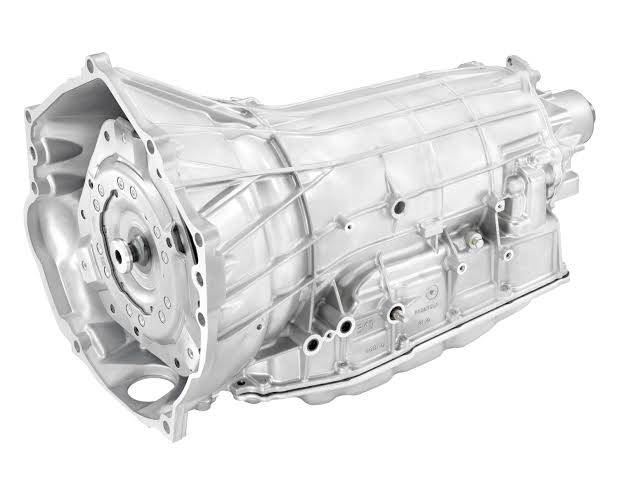
What Is the GM 8-Speed Transmission?
The GM 8-speed automatic transmission is a family of electronically controlled transmissions designed to improve fuel economy while delivering smoother acceleration and better overall performance. Introduced in the mid-2010s, the two most common versions are the 8L45 and 8L90. Although they share a similar design philosophy, the 8L45 is generally paired with smaller engines and lighter vehicles, while the 8L90 is engineered to handle higher torque outputs found in full-size trucks, SUVs, and performance cars.
General Motors installed these transmissions in a wide range of popular models, including the Chevrolet Silverado, GMC Sierra, Chevrolet Tahoe, Chevrolet Suburban, Chevrolet Camaro, GMC Yukon, Cadillac Escalade, Cadillac CTS, and several other rear-wheel-drive and four-wheel-drive vehicles. Their wide adoption made the 8-speed transmission one of GM’s most important drivetrain components during this period.
From an engineering standpoint, adding more gear ratios allows the engine to operate closer to its optimal RPM range. This improves fuel efficiency, enhances acceleration, and provides stronger towing performance compared to older six-speed transmissions. Drivers also benefit from quieter highway cruising because the engine can maintain lower RPMs at higher speeds.
Despite these advantages, the GM 8-speed transmission has developed a reputation for several recurring issues. Many owners have reported abnormal vibrations, rough shifting, hesitation during acceleration, and inconsistent gear changes. While not every transmission experiences these problems, the frequency of owner complaints has made the 8-speed transmission one of the most discussed GM drivetrains in recent years.
Understanding how this transmission operates provides important context for diagnosing potential issues. Many symptoms originate from the interaction between the transmission control module, hydraulic system, clutch packs, and torque converter rather than from catastrophic internal failures. As a result, early diagnosis often leads to less expensive repairs and prevents additional damage.
Common GM 8 Speed Transmission Problems
Although the GM 8-speed transmission is capable of delivering excellent performance under normal operating conditions, certain issues appear more frequently than others. Some problems develop gradually over thousands of miles, while others become noticeable shortly after purchase. Recognizing these symptoms early can help owners reduce repair costs and avoid further drivetrain damage.
Transmission Shudder
Transmission shudder is by far the most widely reported complaint involving GM’s 8-speed automatic transmission. Drivers often describe the sensation as driving across highway rumble strips or small road vibrations, even when the pavement is perfectly smooth. The vibration typically occurs during light acceleration between 25 and 80 mph, especially when the torque converter clutch attempts to engage.
Unlike a wheel balance issue or suspension vibration, transmission shudder usually appears only under specific driving conditions. The vibration may disappear when accelerating aggressively or after the transmission downshifts. Because of this inconsistent behavior, many owners initially suspect tire or drivetrain problems before discovering that the transmission is responsible.
In many cases, contaminated transmission fluid causes the torque converter clutch to slip instead of locking smoothly. The resulting friction creates vibrations that become more noticeable as the transmission fluid deteriorates. If left untreated, prolonged shudder can accelerate wear inside the torque converter and eventually lead to more expensive repairs.
Hard Shifting
Another common complaint is harsh or abrupt shifting between gears. Instead of the smooth transitions expected from a modern automatic transmission, drivers may feel sudden jolts when the vehicle shifts into second, third, fourth, or higher gears. Some owners also report hard downshifts while slowing for traffic lights or approaching intersections.
Hard shifting may occur only when the transmission is cold, but in more severe cases it continues after the vehicle reaches operating temperature. Drivers often describe the sensation as though another vehicle has lightly bumped them from behind during gear changes.
Several factors can contribute to harsh shifting, including outdated transmission software, incorrect clutch pressure, valve body issues, deteriorated transmission fluid, or internal clutch wear. Because multiple components can produce similar symptoms, professional diagnostics are often necessary before replacing parts.
Ignoring hard shifting can increase stress on internal transmission components and accelerate wear of clutch packs, seals, and hydraulic circuits. Addressing the issue early typically results in lower repair costs and helps maintain long-term transmission reliability.
Delayed Gear Engagement
Delayed engagement occurs when the driver shifts from Park into Drive or Reverse, but the transmission hesitates before transferring power to the wheels. Instead of moving immediately, the vehicle may pause for several seconds before engaging the selected gear.
This hesitation can become particularly frustrating during parking maneuvers or when pulling into traffic, where immediate vehicle response is expected. In some cases, the delay is accompanied by a noticeable thump as the transmission finally engages.
Several underlying issues may cause delayed engagement. Low hydraulic pressure, worn internal seals, contaminated transmission fluid, valve body malfunctions, or excessive torque converter wear can all interfere with proper clutch application. Electronic calibration problems within the transmission control module may also contribute to inconsistent engagement timing.
Although an occasional delay may not indicate severe transmission damage, repeated hesitation should never be ignored. Early inspection can identify developing problems before they progress into complete transmission failure, potentially saving owners thousands of dollars in repair expenses.
Jerking During Acceleration
Jerking during acceleration is another symptom frequently reported by owners of vehicles equipped with GM’s 8-speed automatic transmission. Instead of delivering smooth and consistent power, the vehicle may suddenly lurch or hesitate as the transmission shifts between gears. This issue is often most noticeable during light to moderate acceleration, especially in city traffic where frequent gear changes occur.
Drivers may notice the vehicle briefly loses momentum before abruptly regaining power. In some situations, the transmission appears uncertain about which gear to select, causing inconsistent acceleration that reduces driving confidence. The jerking sensation can also occur while maintaining a constant speed if the transmission repeatedly locks and unlocks the torque converter.
Several factors can contribute to this problem. Contaminated transmission fluid, worn clutch packs, software calibration issues, and a failing torque converter are among the most common causes. Electronic sensors that provide inaccurate data to the transmission control module may also result in improper shift timing.
If jerking becomes more frequent, it is important to have the transmission inspected as soon as possible. Continuing to drive with this symptom can place additional stress on internal components and eventually lead to more extensive damage. Addressing the issue early often limits repairs to fluid replacement, software updates, or individual component replacement rather than requiring a complete transmission rebuild.
Gear Hunting
Gear hunting refers to a condition where the transmission repeatedly shifts between two gears because it cannot determine the most appropriate gear for current driving conditions. Instead of holding a steady gear while cruising, the transmission may constantly upshift and downshift, creating an inconsistent driving experience.
This behavior is particularly noticeable when driving on gentle hills, towing a trailer, or maintaining highway speeds with slight throttle input. The constant gear changes can make the vehicle feel unstable and reduce fuel efficiency because the engine continuously changes RPM.
Gear hunting typically results from a combination of transmission calibration, sensor input, hydraulic pressure variations, and torque converter operation. If the transmission control module receives conflicting information about vehicle speed, throttle position, or engine load, it may continuously adjust shift points in an attempt to optimize performance.
While occasional gear changes are normal, persistent gear hunting indicates that the transmission is struggling to operate efficiently. In many cases, manufacturers release updated transmission software to improve shift logic and reduce unnecessary gear changes. If software updates do not resolve the issue, technicians may inspect the valve body, transmission solenoids, or torque converter for mechanical faults.
Ignoring this symptom may accelerate wear on clutch packs and internal friction materials due to the increased number of shift cycles. Early diagnosis helps preserve transmission longevity and improves overall driving comfort.
Torque Converter Failure
The torque converter is one of the most critical components of the GM 8-speed automatic transmission, and it is also one of the most common sources of reported problems. Its primary function is to transfer engine power to the transmission while allowing the vehicle to remain stationary when the engine is idling. Modern torque converters also include a lockup clutch that improves fuel economy by eliminating unnecessary slippage at cruising speeds.
Many of the well-known GM 8-speed transmission problems originate from premature wear of the torque converter clutch. As the clutch material deteriorates, microscopic particles contaminate the transmission fluid, reducing its lubricating properties and interfering with smooth clutch engagement. This contamination often leads to the characteristic transmission shudder that many owners experience.
A failing torque converter may produce several noticeable symptoms beyond vibration. Drivers may experience delayed acceleration, overheating, excessive slipping between gears, reduced fuel economy, unusual noises, or a transmission warning light. In severe cases, internal debris can circulate throughout the transmission, damaging valves, clutch packs, and other hydraulic components.
Repair options depend on the severity of the damage. If diagnosed early, replacing the transmission fluid with the updated specification and installing revised transmission software may temporarily improve performance. However, when the torque converter has suffered significant wear, replacement is generally the most effective long-term solution. If contamination has already spread throughout the transmission, additional repairs or even a complete transmission rebuild may be necessary.
Because torque converter failure often develops gradually, paying attention to early warning signs can save owners thousands of dollars in future repair costs. Routine maintenance, timely fluid service, and prompt diagnosis remain the best strategies for extending the lifespan of the GM 8-speed transmission.
What Causes GM 8 Speed Transmission Problems?
Understanding the root causes of GM 8 Speed transmission problems is essential for choosing the right repair strategy. While many owners experience similar symptoms such as shuddering, hard shifting, or delayed engagement, these issues can originate from several different components working together inside the transmission. In many cases, the problem is not caused by a single defective part but by a combination of fluid degradation, mechanical wear, and software calibration. Identifying the actual cause allows technicians to recommend the most effective solution while avoiding unnecessary repairs.
Fluid Contamination
One of the most common causes of GM 8 Speed transmission problems is contaminated transmission fluid. Automatic transmission fluid serves multiple purposes, including lubricating internal components, cooling the transmission, transferring hydraulic pressure, and allowing clutch packs to engage smoothly. As the fluid ages, it gradually loses its protective properties and becomes contaminated with microscopic metal particles, clutch material, and other debris generated through normal operation.
In the GM 8-speed transmission, contaminated fluid has been closely linked to transmission shudder. As friction material circulates through the hydraulic system, it can interfere with the smooth operation of the torque converter clutch. Instead of locking and unlocking seamlessly, the clutch begins to slip intermittently, producing the vibration that many drivers describe as driving over rumble strips.
Contaminated fluid can also reduce hydraulic pressure throughout the transmission. When pressure becomes inconsistent, shift quality suffers, resulting in delayed gear engagement, harsh shifts, or gear hunting. Over time, excessive contamination accelerates wear on valve body components, shift solenoids, clutch packs, and internal seals.
Routine fluid inspections can help identify contamination before severe damage occurs. Dark fluid, burnt odors, or visible metallic particles are often signs that the transmission requires immediate attention. Addressing fluid contamination early may prevent more expensive repairs later in the transmission’s life.
Incorrect Transmission Fluid
Using the wrong transmission fluid has been another significant contributor to problems experienced by owners of GM vehicles equipped with 8-speed automatic transmissions. Early production models were originally filled with transmission fluid that later proved to be less effective at preventing torque converter clutch vibration under certain operating conditions.
After investigating numerous customer complaints, General Motors introduced an updated transmission fluid specification known as Mobil 1 Synthetic LV ATF HP. This fluid offers improved friction characteristics, greater resistance to heat, and better long-term stability compared to the original formulation. The updated fluid helps reduce torque converter shudder by maintaining more consistent clutch engagement under varying driving conditions.
Unfortunately, simply replacing the fluid with another conventional automatic transmission fluid is not recommended. Each automatic transmission is calibrated to operate with specific friction properties, and using an incompatible fluid can lead to poor shift quality, increased clutch wear, or additional transmission damage.
Many repair facilities now perform a complete fluid exchange rather than a simple drain and refill. This procedure removes most of the contaminated fluid trapped inside the torque converter, cooler lines, and transmission passages before replacing it with the updated fluid specification. While a fluid exchange may significantly improve performance in many cases, it is not always a permanent solution if mechanical wear has already developed.
Torque Converter Wear
The torque converter has become one of the most widely discussed components associated with GM 8 Speed transmission problems. Located between the engine and the transmission, it transfers engine power through hydraulic fluid while allowing the vehicle to stop without stalling the engine. Inside the torque converter is a lockup clutch that engages during cruising to improve fuel efficiency and reduce heat generation.
Over time, repeated engagement and disengagement of the lockup clutch can wear away its friction material. As the clutch surface deteriorates, tiny particles contaminate the transmission fluid and reduce the clutch’s ability to maintain consistent contact. This creates intermittent slipping that eventually develops into the familiar transmission shudder experienced by many GM owners.
As wear progresses, the torque converter may begin generating excessive heat, increasing stress on nearby transmission components. Internal debris can circulate through the hydraulic system, clogging passages, damaging shift solenoids, and accelerating wear on clutch packs and valve body assemblies. In advanced cases, replacing only the transmission fluid is no longer sufficient because the mechanical damage has already occurred.
Common warning signs of torque converter wear include persistent vibration during light acceleration, slipping between gears, delayed engagement when shifting into Drive or Reverse, reduced fuel economy, and occasional overheating. If these symptoms continue after a transmission fluid exchange, technicians often recommend replacing the torque converter before additional transmission damage develops.
Because the torque converter plays such a central role in transmission performance, early diagnosis is critical. Replacing a worn torque converter before contamination spreads throughout the transmission can significantly reduce overall repair costs and help preserve the remaining internal components.
Software Calibration Issues
Not every GM 8 Speed transmission problem is caused by worn mechanical components. In many cases, the transmission itself is in good physical condition, but outdated or incorrect software calibration affects how it operates. Modern automatic transmissions rely heavily on electronic controls, with the Transmission Control Module (TCM) constantly analyzing information from dozens of sensors to determine the ideal shift timing, clutch pressure, and torque converter operation.
If the software calibration is too aggressive or fails to account for certain driving conditions, the transmission may shift too early, too late, or apply excessive clutch pressure. This can lead to hard shifts, hesitation, gear hunting, or even transmission shudder that closely resembles a mechanical failure.
Recognizing the widespread complaints from vehicle owners, General Motors released multiple Technical Service Bulletins (TSBs) and software updates for certain models equipped with the 8L45 and 8L90 transmissions. These updates were designed to improve shift quality, optimize torque converter lockup strategies, and reduce unnecessary clutch slip that contributed to vibration issues.
A software update is often one of the first repair steps recommended by dealerships because it is relatively inexpensive compared to replacing transmission components. However, software alone cannot repair physical wear. If internal damage has already occurred, reprogramming the TCM may improve drivability temporarily but will not eliminate the underlying mechanical problem.
Owners experiencing intermittent transmission symptoms should verify whether their vehicle has received the latest transmission calibration. Updating the software before significant wear develops may help extend transmission life and improve overall driving performance.
Valve Body Problems
The valve body is often described as the brain of an automatic transmission’s hydraulic system. It contains a network of valves, passages, springs, and electronically controlled solenoids that direct transmission fluid to the appropriate clutch packs during each gear change. Every shift depends on precise hydraulic pressure, making the valve body one of the most critical components inside the GM 8-speed transmission.
Over time, contamination from worn clutch material and metal particles can restrict fluid passages or interfere with valve movement. Even a small amount of debris may prevent valves from opening or closing correctly, causing inconsistent hydraulic pressure throughout the transmission.
When the valve body begins to malfunction, drivers may experience delayed shifting, harsh gear engagement, gear hunting, slipping between gears, or unexpected downshifts. In some situations, the transmission may enter a reduced-power or limp mode to protect itself from additional damage.
Faulty shift solenoids can produce similar symptoms because they regulate hydraulic pressure electronically. A sticking solenoid may delay clutch application, while an electrically failed solenoid can prevent the transmission from selecting the correct gear altogether.
Diagnosing valve body problems typically requires advanced scan tools capable of monitoring transmission pressure, shift timing, and solenoid performance in real time. Because many transmission symptoms overlap, replacing the valve body without proper diagnosis can result in unnecessary repair expenses. A thorough inspection helps determine whether cleaning, solenoid replacement, valve body repair, or more extensive transmission service is required.
Internal Clutch Wear and Manufacturing Tolerances
Like every automatic transmission, the GM 8-speed transmission relies on multiple clutch packs to engage and disengage individual gear sets. These clutch packs are made from friction material that gradually wears during normal operation. Although gradual wear is expected over high mileage, some GM 8-speed transmissions have experienced premature clutch deterioration due to a combination of fluid contamination, excessive heat, and repeated torque converter slip.
As clutch material wears away, hydraulic pressure becomes less effective at holding the clutch packs firmly together. This can result in slipping during acceleration, delayed gear engagement, rough shifting, and increased operating temperatures. The worn friction material also contaminates the transmission fluid, creating a cycle that accelerates wear throughout the hydraulic system.
Manufacturing tolerances may also contribute to inconsistent transmission performance. Automatic transmissions are built with extremely precise clearances between valves, clutch drums, seals, and hydraulic passages. Even small variations in these tolerances can influence shift quality, particularly when combined with fluid degradation or software calibration issues. While not every transmission is affected, slight differences in component manufacturing may explain why some vehicles develop problems much earlier than others despite receiving similar maintenance.
As internal wear progresses, repair options become more complex and expensive. Minor symptoms may initially be resolved with updated transmission fluid and software calibration, but severely worn clutch packs generally require transmission disassembly and replacement of damaged components. If multiple internal parts have been affected by contamination or overheating, a complete transmission rebuild or replacement may be the most reliable long-term solution.
Understanding these underlying causes highlights the importance of early diagnosis. Addressing software issues, fluid contamination, or minor component wear before they develop into major internal failures can significantly reduce repair costs and help maximize the service life of the GM 8-speed transmission.
Which GM Vehicles Are Affected?
The GM 8-speed automatic transmission was installed in numerous Chevrolet, GMC, and Cadillac vehicles beginning in the 2015 model year. While not every vehicle equipped with the 8L45 or 8L90 transmission experiences problems, owner complaints have been concentrated among certain models and production years. The frequency of reported issues depends on factors such as vehicle usage, maintenance history, towing demands, driving conditions, and software updates performed throughout the vehicle’s life.
The following table lists some of the most common GM vehicles equipped with the 8-speed automatic transmission.
| Vehicle | Transmission | Common Model Years |
|---|---|---|
| Chevrolet Silverado 1500 | 8L90 | 2015–2019 |
| GMC Sierra 1500 | 8L90 | 2015–2019 |
| Chevrolet Tahoe | 8L90 | 2015–2020 |
| Chevrolet Suburban | 8L90 | 2015–2020 |
| GMC Yukon | 8L90 | 2015–2020 |
| GMC Yukon XL | 8L90 | 2015–2020 |
| Cadillac Escalade | 8L90 | 2015–2020 |
| Chevrolet Camaro V8 | 8L90 | 2016–2019 |
| Chevrolet Camaro V6 | 8L45 | 2016–2019 |
| Cadillac CTS | 8L45 | 2016–2019 |
| Cadillac CT6 | 8L45 / 8L90 | Selected model years |
| Cadillac ATS | 8L45 | Selected model years |
| Chevrolet Colorado | 8L45 | Selected V6 models |
| GMC Canyon | 8L45 | Selected V6 models |
Among these vehicles, the Chevrolet Silverado and GMC Sierra account for a significant portion of reported transmission complaints due to their popularity and high production volumes. Many truck owners first notice transmission shudder while maintaining steady highway speeds or towing moderate loads. Because pickups are frequently used for hauling and towing, transmission components often experience greater stress than those in passenger cars.
Full-size SUVs such as the Chevrolet Tahoe, Suburban, GMC Yukon, and Cadillac Escalade have also generated numerous owner reports involving harsh shifting, delayed engagement, and vibration during light acceleration. These vehicles are commonly driven long distances and often carry heavy passenger or cargo loads, increasing the demands placed on the transmission.
Performance-oriented vehicles such as the Chevrolet Camaro and Cadillac CTS present a different driving profile. Owners frequently report hard shifts during spirited driving or inconsistent behavior during low-speed city driving. While these symptoms may not appear in every vehicle, they have contributed to the GM 8-speed transmission’s reputation across multiple vehicle categories.
It is important to understand that not every vehicle listed above will experience transmission failure. Many owners accumulate well over 100,000 miles with few or no major issues by following proper maintenance schedules, using the correct transmission fluid, and addressing minor symptoms before they become serious mechanical problems.
Can a Transmission Fluid Flush Fix the Problem?
One of the most frequently asked questions from GM owners is whether a transmission fluid flush can permanently eliminate transmission shudder and other shifting issues. The answer depends largely on the underlying cause of the problem and the condition of the transmission at the time of service.
For many vehicles experiencing early-stage transmission shudder, replacing the old transmission fluid with the updated Mobil 1 Synthetic LV ATF HP fluid has produced noticeable improvements. General Motors introduced this updated fluid after determining that the original fluid specification could contribute to torque converter clutch vibration under certain operating conditions. The improved fluid provides better friction stability, improved heat resistance, and more consistent clutch engagement.
A complete fluid exchange differs significantly from a simple drain and refill. During a standard drain and refill, only a portion of the old transmission fluid is removed because a large amount remains inside the torque converter, transmission cooler, and hydraulic passages. A complete fluid exchange replaces nearly all of the old fluid, reducing contamination throughout the entire transmission system.
Many dealerships recommend performing a triple flush procedure or a complete machine-assisted fluid exchange when diagnosing transmission shudder. This process removes contaminated fluid that may contain worn clutch material and microscopic metal particles responsible for poor torque converter performance.
Although a fluid exchange can dramatically improve shift quality in some vehicles, it should not be viewed as a universal solution. If the torque converter clutch has already suffered excessive wear, replacing the fluid alone may provide only temporary relief before symptoms return. Similarly, worn clutch packs, damaged valve body components, or internal hydraulic leaks cannot be repaired by changing the transmission fluid.
Vehicle owners should also avoid delaying repairs after symptoms first appear. Continuing to drive with persistent shudder or harsh shifting may allow contaminated fluid to circulate throughout the transmission, increasing wear on additional components and raising future repair costs.
The most effective repair strategy begins with a thorough diagnosis. If the transmission is mechanically healthy and contamination is the primary issue, a complete fluid exchange combined with updated transmission software may restore smooth operation. However, if significant mechanical wear has already developed, replacing the torque converter or rebuilding the transmission may be necessary to achieve a long-term solution.
How Much Does It Cost to Repair a GM 8-Speed Transmission?
Repair costs for a GM 8-speed transmission can vary significantly depending on the underlying problem, the vehicle model, labor rates in your area, and whether genuine OEM or aftermarket parts are used. Minor issues identified early are typically much less expensive to fix than major internal failures that require a complete transmission overhaul.
The following estimates represent typical repair costs in the United States. Actual prices may vary depending on your location and repair facility.
| Repair Service | Estimated Cost (USD) |
|---|---|
| Diagnostic Inspection | $100–$250 |
| Transmission Fluid Exchange | $250–$500 |
| Transmission Software Update | $100–$300 |
| Transmission Filter Replacement* | $250–$600 |
| Torque Converter Replacement | $1,200–$2,500 |
| Valve Body Replacement | $800–$1,800 |
| Shift Solenoid Replacement | $300–$900 |
| Transmission Rebuild | $3,000–$5,500 |
| Complete Transmission Replacement | $4,500–$8,000+ |
*Some GM 8-speed transmissions require significant disassembly to access the filter, increasing labor costs.
A transmission fluid exchange is usually the least expensive repair and is often recommended when shudder is detected early. If contaminated fluid is the primary cause of the vibration, replacing it with the latest GM-approved transmission fluid may restore smooth operation and prevent further damage.
Once the torque converter begins to fail, repair costs increase considerably. Because the transmission must be removed to replace the converter, labor accounts for a large portion of the total expense. Many repair shops also recommend replacing the transmission fluid, seals, and related components while the transmission is already removed, reducing the likelihood of future issues.
Valve body repairs fall somewhere in the middle of the cost range. Depending on the diagnosis, technicians may replace individual shift solenoids, install a remanufactured valve body, or replace the entire assembly. Accurate diagnostics are essential because symptoms such as harsh shifting or delayed engagement can originate from several different components.
The most expensive repairs involve rebuilding or replacing the transmission. A rebuild includes disassembling the transmission, inspecting all internal components, replacing worn clutch packs, seals, bearings, bushings, and damaged hard parts, then reassembling and testing the unit. Complete replacement is generally recommended when the transmission has suffered catastrophic internal damage or when a remanufactured unit provides better long-term value.
Before approving a major repair, owners should request a detailed diagnosis explaining the root cause of the failure. Replacing expensive components without confirming the source of the problem can result in unnecessary costs and may not permanently resolve the issue.
GM Technical Service Bulletins, Warranty, and Lawsuits
As reports of GM 8 Speed transmission problems increased, General Motors issued multiple Technical Service Bulletins (TSBs) to assist dealerships in diagnosing and repairing customer complaints. Unlike a safety recall, a TSB does not require manufacturers to repair every affected vehicle free of charge. Instead, it provides updated repair procedures, revised diagnostic methods, software calibrations, or replacement part recommendations for dealership technicians.
Several TSBs addressed common symptoms such as transmission shudder, harsh shifting, delayed engagement, and poor shift quality. In many cases, dealerships were instructed to perform a complete transmission fluid exchange using the updated Mobil 1 Synthetic LV ATF HP fluid before considering more extensive mechanical repairs. Additional bulletins introduced revised transmission control module calibrations intended to improve torque converter clutch operation and shift timing.
Many owners reported significant improvements after receiving these updates, particularly when the problems were identified early. However, vehicles with advanced mechanical wear often required additional repairs, including torque converter replacement or transmission rebuilding.
Warranty coverage depends on the vehicle’s model year, mileage, maintenance history, and the terms of the original factory warranty or any extended protection plan. Owners experiencing transmission problems while still covered under warranty should contact an authorized GM dealership as soon as possible and request a complete diagnostic inspection. Maintaining service records can be beneficial when discussing warranty eligibility or goodwill assistance.
In addition to dealership repairs, GM’s 8-speed transmission has been the subject of multiple consumer complaints and legal actions in North America. Some owners alleged that transmission defects resulted in persistent shudder, rough shifting, and reduced vehicle value. While legal proceedings have varied depending on jurisdiction and individual circumstances, these cases have increased public awareness of the transmission’s known issues.
If you are purchasing a used GM vehicle equipped with an 8-speed transmission, it is wise to review the vehicle’s service history. Documentation showing transmission fluid exchanges, software updates, or torque converter replacement may indicate that known issues have already been addressed, potentially reducing the likelihood of future repairs.
How to Prevent GM 8 Speed Transmission Problems
Although no transmission is completely immune to wear, proper maintenance and driving habits can significantly reduce the risk of major failures. Preventive care is almost always less expensive than repairing a damaged transmission, particularly when early symptoms are addressed before they become serious mechanical issues.
One of the most important maintenance practices is following the recommended transmission fluid service interval. Even though some manufacturers describe transmission fluid as long-life or lifetime fluid, real-world driving conditions such as frequent towing, stop-and-go traffic, mountain driving, and extreme temperatures can accelerate fluid degradation. Periodic fluid inspections and timely replacement help maintain proper lubrication and hydraulic performance.
Using only GM-approved transmission fluid is equally important. The updated Mobil 1 Synthetic LV ATF HP fluid was specifically developed to improve clutch performance and reduce the likelihood of transmission shudder. Mixing incompatible fluids or using products that do not meet GM specifications can negatively affect shift quality and increase internal wear.
Drivers should also pay close attention to unusual transmission behavior. Minor vibrations, delayed engagement, harsh shifts, or unexpected gear changes often appear long before serious mechanical damage occurs. Scheduling a professional inspection when these symptoms first develop can prevent contamination from spreading throughout the transmission.
Avoiding excessive heat is another effective way to extend transmission life. High operating temperatures accelerate fluid breakdown and increase wear on seals, clutch packs, and electronic components. Owners who regularly tow heavy trailers or haul substantial loads should ensure their cooling system is functioning properly and follow the manufacturer’s towing recommendations.
Keeping the transmission control module updated is another worthwhile preventive measure. Software updates released by General Motors may improve shift quality, optimize torque converter operation, and correct calibration issues identified after the vehicle entered production. During routine maintenance visits, owners can ask their dealership whether any transmission-related software updates are available for their specific vehicle.
Finally, adopting smooth driving habits can reduce unnecessary stress on the transmission. Gradual acceleration, complete stops before shifting between Drive and Reverse, and avoiding aggressive throttle inputs when the transmission is still cold all contribute to longer component life. Combined with regular maintenance, these practices can help maximize the durability of the GM 8-speed automatic transmission and reduce the likelihood of costly repairs.
Frequently Asked Questions
Is the GM 8-speed transmission reliable?
The GM 8-speed automatic transmission can be reliable when properly maintained, but it has experienced more reported issues than many competing transmissions. Common complaints include transmission shudder, hard shifting, delayed gear engagement, and torque converter wear. Vehicles that receive regular maintenance, software updates, and prompt repairs often achieve well over 100,000 miles without requiring a complete transmission replacement.
What causes transmission shudder in GM vehicles?
Transmission shudder is most commonly caused by the torque converter clutch slipping instead of engaging smoothly. Contaminated transmission fluid, worn friction material, excessive heat, or internal torque converter wear can all contribute to this condition. In some cases, replacing the transmission fluid with the updated GM-approved specification significantly improves performance.
Does a transmission fluid exchange permanently fix the problem?
Not always. A complete fluid exchange can be highly effective if contaminated fluid is the primary cause of the shudder. However, if the torque converter or other internal transmission components have already suffered significant wear, replacing the fluid alone may only provide temporary relief. A professional diagnosis is necessary to determine the most appropriate repair.
Which GM vehicles are most commonly affected?
Some of the most frequently reported models include the Chevrolet Silverado 1500, GMC Sierra 1500, Chevrolet Tahoe, Chevrolet Suburban, GMC Yukon, Cadillac Escalade, Chevrolet Camaro, Cadillac CTS, Chevrolet Colorado, and GMC Canyon equipped with the 8L45 or 8L90 transmission. Reported issues are generally associated with certain production years rather than every vehicle equipped with these transmissions.
How much does it cost to repair a GM 8-speed transmission?
Repair costs depend on the severity of the problem. A transmission fluid exchange typically costs between $250 and $500, while replacing a torque converter may range from $1,200 to $2,500. A complete transmission rebuild can cost between $3,000 and $5,500, while replacing the entire transmission may exceed $8,000 depending on the vehicle and labor rates.
Is it safe to continue driving with transmission shudder?
Although the vehicle may remain drivable, continuing to operate it with persistent transmission shudder is not recommended. Ongoing vibration can accelerate wear inside the torque converter and contaminate the transmission fluid with friction material. Ignoring the problem may eventually result in more extensive and expensive repairs.
How long does a GM 8-speed transmission last?
Transmission lifespan varies according to driving habits, maintenance history, and operating conditions. Many well-maintained units exceed 150,000 miles, while transmissions that experience severe shudder or operate with contaminated fluid may require major repairs much earlier. Routine maintenance and early diagnosis are key factors in maximizing transmission longevity.
Should I buy a used GM vehicle with an 8-speed transmission?
Buying a used GM vehicle with an 8-speed transmission can still be a good decision if the vehicle has been properly maintained. Before purchasing, review the service records, confirm that recommended software updates have been completed, and verify whether the transmission fluid has been replaced using the latest GM-approved specification. A pre-purchase inspection by a qualified technician is also highly recommended.
Conclusion
The GM 8 Speed transmission delivers strong performance, improved fuel efficiency, and smooth driving characteristics when operating as intended. However, its history of transmission shudder, hard shifting, delayed engagement, and torque converter wear has made it one of the most widely discussed automatic transmissions in recent years. Understanding these common issues allows owners to recognize early warning signs before minor problems develop into major mechanical failures.
Fortunately, not every transmission problem requires a complete replacement. Many vehicles respond well to timely maintenance, updated transmission fluid, software recalibration, or targeted component repairs. The key is to address symptoms as soon as they appear rather than waiting for the transmission to deteriorate further. Early diagnosis often results in lower repair costs and significantly extends the service life of the transmission.
If you currently own a GM vehicle equipped with an 8-speed automatic transmission, following the recommended maintenance schedule, using the correct transmission fluid, and paying attention to changes in shift quality can help reduce the risk of expensive repairs. For those considering the purchase of a used Chevrolet, GMC, or Cadillac model, reviewing the vehicle’s maintenance history and obtaining a professional inspection can provide valuable peace of mind.
Have you experienced any GM 8 Speed transmission problems with your vehicle? Share your experience, repair costs, or maintenance tips in the comments below. Your feedback may help other owners identify problems early and make more informed repair decisions.