The timing chain keeps a Ford F-150 engine running in perfect synchronization. It connects the crankshaft and camshaft, allowing the engine valves to open and close at the right moment. This process supports smooth combustion, stable engine performance, and consistent power delivery. Although a timing chain lasts longer than a timing belt, it still wears over time. High mileage, poor lubrication, and worn timing components gradually reduce its accuracy.
Many drivers ignore the first signs of timing chain wear because the symptoms often develop slowly. A rattling noise during a cold start, an illuminated Check Engine Light, rough idling, or reduced engine power usually indicates that the timing system needs attention. Continuing to drive with these problems increases the risk of severe engine damage and significantly higher repair costs.
This guide explains everything you need to know about Ford F-150 timing chain replacement. You will learn how the timing chain works, what symptoms indicate wear, when replacement becomes necessary, how much the repair typically costs, and which parts should be replaced at the same time. The guide also covers the replacement process and practical maintenance tips that help extend the life of your Ford F-150 timing system.
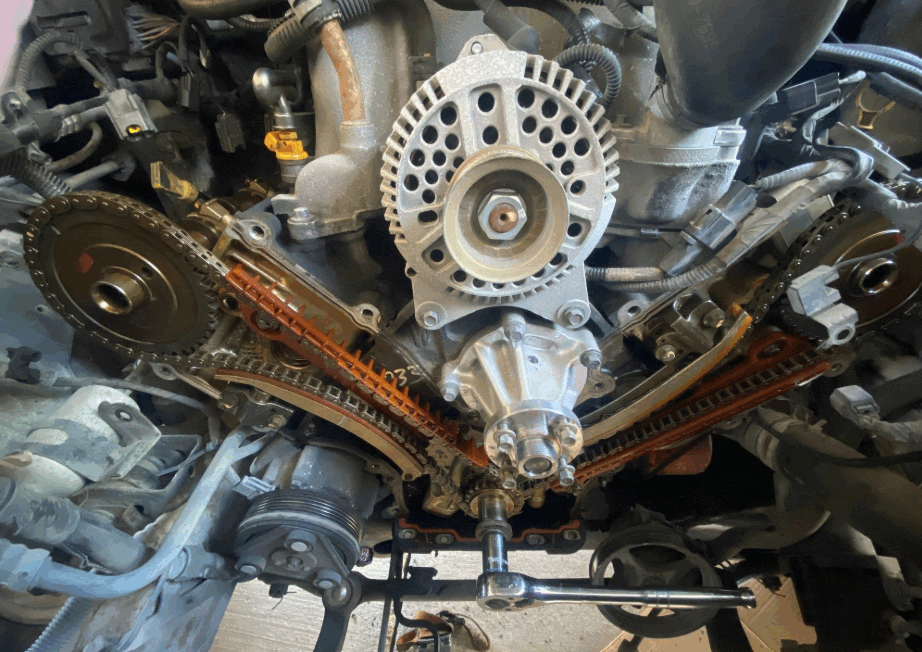
What Are the Symptoms of a Bad Timing Chain on a Ford F-150?
A bad timing chain usually causes noticeable engine performance problems before it completely fails. The most common symptoms include a rattling noise during startup, a Check Engine Light, rough idling, engine misfires, and reduced acceleration. These warning signs often appear gradually as the timing chain stretches or other timing system components begin to wear. Identifying these symptoms early helps prevent expensive engine repairs.
A rattling noise during a cold start is often the first sign of a worn timing chain. The sound usually lasts for a few seconds before the engine oil builds enough pressure to tighten the hydraulic tensioner. As the timing chain, guides, or tensioners continue to wear, the noise becomes more frequent and may remain even after the engine reaches operating temperature. Ignoring this symptom allows the timing system to deteriorate further.
Engine performance also changes when the timing chain loses proper tension. Incorrect valve timing reduces combustion efficiency, causing rough idling, sluggish acceleration, and occasional engine misfires. Some drivers also notice lower fuel economy because the engine must work harder to produce the same level of power. These symptoms become more obvious during heavy acceleration or while towing, when the engine operates under higher loads.
Modern Ford F-150 models continuously monitor valve timing through multiple engine sensors. When the engine control module detects incorrect camshaft or crankshaft timing, it stores diagnostic trouble codes and illuminates the Check Engine Light. Common timing-related codes include P0016, P0017, P0018, and P0019, which indicate that the camshaft and crankshaft are no longer synchronized correctly. A professional diagnostic inspection should confirm the exact cause because worn cam phasers, damaged timing chain guides, or failing tensioners can produce similar symptoms.
In severe cases, the timing chain may jump one or more teeth on the sprockets. This condition creates significant timing errors that can cause hard starting, frequent stalling, severe engine vibration, or complete engine failure. Continuing to drive after these symptoms appear greatly increases the risk of internal engine damage, especially in interference engines where the pistons and valves occupy the same space at different stages of the combustion cycle.
When Should a Ford F-150 Timing Chain Be Replaced?
A Ford F-150 timing chain does not follow a fixed replacement interval. Unlike a timing belt, manufacturers design a timing chain to last for a long time under normal driving conditions. However, its service life depends on engine maintenance, driving habits, and the condition of the entire timing system. Most owners replace the timing chain only after confirming excessive wear or diagnosing timing-related problems.
Many Ford F-150 timing chains remain in good condition beyond 150,000 miles. Some even last well over 200,000 miles with regular oil changes and proper maintenance. However, engines that experience infrequent oil changes, poor lubrication, or frequent heavy towing often develop timing chain wear much earlier. Dirty engine oil accelerates wear on the chain, hydraulic tensioners, and timing chain guides because these components rely on clean oil to operate correctly.
Mileage alone should never determine whether a timing chain needs replacement. Engine symptoms provide a much more reliable indication of timing system health. A persistent rattling noise during startup, repeated timing-related diagnostic codes, rough engine operation, or visible timing chain slack during inspection usually confirms that the system requires repair. A professional technician may also measure timing chain stretch by comparing camshaft and crankshaft synchronization data with manufacturer specifications.
Many repairs involve more than replacing the timing chain itself. Worn tensioners, damaged guides, and failing cam phasers often contribute to the problem. Installing a complete timing chain kit reduces the risk of repeated repairs because all major wear components receive replacement at the same time. Reusing old tensioners or guides with a new chain may shorten the life of the repair and lead to additional labor costs later.
Replacing the timing chain before a major failure protects the engine from extensive internal damage. If the chain stretches excessively or skips a tooth, the engine can lose valve timing and suffer severe mechanical damage. Addressing early warning signs allows owners to avoid costly repairs while restoring reliable engine performance and long-term durability.
How Much Does Ford F-150 Timing Chain Replacement Cost?
The cost of a Ford F-150 timing chain replacement depends on the engine, labor rates, and the parts included in the repair. Most owners spend between $1,200 and $3,500. However, complex engine designs or additional damage can increase the final cost. Replacing the timing chain early often prevents much more expensive engine repairs.
Labor makes up the largest share of the repair bill. Technicians must remove several engine components before they can reach the timing assembly. Most repairs require 8 to 16 labor hours. EcoBoost engines usually need more labor than naturally aspirated engines because they offer less working space inside the engine bay.
The engine configuration also affects the final price. A 3.5L EcoBoost typically costs more to repair than a 5.0L Coyote because its timing system contains more components. Older 5.4L Triton engines may require extra work if worn cam phasers or damaged timing chain guides contribute to the failure. Replacing these components together improves reliability and helps prevent future repairs.
Parts quality also influences the total replacement cost. OEM components cost more than most aftermarket alternatives, but they meet factory specifications and deliver consistent durability. High-quality aftermarket timing chain kits can also perform well when reputable manufacturers produce them. Low-quality parts often wear faster and increase the chance of another repair.
Many repair shops recommend replacing related components during the same service. New timing chain guides, hydraulic tensioners, cam phasers, front crankshaft seals, fresh engine oil, and coolant improve long-term reliability. Although this approach increases the initial cost, it eliminates duplicate labor and reduces future maintenance expenses.
Repair prices also vary by location and repair facility. Dealerships usually charge higher labor rates than independent shops. Experienced Ford specialists may complete the repair more efficiently. Comparing detailed estimates helps owners understand exactly what each repair includes before making a decision.
What Parts Should Be Replaced with the Timing Chain?
Replacing only the timing chain rarely provides the best long-term solution. Most professional technicians recommend replacing the entire timing assembly during the same repair. This approach restores proper engine timing and reduces the risk of another expensive repair. It also improves the overall reliability of the engine.
Timing chain guides should be one of the first components to replace. These guides keep the chain aligned as it rotates around the sprockets. Over time, the plastic material wears, cracks, or breaks under constant heat and friction. A damaged guide allows excessive chain movement, which increases noise and accelerates chain wear.
Hydraulic tensioners also require careful attention. These components use engine oil pressure to maintain the correct chain tension. As they wear, they lose the ability to keep the chain tight. The result is a loose timing chain that may rattle during startup or produce inaccurate valve timing. Installing new tensioners helps the new chain operate correctly from the first engine start.
Many Ford F-150 engines also benefit from replacing worn cam phasers. These components adjust valve timing to improve power, fuel economy, and emissions. Worn cam phasers often create the same rattling noise as a stretched timing chain. Replacing them during the same repair eliminates duplicate labor and helps restore smooth engine performance.
Technicians should also inspect the front crankshaft seal, timing cover gasket, and valve cover gaskets. These seals often become brittle after years of heat exposure. Replacing them while the engine is already disassembled helps prevent future oil leaks. Fresh engine oil and coolant should also complete the repair because contaminated fluids can shorten the life of new timing components.
Installing a complete timing chain kit provides the most reliable repair. A quality kit includes matched components that work together as a complete system. This approach reduces premature wear, improves engine reliability, and helps owners avoid another major timing repair in the future.
How Is a Ford F-150 Timing Chain Replaced?
Replacing a Ford F-150 timing chain requires advanced mechanical knowledge and specialized tools. The repair involves disassembling several engine components before technicians can access the timing assembly. Accurate timing alignment is essential because even a small error can affect engine performance or cause severe engine damage. For this reason, most owners choose a qualified repair shop for this service.
Technicians begin by inspecting the engine and confirming the cause of the problem. They scan for diagnostic trouble codes, check timing data, and listen for abnormal engine noise. These tests help determine whether the timing chain, tensioners, guides, or cam phasers have failed. A complete diagnosis prevents unnecessary parts replacement.
After the inspection, technicians remove the components that block access to the timing cover. The exact procedure depends on the engine type, but it often includes removing the accessory drive system, valve covers, and front engine cover. Some Ford F-150 engines require additional disassembly because of their compact engine layout. Careful preparation reduces the risk of damaging surrounding components.
Once the timing assembly becomes accessible, technicians align the crankshaft and camshafts to the factory timing marks. They then remove the old timing chain, guides, and hydraulic tensioners. Every replacement part must match the original specifications to maintain accurate valve timing. Many repair shops also install new cam phasers if inspection reveals excessive wear.
The new timing chain and related components are installed according to Ford’s service specifications. Technicians verify the timing marks before reassembling the engine. They replace the necessary gaskets and seals, refill the engine with fresh oil and coolant, and inspect the entire system for leaks. These steps help ensure long-term reliability after the repair.
The final stage includes starting the engine and performing a complete system check. Technicians confirm proper valve timing, monitor engine performance, and clear any stored diagnostic codes. They also perform a road test to verify smooth operation under normal driving conditions. A successful repair restores engine performance, eliminates abnormal timing noise, and prevents future timing-related failures.
Can You Drive with a Worn Timing Chain?
Driving with a worn timing chain is not recommended. A stretched or damaged timing chain can lose synchronization between the crankshaft and camshaft. As the timing becomes less accurate, engine performance declines and the risk of mechanical failure increases. Continuing to drive may turn a manageable repair into a complete engine rebuild.
Many drivers continue using their Ford F-150 because the first symptoms seem minor. A brief rattling noise during a cold start or an occasional Check Engine Light may not appear urgent. However, these early warning signs often indicate that the timing system is already wearing. Ignoring them allows the problem to become progressively worse.
As the timing chain stretches further, valve timing becomes increasingly inaccurate. The engine may idle roughly, hesitate during acceleration, or lose power under load. Fuel economy often decreases because combustion no longer occurs at the correct time. These symptoms usually become more noticeable as wear continues.
The greatest risk occurs when the timing chain jumps one or more teeth or breaks completely. This sudden loss of synchronization can allow the pistons and valves to collide in many Ford F-150 engines. Bent valves, damaged pistons, and cylinder head damage are common results. Repair costs increase dramatically once internal engine damage occurs.
Drivers who notice timing chain symptoms should schedule an inspection as soon as possible. Early diagnosis often limits the repair to replacing worn timing components. Delaying the repair increases both labor and parts costs if additional engine damage develops. Prompt action protects the engine and helps restore reliable performance before a major failure occurs.
How Can You Extend the Life of a Ford F-150 Timing Chain?
Regular maintenance is the most effective way to extend the life of a Ford F-150 timing chain. The timing chain depends on clean engine oil for lubrication and proper operation. Fresh oil reduces friction, minimizes wear, and helps the hydraulic tensioners maintain correct chain tension. Consistent maintenance often allows the timing system to last well beyond 200,000 miles.
Changing the engine oil at the recommended interval is the most important preventive measure. Clean oil protects the timing chain, guides, tensioners, and cam phasers from excessive wear. Delaying oil changes allows contaminants to circulate through the engine. These particles accelerate wear on every moving component inside the timing system.
Using the correct oil viscosity is equally important. Ford designs each engine to operate with a specific oil grade that supports proper lubrication and oil pressure. Oil that is too thick or too thin can reduce tensioner performance. Reduced oil pressure may cause chain slack during startup and increase long-term wear.
Drivers should also pay attention to early warning signs. A rattling noise during a cold start, rough idle, reduced engine power, or a Check Engine Light should never be ignored. Diagnosing these symptoms early often prevents more serious damage. Small timing problems are usually less expensive to repair than complete timing system failures.
Driving habits also affect timing chain life. Frequent short trips prevent the engine from reaching normal operating temperature. Heavy towing, aggressive acceleration, and poor maintenance place additional stress on the timing system. Smooth driving and routine servicing reduce unnecessary wear and help maintain stable engine performance over time.
Routine inspections provide another layer of protection. Experienced technicians can identify worn guides, weak tensioners, or developing timing issues before major failures occur. Addressing these problems early helps avoid costly repairs and extends the service life of the entire timing system. Preventive maintenance remains the most reliable strategy for protecting a Ford F-150 timing chain.
Conclusion
Ford F-150 timing chain replacement is a major repair, but it plays a critical role in protecting engine performance and reliability. A healthy timing chain keeps the crankshaft and camshaft synchronized, allowing the engine to operate efficiently under every driving condition. Although the timing chain is designed to last much longer than a timing belt, it is not immune to wear. Poor maintenance, contaminated engine oil, and high mileage gradually shorten the life of the entire timing system.
Recognizing the warning signs early is the best way to avoid expensive engine damage. Rattling noises during startup, timing-related diagnostic codes, rough idling, and reduced engine performance often indicate that the timing system requires immediate attention. Replacing worn components before the timing chain fails completely helps prevent severe internal engine damage and reduces overall repair costs.
Long-term reliability depends on more than installing a new timing chain. Replacing the guides, hydraulic tensioners, cam phasers, and related seals during the same repair creates a complete and dependable timing system. Regular oil changes, the correct oil viscosity, and routine inspections also help maximize component life. With proper maintenance and timely repairs, a Ford F-150 timing chain can continue delivering reliable performance for many years and thousands of miles.