The Ford 351W firing order determines the sequence in which the eight cylinders receive spark during the combustion cycle. For the Ford 351 Windsor engine, using the correct firing order is essential because an incorrect spark plug wire arrangement can cause engine misfires, rough idle, backfiring, and reduced performance.
The Ford 351W is part of Ford’s small block V8 engine family and uses a specific ignition sequence controlled by the camshaft design. Although the 351W shares similarities with other Ford engines such as the 302 Windsor, its firing order is different, which makes proper identification important during engine repairs, rebuilds, and ignition system maintenance.
This guide explains the Ford 351W firing order, cylinder numbering system, and spark plug wire sequence in detail. It also covers how to install distributor wires correctly, why incorrect firing order creates engine problems, and how the 351W ignition sequence differs from other Ford V8 engines. Understanding these components helps ensure accurate ignition timing, smoother combustion, and reliable engine operation.
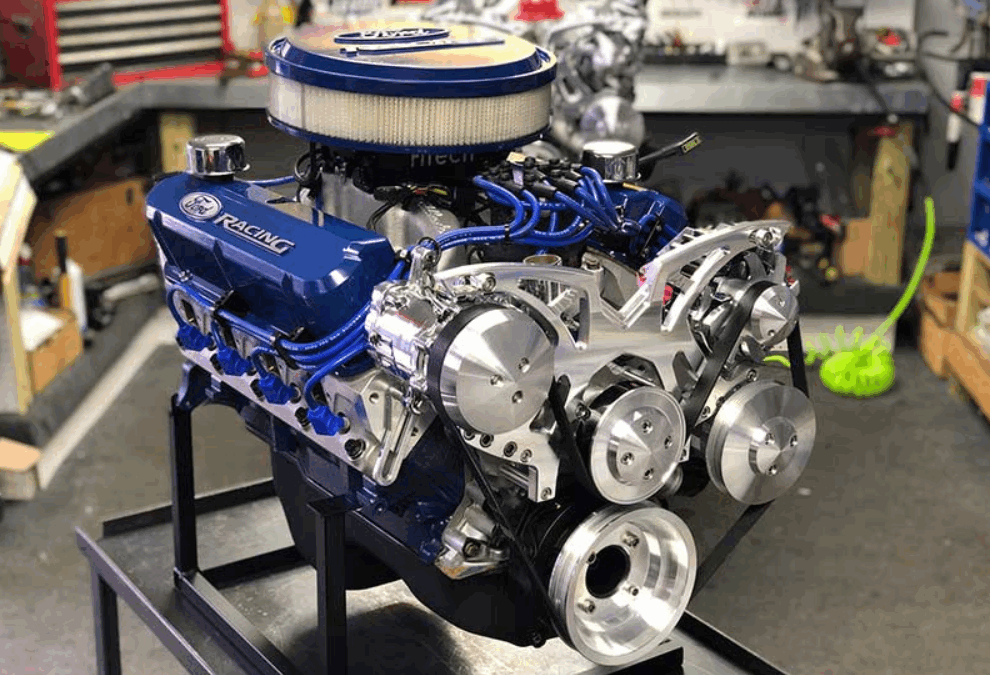
What Is the Ford 351W Firing Order?
The Ford 351W firing order is 1-3-7-2-6-5-4-8. This sequence identifies the exact order in which the eight cylinders of the Ford 351 Windsor engine receive ignition spark during the combustion cycle. The firing order is controlled by the camshaft design and determines how power is distributed across the cylinders to maintain balanced engine operation.
The firing order does not describe the physical cylinder location from front to rear. Instead, it represents the timing sequence used by the ignition system to activate each spark plug. On a Ford 351W, the distributor sends electrical current through the spark plug wires according to this sequence, allowing each cylinder to ignite the air and fuel mixture at the correct moment.
The Ford 351W uses a different firing order from some other Ford small block engines because the camshaft design changes the relationship between the intake and exhaust valve operation. Even though the 351W and 302 Windsor share similar engine architecture, they do not always use the same ignition sequence. Installing spark plug wires using the wrong firing order can interrupt the combustion cycle and create noticeable engine performance problems.
A correct firing order allows the engine to maintain smooth power delivery, stable idle speed, and efficient combustion. The sequence works together with other ignition components, including the distributor cap, rotor, spark plug wires, spark plugs, and ignition timing. When these components operate according to the correct specifications, the Ford 351W can deliver consistent performance across different applications, including performance vehicles, trucks, and engine swap projects.
How Are the Cylinders Numbered on a Ford 351W Engine?
The Ford 351W cylinder numbering system shows the location of each cylinder before you install spark plug wires. Correct cylinder identification helps the ignition system send spark to the correct cylinder. A wrong connection can cause misfires, rough idle, and poor engine performance.
The Ford 351W follows the standard Ford small block V8 numbering layout. When you view the engine from the front, the passenger side contains cylinders 1, 2, 3, and 4. The driver side contains cylinders 5, 6, 7, and 8. Ford numbers each cylinder from the front of the engine toward the rear.
Cylinder number one has an important role in the ignition system. Technicians use cylinder one as the reference point when they install the distributor and adjust ignition timing. The distributor rotor must point to the number one terminal when the engine reaches top dead center on the compression stroke.
The cylinder layout connects directly with the Ford 351W firing order of 1-3-7-2-6-5-4-8. After locating each cylinder, you can connect the spark plug wires from the distributor cap to the correct spark plugs. This prevents incorrect ignition timing and reduces the risk of cross firing between nearby wires.
The cylinder numbering system also helps during troubleshooting. When a Ford 351W develops a misfire or unstable idle, checking the cylinder positions and wire connections provides a quick way to identify possible ignition problems. A correct cylinder arrangement allows the engine to maintain smooth combustion and reliable performance.
How Do You Install Spark Plug Wires According to the Ford 351W Firing Order?
The Ford 351W spark plug wire installation process follows the firing order of 1-3-7-2-6-5-4-8. The distributor cap sends spark to each cylinder through the spark plug wires in this exact sequence. A correct wire arrangement allows the engine to complete the combustion cycle smoothly and prevents ignition problems.
Start by locating the number one terminal on the distributor cap. The rotor position identifies this terminal when the engine sits at top dead center on the compression stroke for cylinder one. After finding the number one position, connect the remaining spark plug wires around the distributor cap according to the Ford 351W firing order.
The next step involves matching each distributor terminal with the correct cylinder. Connect the first wire from the number one distributor terminal to cylinder one. Then follow the sequence by connecting the remaining wires to cylinders 3, 7, 2, 6, 5, 4, and 8. Keep each wire organized and separated to prevent electrical interference between nearby ignition circuits.
Proper wire routing also affects ignition performance. Spark plug wires that cross incorrectly or sit too close together can create cross firing, especially in high performance ignition systems. Secure the wires with separators or holders to maintain proper spacing and protect them from heat produced by the exhaust system.
After installing the wires, check each connection at both ends. The wire should fit tightly on the distributor cap terminal and spark plug. A loose connection can interrupt the ignition signal and create symptoms similar to an incorrect firing order.
Following the correct Ford 351W spark plug wire sequence ensures that each cylinder receives spark at the correct point in the combustion cycle. This improves engine reliability, maintains smooth operation, and helps the ignition system work as designed.
What Happens When the Ford 351W Firing Order Is Incorrect?
The wrong Ford 351W firing order causes the ignition system to send spark to the wrong cylinders at the wrong time. The engine cannot complete the combustion cycle correctly because each cylinder receives ignition before or after the proper moment. This creates noticeable performance issues and can prevent the engine from running efficiently.
The most common symptom of an incorrect firing order is an engine misfire. A misfire occurs when one or more cylinders fail to burn the air and fuel mixture properly. The engine may shake during idle, hesitate during acceleration, or lose power under load. These symptoms often appear immediately after replacing spark plug wires or installing a new distributor.
A wrong firing order can also cause backfiring. The fuel mixture may ignite while an intake or exhaust valve remains open. This sends combustion pressure into the intake or exhaust system. Drivers may hear popping sounds from the intake manifold or exhaust pipe.
Another common problem is unstable engine operation. The Ford 351W may experience rough idle, reduced throttle response, and poor fuel economy. The ignition system cannot maintain the correct combustion sequence, which reduces the engine’s ability to produce consistent power.
An incorrect firing order can also create additional stress on ignition components. Unburned fuel may enter the exhaust system and increase exhaust temperatures. Over time, this condition can damage components such as the catalytic converter in vehicles equipped with emissions systems.
When a Ford 351W shows ignition problems after maintenance, checking the firing order should be one of the first diagnostic steps. Verifying the spark plug wire sequence, cylinder numbering, and distributor connections can quickly identify many common installation mistakes.
How Is the Ford 351W Firing Order Different From the Ford 302?
The Ford 351W and Ford 302 use different firing orders because their camshaft designs control different cylinder ignition sequences. Although both engines belong to the Ford Windsor small block family, they do not always share the same combustion pattern. This difference becomes important when replacing engines, installing aftermarket parts, or connecting spark plug wires.
The Ford 351W uses the firing order 1-3-7-2-6-5-4-8. Many standard Ford 302 engines use the firing order 1-5-4-2-6-3-7-8. However, some later Ford 5.0L HO engines also use the 351W firing order because they use a similar camshaft design. This creates confusion because engine displacement alone does not always determine the firing order.
The camshaft controls when each intake and exhaust valve opens during the combustion cycle. Since the valve timing changes with the camshaft profile, the firing sequence also changes. This means two Ford engines with similar external designs can require different spark plug wire arrangements.
Engine swaps often create firing order mistakes because the Ford 302 and 351W share many physical similarities. A technician may connect wires using the wrong sequence if they identify the engine only by appearance. Checking the camshaft specifications or engine identification provides a more reliable method.
Using the correct firing order improves combustion balance and engine performance. When installing ignition components on a Ford 351W, always follow the engine-specific sequence instead of assuming that every Ford small block V8 uses the same arrangement.
Understanding the difference between the Ford 351W and Ford 302 firing order helps prevent installation errors and makes ignition troubleshooting faster. It also supports accurate maintenance when working with modified engines, performance builds, and restoration projects.
How Do You Troubleshoot Ford 351W Ignition Problems?
The Ford 351W ignition troubleshooting process starts by checking the firing order, spark plug wires, and ignition timing. Many ignition problems come from incorrect wire installation, damaged components, or incorrect adjustments. A systematic inspection helps identify the cause without replacing unnecessary parts.
The first step is to verify the spark plug wire sequence. Check that the wires follow the Ford 351W firing order of 1-3-7-2-6-5-4-8. Confirm that each wire connects to the correct cylinder and distributor terminal. A single misplaced wire can cause the engine to misfire or run poorly.
The next step is to inspect the distributor cap and rotor. Look for cracks, carbon tracking, corrosion, or worn contacts. These problems can interrupt the electrical signal between the ignition coil and spark plugs. A damaged distributor cap can create symptoms that look similar to an incorrect firing order.
Spark plugs and spark plug wires also affect ignition performance. Worn spark plugs can reduce combustion efficiency and create rough engine operation. Damaged spark plug wires can prevent enough electrical energy from reaching the spark plugs. Check for cracked insulation, loose connections, or excessive heat damage near the exhaust system.
Ignition timing is another important factor in Ford 351W performance. Even with the correct firing order, incorrect ignition timing can reduce power and create hesitation during acceleration. Use the proper timing procedure for the specific engine setup to ensure the spark occurs at the correct point in the combustion cycle.
A complete ignition diagnosis should include checking the firing order, cylinder connections, distributor condition, spark quality, and ignition timing. These five areas cover the most common causes of Ford 351W ignition problems and provide an effective starting point for repairs.
What Vehicles Used the Ford 351W Engine?
The Ford 351W engine appeared in many Ford vehicles because it provided a balance of power, durability, and production efficiency. Ford introduced the Windsor version of the 351 engine in 1969 as part of its small block V8 family. The engine became popular in passenger cars, trucks, and performance applications because of its strong design and wide aftermarket support.
The Ford 351W was used in several well-known Ford models, including the Mustang, Bronco, F-Series trucks, and E-Series vans. In performance vehicles, the engine offered strong torque output and supported various upgrades such as improved cylinder heads, intake systems, exhaust components, and camshaft modifications. In trucks and utility vehicles, the 351W provided reliable low-end power for towing and daily operation.
The Ford Mustang used the 351W in several performance-oriented models during different production periods. The engine also became a popular choice among enthusiasts who restored classic Mustangs or built custom performance vehicles. Its compact small block design allowed it to fit many engine bays while providing more displacement than the smaller 302 Windsor.
The Ford Bronco and F-Series trucks benefited from the 351W’s torque characteristics. These vehicles required engines that could deliver consistent power at lower engine speeds. The 351W design helped meet those demands with a strong rotating assembly and a durable cast iron block.
Understanding the vehicles that used the Ford 351W helps identify the engine correctly during repairs and restoration projects. Because Ford installed this engine across different platforms, checking the engine specifications remains important when determining the correct firing order, ignition components, and maintenance procedures.
Ford 351W Firing Order: Spark Plug Wire Sequence and Cylinder Guide
The Ford 351W firing order of 1-3-7-2-6-5-4-8 provides the correct ignition sequence for the Windsor V8 combustion cycle. This sequence works together with the cylinder numbering system, distributor cap position, spark plug wires, and ignition timing to maintain smooth engine operation.
Correct cylinder identification is the foundation of a proper spark plug wire installation. Before connecting wires, confirm the location of cylinder number one and follow the correct firing order through the distributor cap. This prevents common ignition problems such as misfires, rough idle, backfiring, and reduced engine performance.
The Ford 351W shares similarities with other Ford small block engines, but its firing order does not always match engines such as the standard Ford 302. The camshaft design determines the ignition sequence, which means technicians should always verify engine specifications before installing ignition components.
A properly installed ignition system allows the Ford 351W to deliver consistent combustion and reliable performance. Whether you are repairing a classic Ford vehicle, completing an engine swap, or maintaining a performance build, understanding the firing order and cylinder arrangement helps you avoid common installation mistakes and keep the engine operating correctly.