Finding the correct Dodge paint code is the first step toward restoring your vehicle’s original appearance. Whether you need to repair a small scratch, cover paint chips, or repaint an entire body panel, using the factory paint code ensures you choose the exact color that Dodge applied when your vehicle left the production line. Relying only on the paint color name can lead to noticeable differences because many Dodge colors have multiple variations across model years and production plants.
A Dodge paint code is a short factory identifier that specifies the precise paint formula for your vehicle. This code allows paint manufacturers and suppliers to match the original finish with a high level of accuracy. It also eliminates the guesswork involved in selecting touch up paint, helping you achieve a seamless repair that blends naturally with the surrounding panels.
This guide explains how to find your Dodge paint code using the factory sticker, the vehicle identification number (VIN), and other reliable methods. You will also learn where the paint code is typically located on different Dodge models, what to do if the original label is missing, and how to use the code to order the correct OEM touch up paint. By the end of this article, you will be able to identify your vehicle’s factory paint code confidently and avoid costly color matching mistakes.
What Is a Dodge Paint Code?
A Dodge paint code is a factory identifier that defines your vehicle’s original exterior color. Dodge assigns this code during production to identify the exact paint formula for each vehicle. Unlike a paint color name, the paint code points to a specific formula instead of a marketing label. Paint suppliers, dealerships, and body shops use this code to reproduce the correct factory finish.
Every Dodge vehicle includes a factory paint code. You can find it on the vehicle information label. The code gives you the most accurate way to identify the original paint color. Color names alone cannot guarantee an exact match. Dodge may use different paint formulas for similar color names across model years or manufacturing plants. For example, Bright White and White Knuckle look similar, but each color has its own factory paint code.
The correct paint code helps you achieve a consistent repair. It allows the new paint to blend with the surrounding panels. This accuracy becomes even more important when repairing scratches, rock chips, bumper damage, or replacement panels. Metallic and pearl finishes contain multiple pigments, so even a small color difference can become easy to notice after the repair.
The factory paint code also makes ordering touch up paint much easier. Most suppliers ask for the paint code before they recommend a product. The code removes uncertainty and reduces the risk of buying the wrong color. Whether you need a touch up pen, a paint bottle, an aerosol spray, or professional refinishing paint, the factory paint code gives you the best chance of restoring your Dodge to its original appearance.
Where Can You Find Your Dodge Paint Code?
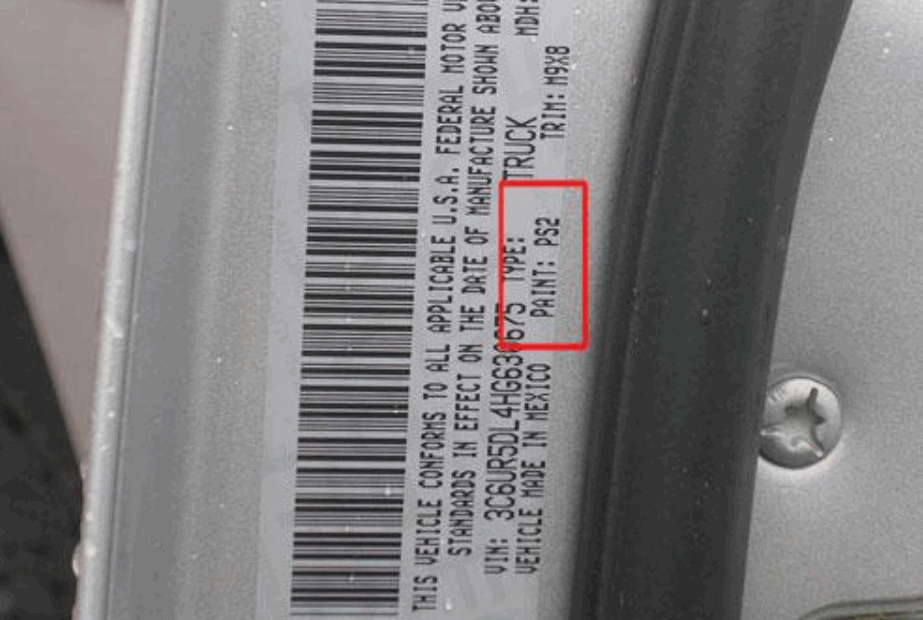
You can usually find your Dodge paint code on the factory information label attached to the vehicle. Dodge places this label in a location that remains accessible throughout the vehicle’s lifetime. In most models, the driver’s side door jamb is the first place to check. Open the driver’s door and inspect the sticker along the door frame. Look for a short alphanumeric code labeled Paint, PNT, or Color, depending on the model year.
Some Dodge vehicles display the paint code on the vehicle certification label instead of a dedicated paint sticker. This label contains important factory information, including the VIN, production date, tire specifications, and paint code. Reading the label carefully helps you identify the correct code without confusing it with other factory numbers. The paint code is typically two or three characters long, making it easy to recognize once you know where to look.
Older Dodge models may place the paint code in a different location. Some vehicles include it under the hood, while others list it in the owner’s manual or original factory documentation. If you own a classic Dodge or an older Dodge Ram model, checking these sources can save time before searching elsewhere. Factory records often contain the same paint information that appears on the original vehicle label.
If you cannot find the sticker immediately, avoid guessing the paint color. Similar colors often use different factory formulas, even when they appear almost identical. Instead, inspect every factory label carefully or continue with a VIN lookup if the sticker is damaged or missing. Finding the correct paint code before ordering touch up paint improves color accuracy and helps you achieve a repair that matches the original factory finish.
How Can You Find a Dodge Paint Code Using the VIN?
A Vehicle Identification Number can help you locate your Dodge paint code when the original factory sticker is missing or no longer readable. Every Dodge vehicle has a unique 17 character VIN that stores important manufacturing details. While the VIN does not display the paint code directly, Dodge dealerships and trusted OEM paint suppliers can use it to access the original factory records.
You can find the VIN in several locations on your vehicle. The most common location is the dashboard near the windshield on the driver’s side. The VIN also appears on the driver’s door label, your registration, insurance documents, and vehicle title. Once you have the complete VIN, provide it to a Dodge dealership or a reputable paint supplier that offers VIN based paint code lookups.
A VIN lookup works best for vehicles that still have their original factory paint. If a previous owner repainted the vehicle, the factory record will still return the original paint code instead of the current color. For this reason, compare the lookup result with your vehicle before ordering touch up paint. This simple step helps prevent unnecessary returns and color matching problems.
Although a VIN lookup is reliable, it should not replace the factory paint sticker when the label is still available. The original sticker remains the fastest and most accurate source because it displays the paint code assigned during production. If the label has faded or disappeared, a VIN lookup becomes the next best solution. Using one of these two methods allows you to identify the correct Dodge paint code and purchase OEM touch up paint with confidence.
What Should You Do If the Paint Code Sticker Is Missing?
A missing paint code sticker does not prevent you from identifying your Dodge’s original paint color. Several reliable alternatives can help you find the correct factory paint code. The best option depends on your vehicle’s condition and whether it still has the original factory finish.
Start by using the Vehicle Identification Number. A Dodge dealership can access the factory build records and identify the original paint code from the VIN. Many trusted OEM paint suppliers also provide VIN lookup services. Before requesting a lookup, make sure you record the complete 17 character VIN correctly. Even one incorrect character can return the wrong vehicle information.
If the VIN lookup is unavailable or your vehicle has been repainted, contact a local Dodge dealership for assistance. Service departments often have access to manufacturer databases that include factory paint information. They can confirm the original paint code and recommend the correct OEM color for your specific model and production year. This method offers greater accuracy than choosing a paint color based on appearance alone.
A professional color matching service is another reliable solution when the original paint no longer matches the factory finish. Paint specialists use a digital color scanner to analyze the current paint on your vehicle. The scanner measures the existing color and creates a custom formula that closely matches the faded or repainted surface. This approach works well for older vehicles because sunlight, oxidation, and weather exposure can gradually change the original paint color over time.
Avoid ordering touch up paint without confirming the correct paint code or color match. Similar shades can look almost identical under indoor lighting but appear noticeably different in natural sunlight. Taking a few extra minutes to verify the correct color helps you achieve a cleaner repair and reduces the risk of purchasing the wrong paint.
How Do You Choose the Correct Dodge Touch Up Paint?
Choosing the correct Dodge touch up paint starts with confirming the factory paint code. The paint code identifies the exact color formula that Dodge used during production. It gives you a much more accurate result than selecting paint by color name alone. Many Dodge colors look similar, but each factory code represents a unique formula that matches a specific model and production period.
After confirming the paint code, choose the product that matches your repair. A touch up pen works well for fine scratches and small paint chips. A brush bottle covers slightly larger damaged areas with better control. An aerosol spray is a better option for repairing bumpers, doors, or larger body panels. Professional refinishing paint offers the best choice for complete panel repairs because it allows painters to achieve a factory quality finish with the correct application equipment.
You should also check whether the repair requires both a base coat and a clear coat. Most modern Dodge vehicles use a two stage paint system. The base coat provides the color, while the clear coat protects the surface and creates the final gloss. Applying only the color coat often leaves the repair looking dull and less durable. Using both products helps the repaired area blend more naturally with the surrounding paint.
Always compare the product details before placing an order. Verify the paint code, model year, and vehicle model to confirm compatibility. If your Dodge has faded from years of sun exposure, expect a slight color difference after the repair. In that situation, blending the new paint into the surrounding area usually creates a more natural appearance. Taking time to choose the correct touch up paint improves the final result and helps restore your Dodge with greater confidence.
Which Dodge Models Use the Same Paint Code Location?
Most modern Dodge models place the paint code in the same general location. In many vehicles, you can find the factory information label on the driver’s side door jamb. This location allows owners, dealerships, and repair shops to identify the paint code quickly without removing any vehicle parts. Although the label design may change between model years, the paint code remains easy to locate once you know where to look.
Popular models such as the Dodge Charger, Dodge Challenger, Dodge Durango, and Dodge Journey usually display the paint code on the driver’s door or door frame label. The sticker often includes other factory information, such as the VIN, production date, and tire specifications. Before searching elsewhere, inspect this label carefully because it remains the primary source for the original factory paint code.
Some older Dodge vehicles follow a different layout. Certain Dodge Grand Caravan, Dodge Magnum, Dodge Nitro, Dakota, and older Dodge Ram models may place the paint code under the hood or on another factory identification label. If you own an older vehicle, check the owner’s manual or factory documentation after inspecting the door jamb. These resources often describe the correct sticker location for that specific model year.
Production changes can also affect where Dodge places the factory label. Two vehicles with the same model name but different production years may not use the exact sticker position. For this reason, always search the driver’s door area first before checking other factory labels. If you still cannot locate the paint code, use the VIN to retrieve the original factory records. Following this process helps you identify the correct paint code quickly and order the right OEM touch up paint for your Dodge.
Frequently Asked Questions
Is the Dodge paint code the same as the VIN?
No. The Dodge paint code and the Vehicle Identification Number serve different purposes. The paint code identifies the factory exterior color, while the VIN identifies the entire vehicle. A dealership or trusted paint supplier can use the VIN to retrieve the original paint code, but the VIN itself does not contain the paint code in a readable format.
Can I order touch up paint without the paint code?
Yes, but it is not the recommended approach. Ordering paint by color name alone increases the risk of receiving the wrong shade because many Dodge colors have multiple factory variations. Confirming the paint code before placing an order gives you the best chance of achieving an accurate color match.
Does every Dodge vehicle have a paint code sticker?
Most Dodge vehicles include a factory paint code sticker. In newer models, you can usually find it on the driver’s side door jamb or the vehicle certification label. Some older models place the sticker under the hood or on another factory information label. If the sticker is missing, you can still identify the original paint code through a VIN lookup.
Can two Dodge vehicles have the same paint code?
Yes. Different Dodge models can share the same factory paint code when they use the same exterior color. For example, a Dodge Charger and a Dodge Challenger produced in the same period may use the identical paint code if they were finished with the same factory color.
Does the paint code identify the paint finish?
No. The paint code identifies the factory color, but it does not always describe the complete paint system. Many modern Dodge vehicles use a two stage finish that combines a base coat with a clear coat. Always check the product description to confirm whether you need both components for your repair.
Conclusion
Finding your Dodge paint code is the most important step before purchasing touch up paint or repairing damaged panels. The factory paint code provides the exact color formula that Dodge used during production, making it the most reliable way to achieve an accurate repair. Whether you locate the code on the driver’s door jamb, retrieve it through a VIN lookup, or request assistance from a Dodge dealership, verifying the correct code helps you avoid costly color matching mistakes.
Once you confirm the factory paint code, you can choose the right touch up product for your repair with confidence. Taking a few extra minutes to verify the code improves color accuracy, creates a cleaner finish, and helps preserve your vehicle’s original appearance. If you plan to repair scratches, paint chips, or larger damaged areas, always start with the factory paint code before ordering OEM touch up paint.