The Dodge Caravan is a practical family minivan with a long history of reliable everyday use. However, its sliding door system is one of the most common sources of owner complaints. Many drivers report doors that refuse to open, stop halfway, reverse unexpectedly, or produce grinding noises during normal operation. These problems affect both manual and power sliding doors.
Each symptom usually points to a different failed component. Worn rollers can prevent smooth movement. A damaged wiring harness may interrupt power. A faulty door lock actuator can stop the door from locking or unlocking correctly. In some cases, the Body Control Module or the power sliding door motor causes the failure. Identifying the correct cause before replacing parts helps reduce repair costs and prevents repeated repairs.
This guide explains the most common Dodge Caravan sliding door problems and their solutions. You will learn how to recognize common symptoms, identify the underlying cause, and diagnose the problem step by step. The article also covers repair methods, typical repair costs, affected model years, and maintenance tips. By the end, you will know how to choose the right repair and keep your sliding door operating smoothly for years.
What Are the Most Common Dodge Caravan Sliding Door Problems?
Dodge Caravan sliding door problems usually appear as operating failures instead of complete system breakdowns. The door may stop opening, refuse to close, reverse before latching, or make unusual noises during movement. Each symptom often points to a specific mechanical or electrical fault. Identifying the exact symptom is the first step toward an accurate diagnosis and an effective repair.
A sliding door that will not open is one of the most common complaints. In many cases, worn door rollers create excessive resistance and prevent smooth movement. A damaged wiring harness can also interrupt power to the sliding door motor. If the door remains locked, a faulty lock actuator may stop the latch from releasing. Drivers should also check the fuse and the power sliding door switch before replacing expensive components.
Some owners notice that the sliding door closes partway before reversing automatically. This behavior usually occurs when the obstacle detection system senses excessive resistance. Dirt inside the door track, damaged rollers, or poor door alignment can trigger the safety system even when no object blocks the opening. The Body Control Module may also reverse the door if it detects abnormal motor resistance or receives incorrect sensor data.
Grinding, clicking, and squeaking noises often develop before a complete failure occurs. These sounds normally indicate worn rollers, dry tracks, or loose hardware. Ignoring these early warning signs allows additional wear to spread to the motor, cables, and latch assembly. Regular inspection can prevent minor mechanical problems from becoming costly repairs.
Power sliding doors may also work intermittently. The door might operate normally one day and fail the next. This type of problem usually indicates an electrical issue rather than a mechanical one. Common causes include a broken wiring harness, corroded electrical connectors, a weak actuator, or an unstable Body Control Module. Diagnosing the electrical system early helps prevent unnecessary parts replacement and reduces overall repair costs.
What Causes Dodge Caravan Sliding Door Problems?
Dodge Caravan sliding door problems develop when one or more mechanical or electrical components fail to work together. The sliding door system relies on rollers, tracks, cables, sensors, electrical wiring, and control modules to complete every opening and closing cycle. When a single component wears out or loses communication, the entire system may begin to operate unpredictably.
Worn door rollers are one of the most common causes of sliding door failure. The rollers guide the door along the upper, center, and lower tracks while supporting its weight. As the bearings wear down, friction increases and movement becomes uneven. Drivers often notice grinding noises, jerky movement, or a door that sticks halfway through its travel. Replacing worn rollers early helps protect the motor and reduces stress on the remaining door components.
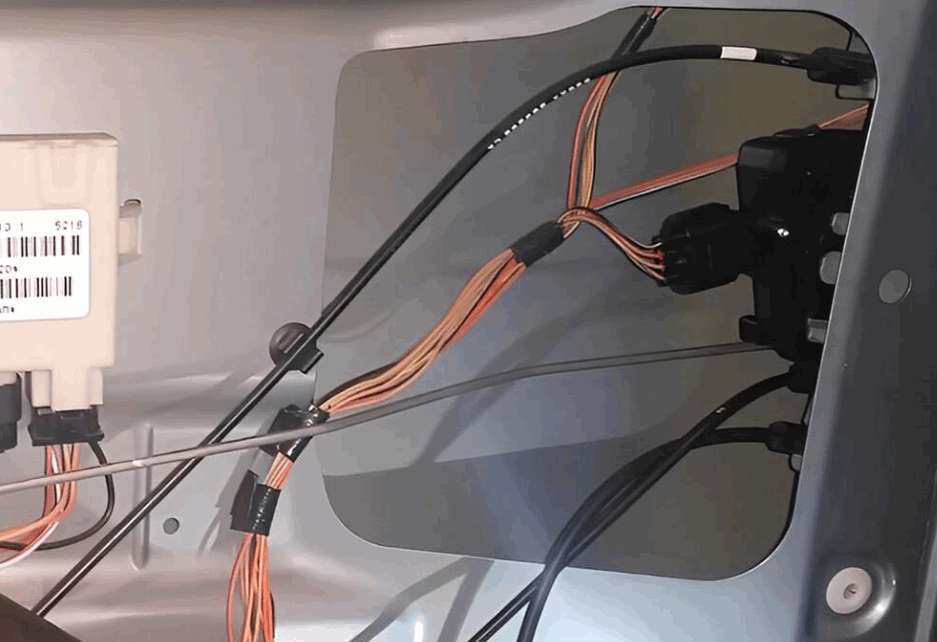
Electrical faults also contribute to many sliding door problems. The wiring harness bends every time the door opens or closes, which makes it vulnerable to broken wires after years of repeated movement. A damaged harness may interrupt power to the motor, lock actuator, or door sensors. As a result, the sliding door may stop working without warning or operate only intermittently. Corroded connectors and blown fuses can produce similar symptoms, so every electrical circuit should be inspected before replacing major parts.
Several failures originate inside the door control system rather than the door itself. A weak lock actuator may prevent the latch from releasing, even though the motor still receives power. In other cases, the Body Control Module misinterprets sensor signals and stops the operating cycle to protect the system. A faulty power sliding door motor can also lose torque as it ages, making it difficult to move the heavy door through its full range of motion. Accurate diagnosis helps identify the failed component and prevents unnecessary repairs.
Poor maintenance often accelerates component wear. Dirt, road debris, and moisture gradually build up inside the door tracks and increase rolling resistance. Lack of lubrication places additional strain on the rollers and motor during every operating cycle. Regular cleaning, proper lubrication, and routine inspections reduce mechanical stress and help the sliding door operate smoothly for a much longer period.
How Can You Diagnose Dodge Caravan Sliding Door Problems?
Diagnosing Dodge Caravan sliding door problems begins with identifying the exact symptom before replacing any parts. A door that refuses to open requires a different inspection than one that reverses before closing or makes grinding noises. Matching the symptom with the correct inspection process saves time, reduces repair costs, and prevents unnecessary component replacement.
Start with a visual inspection of the sliding door and its surrounding components. Look for dirt, damaged rollers, loose hardware, or objects trapped inside the tracks. Examine the upper, center, and lower tracks for dents or excessive wear. Even a small obstruction can increase resistance and cause the safety system to stop or reverse the door during operation.
Next, check the mechanical components while moving the door manually. The door should travel smoothly without excessive force or unusual noises. If the movement feels rough or uneven, inspect the rollers, latch, and alignment. Worn rollers often create vibration, while a misaligned door may fail to latch correctly or leave uneven panel gaps after closing.
After confirming that the mechanical parts operate correctly, inspect the electrical system. Test the power sliding door switch, related fuses, and wiring harness for signs of damage or corrosion. The wiring harness deserves special attention because repeated door movement can break internal wires over time. Intermittent operation usually points to a poor electrical connection rather than a failed motor.
If the problem remains unresolved, connect a diagnostic scan tool to check for Body Control Module fault codes. The BCM controls communication between the sliding door motor, sensors, and lock actuator. Stored trouble codes can reveal communication failures, sensor errors, or motor performance issues that are difficult to identify during a visual inspection. Combining scan results with physical testing produces a more accurate diagnosis and helps ensure that only the defective component is repaired or replaced.
How Do You Fix Dodge Caravan Sliding Door Problems?
The correct repair depends on the component that causes the failure. Replacing parts without confirming the root cause often increases repair costs and leaves the original problem unresolved. A systematic repair approach restores normal door operation while preventing additional damage to related components.
If the sliding door moves slowly or sticks during operation, inspect the tracks and rollers first. Dirt, road debris, and old grease create extra resistance that forces the motor to work harder. Clean the tracks thoroughly before applying a silicone based lubricant designed for sliding door mechanisms. If the rollers show excessive wear, flat spots, or damaged bearings, replace them as a complete set to restore smooth movement and reduce stress on the door motor.
Electrical problems require a different repair strategy. Inspect the wiring harness for broken wires, worn insulation, or loose connectors where the harness bends during every opening cycle. Repair damaged wiring with automotive grade connectors instead of temporary splices whenever possible. Replace blown fuses only after identifying the reason they failed. If the power sliding door still operates intermittently after repairing the wiring, test the lock actuator and motor to determine whether either component has reached the end of its service life.
Some repairs involve replacing worn electrical components. A faulty lock actuator may prevent the door from locking or unlocking correctly even when the motor functions normally. A weak sliding door motor often struggles to move the door through its full travel and may stop before reaching the fully open or closed position. Replacing the failed component with a high quality OEM or equivalent replacement part usually restores reliable operation and improves long term durability.
Door alignment also plays an important role in repair quality. A misaligned door places constant pressure on the rollers, latch, and motor. After replacing mechanical components, check that the door sits evenly within the body opening and closes without excessive force. Adjust the hinges or roller assemblies if necessary until the door seals correctly and latches securely.
Some failures originate in the Body Control Module rather than the door hardware. If every mechanical and electrical component passes inspection but the door still behaves unpredictably, scan the BCM for diagnostic trouble codes. Software updates, module recalibration, or BCM replacement may resolve communication errors that interrupt normal door operation. Performing this final verification ensures the repair addresses the true cause instead of treating only the visible symptoms.
How Much Does It Cost to Repair Dodge Caravan Sliding Door Problems?
The cost to repair Dodge Caravan sliding door problems depends on the failed component, labor rates, and the extent of the damage. Minor maintenance usually costs much less than replacing electrical components or control modules. Identifying the exact cause before ordering parts helps avoid unnecessary expenses and prevents multiple repair visits.
Roller replacement is one of the most affordable repairs. Most replacement roller kits cost between $40 and $150, while professional installation typically brings the total repair cost to $150 to $350. Replacing worn rollers early prevents additional wear on the tracks, motor, and latch assembly, making it one of the best long term investments for maintaining the sliding door system.
Electrical repairs vary more because several components can produce similar symptoms. Repairing a damaged wiring harness generally costs $150 to $400, depending on the location and the amount of wiring that requires replacement. A new lock actuator usually costs $80 to $250 for the part, while the complete repair often ranges from $200 to $450 after labor. Replacing a failed power sliding door motor is more expensive because it requires additional disassembly. Most owners can expect a total repair cost between $350 and $800.
Body Control Module problems are usually the most expensive to correct. Software updates or module programming often cost $100 to $250 if the original module remains functional. However, replacing the BCM can increase the total repair bill to $500 to $1,000 or more after programming and installation. Before approving this repair, technicians should confirm that the problem does not originate from the wiring harness, sensors, or door motor.
Labor charges also affect the final repair cost. Independent repair shops often charge lower hourly rates than dealerships, while experienced technicians may complete the same repair more efficiently. Vehicle condition, regional labor rates, and parts availability can also influence the final invoice. Comparing estimates from reputable repair shops helps owners balance cost, repair quality, and warranty coverage before making a decision.
DIY repairs can reduce labor expenses, but they are not always the most economical option. Cleaning the tracks, lubricating moving parts, replacing accessible rollers, or installing a new fuse are suitable tasks for many owners. More advanced repairs involving electrical diagnosis, BCM programming, or motor replacement require specialized tools and technical experience. Choosing the appropriate repair method helps control costs while reducing the risk of additional damage.
Which Dodge Caravan Model Years Have the Most Sliding Door Problems?
Sliding door problems can affect almost every Dodge Caravan generation, but some model years report recurring failures more often than others. The frequency of these issues depends on component design, vehicle age, maintenance history, and daily usage. While no model year is completely free of sliding door concerns, understanding common patterns helps owners diagnose problems more quickly and prepare for potential repairs.
The 2008 to 2010 Dodge Grand Caravan models receive the highest number of owner complaints related to power sliding doors. Many vehicles from this period develop worn rollers, damaged wiring harnesses, and faulty lock actuators after years of repeated use. Some owners also report that the door stops halfway, reverses before closing, or fails to respond to the interior control buttons. Because these vehicles are now older, normal wear often contributes to multiple component failures at the same time.
Models produced between 2011 and 2014 introduced several improvements, but sliding door issues still appear on high mileage vehicles. Electrical faults become more common as the wiring harness flexes thousands of times during normal operation. Corroded connectors, aging motors, and weakened actuators may also reduce system reliability. Regular maintenance during this stage often prevents minor problems from developing into complete door failures.
The 2015 to 2020 Dodge Grand Caravan generally offers better long term reliability, although sliding door problems have not disappeared entirely. Most reported failures involve worn mechanical components rather than major design defects. Rollers, tracks, and latch assemblies naturally wear with continued use, especially on vehicles that carry passengers every day. Owners who clean and lubricate the sliding door system regularly often experience fewer unexpected repairs.
Technical Service Bulletins may also help diagnose recurring sliding door concerns. Manufacturers release these bulletins when technicians identify common repair procedures for specific problems. Although a Technical Service Bulletin is not the same as a safety recall, it provides valuable guidance for diagnosing known issues and applying the recommended repair method. Owners should also check whether their vehicle qualifies for any open recalls before paying for major repairs, as certain defects may receive manufacturer support under specific conditions.
How Can You Prevent Dodge Caravan Sliding Door Problems?
Preventive maintenance is the most effective way to reduce Dodge Caravan sliding door problems and extend the life of the entire system. Most sliding door failures develop gradually instead of appearing without warning. Regular inspections and simple maintenance tasks help identify worn components before they lead to expensive repairs or complete door failure.
Cleaning the sliding door tracks should become part of every routine vehicle inspection. Dust, road salt, sand, and small stones can accumulate inside the tracks and increase rolling resistance. This extra friction forces the rollers and motor to work harder during every opening cycle. Wiping the tracks with a clean cloth and removing debris every few months helps maintain smooth door movement and reduces unnecessary wear.
Proper lubrication also improves long term reliability. Use a silicone based lubricant on the rollers, hinges, and sliding track surfaces because it attracts less dirt than grease based products. Avoid applying excessive lubricant, as thick buildup can trap debris and create additional resistance over time. Reapplying lubricant after cleaning keeps moving parts operating smoothly and minimizes metal to metal contact.
Inspecting the door hardware regularly helps detect small problems before they become major repairs. Check the rollers for excessive play, inspect the tracks for damage, and verify that the door closes evenly against the body. Uneven gaps, unusual noises, or increased effort during operation often indicate early component wear. Addressing these signs quickly prevents additional stress on the motor, latch, and wiring harness.
The electrical system also requires periodic attention. Examine the wiring harness for damaged insulation, loose connectors, or signs of corrosion where the harness bends during normal operation. Test the power sliding door switch if the door begins responding inconsistently. Resolving minor electrical faults early reduces the risk of intermittent failures and helps protect the Body Control Module from unnecessary electrical stress.
Consistent maintenance costs far less than major repairs. Cleaning, lubricating, and inspecting the sliding door system only takes a short amount of time, yet these simple tasks can significantly increase component lifespan. Owners who follow a regular maintenance schedule often experience fewer unexpected failures and lower repair costs throughout the vehicle’s service life.
Conclusion
Dodge Caravan sliding door problems usually begin with small warning signs such as slow movement, unusual noises, or inconsistent operation. Ignoring these symptoms often allows minor mechanical wear or electrical faults to develop into more expensive repairs. Identifying the problem early makes diagnosis easier and reduces the chance of replacing parts that still function properly.
Most sliding door failures involve a limited number of components, including the rollers, wiring harness, lock actuator, sliding door motor, or Body Control Module. Understanding how each component affects door operation allows owners to match symptoms with the most likely cause. This approach improves repair accuracy and shortens the troubleshooting process.
Routine maintenance remains the best way to prevent recurring failures. Clean tracks, proper lubrication, regular inspections, and prompt repairs all help reduce mechanical stress and improve long term reliability. Whether you perform basic maintenance yourself or choose professional service, a well maintained sliding door system delivers smoother operation, greater convenience, and lower ownership costs over time.
Frequently Asked Questions
Why won’t my Dodge Caravan sliding door open?
A sliding door may fail to open because of worn rollers, a faulty lock actuator, damaged wiring, a blown fuse, or a failed power sliding door motor. Begin by checking the fuse and door switch before inspecting the mechanical and electrical components.
Why does my sliding door reverse before closing?
The power sliding door reverses when the obstacle detection system senses excessive resistance. Dirty tracks, worn rollers, poor alignment, or incorrect sensor signals are the most common causes of this behavior.
Can I manually open a power sliding door?
Yes. Most Dodge Caravan models allow manual operation after disabling the power sliding door system. However, forcing the door open while the system remains engaged may damage the motor or latch assembly.
How long does a Dodge Caravan sliding door motor last?
A sliding door motor commonly lasts between 10 and 15 years under normal operating conditions. Frequent use, poor maintenance, and increased mechanical resistance may shorten its service life.
Is it expensive to replace a sliding door roller?
Replacing a sliding door roller is usually one of the least expensive repairs. Most owners spend significantly less on roller replacement than on motor or Body Control Module repairs, especially when the problem is detected early.
Can cold weather affect the sliding door?
Yes. Low temperatures can stiffen lubricant, reduce battery performance, and increase resistance inside the sliding door mechanism. Ice accumulation around the tracks or weather seals may also prevent normal operation.
Is it safe to drive with a broken sliding door?
Driving with a broken sliding door is not recommended if the door cannot latch securely. An improperly closed door may create safety risks for passengers and allow water, dust, and road noise to enter the vehicle. Repairing the problem as soon as possible helps maintain both safety and vehicle security.