A Dodge Ram blowing hot air usually means the AC system has a problem. The issue can come from several parts of the HVAC system. Common causes include low refrigerant, compressor failure, blend door problems, and electrical faults.
The Dodge Ram AC system needs several components to work together. The compressor moves refrigerant through the system. The blend door controls air temperature. Sensors and electrical controls help the system maintain the correct cooling performance.
When one component fails, the AC may stop producing cold air. The fan can still work normally, but the vents may release warm air instead. Finding the exact cause requires proper diagnosis. Replacing random parts often increases repair costs without solving the problem.
This guide explains why a Dodge Ram blows hot air and how to identify the cause. It covers common failures, diagnostic steps, repair options, and prevention methods. Understanding the HVAC system helps Dodge Ram owners make better repair decisions and restore cold air faster.
Why Is My Dodge Ram Blowing Hot Air?
A Dodge Ram blows hot air when the AC system cannot complete the cooling process. The HVAC system must control refrigerant flow, remove heat from the cabin, and deliver cooled air through the vents. A failure in any part of this process can reduce cooling performance or stop cold air completely.
The most common causes involve four main areas: refrigerant problems, compressor failures, airflow control issues, and electrical faults. Each problem affects a different stage of the cooling cycle. For example, low refrigerant prevents the system from absorbing enough heat, while a failed compressor cannot create the pressure needed to circulate refrigerant.
Low refrigerant is one of the most common reasons a Dodge Ram AC system stops blowing cold air. The refrigerant carries heat from the cabin to the outside of the vehicle. When the refrigerant level drops because of a leak, the evaporator cannot remove enough heat from the incoming air.
A damaged AC compressor creates another common failure point. The compressor pressurizes refrigerant and allows the cooling cycle to continue. When the compressor or compressor clutch fails, the system may still blow air through the vents, but the air remains warm.
The blend door actuator controls how air moves between the cooling and heating pathways inside the HVAC housing. A failed actuator can send warm air into the cabin even when the AC system works correctly. Electrical problems, including faulty sensors, relays, or control modules, can also prevent the AC system from operating properly.
Finding the correct cause requires checking the entire HVAC system instead of focusing on one component. A proper diagnosis helps Dodge Ram owners repair the actual failure and avoid unnecessary part replacements.
What Are the Most Common Causes of Dodge Ram Blowing Hot Air?
A Dodge Ram AC system can blow hot air because several components affect the cooling process. The most common causes include low refrigerant, refrigerant leaks, AC compressor failure, blend door actuator problems, blocked airflow, and electrical issues. Each failure creates different symptoms, so identifying the exact cause requires checking how the AC system behaves.
Low refrigerant is one of the most frequent causes of poor cooling performance. The AC system needs a specific amount of refrigerant to absorb heat from the cabin and release it outside the vehicle. When the refrigerant level becomes too low, the evaporator cannot remove enough heat, which causes warm air to come from the vents. A leaking hose, damaged seal, or faulty AC component can allow refrigerant to escape over time.
A failing AC compressor can also cause a Dodge Ram to blow hot air. The compressor is responsible for circulating refrigerant and creating the pressure difference needed for cooling. When the compressor fails, the refrigerant cannot move through the system correctly. Drivers may notice symptoms such as warm air from the vents, unusual noises, or an AC clutch that does not engage.
The blend door actuator is another important component that can create temperature problems. This part controls whether air passes through the cooling or heating pathway inside the HVAC housing. When the actuator fails, the system may send warm air into the cabin even when the AC compressor works normally. Some drivers notice clicking sounds behind the dashboard or inconsistent temperatures from different vents.
Blocked condenser airflow can reduce cooling performance because the condenser cannot release heat effectively. Dirt, debris, or a damaged cooling fan can increase system temperature and reduce AC efficiency. Electrical failures, including damaged fuses, faulty relays, bad sensors, or HVAC control module issues, can also stop the AC system from working correctly.
A Dodge Ram blowing hot air usually results from a combination of mechanical, refrigerant, or electrical problems. Proper diagnosis helps identify the failed component and prevents unnecessary repairs.
How Do You Diagnose a Dodge Ram AC That Blows Hot Air?
Diagnosing a Dodge Ram AC system that blows hot air requires checking each part of the cooling process in the correct order. The goal is to identify the failed component before replacing any parts. A systematic inspection saves time and prevents unnecessary repair costs.
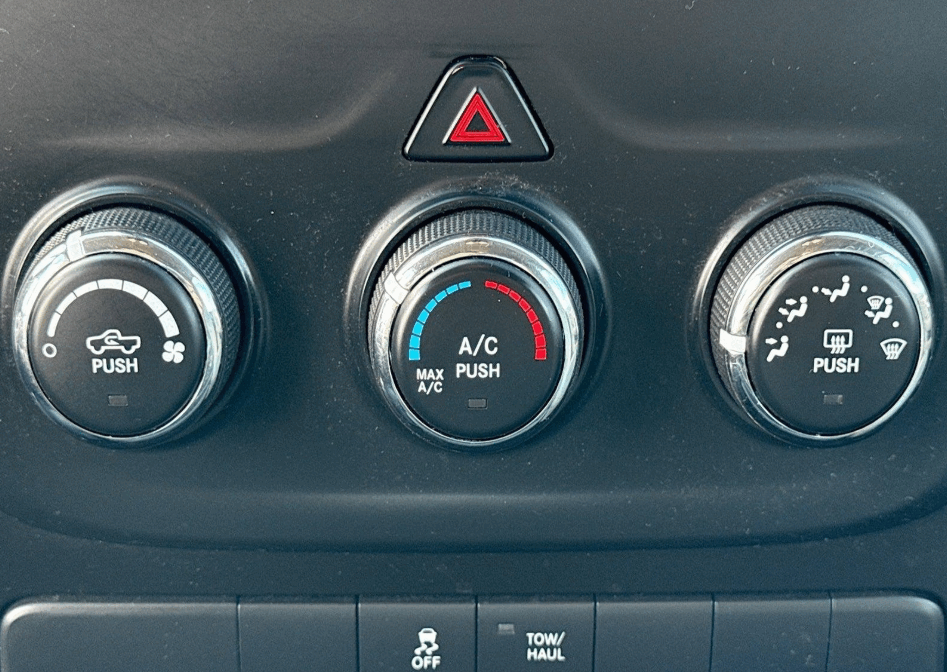
The first step is checking the basic AC settings. Make sure the temperature control is set to the coldest position and the system uses the correct AC mode. Drivers should also check whether the air changes when they adjust the temperature settings. If the airflow remains hot in every setting, the problem usually comes from the cooling system or temperature control components.
The next step is inspecting the AC compressor operation. When the AC turns on, the compressor clutch should engage and begin circulating refrigerant. If the clutch does not activate, the system may have an electrical problem, low refrigerant pressure, or compressor failure. A mechanic can confirm compressor operation through visual inspection and pressure testing.
Refrigerant pressure testing helps determine whether the system has enough refrigerant to produce cold air. Low pressure usually indicates a refrigerant leak or insufficient refrigerant level. However, adding refrigerant without finding the leak can only provide a temporary solution.
Electrical testing is another important diagnostic step. Technicians check fuses, relays, wiring connections, sensors, and HVAC control modules to find electrical failures. Modern Dodge Ram models rely on electronic controls, so a faulty sensor can prevent the AC system from operating correctly.
The final step involves checking the blend door actuator and scanning the vehicle computer for trouble codes. An OBD II scanner can identify HVAC related problems and help locate hidden system failures. Following this diagnostic process allows owners to find the actual cause of a Dodge Ram blowing hot air instead of replacing parts through guesswork.
Can a Bad AC Compressor or Blend Door Actuator Cause Hot Air?
A bad AC compressor or blend door actuator can cause a Dodge Ram to blow hot air. These two components affect different parts of the cooling process. The AC compressor controls refrigerant circulation, while the blend door actuator controls air temperature inside the HVAC housing.
The AC compressor is the main mechanical component in the cooling cycle. It compresses refrigerant and moves it through the condenser, evaporator, and other AC components. This process allows the system to remove heat from the cabin and produce cold air.
When the AC compressor fails, the system cannot create the pressure needed to circulate refrigerant. Drivers may notice warm air from the vents even when the AC button is active. Other symptoms include unusual compressor noises, reduced cooling performance, and an AC clutch that does not engage when the system turns on.
The blend door actuator creates a different type of AC problem. This component controls the position of the blend door, which directs air through either the cooling or heating pathway. When the actuator fails, the Dodge Ram may send warm air into the cabin even though the compressor and refrigerant system work properly.
Common signs of a damaged blend door actuator include clicking sounds behind the dashboard, incorrect temperature output, and different temperatures between passenger and driver vents. Some Dodge Ram models may also require HVAC calibration after actuator replacement to restore correct operation.
Understanding the difference between compressor failure and blend door problems helps owners identify the correct repair. A compressor issue requires checking the refrigerant and mechanical system, while a blend door failure requires inspecting HVAC airflow controls.
How Much Does It Cost to Fix a Dodge Ram Blowing Hot Air?
The cost to fix a Dodge Ram blowing hot air depends on the failed component, repair complexity, and vehicle model year. A simple refrigerant recharge usually costs less than replacing major HVAC components such as an AC compressor or blend door actuator. Proper diagnosis is important because the same symptom can come from different problems.
A refrigerant recharge is one of the lowest cost repairs when the system only has a low refrigerant level. However, a recharge does not solve the problem if the system has a leak. A technician must inspect hoses, seals, and AC components to locate the source of refrigerant loss before completing a permanent repair.
AC compressor replacement usually requires a higher repair cost because the component plays a central role in the cooling system. The repair process often includes removing the damaged compressor, installing a new unit, checking the refrigerant system, and recharging the AC. Labor costs can increase because the compressor location varies between Dodge Ram models.
A faulty blend door actuator usually costs less to repair than a compressor because the component itself is smaller. However, labor time can increase if the actuator sits in a difficult location behind the dashboard. Some repairs may also require HVAC calibration after installation.
Electrical repairs can vary widely depending on the failed part. Replacing a fuse or relay is usually simple, while diagnosing wiring problems or HVAC control module failures requires more time and specialized equipment.
The best way to control repair costs is to diagnose the problem before replacing parts. A complete inspection identifies the failed component and helps Dodge Ram owners choose the correct repair instead of spending money on unnecessary replacements.
How Can You Prevent Your Dodge Ram AC From Blowing Hot Air Again?
Preventing a Dodge Ram AC system from blowing hot air requires regular maintenance and early detection of small problems. The air conditioning system contains several connected components, so ignoring minor symptoms can lead to larger failures and higher repair costs.
Regular AC inspections help identify problems before they affect cooling performance. A technician can check refrigerant levels, inspect AC pressure, test compressor operation, and look for possible leaks. Finding a small refrigerant leak early prevents the compressor from working under excessive stress.
Keeping the condenser clean also helps maintain proper cooling performance. The condenser releases heat from the refrigerant before the cycle continues through the system. Dirt, leaves, and road debris can restrict airflow and reduce the system’s ability to remove heat from the cabin.
Replacing the cabin air filter at the recommended interval improves airflow through the HVAC system. A clogged filter reduces air volume from the vents and forces the blower motor to work harder. Clean airflow allows the AC system to deliver cooled air more effectively.
Drivers should also pay attention to early warning signs. Weak cooling, unusual AC noises, inconsistent temperatures, or clicking sounds from the dashboard often indicate developing problems. Addressing these symptoms early can prevent damage to expensive components such as the compressor or HVAC control system.
Using the AC system correctly also supports long term reliability. Running the AC periodically, even during cooler months, helps maintain seals and keeps refrigerant oil circulating through the system. Consistent maintenance reduces the chance of a Dodge Ram blowing hot air and helps the HVAC system provide reliable cooling performance.
Conclusion
A Dodge Ram blowing hot air is usually a sign of an AC system problem rather than a single failed component. The cooling system depends on several parts working together, including the compressor, refrigerant system, blend door actuator, sensors, and electrical controls. A failure in any of these areas can prevent the vehicle from producing cold air.
The most effective repair approach starts with accurate diagnosis. Checking refrigerant pressure, compressor operation, electrical signals, and HVAC controls helps identify the actual cause of the problem. This process prevents unnecessary part replacements and reduces repair costs.
Regular maintenance also plays an important role in keeping the Dodge Ram AC system reliable. Monitoring cooling performance, maintaining proper refrigerant levels, replacing the cabin air filter, and addressing unusual noises early can help prevent major failures.
When a Dodge Ram starts blowing hot air, drivers should focus on finding the root cause instead of relying on quick fixes. A correct diagnosis allows the right component to be repaired or replaced, restoring comfortable cabin temperatures and improving long term HVAC performance.