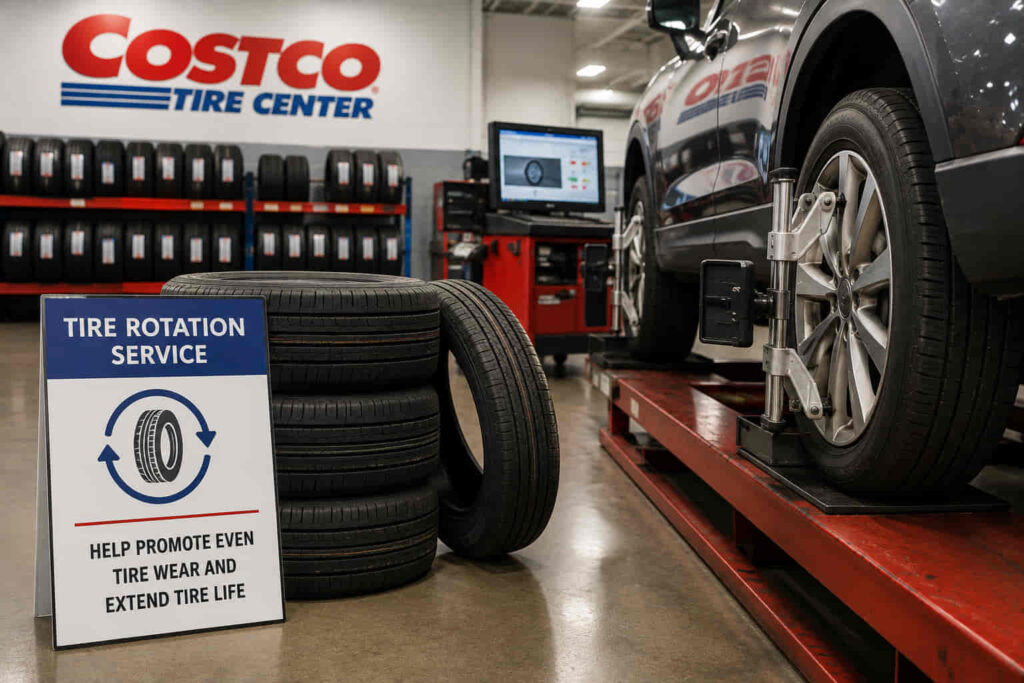
Costco Tire Center provides tire services that include maintenance solutions designed to help drivers maintain tire performance, and tire rotation is an important part of preventing uneven tread wear. Tire rotation involves changing the position of tires on a vehicle so that each tire experiences a more balanced amount of stress during driving.
Tires do not wear at the same rate because each wheel position performs different tasks. Front tires often handle additional forces from steering, braking, and acceleration, while rear tires may experience different loading patterns depending on the vehicle’s drivetrain and design. Without regular rotation, certain tires can wear faster and reduce the overall lifespan of the tire set.
A tire rotation service is more than simply moving tires from one position to another. A proper service includes evaluating tire condition, checking wear patterns, and ensuring the tires continue operating under appropriate conditions. These steps help identify potential problems before they become more serious.
Understanding how Costco tire rotation service works helps drivers make better decisions about tire maintenance. This guide explains what happens during a tire rotation, why the service matters, how often tires should be rotated, and how regular maintenance can help extend tire life and improve driving performance.
What Happens During a Costco Tire Rotation Service?
A Costco tire rotation service involves changing the position of the tires on a vehicle to help distribute tread wear more evenly across the entire tire set. The purpose of this service is to reduce uneven wear patterns that develop because each tire position experiences different forces during normal driving.
During a tire rotation, the tire positions are changed according to a pattern that matches the vehicle type and tire design. The correct rotation pattern depends on factors such as whether the vehicle uses front-wheel drive, rear-wheel drive, or all-wheel drive, as well as whether the tires are directional or non-directional.
A proper tire rotation service also provides an opportunity to inspect the condition of the tires. Technicians can evaluate tread wear patterns, check tire pressure, and identify potential issues such as uneven wear, damage, or signs that another maintenance service may be needed.
For example, front-wheel-drive vehicles often place more stress on the front tires because those tires handle steering, braking, and power delivery. Rotating the tires allows the rear tires to share some of this workload, helping the entire set wear at a more balanced rate.
Tire rotation does not repair damaged tires or correct mechanical problems such as improper alignment, but it is an important preventive maintenance procedure. Regular rotation helps maintain consistent tire performance and allows drivers to identify developing problems before they lead to premature tire replacement.
Why Is Tire Rotation Important for Tire Life?
Tire rotation is important for tire life because it helps prevent uneven tread wear and allows all four tires to reach a more similar level of wear before replacement is needed. Without regular rotation, certain tires may experience higher stress and wear faster than others, reducing the useful life of the complete tire set.
Different wheel positions create different wear patterns. Front tires typically experience greater forces from steering and braking, while rear tires may wear differently depending on vehicle design and driving conditions. This uneven workload causes some tires to lose tread depth faster than others.
Maintaining balanced tread wear improves more than just tire longevity. Tires with similar wear levels provide more consistent traction, handling response, and braking performance. Unevenly worn tires can affect vehicle stability, especially during cornering, wet conditions, or emergency braking situations.
For example, a vehicle that never receives tire rotations may require replacement of two worn tires while the other two still have usable tread. Regular rotation helps prevent this uneven aging pattern and allows drivers to maximize the value of the entire tire set.
Tire rotation works best when combined with other maintenance practices such as maintaining correct tire pressure and checking wheel alignment. These actions support better tire performance and help drivers avoid unnecessary replacement costs caused by preventable wear.
How Often Should You Rotate Tires?
Tires should be rotated regularly to maintain balanced tread wear, but the ideal rotation schedule depends on the vehicle type, tire specifications, driving conditions, and manufacturer recommendations. A consistent rotation schedule helps prevent one set of tires from wearing faster than the others and allows drivers to maximize the lifespan of the complete tire set.
Many vehicles require tire rotation at regular mileage intervals, but the exact timing can vary depending on how the vehicle is used. Drivers who frequently travel long distances, carry heavy loads, drive in stop-and-go traffic, or operate in demanding conditions may experience faster uneven wear and may need to monitor tire condition more frequently.
Driving habits have a direct effect on tire wear patterns. Frequent acceleration, hard braking, sharp cornering, and poor road conditions increase stress on specific tires. A vehicle that is mostly driven on smooth highways may develop different wear patterns compared with a vehicle used for daily city driving.
For example, a front-wheel-drive vehicle used for commuting may experience faster front tire wear because the front tires handle steering, braking, and engine power. Regular rotation helps distribute this workload more evenly and prevents the front tires from wearing out significantly earlier than the rear tires.
Following a recommended tire rotation schedule helps maintain predictable handling, improve tire longevity, and reduce the chance of premature replacement. Rotation should be combined with proper inflation checks and regular tire inspections to achieve the best maintenance results.
Does Costco Rotate Tires You Did Not Buy There?
Whether Costco rotates tires that were not purchased at Costco depends on service availability, tire condition, and the specific policies of the Costco Tire Center location. Tire rotation is a maintenance service that requires the tires to be suitable for inspection and safe operation before the service can be performed.
When a vehicle arrives for tire rotation, the condition of the tires remains an important factor. Technicians need to evaluate tread wear, tire pressure, damage, and other conditions that may affect whether rotation is appropriate. A tire with excessive wear or structural damage may require additional attention before any maintenance service.
Customers should also understand that tire service policies can vary based on factors such as membership status, previous tire purchases, and location-specific procedures. Confirming available services with the local Costco Tire Center can help drivers understand what to expect before scheduling maintenance.
For example, a vehicle with properly maintained tires and normal tread wear may be suitable for a standard rotation service, while a vehicle with uneven wear caused by alignment problems may require additional inspection.
The goal of tire rotation is to improve tire balance and lifespan, but it must be performed under conditions that support safe vehicle operation. Proper evaluation ensures that the service provides real maintenance value rather than simply changing tire positions.
What Is the Difference Between Tire Rotation and Tire Alignment?
Tire rotation and tire alignment are different maintenance services because rotation changes tire positions, while alignment adjusts the angles of the wheels to ensure proper contact with the road. Both services influence tire wear, but they address different causes of tire performance problems.
Tire rotation focuses on distributing wear between tire positions. Since different wheels experience different levels of stress, moving tires between positions helps create more balanced tread wear. Rotation does not change the direction of the wheels or correct suspension-related issues.
Wheel alignment focuses on adjusting suspension angles such as toe, camber, and caster to ensure the tires meet the road correctly. Poor alignment can cause uneven wear on the inside or outside edges of the tread and may reduce handling stability.
Tire balancing is another related service that solves a different issue. Balancing corrects uneven weight distribution around the wheel and can help reduce vibration, especially at higher speeds.
For example, a vehicle with uneven front tire wear may need rotation to balance tread usage, but if the wear pattern shows excessive edge wear, alignment may also be necessary to correct the underlying cause.
Understanding these differences helps drivers choose the correct maintenance service. Tire rotation supports even wear, alignment corrects wheel positioning, and balancing improves wheel stability.
Read more: Is Tire and Wheel Protection Worth It
What Are the Signs Your Tires Need Rotation?
Your tires may need rotation when you notice uneven tread wear, changes in vehicle handling, unusual noise, or differences in wear between the front and rear tires. These signs indicate that certain tires may be experiencing more stress than others and are wearing at a faster rate.
Uneven tread wear is one of the clearest indicators that tires are not wearing consistently. One tire position may show noticeably less tread depth, or specific areas of the tread may appear more worn than others. This pattern often develops because different wheels handle different levels of steering, braking, and acceleration forces.
Changes in driving performance can also indicate the need for tire rotation. Drivers may notice reduced stability, vibration, or changes in steering response when tires develop uneven wear. These issues occur because tires with different wear levels may not provide the same level of road contact and traction.
Increased road noise can also be a sign of irregular wear. When tread blocks wear unevenly, they can create additional noise during driving, especially at higher speeds. Early detection allows drivers to address the problem before the wear becomes severe.
For example, a front-wheel-drive vehicle that has not received regular rotations may develop significantly more wear on the front tires because they handle steering and power delivery. Rotating the tires helps distribute this workload across the complete set.
Recognizing these signs helps drivers maintain tire performance and avoid unnecessary replacement costs. Regular inspections make it easier to identify when rotation is needed before uneven wear affects safety and tire lifespan.
How Does Regular Tire Rotation Save Money?
Regular tire rotation can save money by extending tire lifespan, reducing uneven wear, and helping drivers avoid premature tire replacement. Although rotation is a simple maintenance procedure, it protects the investment made when purchasing a complete set of tires.
Without regular rotation, certain tires may wear faster because they experience higher levels of stress during driving. Replacing only two worn tires while the remaining tires still have usable tread can create differences in tire performance and reduce the overall efficiency of tire replacement planning.
Balanced tire wear allows the complete set to reach the end of its useful life at a more similar rate. This means drivers can replace all tires at an appropriate time instead of replacing individual tires earlier due to preventable uneven wear.
Regular rotation also supports better fuel efficiency and vehicle performance by helping tires maintain their intended contact with the road. Tires that wear unevenly can increase rolling resistance, reduce traction, and affect handling characteristics.
For example, a driver who maintains regular rotation intervals may extend the service life of a tire set by preventing excessive wear on one axle. Over several years, this can reduce the frequency of tire purchases and lower overall vehicle maintenance costs.
Tire rotation should be considered a preventive maintenance investment rather than an unnecessary service expense. Combined with proper inflation and alignment checks, regular rotation helps maximize tire value and maintain safer driving performance.
What Should You Know About Costco Tire Rotation Service?
Costco tire rotation service can help drivers maintain more balanced tire wear, extend tire lifespan, and improve the long-term value of their tire investment. Tire rotation is a simple maintenance procedure, but it plays an important role in preventing certain tires from wearing faster than others.
The value of tire rotation comes from addressing the natural differences between tire positions. Front tires, rear tires, and tires on different drivetrain systems experience different forces during driving. By changing tire positions regularly, drivers can help distribute these forces more evenly and maintain more consistent tread wear.
However, tire rotation is only one part of complete tire maintenance. Proper tire pressure, wheel alignment, tire inspections, and responsible driving habits also influence tire performance and safety. Rotation cannot fix damaged tires or mechanical problems, but it can help prevent premature wear caused by uneven usage.
Drivers should follow the recommended rotation schedule for their vehicle and monitor tire condition regularly. Early attention to uneven wear patterns can prevent larger problems and reduce unnecessary replacement costs.
Overall, Costco tire rotation service is valuable because it supports longer tire life, more predictable vehicle handling, and better maintenance planning. Regular rotation helps drivers get the most performance and durability from their tires while protecting the investment made in their vehicle.