The Honda 1.5 Turbo engine offers an excellent balance of fuel efficiency, responsive performance, and everyday practicality. Even so, many owners and used car shoppers still wonder about one important question. How long does this engine really last?
The Honda 1.5 Turbo engine life expectancy depends on several key factors. Regular maintenance, driving habits, climate, and model year all play a major role. A well maintained engine can often exceed 150,000 miles. Many owners also report reliable performance beyond 200,000 miles. Poor maintenance, however, can shorten its lifespan and lead to expensive repairs.
Many buyers worry about oil dilution, carbon buildup, turbocharger wear, and fuel injector issues. These concerns deserve attention, but they do not affect every vehicle. In many cases, proper maintenance helps reduce the risk of serious engine problems and supports long term reliability.
This guide explores the Honda 1.5 Turbo engine life expectancy in detail. You will learn what affects engine longevity, which problems deserve the most attention, and how to extend the life of your engine. You will also discover what to inspect before buying a used Honda with the 1.5 Turbo engine.
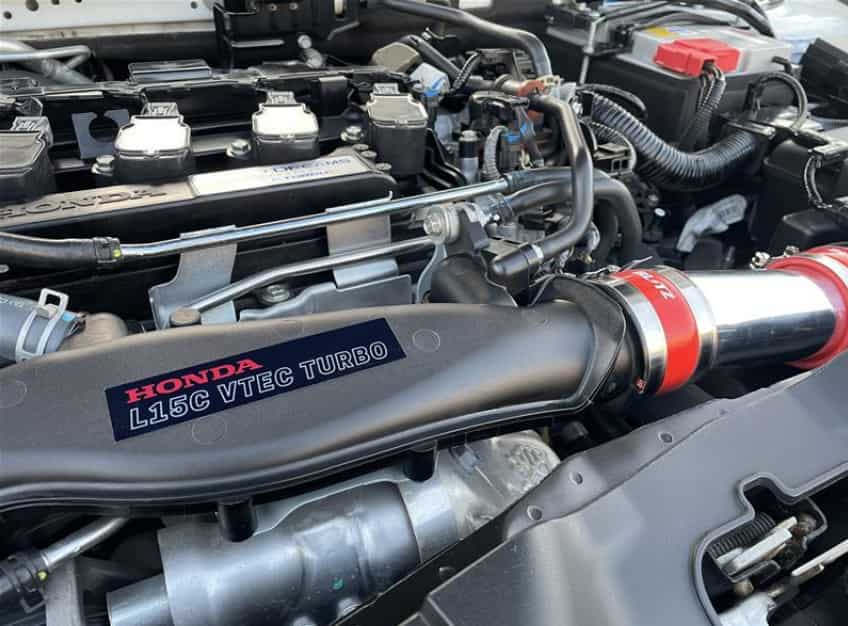
What Is the Average Honda 1.5 Turbo Engine Life Expectancy?
Many drivers want a simple answer about the Honda 1.5 Turbo engine life expectancy. The truth is that no engine has a fixed lifespan. Every vehicle experiences different driving conditions, maintenance routines, and environmental factors. These differences explain why two identical Honda models can show very different levels of reliability after the same mileage.
Under normal driving conditions, the Honda 1.5 Turbo engine can often deliver reliable performance for 150,000 to 200,000 miles. Many well maintained vehicles continue running beyond this range without major internal engine repairs. Owners who follow the recommended service schedule and address problems early often report even higher mileage.
Regular maintenance plays the biggest role in engine longevity. Fresh engine oil protects internal components and keeps the turbocharger properly lubricated. Clean air filters, healthy spark plugs, and a well maintained cooling system also reduce unnecessary engine stress. Small maintenance tasks may seem minor, but they often determine how long the engine remains dependable.
Driving habits matter just as much as maintenance. Gentle acceleration during cold starts helps engine oil circulate before the turbocharger reaches full operating speed. Highway driving also creates less stress than constant stop and go traffic. Short trips may prevent the engine from reaching normal operating temperature, which can increase moisture and fuel contamination inside the engine oil over time.
The condition of the vehicle is often more important than the number shown on the odometer. A Honda with 180,000 miles and complete service records may be a safer purchase than another vehicle with only 90,000 miles and a poor maintenance history. Buyers should always evaluate the entire vehicle instead of focusing only on mileage.
Expected Mileage Under Normal Driving Conditions
Most automotive technicians consider 150,000 miles a realistic expectation for a properly maintained Honda 1.5 Turbo engine. Many engines continue performing well past 200,000 miles when owners follow recommended maintenance intervals. High mileage alone does not indicate that an engine is close to failure.
Several factors influence engine life. Oil quality, driving style, climate, fuel quality, and maintenance history all contribute to long term durability. Engines that spend most of their time on highways often experience less wear than those used mainly for short urban trips.
Can a Honda 1.5 Turbo Last 200,000 Miles?
Yes, many Honda 1.5 Turbo engines can reach 200,000 miles with proper care. Success depends on consistent maintenance rather than luck. Owners should change the engine oil on time, monitor fluid levels, replace worn ignition components, and inspect the cooling system regularly.
Early diagnosis also makes a significant difference. Minor issues such as small coolant leaks, unusual engine noises, or rough idle can become expensive repairs when ignored. Addressing these problems early helps protect both the engine and the turbocharger.
Engine Life Versus Turbocharger Life
Many people assume the turbocharger will last as long as the engine. In reality, these components often experience different levels of wear. The turbocharger operates under extremely high temperatures and rotational speeds. Clean engine oil is essential because it lubricates and cools the turbo bearings.
A worn turbocharger does not always mean the engine has reached the end of its life. Many owners replace or repair the turbo while the engine continues delivering reliable performance for many additional years. Regular oil changes and careful driving habits remain the most effective ways to protect both components.
Which Honda Models Use the 1.5 Turbo Engine?
Honda introduced the 1.5 liter turbocharged engine to improve fuel efficiency without sacrificing everyday performance. The company installed this engine in several popular models, giving drivers a balance of responsive acceleration and lower fuel consumption. Although these vehicles share the same engine family, their long term durability can vary because of vehicle weight, driving habits, and maintenance quality.
The Honda Civic is one of the most recognized models powered by the 1.5 Turbo engine. Its lighter body places less stress on the powertrain, making it a popular choice for drivers who want an efficient and reliable compact car. Many owners report strong performance and dependable operation after years of regular maintenance.
Honda also equipped the CR V with the same engine. As a compact SUV, the CR V carries more weight and often serves as a family vehicle. Frequent short trips and heavy cargo can increase engine workload. Following the recommended maintenance schedule becomes even more important to protect the engine and turbocharger over time.
The Honda Accord also uses the 1.5 Turbo engine in selected trims. Many Accord owners drive longer highway distances, which can reduce engine wear by allowing the powertrain to reach normal operating temperature. Regular servicing and quality engine oil remain essential for maintaining long term reliability.
While these Honda models use the same basic engine, no two vehicles age in exactly the same way. Service history, driving conditions, and owner care have a greater impact on the Honda 1.5 Turbo engine life expectancy than the model itself.
What Factors Affect Honda 1.5 Turbo Engine Longevity?
The Honda 1.5 Turbo engine life expectancy depends on much more than the mileage shown on the odometer. Every engine experiences different driving conditions, maintenance routines, and environmental factors. These variables determine how quickly internal components wear over time. Owners who understand these factors can reduce unnecessary stress on the engine and improve long term reliability.
Regular oil changes have the greatest impact on engine life. Clean engine oil lubricates moving parts, protects the turbocharger, and helps control engine temperature. Delaying oil changes allows contaminants to build up, which increases wear on critical components. Using the oil grade recommended by Honda also helps the engine perform as designed.
Driving habits also influence engine longevity. Gentle acceleration after a cold start gives the engine enough time to circulate oil before operating under heavy load. Frequent hard acceleration and aggressive driving create additional heat and place more stress on the turbocharger. By comparison, steady highway driving usually produces less wear than constant stop and go traffic.
Climate plays another important role. Cold weather may increase fuel contamination in the engine oil because the engine needs more time to reach normal operating temperature. Extremely hot conditions place extra demand on the cooling system and engine oil. Regular inspections help prevent these conditions from developing into larger problems.
Routine maintenance remains the key to long term durability. Replacing spark plugs on schedule, checking coolant levels, inspecting air filters, and responding to warning lights early can prevent minor issues from becoming expensive repairs. When owners combine good maintenance with careful driving habits, the Honda 1.5 Turbo engine can deliver dependable performance for many years.
Common Honda 1.5 Turbo Problems That May Reduce Engine Life
No engine is completely free from mechanical problems, and the Honda 1.5 Turbo is no exception. Most owners enjoy years of reliable performance, but a few common issues can affect long term durability. Identifying these problems early helps reduce repair costs and protects the engine from unnecessary damage.
One of the most discussed concerns is oil dilution. In some driving conditions, a small amount of fuel may mix with the engine oil before the engine reaches full operating temperature. This issue is more common in cold climates and during frequent short trips. Contaminated oil loses some of its protective properties, which may increase engine wear if owners delay oil changes.
Carbon buildup is another issue that can develop over time. Because the engine uses direct fuel injection, fuel does not clean the intake valves during normal operation. Carbon deposits may gradually accumulate and affect airflow. Drivers may notice rough idling, slower acceleration, or reduced fuel economy as the deposits increase.
The turbocharger also requires regular attention. It operates at very high speeds and depends on a constant supply of clean engine oil. Poor lubrication or neglected maintenance can shorten turbocharger life. Early warning signs include unusual whining noises, reduced boost pressure, or a noticeable loss of engine performance.
Some owners have also reported fuel injector problems, coolant leaks, or head gasket concerns. These issues do not affect every vehicle, but they should never be ignored. Prompt diagnosis often prevents more expensive repairs and helps preserve the overall Honda 1.5 Turbo engine life expectancy.
Most of these problems develop gradually rather than appearing without warning. Routine inspections, timely maintenance, and early repairs remain the best ways to extend engine life and maintain reliable performance for years to come.
Warning Signs Your Honda 1.5 Turbo Engine Is Wearing Out
A healthy engine usually gives clear warning signs before a major failure occurs. Recognizing these symptoms early can prevent expensive repairs and help extend the Honda 1.5 Turbo engine life expectancy. Ignoring small problems often leads to greater damage over time.
One of the first signs is increased oil consumption. If the engine requires frequent oil top ups between scheduled services, it may indicate internal wear or a developing turbocharger problem. Checking the oil level regularly helps detect this issue before it becomes more serious.
Unusual exhaust smoke also deserves attention. Blue smoke may suggest that the engine is burning oil, while white smoke can indicate a coolant related problem. Thick black smoke often points to an incorrect air and fuel mixture. Any persistent smoke should receive a professional inspection.
Drivers should also pay attention to unusual sounds. A whining or rattling noise from the turbocharger may indicate worn bearings or reduced lubrication. Loss of power during acceleration can also signal a turbocharger or fuel system issue.
Other warning signs include rough idling, engine misfires, poor fuel economy, coolant loss, and a fuel smell in the engine oil. These symptoms do not always mean the engine has suffered major damage, but they should never be ignored. An illuminated check engine light also requires immediate diagnosis because it may reveal hidden problems before they become costly repairs.
Responding quickly to these warning signs gives owners the best chance of avoiding major engine damage. Early maintenance often costs far less than replacing major engine components.
How to Make a Honda 1.5 Turbo Engine Last Longer
Good maintenance habits have a direct impact on the Honda 1.5 Turbo engine life expectancy. While no engine lasts forever, consistent care can reduce wear and improve long term reliability. Small actions performed at the right time often prevent costly repairs later.
Changing the engine oil on schedule is the most important step. Fresh oil protects internal components, lubricates the turbocharger, and helps control operating temperature. Owners should always use the oil specification recommended by Honda and check the oil level between service intervals.
Gentle driving during the first few minutes after startup also helps extend engine life. Cold engine oil needs time to circulate through the engine and turbocharger. Smooth acceleration reduces stress until the engine reaches its normal operating temperature.
Routine inspections can identify small problems before they become major repairs. Drivers should monitor coolant levels, inspect hoses for leaks, and replace worn spark plugs at the recommended interval. A clean air filter also supports efficient combustion and reduces unnecessary strain on the engine.
Fuel quality plays an important role as well. Purchasing fuel from reputable stations helps keep the fuel system clean and supports consistent engine performance. Following the octane recommendation in the owner’s manual is usually the best choice for everyday driving.
Owners should never ignore warning lights or unusual engine behavior. Rough idling, reduced power, fluid leaks, or unfamiliar noises often indicate problems that require immediate attention. Early repairs usually cost less and help prevent damage to other components.
Finally, avoid aggressive engine modifications unless they are professionally engineered and properly supported. Higher boost pressure increases heat and mechanical stress, which can shorten the lifespan of both the engine and the turbocharger. Careful driving and regular maintenance remain the most effective ways to keep the Honda 1.5 Turbo engine running reliably for many years.
Honda 1.5 Turbo Maintenance Schedule for Maximum Lifespan
Following a consistent maintenance schedule is one of the best ways to maximize the Honda 1.5 Turbo engine life expectancy. Regular inspections help detect early signs of wear and reduce the risk of unexpected repairs. While every Honda model has its own maintenance requirements, the following schedule provides a useful reference for most owners.
| Maintenance Item | Recommended Interval | Why It Matters |
|---|---|---|
| Engine oil and oil filter | Follow the Honda Maintenance Minder or change sooner under severe driving conditions | Protects internal engine parts and turbocharger bearings |
| Engine oil level | Check at least once a month | Helps detect oil consumption or fuel contamination early |
| Air filter | Inspect regularly and replace when necessary | Maintains proper airflow and engine efficiency |
| Spark plugs | Follow the model specific service schedule | Improves combustion and prevents engine misfires |
| Engine coolant | Replace according to the owner’s manual | Prevents overheating and protects the cooling system |
| Transmission fluid | Inspect and replace at the recommended interval | Supports smooth power delivery and drivetrain reliability |
| Turbocharger | Inspect if unusual noise or power loss occurs | Identifies wear before major damage develops |
| Fuel injectors | Check when rough idle or misfires appear | Maintains efficient fuel delivery and engine performance |
| PCV system | Inspect during routine service | Reduces crankcase pressure and limits oil contamination |
This maintenance schedule should serve as a general guide rather than a fixed rule. Driving conditions, climate, and vehicle usage all influence service needs. Owners who drive in heavy traffic, tow regularly, or make frequent short trips may need more frequent maintenance.
Keeping detailed service records also adds long term value. A documented maintenance history helps technicians diagnose problems more quickly and gives future buyers greater confidence in the vehicle. Consistent maintenance remains the most effective way to protect the engine, reduce ownership costs, and extend the Honda 1.5 Turbo engine life expectancy.
Is the Honda 1.5 Turbo Reliable After 100,000 Miles?
Many buyers hesitate when they see a Honda with more than 100,000 miles. In reality, mileage alone does not determine reliability. A well maintained vehicle often performs better than a lower mileage car with a poor service history. The Honda 1.5 Turbo engine life expectancy depends more on maintenance than the number displayed on the odometer.
After 100,000 miles, several components deserve closer attention. Spark plugs, ignition coils, cooling system parts, and engine mounts may show normal wear. The turbocharger should also receive a careful inspection for oil leaks, unusual noises, or reduced boost pressure. These parts naturally age over time, but timely replacement helps prevent larger problems.
Service records provide valuable information when evaluating a high mileage Honda. Regular oil changes, coolant service, and scheduled inspections show that previous owners cared for the vehicle. A clean maintenance history also reduces the risk of hidden engine damage caused by neglected repairs.
Drivers should also look beyond the engine itself. A smooth cold start, stable idle, and consistent acceleration often indicate a healthy powertrain. There should be no warning lights, excessive exhaust smoke, or unusual engine noises during a test drive. A professional pre purchase inspection can reveal issues that may not appear during normal driving.
A Honda 1.5 Turbo with more than 100,000 miles can still provide many years of dependable service. The overall condition of the vehicle, combined with proper maintenance, remains the strongest indicator of long term reliability.
Should You Buy a Used Honda With a 1.5 Turbo Engine?
Buying a used Honda with the 1.5 Turbo engine can be a smart decision if the vehicle has received proper care. Many examples continue to deliver reliable performance well beyond 100,000 miles. The key is to evaluate the condition of the vehicle instead of focusing only on its age or mileage.
Start by reviewing the maintenance records. Regular oil changes, coolant service, and scheduled inspections show that the previous owner followed the recommended maintenance plan. A complete service history also makes it easier to identify recurring problems or major repairs.
A thorough inspection is equally important. Start the engine when it is cold and listen for unusual noises. Check the exhaust for excessive smoke and inspect the engine bay for signs of oil or coolant leaks. During the test drive, the engine should idle smoothly, accelerate without hesitation, and maintain steady power. Any warning lights or unusual vibrations deserve further investigation before making a purchase.
Ask the seller about previous repairs and driving habits. Find out whether the vehicle was used mainly for highway driving or frequent short trips. Ask if the turbocharger, fuel injectors, or cooling system have required repairs. Honest answers can provide valuable insight into the vehicle’s overall condition.
A professional pre purchase inspection remains one of the best investments before buying any used vehicle. An experienced technician can identify hidden issues that may not appear during a short test drive. When the vehicle has a solid maintenance history and passes a detailed inspection, a used Honda with the 1.5 Turbo engine can offer excellent value and a long remaining service life.
Honda 1.5 Turbo Versus Naturally Aspirated Honda Engines
The Honda 1.5 Turbo engine and Honda’s naturally aspirated engines each offer unique advantages. Choosing between them depends on your driving needs, maintenance habits, and long term ownership goals. Neither option is perfect, but both can provide excellent reliability when properly maintained.
The 1.5 Turbo engine delivers stronger low speed torque and quicker acceleration. The turbocharger helps produce more power from a smaller engine while maintaining good fuel efficiency. This combination makes the engine feel responsive during city driving and highway merging.
Naturally aspirated Honda engines use a simpler design with fewer high stress components. Without a turbocharger, these engines generate less heat and have fewer parts that require long term attention. Many drivers choose them because of their proven durability and lower maintenance complexity.
The Honda 1.5 Turbo engine requires closer attention to oil quality and routine maintenance. Clean engine oil protects both the engine and the turbocharger, making regular service more important than it is for many naturally aspirated engines. Owners who follow the recommended maintenance schedule often enjoy years of dependable performance without major repairs.
For buyers who value fuel economy and stronger performance, the 1.5 Turbo remains an excellent choice. Drivers who prefer mechanical simplicity may feel more comfortable with a naturally aspirated engine. In either case, the maintenance history matters far more than the engine type. A well maintained vehicle usually offers better long term reliability than a neglected one, regardless of which engine it uses.
Frequently Asked Questions
How many miles can a Honda 1.5 Turbo engine last?
A well maintained Honda 1.5 Turbo engine can often last between 150,000 and 200,000 miles. Some owners report even higher mileage with consistent maintenance and careful driving habits. Regular oil changes, timely repairs, and proper cooling system care have a greater impact on engine life than mileage alone.
Can the Honda 1.5 Turbo reach 200,000 miles?
Yes. Many vehicles equipped with this engine continue to perform well beyond 200,000 miles. Reaching this milestone depends on routine maintenance, high quality engine oil, and early repairs when problems appear. Neglecting basic maintenance can shorten the engine’s lifespan.
Is the Honda 1.5 Turbo engine reliable?
The Honda 1.5 Turbo has earned a reputation for strong performance and good fuel economy. Like any modern turbocharged engine, it requires regular maintenance to remain reliable. Owners who follow the recommended service schedule often experience many years of dependable operation.
Does every Honda 1.5 Turbo have oil dilution problems?
No. Oil dilution does not affect every vehicle. The issue is more likely to appear in cold climates or when the vehicle is driven on frequent short trips. Honda has introduced updates for many affected models, and regular oil changes help reduce potential risks.
Most Honda models equipped with the 1.5 Turbo engine operate properly on the fuel grade recommended in the owner’s manual. Using higher octane fuel does not always improve performance or increase engine life. Following Honda’s fuel recommendation remains the best approach.
How long does the turbocharger usually last?
The turbocharger often lasts well over 100,000 miles when it receives proper lubrication and regular maintenance. Clean engine oil plays a critical role because it lubricates and cools the turbocharger bearings. Ignoring oil changes can significantly reduce turbocharger life.
What mileage is too high for a used Honda 1.5 Turbo?
There is no fixed mileage that automatically makes a vehicle a poor purchase. A Honda with 150,000 miles and complete service records may be a better choice than another vehicle with half the mileage but little maintenance history. Buyers should evaluate the overall condition instead of focusing only on the odometer.
Is the Honda 1.5 Turbo expensive to maintain?
Routine maintenance costs remain comparable to many modern compact engines. Major repairs usually occur only when owners ignore warning signs or delay scheduled service. Preventive maintenance is often far less expensive than repairing engine or turbocharger damage.
Final Verdict
The Honda 1.5 Turbo engine has proven that a modern turbocharged engine can deliver both strong performance and impressive fuel efficiency. While no engine has a guaranteed lifespan, proper maintenance can make a significant difference. Regular oil changes, timely inspections, and responsible driving habits all help extend the Honda 1.5 Turbo engine life expectancy.
Common concerns such as oil dilution, carbon buildup, and turbocharger wear should not discourage potential buyers. These issues do not affect every vehicle, and many can be managed through routine maintenance and early repairs. A complete service history and careful inspection are often more valuable than a low mileage reading when evaluating a used Honda.
For current owners, staying ahead of maintenance remains the best investment. Following the recommended service schedule and addressing small problems early can reduce repair costs and improve long term reliability. For used car buyers, choosing a well maintained vehicle is usually more important than choosing the newest model year.
If you are looking for a practical, fuel efficient, and enjoyable daily driver, the Honda 1.5 Turbo remains a strong option. With proper care, it can provide many years of dependable performance and continue delivering excellent value long after the odometer reaches six figures.
Have you owned a Honda with the 1.5 Turbo engine? Share your mileage, maintenance experience, and any repairs in the comments. Your experience may help other drivers make a more informed decision.