Imagine you’re driving as usual when a message suddenly appears on your dashboard: “Brake System Service Required.” For most drivers, this warning immediately raises several questions. Is it safe to continue driving? Is the problem something minor, such as low brake fluid, or could it indicate a serious issue that puts you and your passengers at risk?
Your vehicle’s braking system is one of its most critical safety components. Even a small problem can reduce braking performance, increase stopping distance, or lead to costly repairs if ignored for too long. While the warning message does not always mean that complete brake failure is imminent, it should never be dismissed or postponed.
In this guide, we’ll explain exactly what the Brake System Service Required warning means, explore the most common causes behind it, and discuss the steps you should take to address the issue safely. You’ll also learn when it’s acceptable to drive cautiously and when immediate professional assistance is necessary.
Understanding this warning early can help you avoid unnecessary expenses, prevent further damage to your vehicle, and most importantly, keep everyone on the road safe.
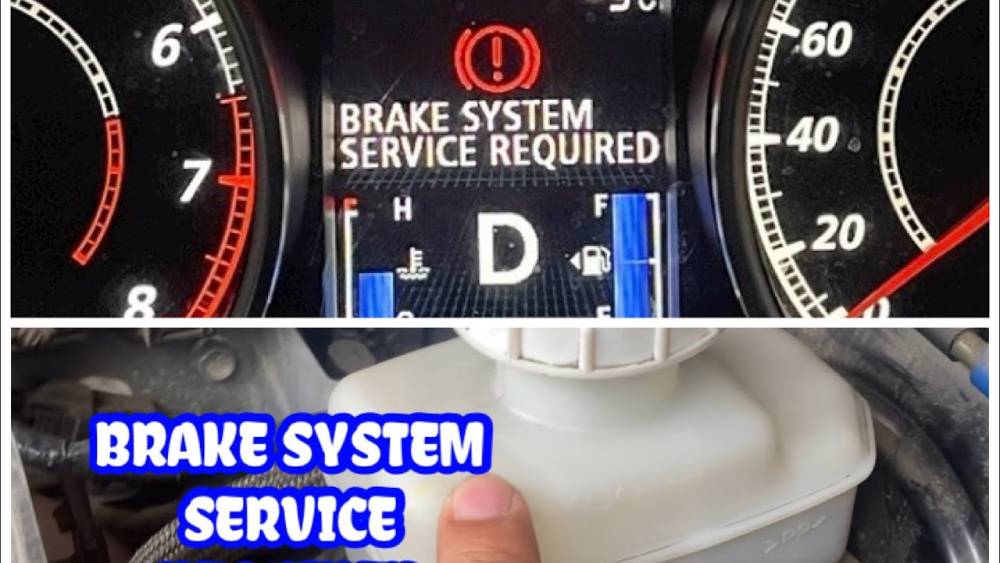
What Does “Brake System Service Required” Mean?
The Brake System Service Required warning is a notification generated by your vehicle’s onboard diagnostic system to indicate that one or more components within the braking system require attention. Modern vehicles rely on a network of sensors and electronic control modules to monitor brake performance continuously. When an abnormal condition is detected, the system alerts the driver through a dashboard message.
It is important to understand that this warning does not always indicate an immediate brake failure. In some cases, it may be triggered by routine maintenance needs such as worn brake pads or low brake fluid levels. However, it can also point to more serious issues involving the anti lock braking system, hydraulic components, or electronic control units.
Drivers often confuse this message with other brake related indicators. The standard brake warning light may signal an engaged parking brake or a hydraulic system problem. The ABS warning light specifically relates to issues within the anti lock braking system. The Brake System Service Required message generally serves as a broader reminder that the vehicle’s braking system needs professional evaluation.
Ignoring this warning can lead to worsening performance and higher repair costs over time. Even if the brakes appear to function normally, scheduling an inspection as soon as possible is the safest approach.
Is It Safe to Drive With This Warning?
The answer depends on how your vehicle behaves after the warning appears. If the brakes continue to respond normally and you do not notice any unusual symptoms, it may be possible to drive cautiously for a short distance to reach a repair facility. However, this should never become an excuse to postpone the inspection.
There are situations where driving may still be considered relatively safe. These include cases where braking performance feels unchanged, no unusual sounds are present, and no additional warning lights are illuminated. Even under these circumstances, drivers should avoid long trips, heavy traffic conditions, and high speed travel until the issue has been diagnosed.
On the other hand, certain symptoms require immediate action. If the brake pedal feels soft or sinks toward the floor, if the vehicle pulls to one side during braking, if you hear grinding noises, or if the stopping distance suddenly increases, you should stop driving as soon as it is safe to do so. A burning smell near the wheels or the appearance of a red brake warning light may also indicate a serious safety concern.
One of the biggest mistakes drivers make is assuming the warning is simply the result of a faulty sensor. While this occasionally happens, relying on that assumption can lead to dangerous consequences. The cost of an inspection is insignificant compared with the risks associated with a compromised braking system.
Common Causes of the Brake System Service Required Message
Several issues can trigger the Brake System Service Required warning. Understanding the most common causes can help you communicate more effectively with a technician and gain a better understanding of potential repair needs.
Low brake fluid is among the leading causes of this warning. Brake fluid transfers force from the pedal to the braking components. When fluid levels drop due to leaks or normal wear, the system may activate the warning message. Drivers may also notice changes in pedal feel or reduced braking responsiveness.
Worn brake pads represent another frequent cause. Brake pads gradually wear down through normal use. Many modern vehicles include sensors designed to alert drivers when replacement becomes necessary. Delaying pad replacement can eventually damage brake rotors and increase repair expenses.
Problems within the anti lock braking system can also trigger the warning. Faulty wheel speed sensors, damaged wiring, or issues with the ABS control module may disrupt system operation and activate dashboard alerts.
Brake fluid sensor malfunctions occasionally generate false warnings. Although the braking system itself may still function properly, professional diagnostic testing is required to confirm the actual source of the problem.
Hydraulic leaks present one of the most serious scenarios. A leaking brake line or damaged component can reduce hydraulic pressure and significantly impair stopping ability. Any visible fluid leak near the wheels or beneath the vehicle should be treated as an urgent concern.
Electronic control module issues, parking brake malfunctions, and excessive rotor wear are additional factors that may contribute to the appearance of this warning message. Because multiple systems interact within modern braking technology, a comprehensive inspection remains the most reliable method for identifying the exact cause.
What to Do When You See This Warning
Seeing a Brake System Service Required message can be alarming, but taking the right steps can help protect both your safety and your vehicle from further damage. The first thing you should do is remain calm and avoid sudden braking or aggressive driving maneuvers. Panicking can increase the risk of accidents, especially if the warning appears in heavy traffic.
Pay close attention to how the vehicle responds when you press the brake pedal. If the pedal feels firm and the vehicle stops normally, reduce your speed and drive cautiously to a safe location where you can assess the situation. However, if the brake pedal feels soft, requires excessive force, or sinks toward the floor, you should stop driving immediately and seek professional assistance.
If you are familiar with basic vehicle maintenance and it is safe to do so, inspect the brake fluid reservoir. A low fluid level may indicate either normal brake pad wear or a potential leak within the system. Never ignore a low brake fluid warning, as leaks can compromise braking performance.
Avoid attempting complex repairs without proper tools and experience. Modern brake systems often integrate electronic components that require specialized diagnostic equipment. Scheduling an inspection with a qualified technician is the safest course of action.
If the warning message is accompanied by grinding noises, smoke, burning odors, or significantly reduced stopping ability, arrange for the vehicle to be towed rather than driving it to a repair facility. Prioritizing safety can prevent additional mechanical damage and reduce the likelihood of a dangerous situation on the road.
How Much Does Brake System Repair Cost?
The cost of addressing a Brake System Service Required warning varies widely depending on the underlying cause, the make and model of the vehicle, and local labor rates. In some situations, the issue may involve a relatively inexpensive maintenance service. In others, it could require more extensive repairs.
Replacing worn brake pads is one of the most common services associated with brake warnings. Depending on the vehicle, drivers can typically expect to pay between $150 and $350 for parts and labor. If brake rotors are also damaged or worn beyond specifications, replacement costs may increase significantly, often ranging from $250 to $600.
Low brake fluid may only require a fluid top off or a complete brake fluid flush, with costs generally falling between $20 and $150. However, if a leak is discovered within the hydraulic system, repairs involving brake lines, calipers, or master cylinders can become more expensive.
Issues related to the anti lock braking system frequently involve higher repair costs. Replacing wheel speed sensors may be relatively affordable, while repairs involving the ABS control module can range from several hundred dollars to well over one thousand dollars.
Although it can be tempting to delay brake related repairs due to financial concerns, postponing service often leads to more severe damage and increased expenses. Addressing problems early is usually the most cost effective approach and helps maintain the safety and reliability of your vehicle.
How to Prevent Future Brake Problems
Preventive maintenance is the best way to minimize the likelihood of seeing a Brake System Service Required warning in the future. Developing consistent maintenance habits can extend the life of braking components and reduce the risk of unexpected failures.
One of the most important practices is having the brake system inspected during routine service appointments. Technicians can identify early signs of wear before they develop into more serious problems. Brake pads, rotors, and hydraulic components should all be evaluated periodically according to the manufacturer’s recommendations.
Brake fluid also requires regular attention. Over time, brake fluid absorbs moisture, which can reduce its effectiveness and contribute to corrosion within the braking system. Following the recommended brake fluid replacement schedule can help preserve optimal performance.
Drivers should remain alert to warning signs such as squealing sounds, grinding noises, vibrations during braking, or changes in pedal feel. These symptoms often indicate developing issues that should be addressed promptly.
Adopting smooth driving habits may also help reduce brake wear. Avoiding unnecessary hard braking and maintaining a safe following distance can lessen stress on braking components and improve their longevity.
Most importantly, never ignore dashboard warning messages related to vehicle safety systems. A prompt inspection can prevent minor concerns from evolving into costly repairs and help ensure that your vehicle remains dependable whenever you take it on the road.
Frequently Asked Questions
Can I drive with a Brake System Service Required warning?
In some cases, you may be able to drive a short distance if the vehicle continues to brake normally and no additional warning signs are present. However, this warning should never be ignored. If you notice a soft brake pedal, unusual noises, reduced stopping power, or multiple warning lights on the dashboard, you should stop driving immediately and seek professional assistance.
Can low brake fluid trigger a Brake System Service Required message?
Yes. Low brake fluid is one of the most common reasons this warning appears. Brake fluid levels can decrease as brake pads wear down, but they may also indicate a leak within the hydraulic system. Since brake fluid is essential for proper braking performance, the cause of the low fluid level should always be investigated.
Will the warning light reset itself after the issue is fixed?
In some vehicles, the warning message may disappear automatically once the problem has been corrected. In others, a technician may need to reset the system using diagnostic equipment. Simply clearing the warning without addressing the underlying issue is not recommended, as it may allow serious problems to go unnoticed.
How long do brake pads usually last?
Brake pad lifespan varies depending on driving habits, road conditions, and vehicle type. On average, brake pads last between 30,000 and 70,000 miles. Drivers who frequently encounter stop and go traffic or who brake aggressively may need replacement more often.
Is brake repair covered under warranty?
Coverage depends on the terms of the vehicle’s warranty. Wear items such as brake pads and rotors are typically excluded from standard warranties because they naturally deteriorate over time. However, defects involving electronic components or manufacturing issues may be covered under certain warranty programs. Reviewing your warranty documentation or contacting the dealership can provide clarification.
Conclusion
Receiving a Brake System Service Required warning can be unsettling, but it is a message that deserves immediate attention rather than panic. While the underlying cause may be something relatively minor, such as low brake fluid or worn brake pads, it can also indicate more serious issues involving the hydraulic system or electronic brake components.
Understanding what this warning means, recognizing the common causes behind it, and knowing how to respond appropriately can help you make informed decisions that protect both your vehicle and your safety. Ignoring brake related warnings in hopes that they will disappear on their own often leads to more expensive repairs and increased risks on the road.
If your vehicle displays a Brake System Service Required message, schedule a professional inspection as soon as possible. Early diagnosis can prevent further damage, reduce repair costs, and restore your confidence behind the wheel.
Your brakes are designed to protect you every time you drive. Giving them the attention they deserve is one of the most important investments you can make in the long term reliability of your vehicle and the safety of everyone who shares the road with you.