Choosing between Amsoil and Royal Purple is not as simple as comparing two premium synthetic oil brands. Both manufacturers have built strong reputations for producing high-performance lubricants that reduce engine wear, improve reliability, and withstand demanding operating conditions. However, their formulations, service intervals, additive technologies, and intended applications differ in several important ways. These differences can significantly influence long-term engine protection, maintenance costs, and overall driving performance.
For many drivers, the decision depends on more than brand recognition. Daily commuters often prioritize extended oil change intervals and long-term value, while performance enthusiasts focus on thermal stability, film strength, and protection under extreme loads. Modern turbocharged engines, high-mileage vehicles, and heavy-duty applications also place different demands on engine oil, making it essential to evaluate each product based on real-world requirements rather than marketing claims.
This comprehensive comparison examines Amsoil and Royal Purple across the factors that matter most, including engine wear protection, oxidation resistance, oil longevity, temperature performance, engine cleanliness, fuel economy, and overall value. By the end of this guide, you will understand where each brand excels, which type of driver benefits most from each product, and which synthetic oil offers the better choice for your specific vehicle and driving conditions.
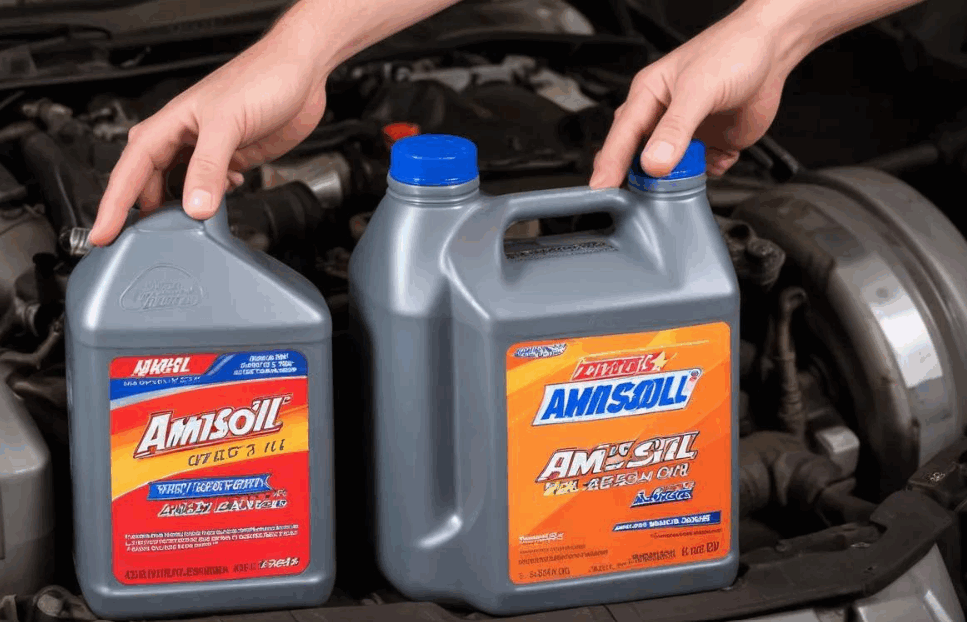
What Are the Main Differences Between Amsoil and Royal Purple?
Amsoil and Royal Purple are two premium synthetic motor oil brands. Both companies produce advanced lubricants for modern engines. However, each brand follows a different product philosophy. Amsoil focuses on long-term engine protection and extended oil service life. Royal Purple focuses on performance, friction reduction, and responsive engine operation.
Amsoil built its reputation around durability and lubrication technology. Its Signature Series oil helps engines handle long service intervals. The formula resists oxidation and maintains viscosity under demanding conditions. Many drivers choose Amsoil because they want fewer oil changes and consistent engine protection. This makes the brand popular among truck owners, SUV drivers, and high-mileage vehicle owners.
Royal Purple takes a performance-focused approach. Its synthetic oils use advanced additive technology to reduce friction and protect engine components. The brand targets drivers who want strong protection during high temperatures and heavy engine loads. Performance car owners and enthusiasts often choose Royal Purple for this reason.
The biggest difference between these brands comes from their main priorities. Amsoil emphasizes maximum durability and long-term lubrication stability. Royal Purple emphasizes performance benefits and friction control. Both approaches protect engines, but they serve different driving needs.
Amsoil also stands out because of its extended drain interval focus. Drivers who follow proper maintenance guidelines may reduce the frequency of oil changes. Royal Purple usually follows traditional maintenance schedules while delivering strong engine protection throughout the oil life cycle.
Both brands use high-quality base oils and specialized additive systems. These technologies help control deposits, reduce sludge, and protect important engine parts. However, Amsoil has a stronger focus on longevity, while Royal Purple has a stronger focus on performance characteristics.
The better choice depends on how you use your vehicle. Drivers who prioritize long-term protection may prefer Amsoil. Drivers who want performance-oriented lubrication may prefer Royal Purple.
Which Synthetic Oil Provides Better Engine Protection?
Engine protection is one of the most important factors when comparing Amsoil and Royal Purple. Both synthetic oils protect engine components by reducing friction, controlling deposits, and maintaining lubrication under demanding conditions. However, each brand uses a different formulation strategy to achieve these goals.
Amsoil provides strong wear protection through high-quality synthetic base oils and advanced additive technology. The oil maintains a stable protective film between moving engine parts. This film reduces metal-to-metal contact during high loads and extreme temperatures. As a result, Amsoil performs well in engines that experience long driving hours, heavy towing, and extended service intervals.
Royal Purple also delivers excellent engine protection with its proprietary additive system. The brand uses Synerlec technology to improve film strength and reduce friction between internal engine components. This technology helps engines operate smoothly during acceleration, high-speed driving, and performance applications. Drivers who frequently push their engines under higher loads can benefit from this approach.
Temperature control plays an important role in engine protection. High engine temperatures can break down oil molecules and reduce lubrication performance. Amsoil focuses on oxidation resistance and viscosity stability, which helps the oil maintain protection over longer periods. Royal Purple focuses on reducing friction and improving lubrication efficiency when engines operate under stress.
Both oils also help prevent harmful deposits. Clean engine components allow oil to move more efficiently and support consistent performance. Amsoil achieves this through strong detergent and dispersant systems. Royal Purple uses advanced additives that help minimize sludge and carbon buildup.
The better choice depends on the vehicle and driving conditions. Amsoil may suit drivers who need maximum protection over longer oil intervals. Royal Purple may suit drivers who want strong protection during performance driving and high engine stress. Both brands provide premium engine protection, but they approach lubrication from different performance priorities.
Which Oil Lasts Longer and Maintains Performance Better?
Oil longevity is a key factor when drivers compare Amsoil and Royal Purple. A high-quality synthetic oil must maintain its protective properties throughout the service period. The oil needs to resist breakdown, control deposits, and maintain stable viscosity as engine conditions change.
Amsoil has a strong reputation for extended oil service intervals. Its synthetic formulations resist oxidation and thermal breakdown during long periods of use. This stability allows the oil to maintain lubrication performance when drivers follow proper maintenance guidelines. As a result, Amsoil often attracts drivers who want longer oil change intervals and lower maintenance frequency.
Royal Purple also provides strong long-term performance. Its synthetic oils maintain protection throughout normal oil change periods. The brand focuses on reducing friction and improving engine efficiency during daily driving and demanding conditions. Royal Purple works well for drivers who prefer regular maintenance schedules while still using a premium lubricant.
Oxidation resistance creates a major difference between premium oils. Engine heat causes oil molecules to break down over time. When oxidation increases, oil can lose viscosity and create harmful deposits. Amsoil places strong emphasis on oxidation control, which supports its extended drain interval approach. Royal Purple also uses advanced additives to slow oil degradation and maintain engine cleanliness.
Oil analysis provides another way to evaluate longevity. Used Oil Analysis (UOA) measures factors such as viscosity changes, contamination levels, and wear metals. These results help drivers understand how an oil performs inside a specific engine. Therefore, real-world oil life depends on driving conditions, engine design, climate, and maintenance habits.
Amsoil may provide an advantage for drivers who prioritize maximum oil life and extended service intervals. Royal Purple may provide better value for drivers who prefer standard oil changes with strong performance protection. Both oils maintain quality over time, but they support different ownership priorities.
Which Oil Performs Better in Daily Driving and High-Performance Vehicles?
The best synthetic oil depends on how a vehicle operates. Daily driving and high-performance driving create different demands on engine oil. A commuter vehicle needs consistent protection, fuel efficiency, and reliable operation. A performance vehicle needs stronger protection under higher temperatures, higher RPM, and increased engine stress.
Amsoil works well for drivers who prioritize long-term reliability. Daily drivers often experience frequent short trips, highway mileage, and changing weather conditions. Amsoil synthetic oils help maintain lubrication stability during these situations. The oil also supports drivers who want longer service intervals while following proper vehicle maintenance requirements.
Royal Purple performs strongly in performance-focused applications. Sports cars, modified vehicles, and turbocharged engines often create higher levels of heat and pressure. Royal Purple uses advanced additive technology to reduce friction and support engine protection during demanding operation. This makes it a popular option for enthusiasts who value engine response and performance characteristics.
Turbocharged engines require strong oil performance because turbo components operate at extremely high speeds and temperatures. The oil must protect bearings and maintain stability under heat stress. Both Amsoil and Royal Purple provide synthetic formulations that handle these conditions, but their advantages differ. Amsoil emphasizes durability over long periods, while Royal Purple emphasizes performance under heavy loads.
High-mileage vehicles also require careful oil selection. Older engines may experience increased wear, oil consumption, and deposit buildup. A synthetic oil with strong cleaning ability and wear protection can help maintain engine condition. Both brands offer products designed for different engine needs, including high-mileage applications.
For normal commuting, both oils provide excellent protection. However, Amsoil may suit drivers who want maximum durability and fewer oil changes. Royal Purple may suit drivers who enjoy performance driving and want a lubricant designed for demanding engine conditions.
How Do Amsoil and Royal Purple Compare in Price and Overall Value?
Price plays an important role when drivers choose between Amsoil and Royal Purple. Both brands belong to the premium synthetic oil category, so they usually cost more than conventional motor oils. However, the total value depends on oil performance, maintenance habits, vehicle requirements, and how long the oil protects the engine.
Amsoil often provides higher value for drivers who want extended oil service intervals. Its Signature Series products focus on long-term protection and oil stability. When drivers follow manufacturer recommendations and suitable operating conditions, Amsoil can reduce the frequency of oil changes. This approach may lower maintenance costs over time, especially for drivers who cover many miles each year.
Royal Purple offers strong value for drivers who prioritize performance benefits. Its synthetic oils provide advanced friction control and engine protection during demanding driving conditions. Many performance-focused drivers accept the higher product cost because they want premium lubrication for powerful engines, modified vehicles, or high-temperature operation.
The actual cost difference depends on several factors. Vehicle type, oil capacity, driving environment, and maintenance schedule all influence the final expense. A vehicle that requires frequent oil changes may benefit more from a longer-lasting formula. A vehicle used for performance driving may gain more value from improved protection under heavy stress.
Both Amsoil and Royal Purple deliver benefits beyond the initial purchase price. A premium synthetic oil can help reduce engine wear, maintain cleanliness, and support long-term reliability. However, the best value does not always come from the cheapest oil or the longest drain interval.
Amsoil may provide better value for owners who prioritize durability and reduced maintenance frequency. Royal Purple may provide better value for drivers who prioritize performance and engine response. The right choice depends on the relationship between oil characteristics and the owner’s driving needs.
Which Oil Should You Choose Based on Your Driving Needs?
The right choice between Amsoil and Royal Purple depends on your vehicle type, driving style, and maintenance goals. Both synthetic oils provide strong engine protection, but each brand offers advantages for different situations. Understanding your driving needs helps you select the oil that delivers the best long-term value.
Drivers who use their vehicles for daily commuting may prefer Amsoil. Regular commuting often involves frequent starts, short trips, highway driving, and changing operating conditions. Amsoil provides strong lubrication stability and long-term protection for drivers who want dependable performance with fewer maintenance concerns.
Drivers who own performance vehicles may prefer Royal Purple. High-performance engines often operate at higher temperatures and experience greater mechanical stress. Royal Purple focuses on friction reduction and performance lubrication, making it suitable for drivers who enjoy spirited driving, modified engines, or vehicles that require strong protection under demanding conditions.
Truck and SUV owners should consider their workload and usage patterns. Vehicles used for towing, hauling, or long-distance travel require oils that maintain protection under heavy loads. Amsoil can be a strong option for owners who prioritize durability and extended service intervals. Royal Purple can also provide reliable protection for drivers who regularly operate under high stress.
High-mileage vehicle owners should evaluate engine condition before choosing an oil. Older engines may require better deposit control, wear protection, and consistent lubrication. Both brands offer products designed for different engine requirements, but the ideal choice depends on the vehicle’s age, mileage, and maintenance history.
Overall, Amsoil is a strong choice for drivers who prioritize longevity, durability, and extended oil performance. Royal Purple is a strong choice for drivers who prioritize performance, friction reduction, and demanding driving conditions. The better synthetic oil depends on how the vehicle is used rather than the brand name alone.
Is Amsoil Better Than Royal Purple Overall?
Amsoil and Royal Purple are both excellent synthetic motor oil brands that provide advanced engine protection, but they serve different types of drivers. The better option depends on the vehicle, driving conditions, and maintenance priorities.
Amsoil stands out for drivers who want long-term durability, strong oxidation resistance, and extended oil performance. Its focus on lubricant stability makes it a strong choice for daily drivers, high-mileage vehicles, trucks, and owners who want fewer oil changes.
Royal Purple stands out for drivers who value performance-focused lubrication. Its additive technology helps reduce friction and support engine protection during demanding conditions. This makes it a suitable option for performance vehicles, modified engines, and drivers who frequently operate under higher loads.
There is no universal winner between Amsoil and Royal Purple. Both oils provide premium protection and quality synthetic formulations. The right choice comes from matching the oil characteristics with the vehicle’s needs.
Choose Amsoil if your priority is maximum longevity and long-term engine protection. Choose Royal Purple if your priority is performance, friction control, and responsive engine operation. Before selecting either product, always check your vehicle manufacturer’s oil specifications, viscosity requirements, and certification standards.