Liqui Moly and Mobil 1 rank among the world’s most trusted synthetic engine oil brands. Many drivers compare them before every oil change because both promise excellent engine protection, long service life, and reliable performance. However, they do not deliver the same strengths. Each brand uses different oil technologies, additive packages, and product strategies to meet specific engine requirements.
Liqui Moly focuses on German engineering and advanced additive technology. Its product range mainly targets European vehicles and demanding driving conditions. Mobil 1 emphasizes long-lasting performance, excellent thermal stability, and broad OEM approvals. Many global automakers also recommend Mobil 1 as a factory-fill or service oil.
Brand reputation alone should not determine your decision. The right engine oil depends on your vehicle, the required viscosity grade, the manufacturer’s specifications, and your driving habits. An oil that performs exceptionally well in one engine may not provide the same results in another.
This comparison explains the key differences between Liqui Moly and Mobil 1. It evaluates engine oil technology, wear protection, high-temperature stability, cold-start performance, OEM approvals, product lineup, oil change intervals, and overall value. By the end of this guide, you will know which engine oil better matches your vehicle and maintenance goals.
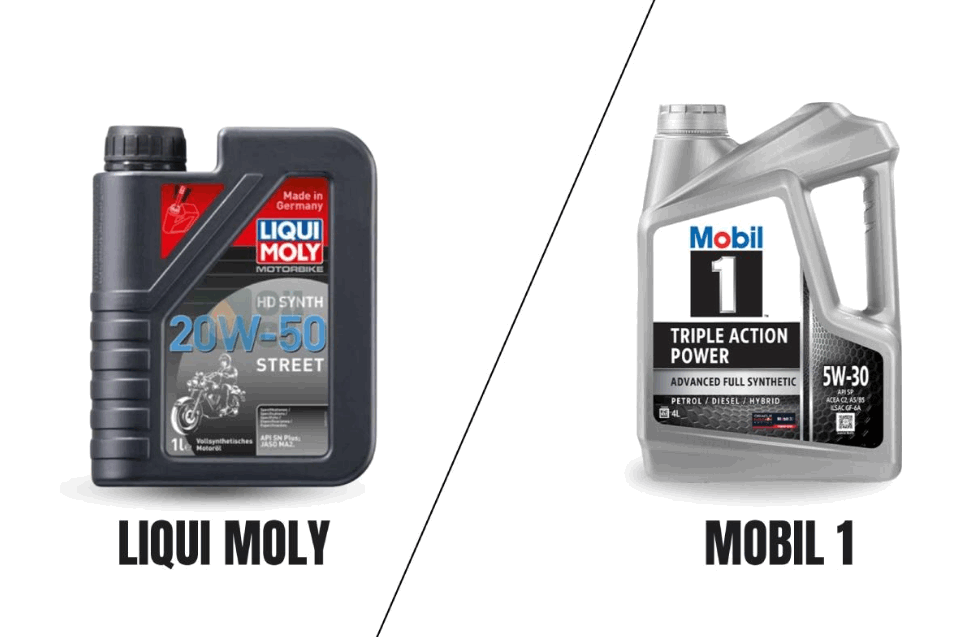
What Are the Main Differences Between Liqui Moly and Mobil 1?
Liqui Moly and Mobil 1 differ in their product philosophy, engine oil technology, and target market. Both brands produce premium synthetic engine oils, but they focus on different priorities. Liqui Moly emphasizes advanced additive technology and solutions tailored for European vehicles. Mobil 1 focuses on long-lasting engine protection, fuel efficiency, and broad compatibility with vehicles from manufacturers around the world.
Liqui Moly built its reputation in Germany by developing lubricants that meet strict European performance standards. Many of its products carry approvals from BMW, Mercedes-Benz, Porsche, Volkswagen, and other European automakers. The company also invests heavily in proprietary additives that improve wear protection, reduce friction, and keep engines clean over extended service intervals. This approach makes Liqui Moly a popular choice for drivers who own European vehicles or prefer oils engineered for demanding operating conditions.
Mobil 1 follows a different strategy. The brand combines advanced synthetic base oils with a well-balanced additive package to deliver consistent performance in a wide range of engines. Its products often support extended drain intervals while maintaining viscosity and oxidation resistance. Mobil 1 also supplies factory-fill engine oil for several global manufacturers, which strengthens its reputation among drivers seeking proven long-term reliability.
Neither brand is universally better because engine oil performance depends on the vehicle and its specifications. Liqui Moly often appeals to owners who prioritize European engineering and specialized formulations. Mobil 1 attracts drivers who value broad OEM approvals, consistent availability, and dependable performance across different climates and driving conditions. Before choosing either brand, always confirm that the oil meets your vehicle manufacturer’s viscosity grade and required industry specifications. Selecting the correct specification will protect your engine more effectively than choosing a brand based on popularity alone.
Which Engine Oil Technology Does Each Brand Use?
Liqui Moly and Mobil 1 use advanced synthetic oil technologies, but they approach formulation in different ways. Both brands combine synthetic base oils with specialized additives to improve engine protection, efficiency, and durability. The main differences appear in their additive systems, formulation goals, and the driving conditions they target.
Liqui Moly focuses strongly on additive technology. The company develops lubricant formulas that include friction-reducing compounds and cleaning agents to support engine performance. Its product lines often contain advanced additive packages designed to reduce wear, control deposits, and maintain engine cleanliness. Liqui Moly also offers specialized products for different engine requirements, including oils for European vehicles, high-performance engines, and vehicles with strict manufacturer specifications.
Mobil 1 uses synthetic base oils combined with a carefully balanced additive system. The brand focuses on oxidation resistance, temperature stability, and long-lasting lubrication. Its synthetic formulations help engines operate under extreme conditions, including high temperatures, heavy loads, and extended service intervals. Mobil 1 also invests in low-friction technology to support fuel economy and reduce unnecessary engine stress.
The base oil composition also affects engine oil performance. Synthetic base oils provide better stability than conventional oils because they resist breakdown under heat and pressure. However, additives determine many real-world benefits, including cleaning ability, wear protection, and deposit control. A premium engine oil requires both a strong base oil and an effective additive package.
Liqui Moly and Mobil 1 both provide high-quality synthetic engine oils, but they emphasize different advantages. Liqui Moly highlights specialized formulations and additive performance, while Mobil 1 focuses on overall durability and wide vehicle compatibility. The best choice depends on your engine requirements, driving environment, and manufacturer recommendations.
Which Engine Oil Delivers Better Engine Protection?
Liqui Moly and Mobil 1 both provide strong engine protection, but they achieve it through different formulation strategies. The better oil depends on the type of protection your engine needs. Factors such as wear resistance, temperature control, deposit prevention, and driving conditions influence real-world performance.
Wear protection is one of the most important functions of synthetic engine oil. Liqui Moly uses advanced additive technology to reduce friction between engine components. These additives create a protective layer that helps minimize metal-to-metal contact during engine operation. This feature benefits vehicles that experience frequent starts, heavy traffic, or demanding driving conditions.
Mobil 1 focuses on maintaining a stable protective oil film under extreme temperatures. Its synthetic formulation helps the oil flow quickly during cold starts while maintaining strength when engine temperatures increase. This balance helps reduce wear during the first moments after ignition and during high-load operation.
Engine cleanliness is another important difference between premium oils. Liqui Moly develops formulas that help remove deposits and prevent sludge formation. Clean engine components allow oil to circulate more effectively and support consistent performance. Mobil 1 also uses detergent and dispersant technologies to control deposits and maintain internal engine cleanliness over longer intervals.
High-temperature performance matters for turbocharged engines and performance vehicles. Both brands offer products designed to handle increased heat and pressure. Mobil 1 has a strong reputation for thermal stability, while Liqui Moly provides specialized products for engines that require specific European performance standards.
Overall, Liqui Moly and Mobil 1 deliver excellent engine protection. Liqui Moly stands out for its specialized additive approach and European vehicle applications. Mobil 1 performs strongly in durability, temperature resistance, and broad compatibility. The correct choice depends on your engine design, manufacturer requirements, and driving environment.
Which Brand Meets More OEM Approvals?
Mobil 1 and Liqui Moly both provide engine oils with important OEM approvals, but their approval strategies differ. OEM approval shows that an oil meets specific requirements from vehicle manufacturers. These requirements cover factors such as viscosity stability, wear protection, deposit control, and performance under specific engine conditions.
Liqui Moly has a strong position among European vehicle owners because many of its products meet specifications from manufacturers such as BMW, Mercedes-Benz, Porsche, and Volkswagen. The brand develops many oils around European performance standards, including ACEA categories and manufacturer-specific approvals. This focus makes Liqui Moly a common choice for drivers who want an oil that matches the requirements of German and European engines.
Mobil 1 also offers a wide range of OEM-approved oils for global vehicle manufacturers. Many Mobil 1 products meet specifications from brands such as Mercedes-Benz, Porsche, General Motors, and other major automakers. The brand benefits from extensive research and development, which allows it to create oils for different engine designs, including modern turbocharged and high-performance engines.
OEM approval matters because engine manufacturers design their engines around specific lubrication requirements. An oil with the correct approval can provide the expected protection for seals, turbochargers, emission systems, and internal components. A premium brand does not automatically guarantee compatibility if the oil does not match the required specification.
The better choice depends on your vehicle manufacturer and engine requirements. Liqui Moly often has an advantage for European vehicles because of its strong focus on German specifications. Mobil 1 offers broader global coverage and strong availability across different markets. Before choosing between them, check your owner’s manual and select an oil that matches the exact approval required by your engine manufacturer.
How Do Liqui Moly and Mobil 1 Compare in Popular Product Lines?
Liqui Moly and Mobil 1 offer several product lines designed for different engines, driving conditions, and manufacturer requirements. Comparing individual products provides a clearer picture because each brand develops oils for specific applications. The best choice depends on the engine type, required specifications, and performance expectations.
Liqui Moly Leichtlauf High Tech and Mobil 1 FS are two popular full synthetic oils that target modern gasoline and diesel engines. Liqui Moly Leichtlauf High Tech focuses on smooth engine operation, wear protection, and compatibility with European vehicles. It is often selected by drivers who follow strict manufacturer specifications from German automakers. Mobil 1 FS focuses on advanced synthetic protection, oxidation resistance, and stable performance during demanding driving conditions.
Liqui Moly Top Tec and Mobil 1 ESP represent another important comparison because both product lines target engines with advanced emission systems. These oils support modern vehicles that use technologies such as diesel particulate filters and catalytic converters. Their low ash formulations help protect emission components while maintaining engine lubrication performance.
Liqui Moly Molygen and Mobil 1 Extended Performance serve drivers who want additional protection and longer service life. Molygen uses a distinctive green-colored formulation with friction-reducing additives. Mobil 1 Extended Performance emphasizes long-lasting protection and resistance against oil breakdown during extended intervals.
The differences between these product lines show that neither brand dominates every category. Liqui Moly often attracts drivers who want specialized formulations for European engines and specific manufacturer requirements. Mobil 1 provides strong options for drivers who prioritize durability, availability, and broad application coverage.
When comparing individual products, always match the oil specification with your vehicle requirements. A premium oil from either brand can deliver excellent results when it meets the correct viscosity grade, OEM approval, and engine specification.
Which Engine Oil Lasts Longer?
Mobil 1 and Liqui Moly both produce synthetic engine oils with strong durability, but oil longevity depends on formulation, engine condition, driving environment, and maintenance habits. A longer oil life does not only depend on the brand name. The oil must maintain its protective properties while controlling oxidation, viscosity changes, and contamination.
Mobil 1 has a strong reputation for extended performance because its synthetic formulations resist thermal breakdown and oxidation. This allows the oil to maintain lubrication quality during longer service intervals. Many Mobil 1 products are designed for modern engines that require stable performance under high temperatures, heavy loads, and demanding driving conditions.
Liqui Moly also develops long-lasting synthetic oils with strong resistance against wear and deposits. Its formulations focus on maintaining engine cleanliness and protecting internal components over time. Many Liqui Moly products target European vehicles that require precise lubrication performance and strict maintenance standards.
Oil change intervals depend heavily on the vehicle manufacturer’s recommendations. A high-quality synthetic oil may support longer intervals, but drivers should not extend changes beyond the recommended limit without proper approval. Factors such as short trips, extreme temperatures, frequent towing, and aggressive driving can reduce oil life.
When comparing oil stability, Mobil 1 often receives attention for extended drain performance and resistance to high-temperature stress. Liqui Moly provides strong protection through specialized formulations and additive technology. Both brands can deliver excellent longevity when drivers choose the correct oil specification and follow proper maintenance schedules.
The best long-term engine protection comes from using the right oil rather than simply choosing the oil with the longest advertised interval. Vehicle specifications, driving conditions, and regular maintenance remain the most important factors that determine real-world oil performance.
Which Engine Oil Offers Better Value for Money?
Liqui Moly and Mobil 1 both offer strong value, but the better choice depends on your priorities, vehicle requirements, and maintenance strategy. A more expensive engine oil does not always provide better results if it does not match your engine specifications. Value comes from the balance between price, protection, performance, and long-term reliability.
Liqui Moly products often have a higher price position because the brand focuses on specialized formulations and European vehicle applications. Many drivers choose Liqui Moly because they want oils designed around specific manufacturer requirements. This approach can provide strong value for owners of European vehicles that require precise approvals and advanced lubrication performance.
Mobil 1 often provides excellent value through wide availability and broad application coverage. Drivers can easily find Mobil 1 products for different vehicle types, including daily commuter cars, performance vehicles, and modern engines with demanding requirements. Its strong reputation for durability and extended performance also helps reduce concerns about frequent oil changes.
Maintenance cost depends on more than the price of one oil change. A suitable synthetic oil can help protect engine components, reduce deposits, and maintain performance over time. However, using an expensive oil without the correct viscosity or approval may reduce its overall value because it may not provide the protection your engine needs.
Liqui Moly is often the better value for drivers who prioritize specialized European formulations and manufacturer-specific requirements. Mobil 1 is often the better value for drivers who want reliable performance, easy availability, and proven durability across different vehicles. The smartest choice is the oil that matches your engine’s requirements while providing the protection level you need.
Both brands represent premium engine oil options. The final decision should focus on compatibility, not simply the highest price or strongest brand reputation.
Which Engine Oil Should You Choose?
The best engine oil between Liqui Moly and Mobil 1 depends on your vehicle specifications, driving conditions, and performance goals. Neither brand works as the perfect choice for every engine. The correct oil must match your manufacturer’s requirements, including viscosity grade, performance standard, and OEM approval.
Liqui Moly is often a strong choice for European vehicles because many of its products focus on German and European engine specifications. Drivers of BMW, Mercedes-Benz, Volkswagen, and Porsche vehicles may prefer Liqui Moly when a specific manufacturer approval is required. Its specialized formulations also appeal to owners who want targeted protection for advanced engines.
Mobil 1 is a strong option for drivers who want reliable performance across different vehicle categories. The brand offers products for daily commuting, performance driving, turbocharged engines, and vehicles that require extended protection. Its wide availability also makes it easier for drivers to maintain consistent oil quality during regular service intervals.
For turbocharged and high-performance engines, both brands provide suitable options. These engines create higher temperatures and pressures, so drivers should select an oil with strong thermal stability and the correct approval. The brand matters less than the formulation designed for that specific engine.
For high-mileage vehicles, the best choice depends on engine condition and manufacturer recommendations. Some Liqui Moly and Mobil 1 products include technologies designed to support older engines, reduce deposits, and maintain lubrication performance.
Daily drivers should focus on reliability, correct specifications, and maintenance costs. Mobil 1 may appeal to drivers who want broad compatibility and easy access. Liqui Moly may suit drivers who prefer specialized formulas and European engineering standards.
The final decision between Liqui Moly and Mobil 1 should come from your vehicle requirements rather than brand loyalty. Check your owner’s manual, select the correct viscosity, and choose an oil that meets the required specifications for your engine.
Frequently Asked Questions About Liqui Moly vs Mobil 1
Is Liqui Moly better than Mobil 1?
Liqui Moly is not always better than Mobil 1 because both brands offer premium synthetic engine oils with different strengths. Liqui Moly focuses on specialized formulations, additive technology, and European vehicle applications. Mobil 1 focuses on long-term protection, thermal stability, and broad compatibility. The better choice depends on your engine requirements and manufacturer specifications.
Does Mobil 1 last longer than Liqui Moly?
Mobil 1 and Liqui Moly both offer synthetic oils designed for durability, but actual oil life depends on the engine, driving conditions, and maintenance schedule. Mobil 1 has a strong reputation for extended performance because of its oxidation resistance and stable lubrication. Liqui Moly also provides long-lasting protection through advanced additive technology and engine cleanliness features.
Which oil is better for BMW, Mercedes-Benz, and Volkswagen?
Liqui Moly is often preferred by European vehicle owners because many products meet strict German manufacturer requirements. However, Mobil 1 also provides oils with approvals from major European automakers. The best option depends on the exact approval listed in your vehicle owner’s manual.
Can you switch from Mobil 1 to Liqui Moly?
You can switch from Mobil 1 to Liqui Moly if the new oil meets your engine’s required specifications. The viscosity grade, OEM approval, and performance standard matter more than the brand change itself. A correct oil specification allows the engine to receive proper lubrication protection.
Which oil is better for turbocharged engines?
Both Liqui Moly and Mobil 1 offer suitable oils for turbocharged engines. Turbo engines require strong thermal stability because the turbocharger operates under high heat and pressure. Drivers should select an oil that meets the manufacturer’s requirements instead of choosing a brand based only on reputation.
Does Liqui Moly contain better additives than Mobil 1?
Liqui Moly and Mobil 1 use advanced additive packages, but their formulas focus on different performance goals. Liqui Moly emphasizes specialized additives for friction reduction and engine cleanliness. Mobil 1 emphasizes balanced protection, oxidation resistance, and long-term lubrication performance.
Which engine oil should you buy between Liqui Moly and Mobil 1?
The best engine oil depends on your vehicle, driving habits, and maintenance goals. Choose Liqui Moly if you need specialized European formulations or specific manufacturer approvals. Choose Mobil 1 if you want broad availability, reliable performance, and strong protection across different vehicle types.
Conclusion
Liqui Moly and Mobil 1 are both excellent synthetic engine oil brands, but they serve different driver needs. Liqui Moly stands out with its specialized formulations, advanced additive technology, and strong connection with European vehicle manufacturers. Mobil 1 delivers reliable performance through advanced synthetic technology, strong thermal stability, and wide compatibility across different vehicle categories.
The better choice depends on your engine requirements rather than brand reputation alone. Drivers with European vehicles may prefer Liqui Moly because many products focus on specific manufacturer approvals and demanding European standards. Drivers who want proven durability, easy availability, and broad application coverage may find Mobil 1 a better fit.
Engine oil selection should always start with the vehicle manufacturer’s recommendation. The correct viscosity grade, OEM approval, and performance standard will protect your engine more effectively than choosing a brand based only on popularity. A premium oil can only deliver its full benefits when it matches the needs of your specific engine.
Before making a final decision, consider your driving environment, maintenance schedule, and engine condition. Understanding engine oil specifications, synthetic oil technology, and lubrication requirements will help you make a better choice and maintain long-term engine performance.