The Allison Transmission Control Module (TCM) is the electronic controller that manages gear selection, shift timing, torque converter operation, and communication between the transmission and the engine. When the TCM fails, the transmission can begin shifting unpredictably, become stuck in limp mode, trigger warning lights, or refuse to engage specific gears. These symptoms are often mistaken for internal transmission damage, leading to unnecessary repairs and higher maintenance costs.
Diagnosing Allison Transmission Control Module problems requires more than identifying a warning light or reading a single diagnostic trouble code. Electrical faults, damaged wiring, software calibration issues, failing speed sensors, voltage fluctuations, and communication failures between the TCM and the Engine Control Module (ECM) can all produce similar symptoms. A systematic diagnosis helps determine whether the problem originates from the control module itself or from another component within the transmission control system.
This guide explains the most common Allison Transmission Control Module problems, including their symptoms, root causes, diagnostic procedures, repair options, and replacement costs. It also explains how to distinguish a faulty TCM from mechanical transmission failures, when a software update or reprogramming is sufficient, and when replacing the module becomes the most reliable solution. By understanding how the Allison TCM operates and why it fails, vehicle owners and technicians can make informed repair decisions while reducing unnecessary downtime and avoiding costly misdiagnoses.
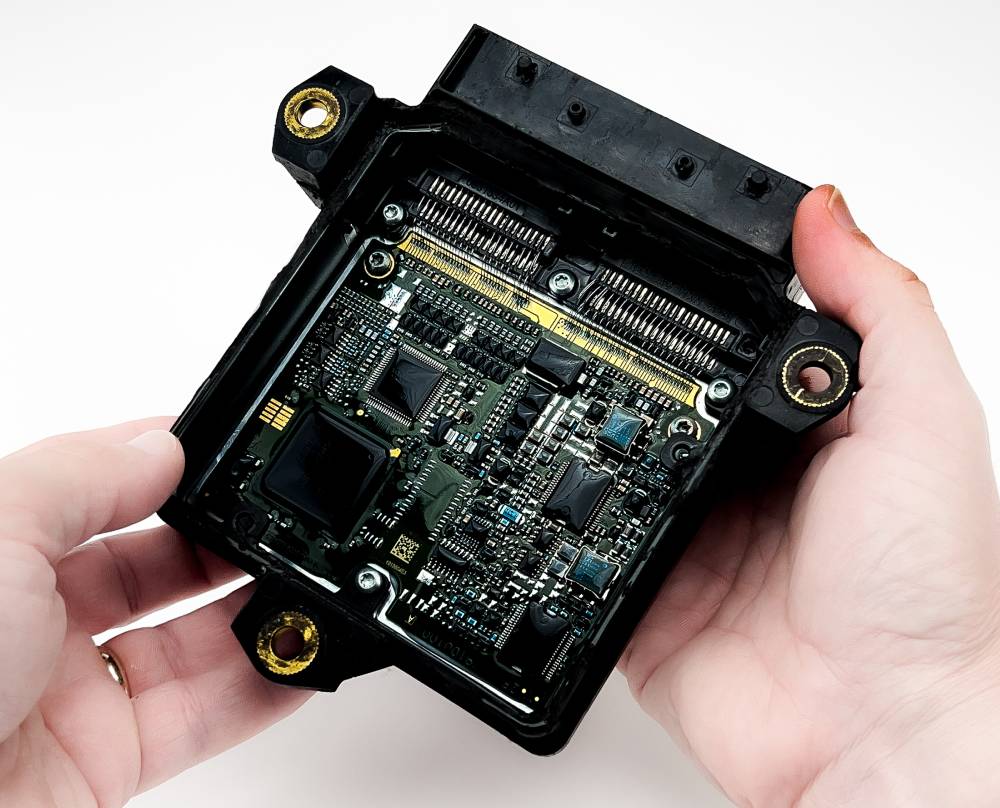
What Is an Allison Transmission Control Module?
The Allison Transmission Control Module (TCM) is an electronic control unit that manages transmission operation by controlling gear selection, shift timing, torque converter lockup, and communication with other vehicle control modules. Instead of relying solely on hydraulic pressure, modern Allison automatic transmissions use the TCM to analyze sensor data and determine the optimal shifting strategy for current driving conditions.
The TCM continuously receives information from multiple sensors, including the input speed sensor, output speed sensor, throttle position sensor, transmission fluid temperature sensor, brake switch, and engine control module (ECM). Based on these inputs, it calculates when to upshift or downshift, how much hydraulic pressure should be applied, and when to engage or release the torque converter clutch. This real-time decision-making improves shift quality, fuel efficiency, transmission durability, and overall drivability.
Because the TCM communicates with several electronic systems through the vehicle’s data network, a single communication failure can affect multiple transmission functions simultaneously. If the module loses power, receives incorrect sensor data, or encounters corrupted software, it may command improper shifts or activate protective operating modes to prevent transmission damage.
What Does the Allison TCM Control?
The Allison TCM controls every major electronic transmission function required for smooth and reliable gear changes. Its primary responsibility is to determine the correct gear based on vehicle speed, engine load, throttle position, and operating conditions.
The module regulates shift timing, line pressure, torque converter clutch engagement, adaptive shift learning, diagnostic monitoring, and communication with the Engine Control Module (ECM). During acceleration, it determines the most efficient shift point to balance performance and fuel economy. During towing or climbing steep grades, it adjusts shift strategies to deliver higher torque while reducing clutch wear.
Many Allison transmissions also use adaptive learning functions that allow the TCM to modify shift characteristics over time. As clutch packs wear and operating conditions change, the module updates its calibration values to maintain consistent shift quality without requiring mechanical adjustments.
How Does the TCM Communicate with the Transmission and Engine?
The Allison TCM exchanges data with the transmission, ECM, and other electronic modules through the Controller Area Network (CAN Bus). This communication network allows every control module to share information within milliseconds, ensuring coordinated vehicle operation.
For example, when the driver presses the accelerator, the ECM calculates engine torque while the TCM simultaneously determines the appropriate gear and line pressure. The two modules continuously exchange information so that engine output and transmission operation remain synchronized.
If communication is interrupted because of damaged wiring, corroded connectors, low system voltage, or CAN Bus faults, the TCM may stop receiving critical operating data. When this occurs, the transmission often enters limp mode, illuminates warning lights, or stores communication-related Diagnostic Trouble Codes (DTCs).
Which Allison Transmission Models Use a TCM?
Most electronically controlled Allison automatic transmissions rely on a dedicated TCM to manage shifting and system diagnostics. Common examples include the Allison 1000, 2000, 2400, 3000, and 4000 Series transmissions used in pickup trucks, commercial vehicles, buses, motorhomes, emergency vehicles, and vocational trucks.
Although these transmission families share similar electronic control principles, each model uses different hardware configurations, software calibrations, and programming requirements. As a result, diagnostic procedures, software updates, and replacement modules must match the exact transmission model and vehicle application to ensure proper operation.
What Are the Symptoms of Allison Transmission Control Module Problems?
A faulty Allison Transmission Control Module typically causes shifting abnormalities, warning lights, communication errors, or protective operating modes that reduce transmission performance. Because the TCM manages nearly every electronic shifting function, its failure often produces multiple symptoms simultaneously rather than a single isolated problem.
Recognizing these symptoms early helps prevent unnecessary wear on transmission components and reduces the risk of misdiagnosing mechanical failures that actually originate from the electronic control system.
Why Does the Transmission Shift Erratically?
Erratic shifting is one of the most common symptoms of Allison TCM failure. The transmission may upshift too early, hold gears longer than necessary, skip gears, or shift harshly under normal driving conditions.
These problems occur because the TCM relies on accurate sensor data to calculate shift timing. If sensor signals become corrupted or the module processes incorrect information, it can command inappropriate gear changes. Drivers often notice sudden gear hunting, inconsistent acceleration, or harsh engagement, especially when driving under varying loads.
Why Does the Transmission Stay in Limp Mode?
Limp mode is a protective operating strategy that limits transmission performance when the TCM detects a serious fault. Instead of allowing normal shifting, the transmission remains in a single gear or restricts available gear ranges to reduce the likelihood of internal damage.
Limp mode may be triggered by internal TCM failures, communication errors, voltage problems, failed speed sensors, or critical transmission faults. Although the vehicle may still move, acceleration becomes sluggish, engine speed increases at highway speeds, and overall drivability deteriorates significantly. Continuing to drive in limp mode without diagnosing the underlying cause can increase repair costs if additional transmission components become damaged.
Why Does the Check Engine or Transmission Warning Light Turn On?
The Check Engine Light or transmission warning light illuminates when the TCM detects abnormal operating conditions and stores one or more Diagnostic Trouble Codes (DTCs). These fault codes provide valuable diagnostic information but do not automatically identify the failed component.
A warning light may indicate internal module failure, communication faults, sensor malfunctions, voltage irregularities, programming errors, or wiring problems. Reading the stored DTCs with a professional scan tool or Allison DOC software provides the starting point for accurate diagnosis rather than relying solely on the dashboard warning.
Why Does the Transmission Refuse to Shift Into Certain Gears?
A malfunctioning TCM can prevent the transmission from engaging specific gears because it cannot properly command the required shift sequence. Some vehicles remain stuck in first, second, or third gear, while others refuse to engage overdrive or reverse.
This symptom may result from software corruption, communication failures, defective solenoid control, inaccurate speed sensor data, or internal electronic damage within the control module. Proper diagnosis is necessary because similar symptoms can also occur when mechanical transmission components fail.
Why Does the Vehicle Experience Delayed Engagement?
Delayed engagement occurs when the transmission hesitates before shifting into Drive or Reverse after the gear selector is moved. Instead of engaging immediately, the vehicle may pause for several seconds before power is transmitted to the wheels.
While low transmission fluid or hydraulic problems can produce similar behavior, delayed engagement also occurs when the TCM cannot process operating inputs correctly or fails to activate transmission components at the appropriate time. Repeated delayed engagement should be investigated promptly because prolonged operation may accelerate clutch wear.
Why Do Communication-Related Fault Codes Appear?
Communication-related Diagnostic Trouble Codes usually indicate that the Allison TCM is unable to exchange information with other electronic control modules. These faults often involve the CAN Bus network, wiring harness, connectors, battery voltage, or module power supply rather than the transmission itself.
When communication is interrupted, multiple warning lights may appear simultaneously, scan tools may temporarily lose access to the TCM, and the transmission may default to emergency operating strategies. Inspecting the electrical system before replacing the TCM helps eliminate common external causes that produce identical fault codes.
What Causes an Allison Transmission Control Module to Fail?
Allison Transmission Control Module failure is most commonly caused by electrical faults, moisture intrusion, unstable voltage, software issues, overheating, and prolonged vibration. Although the TCM is designed to operate reliably for many years, failures often occur because external conditions damage the module or interfere with its ability to communicate with other vehicle systems.
Identifying the root cause is essential because replacing the TCM alone will not solve the problem if damaged wiring, poor grounding, or charging system faults remain unresolved.
Can Electrical Problems Damage the TCM?
Electrical problems are one of the leading causes of Allison TCM failure. The control module depends on a stable power supply and consistent communication signals to operate correctly. Voltage drops, short circuits, damaged wiring, blown fuses, poor ground connections, or excessive electrical resistance can interrupt normal operation.
Over time, loose connectors and deteriorated wiring harnesses expose the module to intermittent power loss. These interruptions may cause random shifting problems, communication errors, or repeated limp mode activation. In many cases, repairing the electrical circuit restores normal transmission operation without replacing the TCM.
Can Moisture or Corrosion Cause TCM Failure?
Moisture intrusion can permanently damage the electronic components inside the Allison TCM. Water entering electrical connectors or the module housing accelerates corrosion, increases circuit resistance, and disrupts communication between control modules.
Commercial trucks operating in heavy rain, flooded roads, snow, or corrosive environments are more susceptible to connector corrosion. Even minor oxidation on terminal pins can distort electrical signals enough to trigger diagnostic trouble codes or intermittent transmission faults. Inspecting connectors for moisture, corrosion, and damaged seals should always be part of the diagnostic process.
Can Voltage Fluctuations Damage the Module?
Unstable system voltage places significant stress on sensitive electronic circuits inside the TCM. A weak battery, failing alternator, poor voltage regulator, or improper jump-start procedure can expose the module to voltage spikes or low-voltage conditions.
When supply voltage falls below the operating threshold, the TCM may reset unexpectedly, lose adaptive memory, or generate communication errors. Excessively high voltage can damage internal electronic components and shorten the module’s service life. Verifying battery condition and charging system performance is therefore an important step before replacing the control module.
Can Software or Calibration Errors Cause Shifting Problems?
Outdated software or corrupted calibration files can produce transmission behavior that closely resembles hardware failure. Allison periodically releases updated calibrations to improve shift quality, correct software defects, and enhance compatibility with newer vehicle configurations.
If programming becomes corrupted during a failed software update or if an incorrect calibration is installed, the transmission may exhibit delayed shifts, harsh gear engagement, incorrect shift scheduling, or repeated fault codes. Reprogramming the TCM with the correct factory calibration often resolves these issues without requiring hardware replacement.
Can Overheating Shorten TCM Lifespan?
Excessive heat accelerates electronic component degradation and reduces the long-term reliability of the Allison TCM. High ambient temperatures, insufficient cooling, continuous heavy towing, or prolonged operation under extreme loads increase thermal stress on both the transmission and its electronic control system.
Repeated exposure to elevated temperatures causes solder joints, electronic capacitors, and semiconductor components to deteriorate over time. Although the TCM is engineered for demanding commercial applications, maintaining proper transmission cooling and fluid condition helps reduce heat-related failures.
How Do You Diagnose Allison Transmission Control Module Problems?
Accurate diagnosis requires confirming that the Allison TCM is the actual source of the fault before replacing any components. Many symptoms associated with TCM failure can also be caused by defective sensors, damaged wiring, low battery voltage, mechanical transmission problems, or communication network faults. A structured diagnostic procedure minimizes unnecessary repairs and prevents replacing functional components.
Which Diagnostic Trouble Codes Indicate a TCM Issue?
Diagnostic Trouble Codes provide the starting point for identifying Allison TCM-related faults. The module continuously monitors electrical circuits, communication signals, sensor inputs, and internal operating conditions. When abnormal conditions are detected, it stores one or more DTCs for later diagnosis.
Codes related to communication failures, internal controller errors, power supply faults, shift solenoid circuits, or speed sensor signals frequently indicate problems affecting TCM operation. However, a stored code identifies the affected system rather than automatically confirming that the TCM itself has failed. Each code should be interpreted together with live operating data and additional inspection results.
How Do You Inspect Wiring and Connectors?
Inspecting the wiring harness and electrical connectors is one of the most important steps in diagnosing Allison TCM problems. Many transmission faults originate from damaged wiring rather than from the control module itself.
Technicians should examine connectors for bent terminals, loose locking tabs, corrosion, moisture intrusion, damaged insulation, and signs of overheating. Wiring should also be checked for abrasion, pinched sections, broken conductors, or poor grounding points. Correcting these issues often eliminates intermittent communication failures and restores normal transmission operation without replacing electronic modules.
How Do You Test Communication Between the TCM and ECM?
Communication testing verifies whether the Allison TCM can exchange data correctly with the Engine Control Module and other vehicle systems. Since modern transmissions depend on continuous CAN Bus communication, network interruptions can produce symptoms nearly identical to internal TCM failure.
A professional diagnostic scan tool can confirm whether the TCM remains online, whether communication messages are being transmitted correctly, and whether other control modules report network faults. If multiple modules lose communication simultaneously, technicians should investigate network wiring and power supply issues before condemning the TCM.
When Should Allison DOC Software Be Used?
Allison DOC software should be used whenever advanced diagnostics, software verification, or module programming is required. Unlike many generic scan tools, Allison DOC provides manufacturer-specific information, including transmission operating parameters, adaptive learning values, calibration data, active fault codes, inactive fault history, and programming functions.
The software also allows technicians to verify whether software updates are available, perform calibration procedures, clear adaptive values when appropriate, and confirm successful repairs after completing diagnostic work.
How Do You Confirm the TCM Is the Root Cause?
The Allison TCM should only be identified as the failed component after every related electrical, mechanical, and communication system has been tested. Replacing the module without verifying supporting systems frequently results in unnecessary repair expenses because many external faults produce identical symptoms.
A confirmed TCM failure typically requires evidence such as verified power and ground circuits, normal network communication, functional sensors, acceptable transmission fluid condition, and diagnostic results indicating internal controller malfunction or unsuccessful programming recovery. Following this systematic approach significantly improves diagnostic accuracy and reduces the likelihood of repeated transmission repairs.
How Can You Tell the Difference Between a TCM Problem and a Mechanical Transmission Problem?
The most reliable way to distinguish a faulty Allison TCM from a mechanical transmission failure is to compare electronic diagnostic results with the transmission’s physical behavior. TCM failures usually affect communication, shift commands, and electronic controls, while mechanical failures result from worn or damaged internal transmission components. Understanding the difference helps avoid replacing expensive transmission parts when the root cause is actually an electrical issue.
Which Symptoms Usually Indicate a Faulty TCM?
A faulty Allison TCM typically produces inconsistent electronic behavior rather than continuous mechanical problems. The transmission may shift normally during one drive and suddenly enter limp mode during the next. Warning lights may appear intermittently, communication-related Diagnostic Trouble Codes may be stored, and scan tools may temporarily lose communication with the control module.
Other common signs include delayed or harsh shifting that changes from one drive cycle to another, incorrect gear selection without abnormal transmission noise, random failure to engage overdrive, and transmission performance that temporarily improves after restarting the engine. Because these symptoms are controlled electronically, they often occur without evidence of internal mechanical wear.
Which Symptoms Usually Indicate Internal Transmission Damage?
Mechanical transmission failures generally produce consistent symptoms that become progressively worse over time. Unlike electronic faults, mechanical damage does not disappear after restarting the vehicle or clearing fault codes.
Typical indicators include continuous gear slipping under acceleration, grinding noises, burnt transmission fluid, excessive metal debris inside the transmission pan, severe clutch wear, damaged planetary gear sets, failed bearings, or persistent hydraulic pressure loss. Vehicles experiencing these problems often show reduced pulling power even when no communication-related fault codes are present.
Mechanical failures may also generate abnormal vibration, overheating, or fluid leaks. These conditions require inspection of the transmission’s internal components rather than replacement of the TCM.
When Is Professional Inspection Necessary?
Professional diagnosis is recommended whenever transmission symptoms cannot be confirmed through basic electrical inspection or code scanning. Modern Allison transmissions integrate electronic controls with hydraulic and mechanical systems, making accurate diagnosis dependent on specialized diagnostic equipment and manufacturer-specific software.
A qualified technician can verify live sensor data, monitor transmission line pressure, evaluate CAN Bus communication, perform software diagnostics, and determine whether the problem originates from the TCM, wiring, sensors, valve body, or internal transmission components. This systematic approach significantly reduces unnecessary parts replacement and improves repair accuracy.
How Do You Repair Allison Transmission Control Module Problems?
Repairing Allison Transmission Control Module problems depends on the confirmed cause of the failure. Some issues can be corrected by repairing electrical circuits or updating software, while others require complete replacement of the control module. Performing repairs in the correct order minimizes costs and prevents recurring transmission problems.
Can the TCM Be Reset?
Yes, the Allison TCM can be reset under specific conditions, but resetting the module does not repair underlying hardware failures. A reset clears temporary adaptive learning values and certain non-permanent fault information, allowing the transmission to begin a new learning cycle.
Resetting may help after battery replacement, software updates, or minor electronic irregularities. However, if the transmission immediately returns to limp mode or repeats the same Diagnostic Trouble Codes after the reset, the fault remains active and further diagnosis is required. Resetting should therefore be viewed as a diagnostic step rather than a permanent repair.
When Should the TCM Be Reprogrammed?
The Allison TCM should be reprogrammed whenever software corruption, outdated calibration, or manufacturer-issued software updates affect transmission operation. Reprogramming installs the latest approved calibration files and restores correct shift strategies based on the vehicle’s transmission configuration.
Software updates may resolve harsh shifting, delayed engagement, communication instability, and known calibration defects identified by Allison. Reprogramming should always be completed using approved diagnostic software and stable battery voltage because an interrupted programming process can damage the module and require replacement.
When Should the TCM Be Replaced?
The Allison TCM should be replaced only after internal module failure has been confirmed through comprehensive diagnosis. Evidence supporting replacement includes verified power and ground circuits, functional wiring, successful communication testing, unsuccessful programming recovery, and diagnostic results indicating internal controller failure.
Replacing the module without confirming these conditions increases the risk of unnecessary repair expenses because external electrical faults frequently produce symptoms identical to a failed TCM. Once a replacement module is installed, programming and calibration are typically required before the transmission can operate correctly.
Should You Choose a New or Remanufactured TCM?
Both new and remanufactured Allison TCMs can provide reliable performance when obtained from reputable suppliers and programmed correctly. A new OEM module offers factory specifications, the latest hardware revisions, and manufacturer warranty coverage, making it the preferred choice for vehicles expected to remain in long-term service.
A professionally remanufactured TCM provides a lower-cost alternative for older vehicles while maintaining acceptable reliability. These units are typically rebuilt by replacing failed electronic components, testing circuit functionality, and verifying communication performance before sale. Regardless of the option selected, compatibility with the specific Allison transmission model and proper programming are essential for successful installation.
How Much Does It Cost to Repair or Replace an Allison TCM?
The cost of repairing or replacing an Allison Transmission Control Module varies depending on the type of failure, the transmission model, labor rates, and whether the module requires programming after installation. Minor electrical repairs are usually less expensive than replacing the control module, while OEM replacement modules combined with programming typically represent the highest repair cost.
Before authorizing a replacement, technicians should complete a full diagnostic inspection to confirm that the TCM is the failed component. Replacing a functional module because of an undiagnosed wiring fault or defective sensor can significantly increase repair costs without resolving the transmission problem.
What Affects Repair Costs?
Five primary factors determine the total repair cost of an Allison TCM problem. These include the root cause of the failure, diagnostic labor, replacement parts, software programming requirements, and vehicle accessibility.
Electrical repairs involving damaged connectors, wiring harnesses, or poor ground connections generally cost less because the original TCM can often be reused. In contrast, internal controller failures require replacing the module and completing programming procedures before the transmission can operate normally.
Commercial vehicles may also require additional labor because accessing the TCM often involves removing protective covers, body panels, or other components.
How Much Does Programming Cost?
TCM programming is a separate service that should be considered whenever a new or remanufactured module is installed. Programming loads the correct calibration files, initializes communication with other control modules, and ensures that adaptive shift strategies match the specific vehicle configuration.
Programming costs vary by repair facility and vehicle application. Dealers and Allison-authorized service centers generally use factory-approved diagnostic software, while independent transmission specialists may provide equivalent programming services if they have access to licensed Allison diagnostic equipment.
Skipping the programming process can result in improper shifting, communication faults, or an inoperative transmission even if the replacement TCM is functioning correctly.
How Much Does Replacement Cost?
The total replacement cost depends primarily on the type of TCM selected and the amount of labor required for installation. New OEM modules typically command the highest price because they include factory hardware specifications and manufacturer warranty coverage. Professionally remanufactured modules usually provide a more affordable alternative while maintaining acceptable reliability for many vehicle applications.
In addition to the module itself, owners should budget for diagnostic testing, installation labor, programming, calibration, and post-repair verification. These services ensure that the replacement module communicates properly with the transmission and other vehicle control systems.
Is Repair or Replacement the Better Option?
Repair is generally the better option when the problem originates from external electrical components, while replacement becomes the preferred solution after confirmed internal TCM failure. Wiring repairs, connector replacement, battery service, charging system repairs, and software updates often restore normal operation without replacing the control module.
Replacement becomes more cost-effective when the TCM has suffered permanent electronic damage, cannot be reprogrammed successfully, or repeatedly generates internal controller fault codes despite all supporting systems testing within specification.
Can You Drive with a Faulty Allison Transmission Control Module?
Driving with a faulty Allison TCM is not recommended because the transmission may operate unpredictably and additional damage can occur if the underlying problem is ignored. While some vehicles remain drivable for a limited period, electronic transmission faults can quickly reduce reliability and increase repair costs.
The severity of the risk depends on the nature of the failure. A temporary communication interruption may cause only occasional shifting issues, whereas complete controller failure can leave the transmission locked in a single gear or prevent normal operation altogether.
What Risks Are Involved?
A malfunctioning TCM increases the risk of poor drivability, reduced vehicle control, and accelerated transmission wear. Incorrect shift timing places unnecessary stress on clutch packs, gears, and hydraulic components. Repeated harsh shifting also increases heat generation, which can shorten the service life of transmission fluid and internal friction materials.
Unexpected limp mode activation presents another safety concern, particularly when merging onto highways, climbing steep grades, or towing heavy loads. Reduced acceleration may limit the driver’s ability to respond safely to changing traffic conditions.
When Is It Safe to Continue Driving?
Limited driving may be possible if the transmission continues shifting normally and no severe warning symptoms are present, but the vehicle should still be inspected as soon as practical. Mild intermittent symptoms do not guarantee that the problem is minor, as electronic failures often become progressively worse.
If warning lights appear repeatedly, new fault codes are stored, or shifting performance changes noticeably, continued operation should be minimized until a complete diagnosis has been performed.
When Should the Vehicle Be Towed?
The vehicle should be towed whenever transmission operation becomes unreliable or continuing to drive could increase mechanical damage. Immediate towing is recommended if the transmission remains in limp mode, refuses to engage Drive or Reverse, produces severe abnormal noises, displays multiple communication failures, or repeatedly overheats.
Professional diagnosis after towing helps prevent secondary transmission damage that may result from continued operation under abnormal conditions.
How Can You Prevent Allison Transmission Control Module Problems?
Preventive maintenance significantly reduces the likelihood of Allison TCM failures by protecting the electrical system, maintaining transmission health, and identifying developing faults before they become major repairs. Although electronic components eventually wear over time, many TCM failures originate from preventable external conditions.
Routine inspections are considerably less expensive than replacing major transmission components and help improve long-term transmission reliability.
How Often Should the Transmission Be Inspected?
The transmission should be inspected according to Allison’s recommended maintenance schedule or more frequently when the vehicle operates under severe service conditions. Commercial trucks used for towing, construction, emergency response, or frequent stop-and-go driving experience higher operating loads that justify more frequent inspections.
Routine maintenance should include checking transmission fluid condition, inspecting electrical connectors, verifying harness integrity, and scanning for stored Diagnostic Trouble Codes before symptoms become noticeable.
How Do You Protect the Electrical System?
Maintaining a healthy electrical system is one of the most effective ways to prevent TCM-related failures. The battery, alternator, charging system, wiring harnesses, and ground connections should be inspected regularly to ensure stable operating voltage.
Replacing damaged wiring promptly, cleaning corroded connectors, securing loose electrical terminals, and protecting exposed connectors from moisture all reduce the likelihood of communication failures that can affect transmission performance.
Why Are Software Updates Important?
Factory software updates improve transmission performance by correcting calibration issues, resolving known software defects, and optimizing communication between vehicle control modules. Manufacturers periodically release updated calibrations as new operating data becomes available.
Installing approved software updates during scheduled service helps maintain compatibility with other electronic systems and reduces the risk of software-related shifting problems developing over time.
What Maintenance Practices Help Extend TCM Life?
Several routine maintenance practices help maximize the service life of an Allison TCM. Maintaining clean transmission fluid, preventing overheating, repairing electrical faults promptly, protecting connectors from moisture, and addressing warning lights immediately all reduce stress on the electronic control system.
Avoiding improper jump-start procedures, maintaining battery health, and using manufacturer-approved replacement components also contribute to long-term reliability by minimizing electrical stress and communication problems.
Frequently Asked Questions About Allison Transmission Control Module Problems
Can a Bad Battery Cause Allison TCM Problems?
Yes. A weak battery or unstable charging system can cause Allison TCM problems by reducing system voltage and interrupting communication between electronic control modules. Low voltage may trigger warning lights, communication faults, harsh shifting, or temporary limp mode even when the TCM itself is functioning properly. Battery and charging system testing should always be completed before replacing the control module.
Will Disconnecting the Battery Reset the TCM?
Disconnecting the battery may clear temporary adaptive memory on some vehicles, but it does not repair hardware failures or permanently erase diagnostic problems. If the original fault remains, the transmission will usually store the same Diagnostic Trouble Codes after the vehicle is driven again. A battery reset should not be considered a substitute for proper diagnosis or software programming.
Can a Faulty Speed Sensor Mimic a TCM Failure?
Yes. A defective input or output speed sensor can produce symptoms nearly identical to a failing Allison TCM. Incorrect speed data affects shift timing, gear selection, and transmission diagnostics, leading to harsh shifting, delayed engagement, or limp mode activation. Sensor performance should always be verified before concluding that the control module has failed.
How Long Does an Allison TCM Typically Last?
An Allison Transmission Control Module commonly lasts for many years under normal operating conditions because it contains no regularly wearing mechanical components. Its service life depends largely on electrical system health, operating temperatures, environmental exposure, maintenance quality, and vehicle usage. Modules installed in vehicles that receive regular electrical inspections, software updates, and proper transmission maintenance generally provide significantly longer service than those exposed to moisture, overheating, or chronic voltage problems.