P0420 on a Hyundai means the engine control system has detected that the catalytic converter on Bank 1 is operating below its expected efficiency threshold. The code is commonly displayed as “Catalyst System Efficiency Below Threshold (Bank 1)” and usually triggers the Check Engine Light. It indicates a catalyst-efficiency problem, but it does not automatically confirm that the catalytic converter itself has failed.
A Hyundai’s engine control module monitors catalytic converter performance using oxygen sensors positioned before and after the converter. When the downstream sensor data indicates that the converter is no longer processing exhaust gases as expected, the control module can store P0420. A degraded catalytic converter is one possible cause, but exhaust leaks, oxygen-sensor problems, engine misfires, and incorrect air-fuel mixtures can also contribute to the condition that triggers the code.
For that reason, replacing the catalytic converter immediately after finding P0420 can lead to an unnecessary repair or allow the code to return if another engine or exhaust problem is responsible. This guide explains what Hyundai P0420 means, its symptoms and causes, how to diagnose it systematically, whether the vehicle can still be driven, and which repairs can fix the underlying problem.
What Does the P0420 Code Mean on a Hyundai?
The P0420 code on a Hyundai means “Catalyst System Efficiency Below Threshold (Bank 1).” The engine control module stores this diagnostic trouble code when it determines that the catalyst system is not reducing exhaust emissions at the expected efficiency. Bank 1 identifies the side of the engine containing cylinder number 1; on an inline engine with only one cylinder bank, it refers to that single bank.
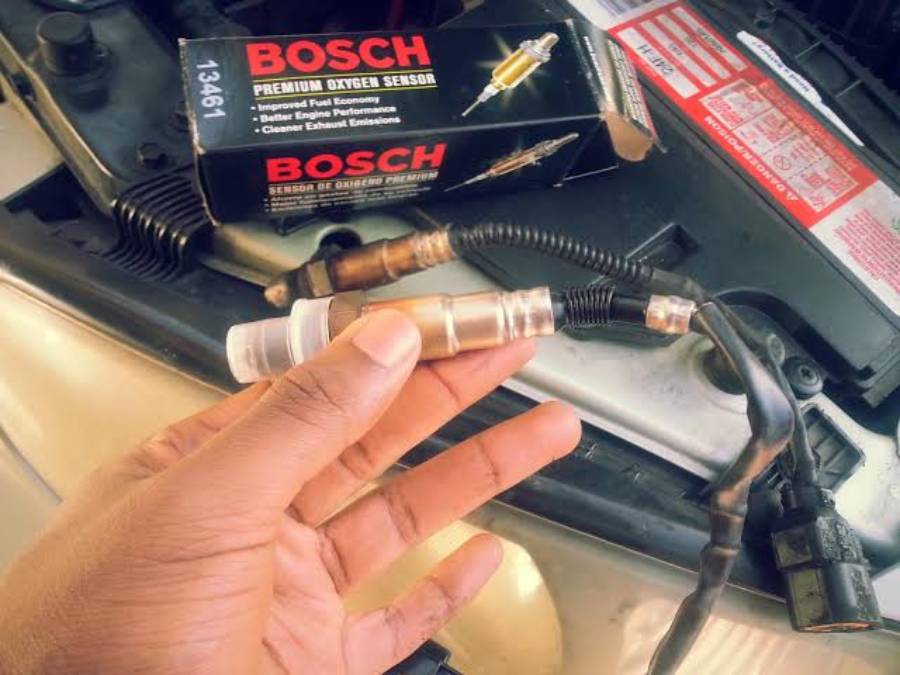
The catalytic converter reduces harmful pollutants in the exhaust before the gases leave the tailpipe. The Hyundai engine management system evaluates this process using oxygen sensors located upstream and downstream of the catalytic converter. The upstream sensor primarily measures oxygen content before the exhaust enters the converter, while the downstream sensor provides information that helps the control module evaluate catalyst performance.
A functioning catalytic converter changes the composition of the exhaust gases passing through it and stores and releases oxygen as part of the conversion process. Because of this activity, the downstream oxygen-sensor signal should behave differently from the upstream signal under the operating conditions used for catalyst monitoring. When the control module detects sensor behavior consistent with catalyst efficiency falling below its programmed threshold, it can set P0420 and illuminate the Check Engine Light.
P0420 therefore identifies an efficiency problem within the catalyst-monitoring system rather than proving that one specific component has failed. A deteriorated catalytic converter is an important possible cause, but the complete diagnostic process must also consider exhaust leaks, engine combustion problems, air-fuel mixture faults, and oxygen-sensor operation. Replacing parts based only on the code can result in an incorrect repair.
What Are the Symptoms of a P0420 Code on a Hyundai?
The Check Engine Light is the primary symptom of Hyundai P0420, and a vehicle with this code may show few or no noticeable driving symptoms. P0420 is generated by catalyst monitoring, so the vehicle can continue to start, idle, accelerate, and drive normally when the underlying problem is limited to reduced catalytic-converter efficiency.
A failed emissions inspection can provide another indication of the problem. The catalytic converter is part of the vehicle’s emissions-control system, and an active P0420 indicates that the control module has detected catalyst efficiency below its required threshold. Clearing the code immediately before an inspection does not necessarily solve this issue because clearing diagnostic codes can also reset emissions readiness monitors.
Additional symptoms depend on the fault responsible for P0420. Reduced engine performance, poor fuel economy, rough running, or other drivability problems point toward an underlying engine or fuel-control issue rather than being universal symptoms of P0420 itself. For example, a persistent misfire or abnormal air-fuel mixture can affect exhaust composition and damage the catalytic converter over time. In that situation, the driver may notice symptoms caused by the engine fault before or alongside P0420.
Exhaust-related signs can also accompany the code when the catalyst or exhaust system has developed a physical problem. The important distinction is that P0420 alone does not establish which component is responsible. The symptoms, additional diagnostic trouble codes, engine operating data, exhaust condition, and oxygen-sensor information must be considered together before selecting a repair.
What Causes a P0420 Code on a Hyundai?
A Hyundai P0420 code is triggered when the engine control module determines that Bank 1 catalyst efficiency has fallen below its programmed threshold. A degraded catalytic converter is a major potential cause, but exhaust leaks, oxygen-sensor faults, engine misfires, and air-fuel mixture problems can either produce misleading catalyst-monitoring data or contribute to actual converter deterioration.
A degraded catalytic converter can cause P0420 when it can no longer process exhaust gases with sufficient efficiency. Catalytic converters depend on an internal catalyst-coated substrate to support chemical reactions that reduce harmful exhaust pollutants. Thermal damage, contamination, physical deterioration, or long-term use can reduce this capability. As catalyst performance declines, downstream oxygen-sensor behavior can become more similar to upstream sensor behavior under catalyst-monitoring conditions, allowing the control module to identify efficiency below its threshold.
An exhaust leak is another condition that should be investigated before condemning the catalytic converter. A leak at a relevant point in the exhaust system can introduce outside oxygen or otherwise alter the exhaust conditions measured by the sensors. Because Hyundai’s catalyst monitor depends on exhaust and oxygen-sensor information, abnormal readings can interfere with the control module’s assessment of converter efficiency. Inspecting the exhaust system is therefore an important part of P0420 diagnosis.
An oxygen-sensor or sensor-circuit problem can also affect the information used for catalyst monitoring. The upstream and downstream sensors perform different roles, and inaccurate, biased, or otherwise abnormal sensor signals can interfere with the control module’s comparison of catalyst behavior. This does not mean an oxygen sensor should automatically be replaced whenever P0420 appears. Sensor operation, wiring, connectors, related trouble codes, and live data should support the diagnosis before replacement.
Engine misfires and incorrect air-fuel mixtures can cause or contribute to P0420 by changing the exhaust entering the catalytic converter. A misfire can allow incompletely burned fuel and oxygen to enter the exhaust, while an excessively rich mixture can increase the amount of fuel the catalyst must process. Persistent combustion or fuel-control problems can expose the converter to abnormal operating conditions and eventually reduce its efficiency. Ignition faults, fuel-injector problems, and other conditions affecting combustion should therefore be diagnosed when corresponding symptoms, codes, or scan data are present.
Oil or coolant entering the combustion process can also matter because contaminants passing through the exhaust can affect catalyst operation over time. However, P0420 by itself does not prove that oil consumption, coolant consumption, an oxygen sensor, an exhaust leak, or another individual fault is present. The cause must be established from the complete diagnostic picture rather than inferred from P0420 alone.
Is Hyundai P0420 Always Caused by a Bad Catalytic Converter?
No. Hyundai P0420 does not always mean the catalytic converter is bad. The code reports that the engine control module has detected catalyst-system efficiency below its expected threshold; it does not directly identify the component responsible for that condition.
This distinction changes the repair strategy. A converter that has lost its ability to process exhaust gases can produce P0420, but a technician should also determine whether another problem is affecting catalyst-monitoring results or has damaged the converter. Relevant possibilities include exhaust leaks, abnormal oxygen-sensor signals, persistent misfires, and air-fuel mixture faults. Additional diagnostic trouble codes can provide important context when these conditions exist.
The distinction is especially important when an engine problem has caused catalytic-converter deterioration. For example, replacing a converter without correcting a persistent misfire or excessively rich operating condition addresses the damaged component but leaves the condition that contributed to the damage unresolved. The replacement converter can then be exposed to the same abnormal exhaust conditions.
For this reason, a catalytic converter should be replaced for Hyundai P0420 only after diagnosis supports converter failure and relevant upstream engine, exhaust, and sensor problems have been evaluated. The diagnostic sequence matters: scan for additional codes, examine engine operation, inspect the exhaust system, evaluate relevant sensor data, and then determine whether catalyst performance itself is inadequate. This approach reduces unnecessary parts replacement and lowers the risk of P0420 returning after repair.
Can You Drive a Hyundai With a P0420 Code?
You can usually drive a Hyundai with a P0420 code for a short period if the Check Engine Light is steady and the vehicle runs normally, but the underlying problem should still be diagnosed. P0420 indicates that the engine control module has detected catalyst efficiency below its expected threshold. When reduced catalyst efficiency is the only problem, the vehicle may show no significant change in acceleration, idle quality, or general drivability.
The situation becomes more serious when P0420 appears with a flashing Check Engine Light, active misfire, severe loss of power, rough running, or other significant engine symptoms. A persistent misfire can send unburned fuel and oxygen into the exhaust system, creating abnormal conditions inside the catalytic converter. Continuing to drive without addressing the engine fault can increase the risk of additional catalyst damage. In this situation, the accompanying engine problem requires more immediate attention than P0420 itself.
Driving with P0420 can also create an emissions-related problem even when the Hyundai feels normal. The catalytic converter is responsible for reducing harmful exhaust pollutants, so reduced catalyst efficiency can increase vehicle emissions. An active P0420 or incomplete readiness monitors can also affect an emissions inspection where OBD-II testing is part of the inspection procedure.
The decision to continue driving should therefore depend on how the vehicle is operating and which additional faults are present, not on P0420 alone. A steady Check Engine Light with normal engine operation generally provides more time for diagnosis than a flashing warning light accompanied by a misfire or severe drivability problem.
How Do You Diagnose a P0420 Code on a Hyundai?
Diagnose Hyundai P0420 by checking for other engine faults first, inspecting the exhaust system, evaluating oxygen-sensor information, and confirming catalytic-converter performance before replacing parts. This sequence is important because P0420 identifies insufficient catalyst-system efficiency but does not specify whether the converter itself, another engine problem, an exhaust leak, or sensor information is responsible.
Start by connecting an OBD-II scan tool and checking all stored and pending diagnostic trouble codes, not just P0420. Misfire, fuel-mixture, or oxygen-sensor codes can change the direction of the diagnosis. Freeze-frame information should also be reviewed because it records operating conditions associated with the detected fault and can provide context such as engine load, speed, temperature, and fuel-control conditions available from the vehicle.
Engine faults that can alter exhaust composition should be investigated before the catalytic converter is replaced. For example, an active misfire or abnormal air-fuel mixture can affect the gases entering the converter and can contribute to catalyst deterioration. Correcting these faults first separates an upstream engine problem from a converter that has independently lost efficiency.
The exhaust system should then be inspected for leaks and physical damage at locations relevant to catalyst monitoring. An exhaust leak can change the conditions measured by an oxygen sensor and interfere with the information the engine control module uses to assess catalyst efficiency. Exhaust problems found during inspection should therefore be repaired before catalyst performance is evaluated again.
What Should You Check Before Replacing the Catalytic Converter?
Check the other diagnostic codes, engine operation, exhaust integrity, oxygen-sensor system, and catalyst performance before replacing a Hyundai catalytic converter for P0420. Replacing the converter based solely on the presence of P0420 skips several conditions that can affect catalyst monitoring or damage a replacement converter.
The upstream and downstream oxygen-sensor signals provide useful diagnostic information because the engine control module uses these sensors when monitoring catalyst operation. The upstream sensor reflects exhaust oxygen conditions before the converter, while the downstream sensor provides information after the exhaust has passed through it. A properly functioning catalyst changes exhaust behavior between these measurement points. When catalyst oxygen-storage and conversion capability deteriorate, downstream behavior can become more similar to upstream behavior under the conditions used for catalyst monitoring.
Live scan-tool data can help evaluate this relationship, but similar-looking oxygen-sensor patterns should not be treated as the only proof that a catalytic converter has failed. Sensor design, engine operating conditions, fuel control, exhaust leaks, sensor response, and Hyundai model-specific diagnostic criteria can affect the data. Sensor wiring and connectors should also be inspected when evidence indicates an electrical or signal problem.
A practical diagnostic order is to scan all codes, review freeze-frame data, resolve relevant misfire or fuel-control faults, inspect for exhaust leaks, evaluate sensor operation, verify normal engine conditions, and then confirm catalyst performance. This order identifies faults that can imitate or contribute to low catalyst efficiency before an expensive converter is replaced.
The final diagnosis should explain both why P0420 was stored and whether another fault caused the catalyst problem. If testing confirms inadequate converter performance after relevant engine, exhaust, and sensor faults have been excluded, catalytic-converter replacement becomes a supported repair rather than an assumption based on the trouble code.
How Do You Fix a P0420 Code on a Hyundai?
Fix Hyundai P0420 by repairing the fault identified during diagnosis rather than replacing the catalytic converter or oxygen sensors based on the code alone. The correct repair may involve fixing an exhaust leak, correcting an engine combustion or fuel-control problem, repairing an oxygen-sensor fault, or replacing a catalytic converter that has been confirmed to operate below the required efficiency.
Repair exhaust leaks first when they affect the area used for catalyst monitoring. A leak can change exhaust conditions around the oxygen sensors and interfere with the information the engine control module uses to evaluate catalyst performance. After the leak is repaired, the vehicle should be retested to determine whether P0420 returns once the catalyst monitor runs again.
Correct misfires and abnormal air-fuel mixture conditions before installing a new catalytic converter. Ignition faults, fuel-delivery problems, and other combustion abnormalities can change the exhaust entering the converter. If one of these faults contributed to converter deterioration, installing a replacement without correcting the root cause can expose the new converter to the same damaging operating conditions.
Replace an oxygen sensor only when diagnostic evidence identifies a sensor or circuit problem. P0420 alone is not sufficient evidence that either the upstream or downstream sensor has failed. Relevant sensor trouble codes, wiring condition, electrical testing, response characteristics, and live scan data should be considered before replacement. This prevents an inexpensive but unnecessary sensor replacement from being used as a trial-and-error fix.
Replace the catalytic converter when testing supports inadequate catalyst performance after relevant engine, exhaust, and sensor problems have been addressed or excluded. The replacement converter should be compatible with the specific Hyundai model, model year, engine, and applicable emissions requirements. The underlying cause should also be corrected when another fault contributed to the original converter’s deterioration.
After completing the repair, clear the stored trouble codes with a suitable scan tool and operate the vehicle under conditions that allow the required OBD-II monitors to run. A successful repair is demonstrated by the catalyst monitor completing without P0420 returning, not simply by turning off the Check Engine Light.
How Much Does It Cost to Fix a P0420 Code on a Hyundai?
The cost to fix Hyundai P0420 depends on its diagnosed cause because P0420 does not identify a single component that must be replaced. An exhaust repair, oxygen-sensor replacement, engine repair, and catalytic-converter replacement involve different parts and labor requirements. The final price also varies by Hyundai model, model year, engine configuration, labor rate, location, and whether OEM or aftermarket components are used.
Diagnosis should therefore be included when estimating the total repair rather than treating it as an unnecessary expense. A technician may need to scan additional codes, review operating data, inspect the exhaust, evaluate oxygen-sensor behavior, and verify catalyst performance. Paying for an accurate diagnosis can prevent replacing a catalytic converter when an exhaust leak, engine fault, or sensor-related problem is actually responsible.
Catalytic-converter replacement is generally the repair with the greatest parts-cost exposure in a P0420 diagnosis, which makes confirmation particularly important before replacement. Converter design and configuration differ across Hyundai vehicles, and the correct part must match the vehicle and applicable emissions requirements. Labor requirements also change according to converter location and exhaust-system design.
Oxygen-sensor replacement can be less extensive than catalytic-converter replacement, but lower cost does not make it the correct first repair. The same principle applies to exhaust repairs and engine-related work: repair cost should follow diagnosis rather than determine diagnosis. Replacing the cheapest suspected component first can increase the total bill when it fails to correct P0420.
A reliable estimate should therefore be based on the specific vehicle and confirmed fault. Exact price ranges should be checked against current parts and labor information for the Hyundai model being repaired rather than applying one universal P0420 repair price to every Hyundai.
How Do You Clear a P0420 Code on a Hyundai?
Clear a Hyundai P0420 code with an OBD-II scan tool after the fault responsible for the code has been diagnosed and repaired. Erasing the diagnostic trouble code turns off the Check Engine Light and removes stored fault information, but it does not repair the condition that caused the engine control module to detect low catalyst efficiency.
After the code is cleared, the vehicle’s OBD-II readiness monitors need to run again. The catalyst monitor operates only when required operating conditions are met, so P0420 may not return immediately even when the original problem remains. The Hyundai may need to complete additional driving before the engine control module has enough information to evaluate catalytic-converter efficiency again.
Clearing P0420 can also reset readiness information used during emissions testing. A Check Engine Light that remains off immediately after clearing the code does not prove that the repair was successful. If the catalyst monitor has not completed, the control module may simply not have retested the system yet. This distinction is particularly important before an emissions inspection.
The correct sequence is to diagnose the cause, complete the necessary repair, clear the stored code, and then verify that the required monitors complete without P0420 returning. If the code reappears after the catalyst monitor runs, further diagnosis is required rather than repeatedly erasing the fault memory.
Read more: Hyundai Locked Keys In Car? Try These Tips
Why Does P0420 Come Back After Replacing a Hyundai Catalytic Converter?
P0420 can return after catalytic-converter replacement when the original diagnosis was incomplete, an upstream engine problem remains, an exhaust or sensor fault was not corrected, or the replacement converter does not provide the expected catalyst performance. Installing a new converter addresses the catalyst itself, but it does not automatically eliminate every condition capable of producing or contributing to P0420.
An unresolved engine problem is one of the first areas to investigate when the code returns. Persistent misfires or abnormal fuel-control conditions can expose the replacement converter to exhaust conditions it was not designed to handle continuously. If such a fault contributed to the deterioration of the original converter, replacing only the converter leaves the causal chain intact.
Remaining exhaust leaks or oxygen-sensor problems should also be checked. Catalyst monitoring depends on exhaust conditions and sensor information before and after the converter. A leak that alters those conditions or a sensor system that supplies inaccurate information can continue to affect the engine control module’s catalyst assessment even though the converter has been replaced.
The replacement component itself must also be considered. A catalytic converter must be appropriate for the specific Hyundai application and meet the emissions requirements relevant to the vehicle. Part selection, installation condition, and actual catalyst performance become important diagnostic factors when P0420 begins only after replacement or returns shortly afterward.
The timing of the returning code provides additional context. P0420 may remain absent immediately after repair because clearing diagnostic codes resets the monitoring process. Once the vehicle reaches the operating conditions required for the catalyst monitor to run, the control module evaluates the system again. A code that returns after monitor completion indicates that the underlying catalyst-efficiency condition still needs investigation.
For this reason, recurring P0420 should trigger a new diagnosis rather than another automatic catalytic-converter replacement. Reviewing additional codes, engine operation, fuel control, exhaust integrity, oxygen-sensor information, and converter performance helps determine whether the original root cause remains or whether a different fault is now affecting the system.
How Can You Prevent P0420 From Returning on a Hyundai?
Prevent Hyundai P0420 from returning by correcting engine and exhaust problems that can affect catalytic-converter efficiency instead of repeatedly clearing the code. The most important areas are persistent misfires, abnormal air-fuel mixtures, exhaust leaks, oil or coolant consumption, and unresolved sensor-related faults. Addressing these conditions reduces the chance that the catalyst will operate under abnormal conditions or that the engine control module will receive misleading catalyst-monitoring data.
Repair engine misfires promptly because incomplete combustion changes the exhaust entering the catalytic converter. Ignition-system faults, fuel-delivery problems, and other causes of misfire should be diagnosed when the Check Engine Light or additional trouble codes indicate them. Continuing to operate the vehicle with a persistent misfire can expose the converter to abnormal exhaust conditions and increase the risk of catalyst deterioration.
Correct air-fuel mixture problems for the same reason. A mixture that remains excessively rich changes the amount of fuel and oxygen entering the exhaust system and can place additional thermal and chemical stress on the converter. Fuel-control or mixture-related trouble codes should therefore be treated as relevant diagnostic information when they appear with P0420 rather than as unrelated faults.
Repair exhaust leaks that can affect catalyst monitoring. The engine control module relies on oxygen-sensor information to evaluate converter operation, and leaks at relevant locations can alter exhaust conditions around those sensors. Fixing a leak before evaluating catalyst efficiency helps prevent an incorrect P0420 diagnosis and ensures the monitoring system is working with representative exhaust data.
Investigate abnormal oil or coolant consumption when evidence of either condition is present. Fluids entering the combustion process can produce contaminants that pass through the exhaust and may affect catalytic-converter operation over time. The underlying engine problem should be corrected rather than treating repeated catalyst replacement as the long-term solution.
Finally, diagnose a returning Check Engine Light instead of repeatedly clearing P0420. Clearing the code resets diagnostic information and readiness monitors but does not eliminate the underlying fault. When P0420 returns after a previous repair, reviewing engine operation, additional trouble codes, exhaust integrity, oxygen-sensor information, and catalyst performance provides a more reliable path to identifying the remaining problem.
Preventing P0420 is therefore less about performing one specific maintenance procedure and more about protecting the conditions required for the catalytic converter and catalyst-monitoring system to operate correctly. A Hyundai with normal combustion, correct fuel control, an intact exhaust system, functioning sensors, and an effective catalytic converter is less likely to repeatedly trigger P0420.